Land selection. The entry shall be made from a place that has not grown garlic for a period of three years and is suitable for rotation with food fields or other vegetable fields. Onions are also good for vegetables other than garlic. Onions are more obstinate and can be combined with other vegetables。
2 whole floor, fertilizing onion seedlings for longer periods and should be applied to base fertilizers. In general, 32,500-45,000 kg of fertilized organic or earth fat per hectare is rolled, dredged and made to flat. Additional calcium phosphate of 375 kg can be applied if required. In the case of severe subterranean pests, it is possible to treat them with venom. Pre-plant spraying of non-deeply cultivated soil adjusters, 200 g per 667 m2, with 100 kg of water added to the sprayed ground, can defusing the soil, favour root system development and water storage, and prevent winter and spring drought。
Three seeding times. When planting onions for winter, it is first necessary to determine whether this is to be done in autumn or spring, depending on local climatic conditions. In general, areas with no frost periods of less than 180 days are required to be broadcast in the autumn; areas over 200 days are suitable for spring broadcasts; the frost-free period is between 180 and 200 days and can be broadcast in spring and autumn. This is due to chronic underdevelopment, which does not allow for the full development of plants, and to long periods of excessive growth and long-term vulnerability to premature decay and high productivity. Autumn broadcasts dominate large areas of the north. The northern part of the country should be broadcast in late september. The cold areas should be early and the warm areas should be slightly delayed. Most of the shandong area seeded in early october. The criterion for sowing is a 40-50-day fertility period prior to winter in which a seedling can grow to 2-3 real leaves of approximately 10 centimetres tall and a tuber of less than 4 mm. Such physico-age seedlings are safe for winter and can reduce pre-scrawl in the following year. In autumn, the average late temperature is the most suitable place to sow at 16. 5-17°c to ensure effective growth of the temperature (over 7°c) of 660-700°c. The fall is too early and the following year has been marked by high levels of smoking; it is too late, young children are too small and can freeze to death in winter。
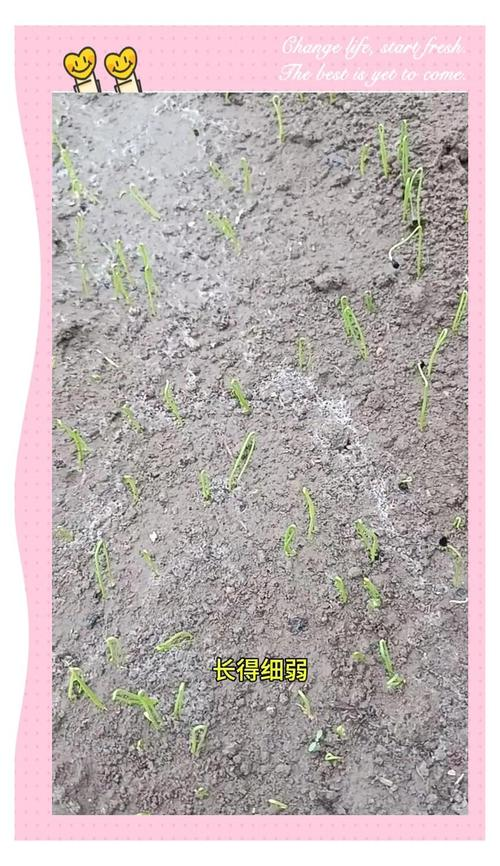
The planting of seeds in the spring should be done as early as possible. The northern part of the country is supposed to be planted in late february and early march. The later the seedlings are planted, the smaller the seedlings; the lower the yield. And when the seedlings of the mountains are sorely sown, they grow smaller than in the autumn, and their leaves are light, thin, short, not full, and their yields are reduced。
The appropriate density of seedlings is 1. 5 million per hectare, and the number of seedlings broadcast in the autumn is not less than 3 million, in preparation for freezing to death in winter and small seedlings. Spring broadcasts should have 2. 25 million seedlings per hectare for seedlings and a small amount of natural death. Onion seed growth is generally low, at around 75 per cent, with 30-45 kg per hectare in autumn and 15-22. 5 kg per hectare in spring, calculated on the basis of growth and seedling rates。
Seeding is usually used for seed and is not pre-sowning. In other areas, 20-30 minutes of warm soup perched at 50-55°c; or 0. 2 per cent potassium permanganate. Liquid impregnated for 20-30 minutes, which is then washed with water to kill the fungus on the seed surface. Seed impregnation can occur 1-2 days in advance。
The seeding methods are both sowing and stripping. It is the first place in which it is sown that it is sown. The water is filled with water, and the seeds are spread evenly and then the soil is 1 - 1. 5 cm. This method is good, it is unsettled, it is even and it has a high yield. When the soil is good, it can also be watered, seeded, then covered and trampled. It's called dry broadcasting. It is a shallow ditch of 1. 5-2 centimetres deep at a distance of about 15 centimetres inside the rim, where the seeds are spread in the cleavages, where they are flat and flat。
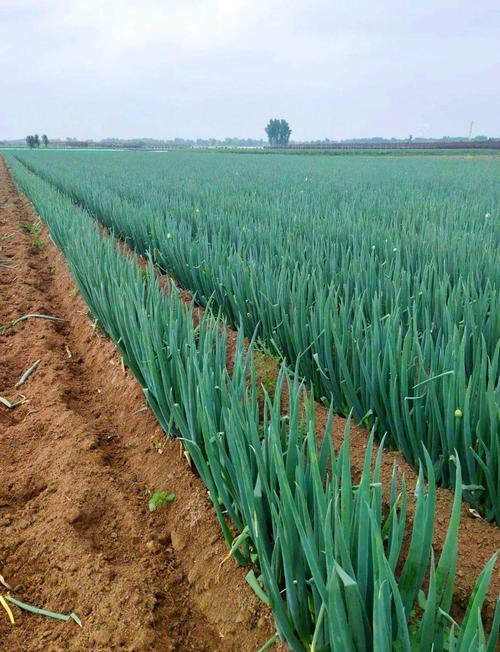
Five seedlings are pre-winter management and can come out six to eight days after the fall. Early in the spring, it took 15 to 25 days to excrete because of lower temperatures and slow growth. During this period, soil moisture is maintained and the surface is not compact. Before the sapling, you can roll the face once to protect the shield. If the soil is dry, it can be watered. The membrane is covered as soon as the seeding occurs, if conditions so permit, in order to protect the lumber, increase the temperature and release the seedling in time。
They are long before the winter, with low temperatures and slow growth. This should control water fattening and prevent saplings from growing too big or growing up. In general, 1-2 water can be poured before winter. A small water is poured out and winter water is poured before the soil freezes. Water should be watered in accordance with soil conditions or if the soil is not dry. When frozen, two layers of fine horse manure, soil fat or 1-2 centimetres of grass-gray ash can be spilled in thin areas to protect against the cold, so that young children can survive the winter. Cover can't be too thick, otherwise it's hot and bad。
The normal pre-winter criteria are: an average of 10 cm tall, with two real leaves of one centipede; a plume of seedlings within 0. 3 cm in diameter; and a strong and flourishing seedling. If the baby is too big, the following year's pre-spill is very serious; if it is too small, it can freeze to death。
When the average daily temperature rises to 13°c in the spring, the grass covered in the seedlings is taken out of the ground and water is poured back. Returning water should not be too early to cool down. 4,500-7,500 kg/ha in combination with the refilling of water and the application of ripe organic fertilizer. Then they tilled, and weededed. The seedlings are removed from weakness and are kept at a distance of 7-8 cm. After the fall seedlings were refed, the seedlings were crammed for 10-15 days, which allowed the seedlings to grow and lay the foundation for the next stage of growth. The growth of seedlings, which enter the boom and long term after cramming, has been significantly accelerated by increasing the number of waterings and keeping the soil wet. At the beginning of the booming young seedlings, northern china followed the first fatter in late april and early may, with onions growing in the medium term, and the second fatter in late may, with urea at 100-150 kg per hectare. In pursuit of the first fertilisation, 100 mg/kg liquids with platinum 481 were sprayed, promoting the planting of cell division and accelerating the rapid growth of seedlings。
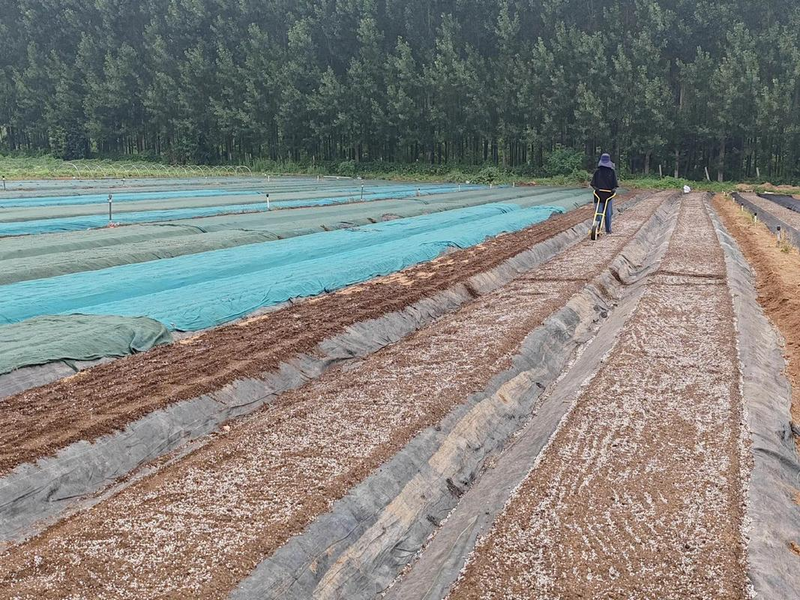
In the spring, seedlings are planted, and when seedlings are produced, the soil is kept humid to facilitate seedlings. Water is distributed in a timely manner to control the watering of the three leaves and to promote the growth of the roots. After the three-leaf period, the growth of seedlings is accelerated with sufficient water fattening。
When onions are 50 cm high, 8-9 leafs, 10-15 days before planting, water shall be stopped and the seedlings shall be trained so that the leaves may be healthy and the prostheses shall be firm, so that the seedlings may be planted for profit. Onion seedlings per hectare can be planted in 5-8 hectares。
The criteria for seedlings at planting are: an average of 40 grams per plant; approximately 50 centimetres high; around 25 centimetres long onions; around 1 centimetre thick onions; no less than 5-6 tiles per tube-coloured leaf; and typical characteristics of the species。