


The 10,000-year-old chinese culture, unique language and script, the vast history of culture, the world's technology and technology, the great literary arts, the intelligent philosophical religion, and the full and profound morality..
Chinese culture is a deep-rooted cornerstone of our thinking, language and way of life, as is the land below our feet and the sky above our heads. Reading and understanding chinese culture is not only a retrospect of history, but also a search for and recognition of self-identification. Welcome to 10,000-year-old chinese culture
What is the impact of china's land on the birth of chinese civilization
The chinese civilization was not created by the chinese people in a vacuum, and the cultural creation of the chinese people was profoundly affected by several distinct features of this vast land in the east asia and pacific west bank。
First, the complete nature of the climate and the complexity of the terrain and landscape prepare the geographical basis for the development of diversity in chinese culture。
When china’s borders are examined in the general context of the geography of the world, it is obvious that they are vast in scope and that the landscape, landscape and climatic conditions are diverse。
Secondly, the depth and breadth of the circle provide sufficient space for the transfer of cultural centres。
One of the most important sites of chinese culture is the yellow river basin. In ancient times, the 7. 8 million square kilometres of the yellow-earth plateau and alluvial plains, soil and water fertilized, weeded and fertilized, where the ancients hunted and graze their cattle, thus developing their farming industry, laid the foundations of civilization。
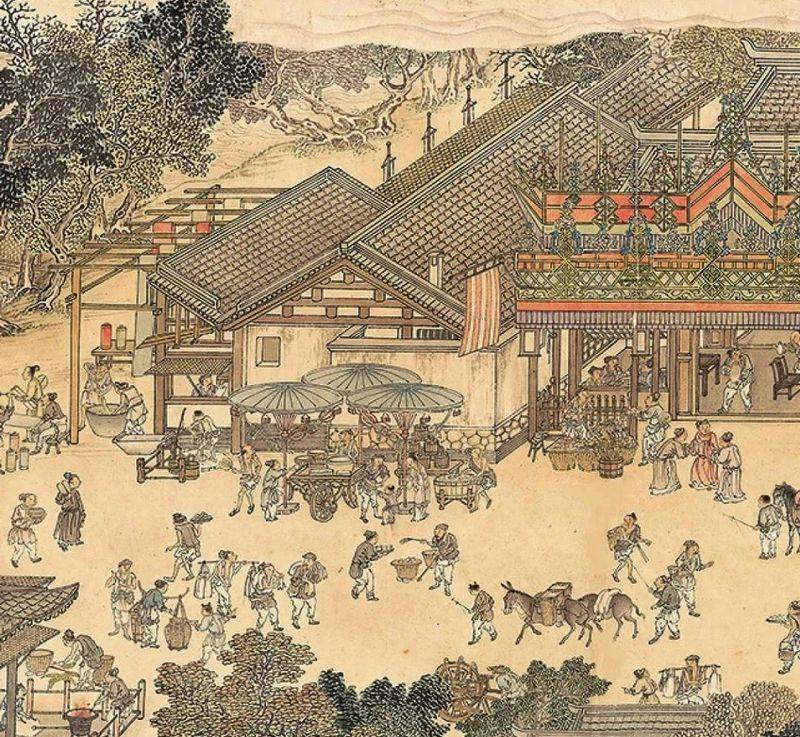
For thousands of years, the centre of chinese culture has largely moved from east to west, followed by north-west to south-east. This is clear from the movement of the capital cities of the inter-generational civilizations. There's a more permanent capital city. Anyang, xian, luoyang, open, nanjing, hangzhou, and beijing are the seven largest cities in china. The figure is chong dynasty vonning, the golden hills map。
Thirdly, the distance from other civilization centres leads to the relative independence of chinese cultural development。
China is bordered on the east by the vast pacific ocean, with the north running through the gobi and the vast pristine forests, and the west between the yellow sands and the snow peaks of the mountains, with the south-west standing the largest and most plentiful of the world's green highlands. Such a state of relative isolation from the outside world has profound and long-standing implications for the formation and development of chinese cultural traits。
What are the types of chinese civilization
It is true that there is only one chinese civilization, but due to the unique geographical location of china's territory and its climatic characteristics, it can be divided into different types, such as target groups, labour products, and modes of operation。
The 400 mm precipitation line runs from the western slopes of the higashi anjing, along the upper west liao river, the yan mountain range, by the yellow river sheath, through the upper yellow river and the yangtze river to the yaruzhib river valley. It is bounded by this precipitation line, which is wet in the south-east by monsoons in the pacific, and in the north-west by arid areas that are less or less affected. This 400 mm precipitation line serves as the general dividing line between farming and nomadic areas in east asia。
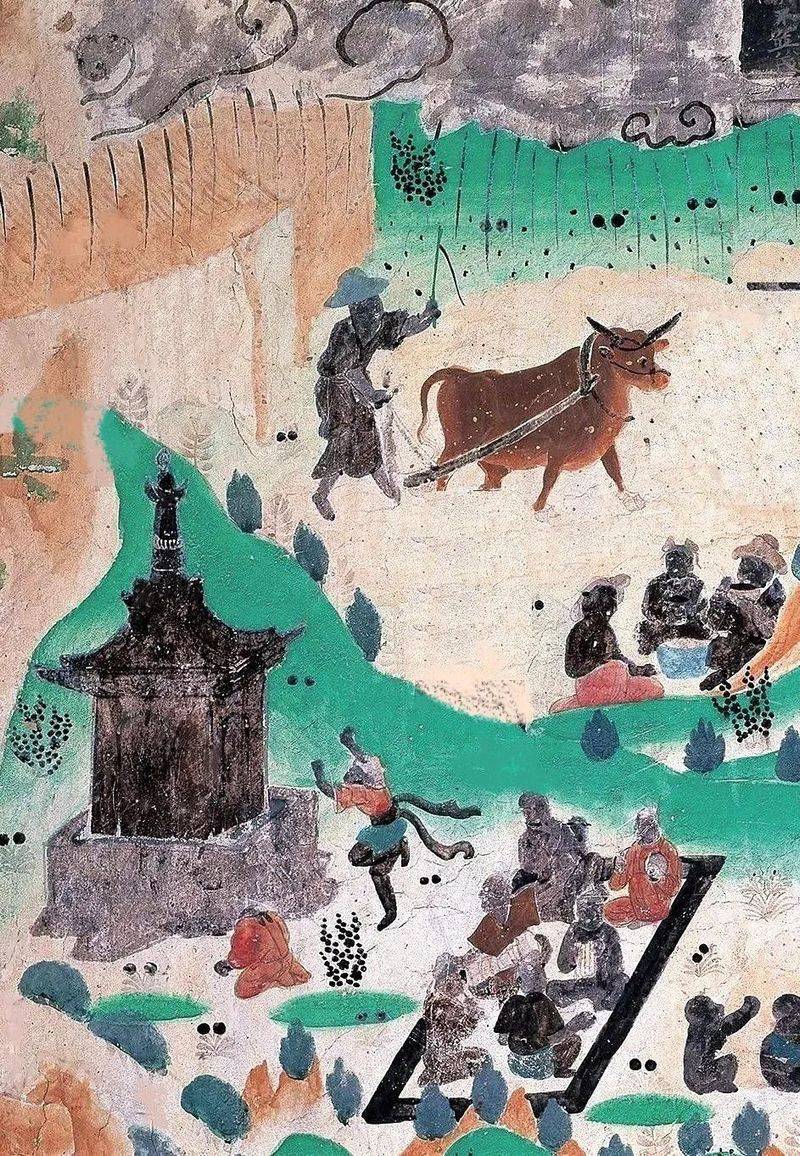
Farming is a production category where material information is obtained using the natural reproduction patterns of plants. This is shown in the map of rain cultivation in the twenty-third quarter of mogo。
The pattern of farming civilization, measured by land ownership, has undergone three stages: the land ownership of yin and wing, and all stages of the commune, or the “three generations of idas”; the collapse of dong zhou ii field to the collapse phase of the tang china daeda system, where private ownership of land is established, with all kinds of intervention reserved by the authoritarian state for the private ownership of land; and the collapse of the tang jia till the end of the day, where private ownership of land becomes deeper and the intervention of the authoritarian state in the private ownership of land is diminished。
Unlike farming, nomadic civilization is characterized by, first, a lack of city size, arable land, irregular migration and nomadic subsistence; and, second, a situation at the threshold of civil society. In addition, there are no words, no manners; third, the people are well ridden, and the people are fierce; and fourth, livestock, hunting and the war of plunder are two aspects of their way of life that transform and complement one another。
What are the special cultural characteristics of the chinese civilization as compared to other civilizations
What is the uniqueness of the chinese civilization compared to the ancient and medieval cultures of europe, west asia and south asia? The answer lies in its ethical-political cultural identity. The patriarchal social structure has led to the formation of ethical features in chinese culture。
The socio-psychological aspect of patriarchal structures is manifested in the extraordinary focus on blood relations, in a strong sense of “benevolentness” and in the extreme respect for tradition。
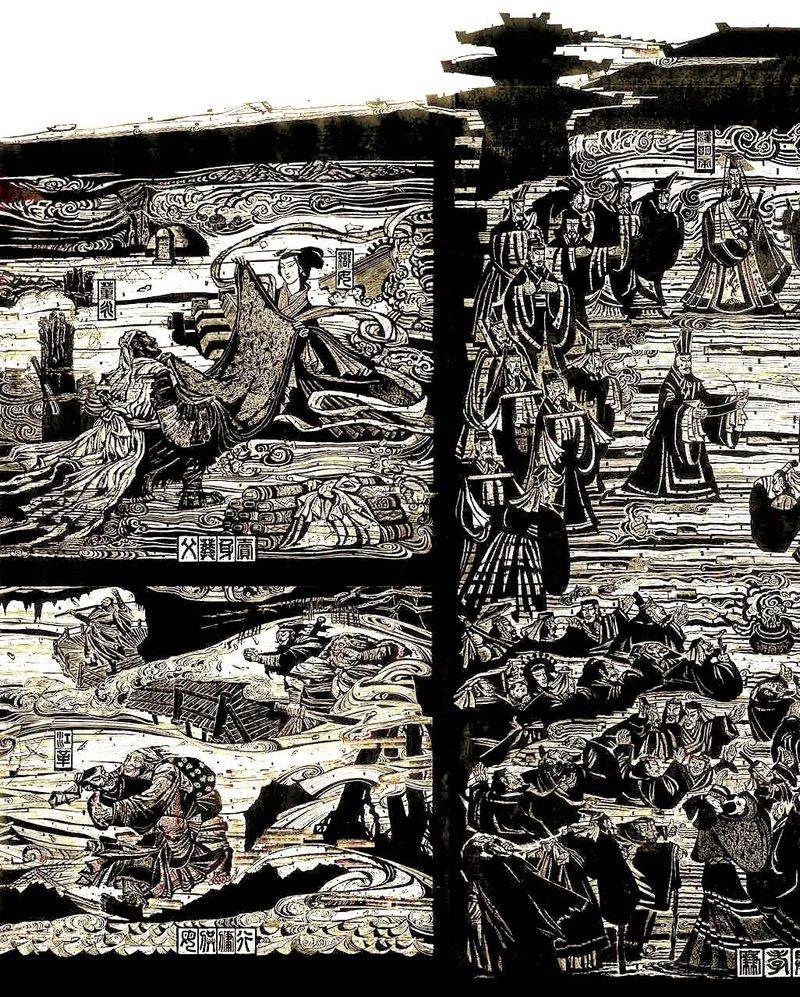
In the chinese cultural system, philanthropy is regarded as the core and mother of all moral norms, and philanthropy is extended by loyalty, respect for elders, brotherhood and honour. This is shown in the present-day tyrannical and philosophies。
What are the stages of development of ancient chinese culture
China's ancient culture, which was created by the chinese nation in the slave and feudal societies, began largely in the summer and ended in the opium war。
The era of slavery in china has created a luminous culture, and the vagaries of confucian, dow, mok, fat, yin, yang, zong and the farmers at the time of the battle have demonstrated the depth of china's ancient culture。
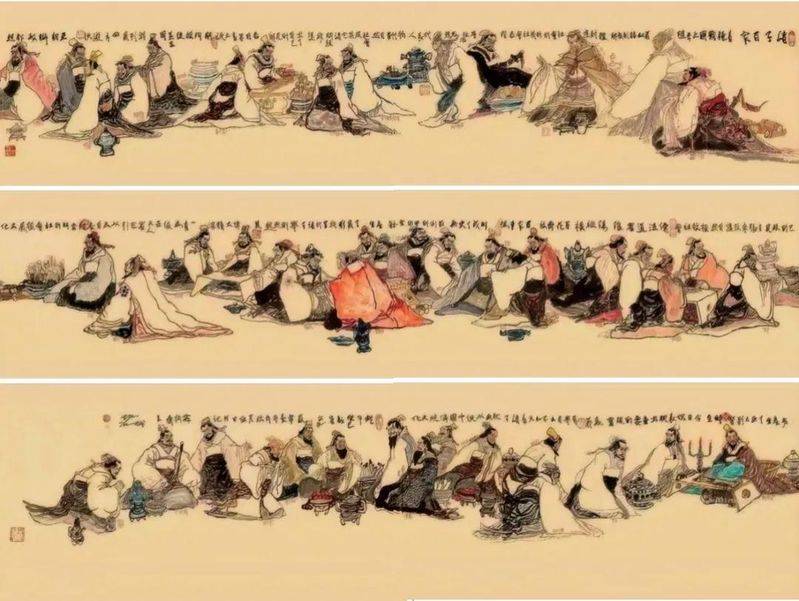
China's ancient culture has been characterized by the vagaries of the confucian, dow, mok, faw, yingyang, qiang and the peasant communities. It is now known as " the sons."。
China's feudal society was formally established after the completion of the reunification war by the new feudal lords (who were transformed, in many cases, by the nobles of the slave masters). The feudal system preserved the cultural gains accumulated by the slave system in a fairly complete manner and used the power of the “big one” feudal empire to transform and develop this cultural tradition。
The great cultural regression that took place in europe during the transition from ancient to medieval times did not occur in china, nor did the creation of supremacy in the whole field of intellectual activity by theology of europe. A secular culture with a patriarchal and ethical consciousness and a dominant form of empirical rationality has always dominated china's feudal era, thus making it possible for china to provide mankind with an example of the brightest feudal culture。
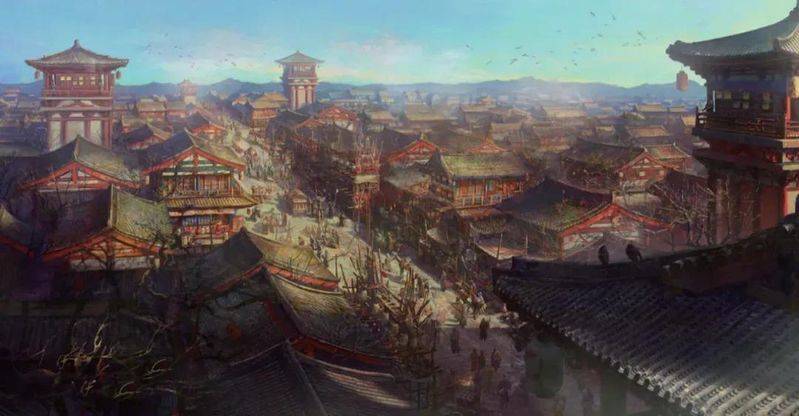
The main cities of tang dynasty, guangzhou, yangzhou and luoyang are all places of concentration for foreigners, and the capital city is the centre of large-scale economic and cultural exchanges, both in china and abroad. Here's to don。
China's ancient culture, despite its great achievements, is characterized by a general and intuitive mindset, with a number of obscurantist elements, and, at the same time, by its natural, social and psychological isolation, is not free from ethnic isolation. As the feudal economy and feudal politics reach a later stage, its cultural ills become increasingly visible and become a barrier to social progress, a new culture adapted to the new economy and politics, which thrives in the mothers of feudal societies。
How did you get it
The origins of the chinese word have been varied since ancient times. The most popular legend is stylist writing. What these "gods" exemplify is the greatness of words. Real writing does not come from one person at a time, but from thousands of unknown collective creations, and has gone through a long journey from original writings to inventions。
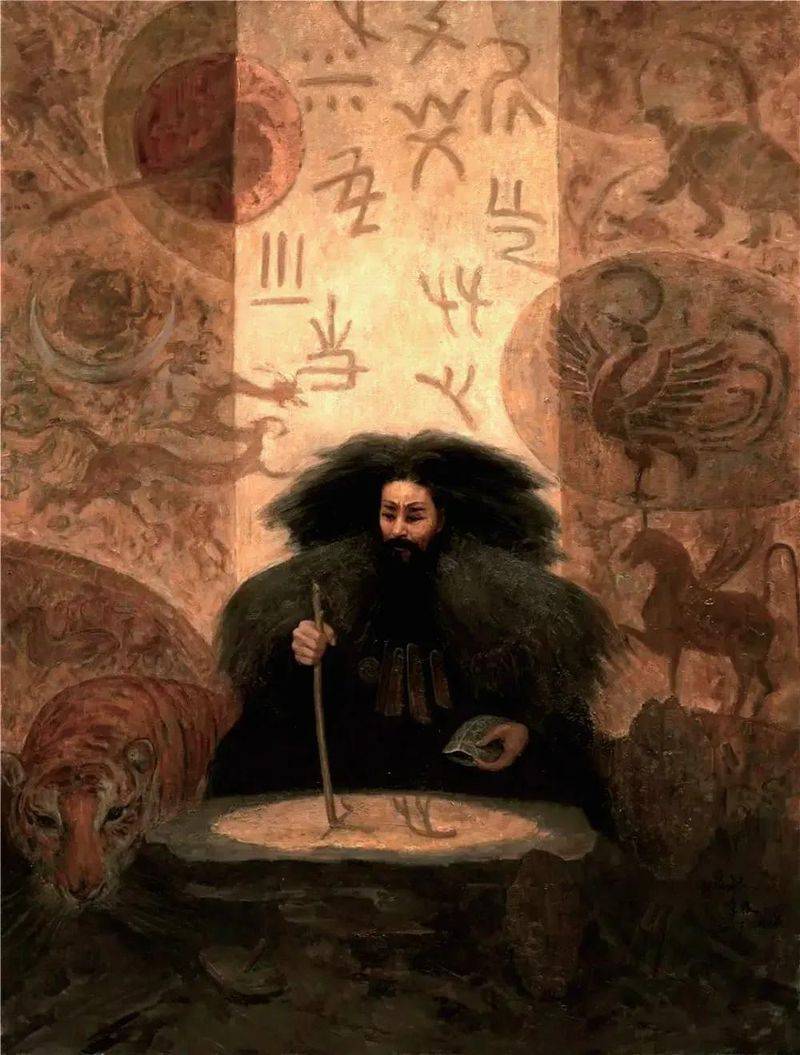
The origins of the chinese word have been varied since ancient times. The most popular legend is stylist writing. From the beauty of nature, the silos are inspired to create words. It's called "kurremin."。
In the early years of human life, ropes, wooden carvings, drawings and drawings on objects were an important way of remembering and exchanging ideas, and with the repeated use of symbols and the accumulation of human experience in the use of primitive writing methods, words were finally conceived。
When the chinese word is produced, it follows the path of hieroglyphics, instructions, perceptions, sound, bets, false borrowings, etc. Despite the fact that the text is becoming more and more “distant from the truth”, its interlocking structure and even its sidekicking is still embedded in the pictogram. The chinese culture is characterized by square characters that do not spell words。
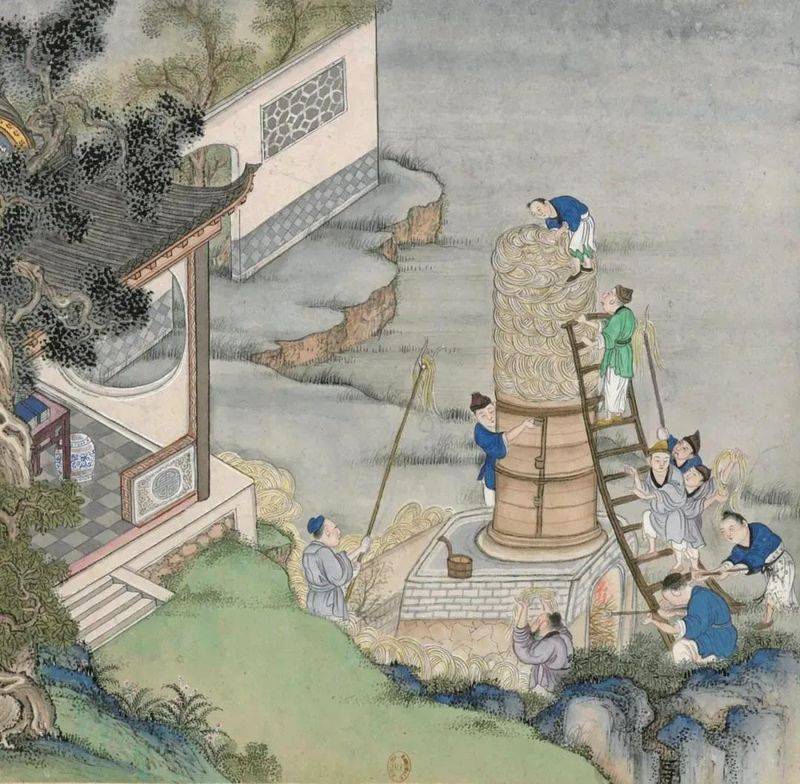
During the year of west han, paper was invented, ending the history of writing on the cascading, goldstone and bamboo. The book industry has since entered a very advanced stage of development. The drawings are taken from the qing dynasty, new poetry books。
The development of the chinese script, marked by the “one-size-fits-all” structure of china's feudal society, plays a crucial role in the condensation of the nation's psychological structure. The uniform chinese word is of great utility to the unity of the nation. It is different in its modern writing, and it is invincible to speak in different places, but it is the same one that has become universal and has contributed to political and indoctrinational reunification and to national cohesion。
What are the special advantages of han's development so far
As one of humanity's oldest text systems, han has already reached the age of 6,000, so is it still alive and alive for a considerable period of history? The answer is certainly yes。
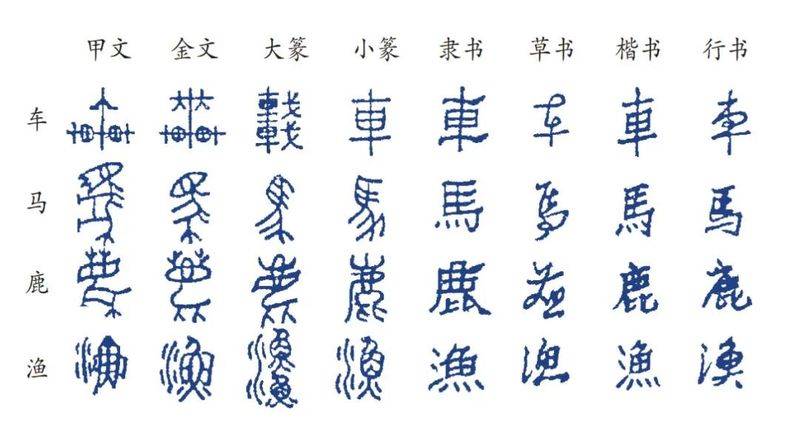
In the history of chinese writing, eight fonts have appeared: oracle, ginwen, dairyu, xiaowei, niu, basiji, models and books。
The chinese word has obvious characteristics in terms of volume. It has a large vocabulary to respond to the numerous demands of the world for languages and their records, as well as relatively concentrated and very concise characters to meet general needs。
The han dictionary is characterized by the best choice of a computer-controlled language. As an indication, han is not a subsidiary of chinese, which itself has a rich cultural connotation and a deep philosophy. Hanja has a high degree of identifier, a large amount of information is stored and readable across time and space。
The chinese word is flexible and easy to use. The strength of the chinese word makes it possible for people who are masters of many thousands of popular chinese characters to learn several times, ten times or more without hindrance, to cope with their own social life。
In terms of a quick understanding of the meaning of words expressed in the text, the chinese word also has a special meaning in the meaning of the word “image”. The earth is dust, not crooked, and the word is clear. In addition, the unique head of the chinese-language structure, with a more systematic understanding of the meaning of chinese-style characters, provides a rather precise yardstick。
What are the ancient chinese technological wisdom
The chinese nation has long played a leading role in the scientific and technological processes of ancient human civilization. In material science, china is home to china. China was also the first user of paint - “perhaps the oldest industrial plastics”. Bronze smelting technologies were available as early as the time of business。
In terms of mechanics, in the fourth century b. C., china has invented double-moving piston windboxes. In the first century b. C., the chinese have been able to pass power from a wheel to a wheel. The case of the horizontal rotor was inspired by studies of the western propellers。
In engineering technology, the design and construction levels of ancient chinese canals are world-leading. The canals, the kyo hang canal, the locks... These water works are excellent. The world's attention is also drawn to ancient bridge technologies. Zhao state bridge is still used by architects in various countries。
In astronomical terms, in the fourth century b. C., the chinese have observed the sun black. For approximately 40 comets that appeared 1,500 years ago, almost all of them were calculated on the basis of chinese ancient records。
With regard to acoustics, the sound bells, the “triple profit-loss method”, the echo wall, and the chinese study of sound color, stair, tone, rhythm and voice transmission predate any country in the world。
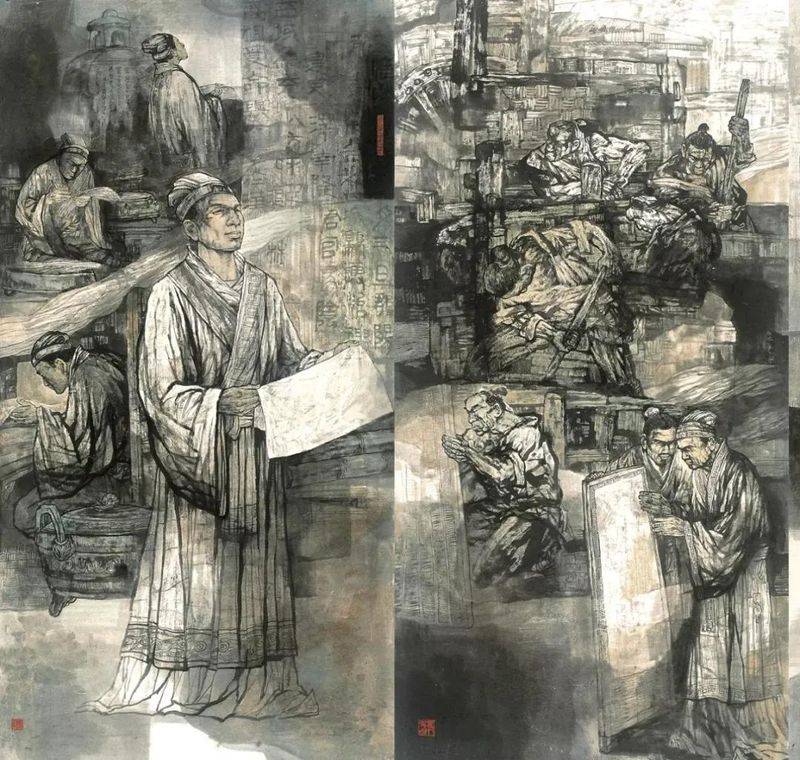
The emergence of paper and the refinement of its manufacturing techniques are a remarkable creation for the ancient chinese people. Since the sixth century a. D., chinese paper-making has spread to north korea, viet nam and japan. After the eighth century a. D., it passed through sub-asian central asia to the arab and european regions. This is cai lwin paper。
Looking back at 10,000 years of chinese history and culture
What's the most exciting thing about you
What else do you think is worth writing



