Overview of management of the 1st chestnut cultivation
Chestnut trees grow in natural conditions, resulting in relatively low yields at a late age. In order to address this problem, the key lies in the combination of indoctrination, trim and fertilizer application. Through the technique of matrimony, we can change the late and slow nature of the results of the chestnut tree and achieve the expectations of one year of planting, two years of strength, three years of matrimony, four years of results and five years of production. Cutting measures, such as fun, stretching, sprouts, etc., can adjust tree shapes to make the outcome more centralized and manageable. At the same time, other management measures, such as sound fertilization, are essential to provide the necessary nutrition for the chestnuts to ensure their healthy growth and high quality of production. Through these comprehensive management measures, we can easily achieve the high productivity and quality of chestnuts。
02 science park
The selection and the ground
It was particularly important to select sites with sufficient sunlight, soil neutral acidity and sandy soil for chestnut cultivation, the right plot being the prerequisite for the cultivation. It is most appropriate to avoid the construction of plantations in areas where the soil is too sticky and low-lying. The planting is preceded by the digging of large caves, which are suitable for strips. For slopes below 25°, a 4 m wide platform can be dug along horizontal lines, where two rows of chestnut trees are planted. In the case of steep slopes, terraces and soil conservation measures are required。
Slim selection
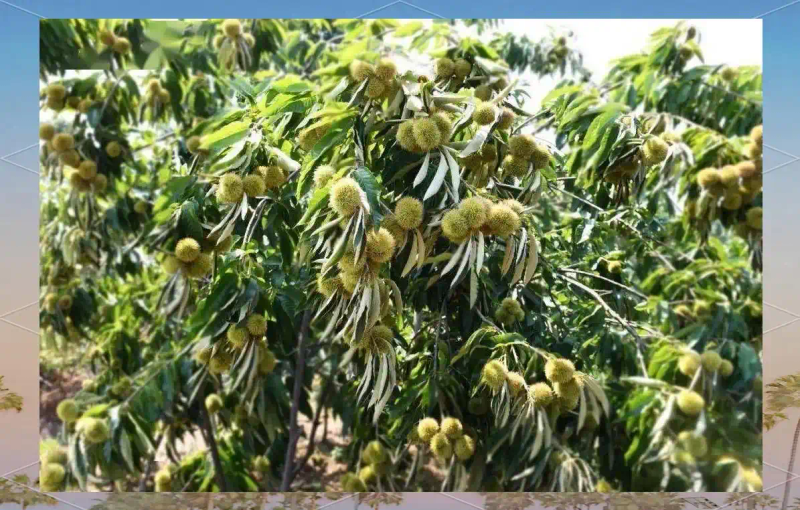
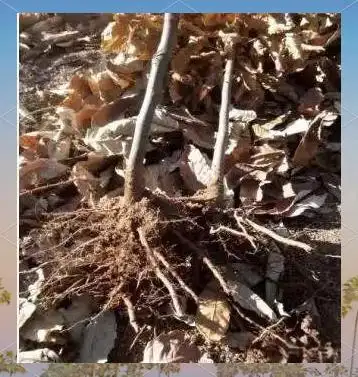
A second-year seedling should be selected to be grown from the ground, ensuring that there are no pests or pests and that the roots are developed. It is characterized by a height of more than one metre, a thickness of at least one centimetre, not less than five sides and a length of more than 20 centimetres. It requires a well-developed, well-distributed, strong and full of branches, short-term sprouts。
Period and method of planting
The periods during which the chestnuts were planted were divided mainly into spring and autumn, which were suitable planting times. The spring planting, which usually takes place from mid-march to early april, is more appropriate where the water is available; the fall planting is suitable for late october to late november. When digging a tree, the depth should be 40 cm and 100 g potassium sulphate-type composite fertilizer applied to each den。
Post-plant management
The focus of post-plant management is on leaf spray and pest control to ensure healthy growth of seedlings. The focus is on leaf-spray fertilizer and pest control to ensure the healthy growth of the seedlings, due to possible root breaks in the process of shifting them. Starting in the first half of may, 0. 3 per cent of urea and 0. 3 per cent of potassium phosphate can be sprayed every 10 days, with attention to the control of gold turtles, red spiders and leaf-eating pests such as caterpillars and moths。
#03 chestnut #
Earning and timing
Episodes were collected 20 days before the sprouts, and those of good varieties were sprawled 20 days before. The specific period is from the end of february to the first half of march. At this point, a well-developed branch or a parent branch of the result is cut from the tree of excellence。
2. Bridging techniques and pest control
Plugging and abdominal adhesion are common methods, and the place of marriage is usually chosen for the main stem or branch. In addition, insect control cannot be overlooked during the marriage. The mixing of flour with odourful insecticidal drugs, which is made into a slurry paste, is applied evenly to the wrapped plastic strips, and is effective in preventing the laying of eggs at the interfaces by twig-wing moths。
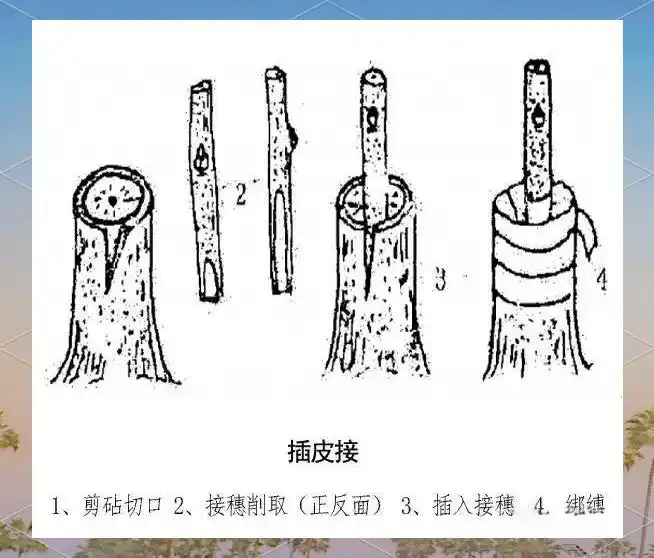
3. Elimination of buds and decomposition
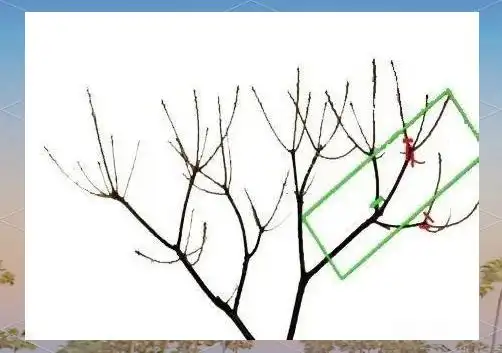
After marriage, the seed must be removed periodically to ensure the healthy growth of the branches. In addition, when the new branch is about 20 to 25 centimetres old, it should be removed in a timely manner and placed on a pillar to prevent the main branch from short-cutting from the base。
04 raffles and sprouts
1. The pull method
Through joy, stretching and engraving, we can effectively contribute to the formation of the twigs of the cyanide. Pulling promotes tree formation, increases production and avoids overlap and excessive growth of branches. In september of the year we were married, when the branch stopped growing, we could carry a larvae, which was soft and operational。
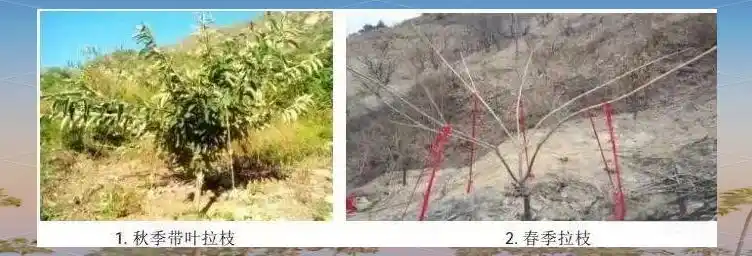
2. Embroidery technology
Five days before and after the spring festival, we have sprouted the branches that have been stretched, helping to increase the growth of new branches and increase the rate of results for the year. The sprouts on the back of the preferred branch are strung deep between 2 and 4 mm。
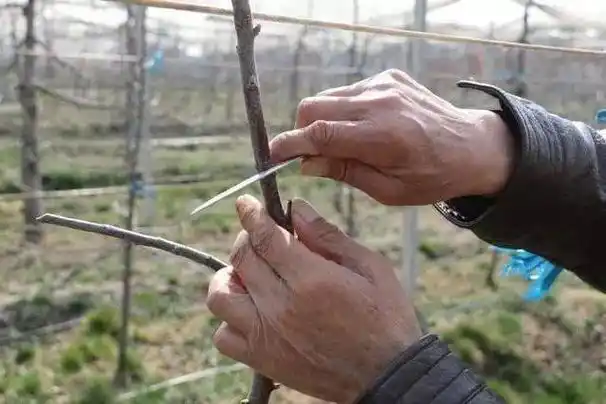
Management of the 05 season
In the fifth and subsequent festivities, we need to strengthen the management of fatty water and apply science-based orthopaedic and shearing techniques to ensure productive and stable fruit trees. Fertilisation and shearing strategies determine the yield of fruit trees. Fertilisation is to take place between mid-march and early april, mainly with a combination of potassium sulphate-type fertilizer and appropriate fertilizer. At the same time, reasonable orthopaedic repairs are to be made to ensure proper photometric rates in orchards。