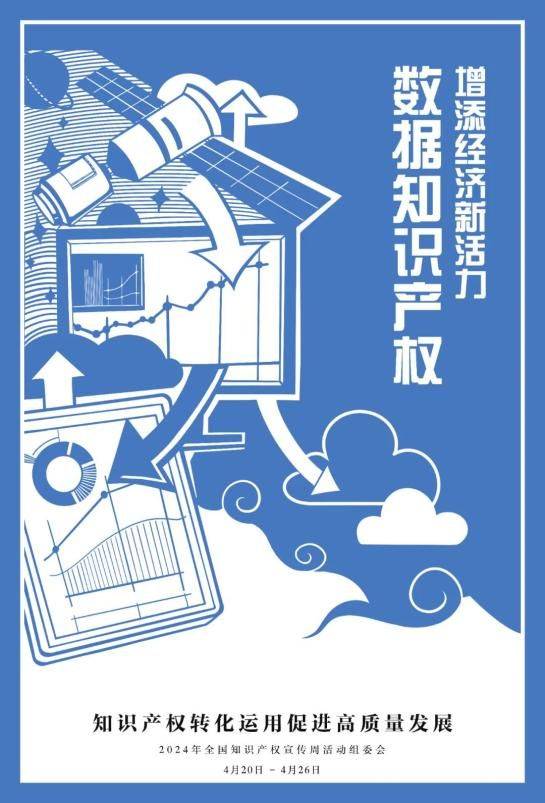
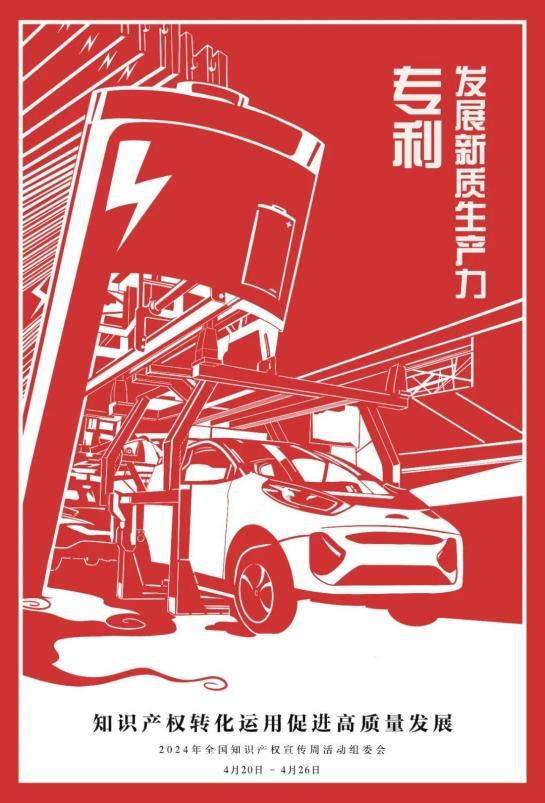
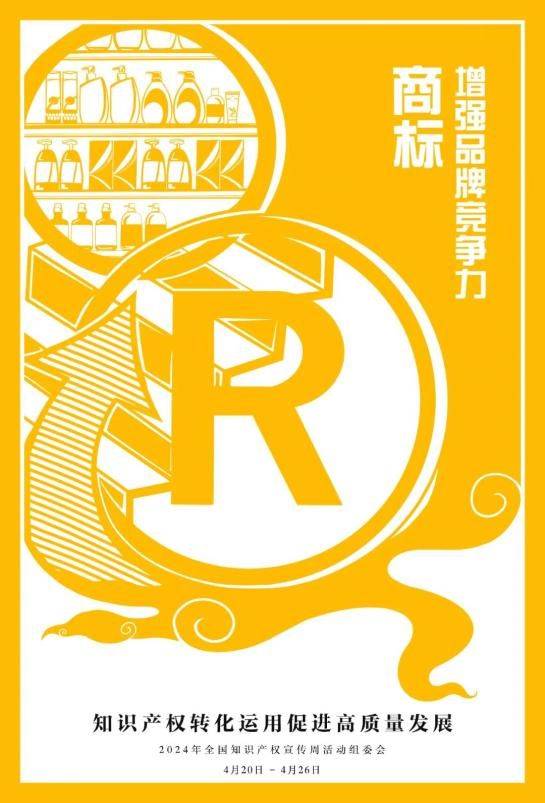
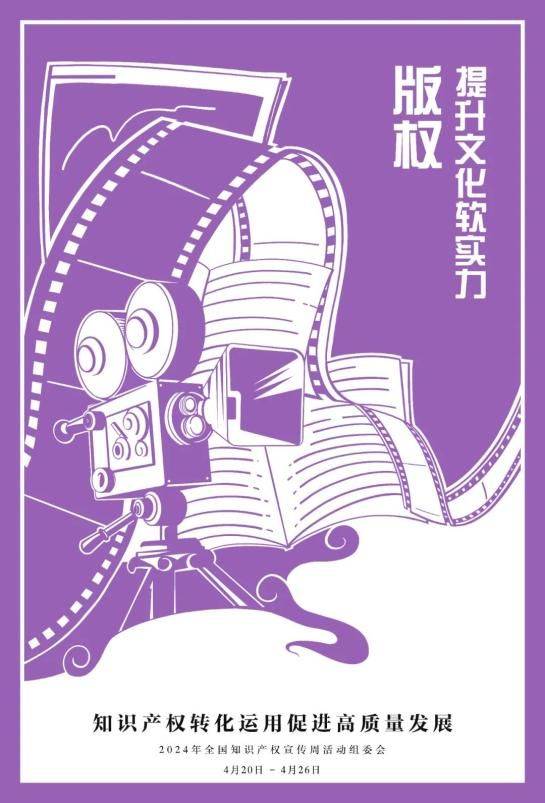
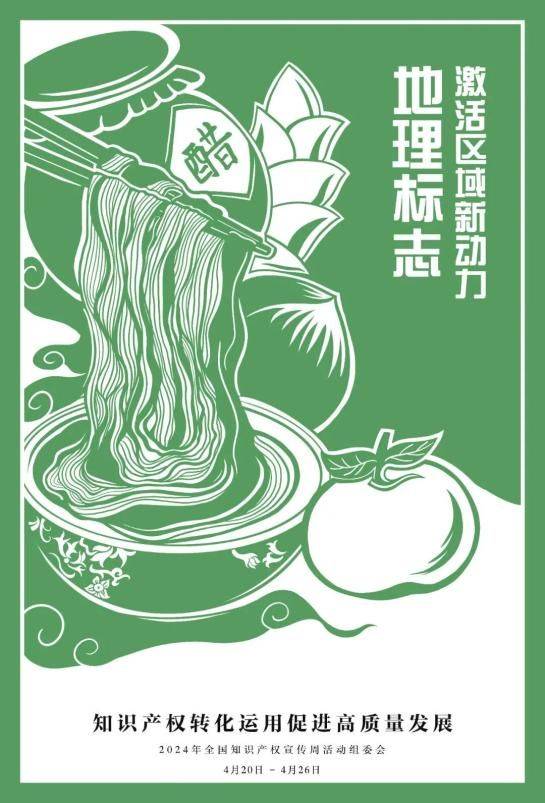
Every year from 20 to 26 april, the week of the national intellectual property awareness campaign is held. The theme of this year's national intellectual property week event was “ipr conversion for quality development”。
Let's study together with the theme poster issued by the national intellectual property agency
No. 1
What is intellectual property
Intellectual property rights are the legal exclusive rights of citizens, legal persons or other organizations to the results of their creative work. It is a property right that is protected by national law and cannot be violated by anyone. It can be bought, sold, given and used in the same way as tangible property, such as houses, cars, etc。
Intellectual property rights include, but are not limited to, the following main types: patent rights, trademark rights, copyrights (author rights), names of origin (geographic indications), new varieties of plants, trade secrets, etc。
Protection of intellectual property rights is important for states, enterprises and individuals:
For the state: protection of innovation, promotion of scientific and technological progress and cultural prosperity and enhancement of national competitiveness。
To enterprises: ensure business safety, improve market competitiveness, enhance business image and protect r & d inputs。
For the individual: to stimulate scientific and technological research and artistic creation and to promote the optimal allocation of social resources。
No. 2
Characteristics of intellectual property
The legal basis for intellectual property rights consists mainly of national laws and regulations, administrative regulations, sectoral regulations and international treaties。
1. Non-materiality: the object of an intellectual property right is a work of a non-material nature, an invention, a goodwill, etc., which is incorporeal and must be based on a certain material carrier。
2. Exclusion: it means that an act controlled by the exclusive rights of intellectual property may not be committed by another person without the consent of the owner or by special provision of law, which would otherwise constitute a violation。
3. Timing: most intellectual property rights are protected for a limited period of time and are no longer protected as soon as the period of protection prescribed by law is exceeded. The creation of results will enter the public domain and become a public resource accessible to all。
4. Geographicality: except as specifically provided in international treaties or bilateral or multilateral agreements, the effects of intellectual property rights are limited to their national territory and do not produce legal effects on other states。
No. 3
Legal basis for intellectual property rights
The legal basis for intellectual property rights comprises, inter alia, national laws and regulations, administrative regulations, sectoral regulations and international treaties, as follows:
The civil code of the people's republic of china: the legal status of intellectual property rights is clarified in the civil rights chapter, which protects objects such as works, inventions, trademarks, commercial secrets, etc。
The law of the people's republic of china on patents provides for patent rights for inventions, practical new types and appearance designs, as well as patent applications, reviews, authorizations and protections。
Trademarks law of the people's republic of china: deals with the registration, use, protection and management of trademarks。
The copyright act of the people's republic of china protects the copyright of authors of literary, artistic and scientific works and the rights and interests relating to copyright。
The law of the people's republic of china on anti-improper competition contains provisions on the protection of trade secrets, etc., which are relevant to the protection of intellectual property rights。
The protection of new varieties of plants regulations: protect the rights of new varieties of plants, encourage the cultivation and use of new varieties of plants and promote the development of agriculture and forestry。
Integrated circuit chart design protection regulations: protect the exclusive right of integrated circuit chart design, encourage innovation in integrated circuit technology and promote the development of science and technology。
Agreement on trade-related aspects of intellectual property rights (trips): the legal basis for integrating intellectual property protection into the wto regime, to be administered by the world trade organization (wto)
The beijing treaty on audio-visual performing: protecting the intellectual production of audiovisual performances involving performers rights
No. 4
Which violations of intellectual property rights
1. Unauthorized use of the same or similar trademarks, distinctive signs, patents, works and other creations in production, operations, advertising, propaganda, performances and other activities
2. Counterfeiting, unauthorized manufacture of marks of the same or similar trademark, special signs or sale of forged or unauthorized trademarks, special signs
3. Disguised use of the same or similar trademarks, distinctive signs, patents, works and other creations
4. Use, without authorization, of the same or similar trademarks, distinctive signs, patents, works and other creations in the names of enterprises, associations, undertakings, private non-enterprise units, domain names, geographical names, buildings, structures, premises, etc
5. Provision of facilities such as premises, storage, transportation, mailing and concealment for violations
6. Other violations of the provisions of relevant national laws and regulations。
No. 5
What is the liability for violations
The legal liability for infringement of intellectual property rights includes civil, administrative and criminal liability。
Civil liability includes, inter alia, cessation of the tort, removal of effects, apology and compensation for the loss, in which the claim for compensation for the loss is supported under legal conditions up to five times the amount of the loss。
Administrative responsibility is mainly directed at more serious violations, with the intellectual property administration ordering the perpetrators to cease violations, confiscation, destruction of tort goods and instrumentalities, and administrative penalties such as fines。
Criminal liability is primarily for serious infringement of intellectual property rights and is based on offences related to intellectual property violations under the criminal law of the people's republic of china, including crimes against the order of the socialist market economy, criminal liability is imposed on perpetrators of such violations and penalties are imposed with imprisonment and fines。