# the article starts the challenge game #
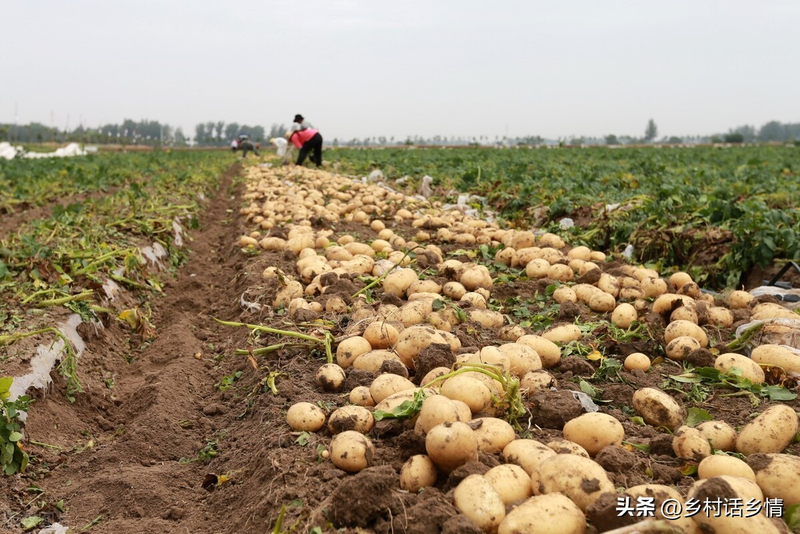
Potatoes, also known as potatoes, are the world's leading food and vegetable crops, and are now in december, with some areas of the south to be grown by january-february and the north by february-april. Although it is easier to grow potatoes, it is also a skill and method, or why do the same varieties have high yields and large sizes? And some have low yields and small heads
In fact, the following experiences and approaches are worthy of reference in order for potatoes to be of high quality in production. These are solid lessons that have been drawn from years of experience。
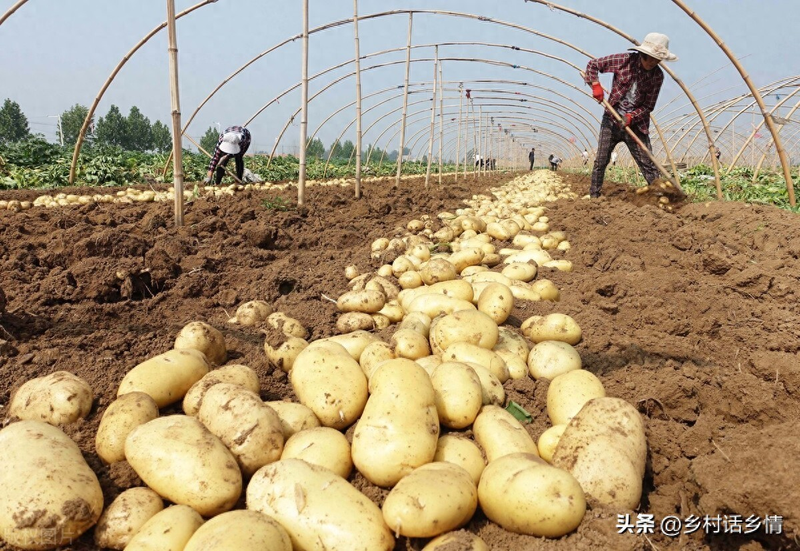
1. Selecting seeds
Good seeds are the primary condition for determining yields, and without good seeds no good yields. The best way to grow potatoes is to opt for detoxification of a generation of seeds. Although many growers prefer to keep their seeds, their own seeds become degraded, less than a year in terms of production and quality. It is therefore recommended that detoxification seeds be replaced every year if planting is for home-grown purposes and cannot be kept for more than three years。
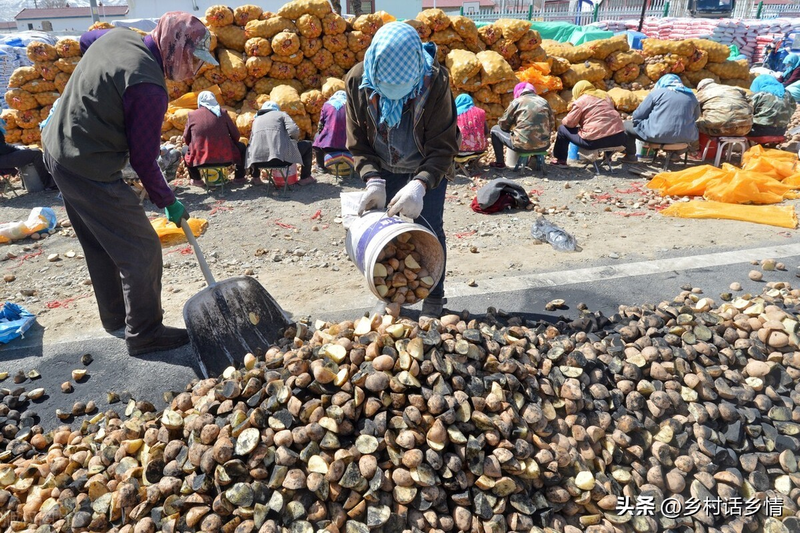
2. Dynamite
The seedling of potatoes has many benefits, from early and long-term growth, and from well-established, easy management, late seeding of non-crawling potatoes, poor seedlings and, at times, short seedlings. The potato sprouts are simple, and there are two ways to plant the whole potato in a bag or in a box, in an environment of around 20 degrees, so that the sun is not tanned, and so long as the sprouts grow. The second method is to cut the seeds first, to find a warm place for the cut potatoes, to lay a layer of sand, to lay a layer of cut potatoes, and then to lay a layer of sand so that they can sow until they sprout. If the potato is small, it can be planted in a cuddle, with only a slight cut of the tail of the potato, and the whole potato can be sowed directly。
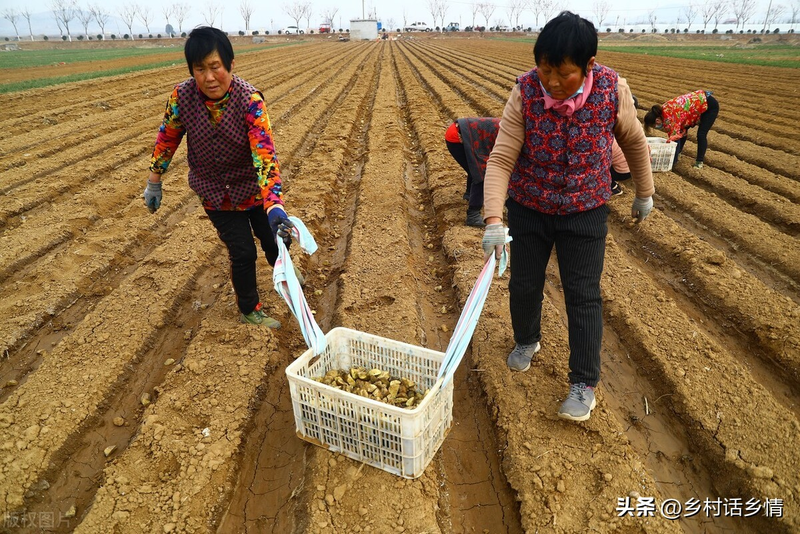
Seeding
When the temperature rises to 7-10 degrees or more in the spring, it can sow, first by opening a ditch at a distance of about 50 cm, at depths depending on the local soil and climate, at depths of about 6-10 cm in the normal potato planting depth, and once the ditch is cleared, if the soil is dry, then organic fattening, grass-wood ash, etc., is distributed in the ditch, then the potato seed is sprouts up into the gutter, at a distance of about 20-30 cm depending on the variety, then the soil is covered with 4-6 cm, not too thick, so thick as to produce the seed, so that it can be quickly released。
Sakaki
When the potato comes out, it usually produces several seedlings, but most growers ignore this link. Why shige? The seedlings are tall and not strong because they don't see them, but they are full of potatoes and small ones. The seedlings grow big, and the potato knots are large and even. The method is to unplug some small seedlings, which, according to soil fertility, preserves one or two big ones. The quality of production is good because of the availability of seedlings, soil fertility is good, and fertility is low by two。
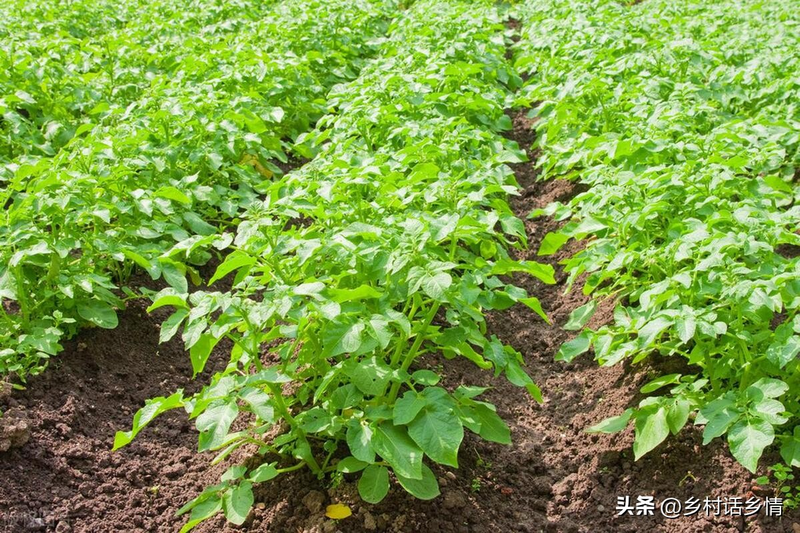
Six, pickle and control
In case of flower buds, they are removed in a timely manner, they are controlled, they are controlled, they are prevented from growing and leading to no-tassking, they can take place at the beginning of the season, they can be sealed, they are not controlled, and they can be sprayed with 100 grams of potassium phosphate directly to 30 pounds of water, or they can add boron fat, which can be both controlled and nourished, with significant productivity gains。
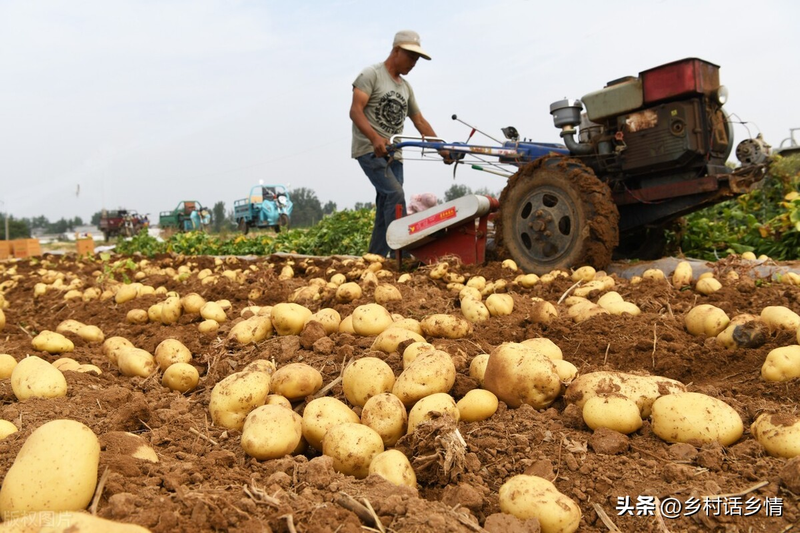
In addition to the above, it is important to manage the fatty water, especially in the potato season, which requires more potassium fattening, which can be combined with soil for the proper amount of potassium fat, and with leaf spray. The water will also be humid in accordance with the dry soil and will remain humid, but will be stopped about a week before the harvest. It's hard to get the potatoes ready if they don't have any。