The particular term “green” is perhaps just a history for young people today, but for those who have experienced it, it represents a vivid memory. “without war and famine, three of the older generations can be described as one of the groups that suffered most from the pain and suffering of the literate young people of the twentieth century”. Following the publication of the previous issues of the text of the book, there was widespread interest among readers. Today, zhang zhang zhang zhang zhang zhang zhengqiang introduced the theme of the history of zhang zhang zhang zhuiqiang movement. You are welcome to leave an interactive message after the article。
I've been thinking about history
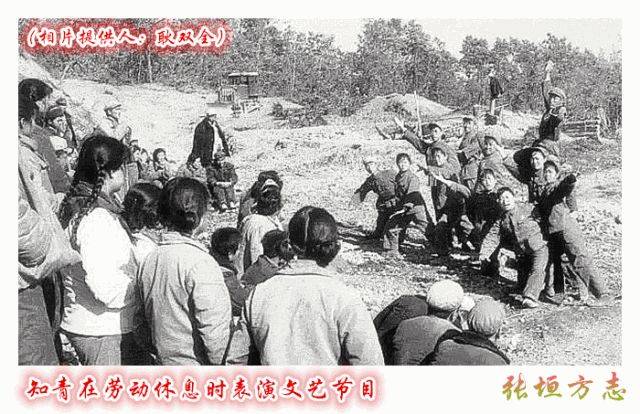
Fifty years have passed since the movement of intellectual youth to the hills and the countryside, but the memories left to this generation are profound and unforgettable. In all knowledge there is a bond of love among a generation。
The tides of the times, when they marched to the countryside, then returned to the city, and the passions of the second home were unforgettable. Whenever the festival is celebrated, there are many known friends and wives who return to the villages where they settled. They came there to look at their fathers and their families for many years, and to look at the house of qingqing with their souls in their hearts, and to look at the trees planted by their hands, and at the water works that have been built to shed their blood, they will not stop their tears from awakening and their hearts will be filled with tears。
Some of them, when they saw that they had stepped up in their homeland and had not yet risen out of poverty, sought ways to introduce financial resources, set up enterprises, develop production, help them out of poverty as soon as possible and contribute to the economic development of their second homeland。
After graduation from secondary school, the knowledge youth of the city of tianjin came to the village of hu's village of the taihe commune in zhangbei county in 1970, where he had a deep emotional relationship with his people and then returned to work at an indignity enterprise in tianjin city. During the earthquake in zhangbei, ma kuo-shu village was visited twice by family members. In 2000, after learning that the zhangbei district council and the county government had taken the decision to develop the western mountains, he had consulted with his brothers and friends to raise $200,000 to return to the villages where they had been inserted in the same year to set up a “corresponding farm”. Farming farms sell sheep at lower prices to provide farmers with technical services to guide their families out of poverty and wealth. He led to the development of five small-tailed, cold-sheep farming specialty villages in the river countryside that year, which quickly grew to over 1,000, increasing farmers ' incomes。
I've been thinking about history
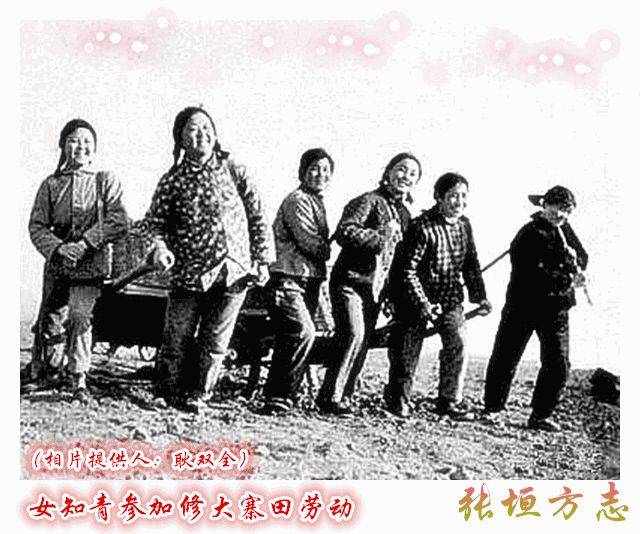
The rise of knowledge youth into the countryside is a special path of history for a generation of young people. On this path, there is precious youth, disillusionment with good ideals and a wave of life confidence, but there is a greater generation of knowledge of youth's hard work and indelible historical performance in difficult and difficult circumstances. The spirit of the era is even greater than the joy of the “lost and reaped” world of thought. History makes history, and history is written in it. In 1998, on the occasion of the 30th anniversary of the knowledge youth campaign to go up and down the mountain, the zhang jiakou community supported by a group of people from all sectors of society, forming the zhang jiaguchi editorial board。
The commission is composed entirely of the current year. Zhang bei qing, then deputy secretary of the city council and deputy mayor of the city, yang guiqian, then deputy mayor of the city, zhang chiu qian, and zheng zheng qianqiang, then deputy director of the zhang jiaguchi district science commission, who at that time served as resource persons. Director of the board of editors: zhang shui (chong, then secretary-general of the municipality), deputy director-general: guang zheng zheng, then head of the department of research of the party of the municipal council. The board of editors is composed of the heads of municipal and municipal departments (in order of family name): he is also the chief executive officer of zhangxiang city, the chief executive officer of zhangxiang city, the deputy chief executive officer of zhangxiang city, the chief executive officer of zhongzhou, the chief executive officer of zhongzhou, the chief executive officer of zhongxiang county, the chief executive officer of zhang zhengzhou, the chief executive officer of zhangxiang county, the chief executive officer of zhangxiang city, the chief executive officer of zhangxiang city, the chief executive officer of zhangxiang city, the chief executive officer of zhengxiang city, the chief executive officer of zhengxiang city, the chief executive officer of zhong zhengzhou city, the chief executive officer of zhong zhengzhou city, and the chief executive officer of zhong zhengxiang city, the chief executive officer of zhong zhengxiang city, the chief executive officer of zhong zhengxiang city, and the chief executive officer of zhong zhong qing city, the chief executive officer of zhong these comrades provided a wide range of assistance and support for the publication of the year。
I've been thinking about history
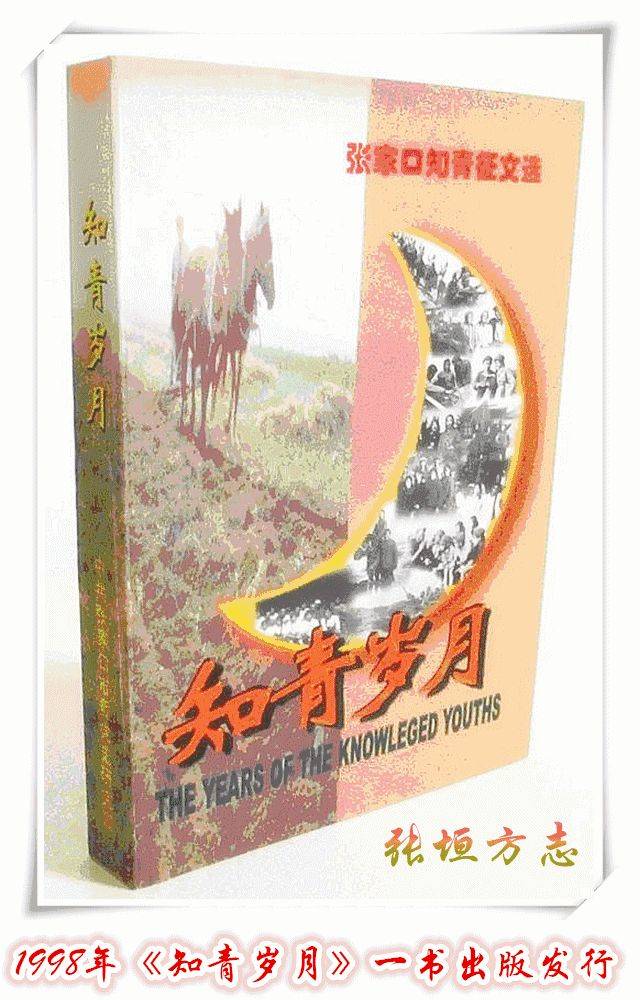
Since the beginning of april 1998, the editorial committee has been conducting “chang jiakou”, beijing, tianjin, etc. The post was published in the zhang jiaguchi daily newspaper, the zhang jiaguchi evening newspaper, the beijing evening newspaper and the tianjin evening newspaper. In particular, the year was one of special welcome and warm responses to the essays. “to write, to remember, to write, to write,” became a feature of the essay。
In an unforgettable period of common taste with those who knew and shared it, the zhang jiaguchi evening news launched a column in june 1998 in which it selected the zhang jia zhiqing message and published 74 articles. At that time, the evening newspapers that published the papers were contested for circulation and became the subject of much discussion at the time. People from all walks of life also read carefully and resonated strongly. A number of people also maintain each edition of the “dictionary of knowledge” as historical material. The board received over 150 articles from zhang jiaguchi, beijing and tianjin. On the basis of a common demand from the general public and from all sectors of society, the editor-in-chief of the department of history of the municipal council has set up an editorial department to produce a collection of these essays and old photographs sent by qing, and to publish the book " year of knowledge " . The book contains 140 articles, poems and a true record of the special situation of the special group of knowledgeable youth (in the countryside and down the hills) that took place during the special years of the “culture revolution” when it was written in 140 words and poetry。
When i wrote the book, i saw a large number of contributions from different places and different jobs, but all of them shared a common feature, namely, a calm reflection on the history of the hill and the countryside, telling the moving stories of the country and the marginal pastures and working life. These include the bitter past of life and suffering, as well as the joy of living in hilly farmhouses, where “young people want nothing”. And many of them said, “i remember forever for my youthful years. That time has shaped me now, and it has affected my future, and it has given me life. Although we left our youth behind in that black land, which delayed access to school classrooms to learn cultural knowledge, we lived with the largest number of chinese farmers in the larger classes of society, working together, sharpening a strong will not to suffer and not to be afraid.”
I've been thinking about history
Time is gone, years are gone. The collection of over 100 books and collections of old photographs of the collections of icys will leave a message to history and be a reflection of the times, which will certainly be a valuable resource for a comprehensive understanding of the social landscape of the era, helping later generations to study and evaluate that history in a calm and objective manner and to gain insight into the real life and historical role of the special groups of the age of icys. “memory”, a feature of the essay。
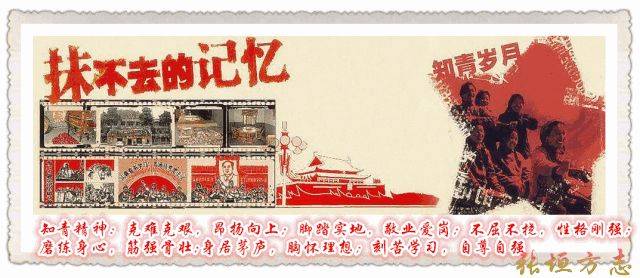
By history, they inspired the later. A history of knowledge is a precious spiritual asset for future generations. What's the spirit? I think it is this generation that, at a young age, leaves familiar urban life, goes up and down the hill and forms a distinctive spirit in difficult and difficult lives and labour: “difficult, moving up; standing on the ground, being devoted to love; indomitable, strong in character; physical, mental, strong in strength; in the hiatus, with ideals; hard to learn and self-esteem”。
On the occasion of the 50th anniversary of the qingqing movement, the special history of qing, the analysis and exploration of this particular historical phenomenon, the reflection of its experiences and lessons, and the development of a relatively complete scientific understanding should be of benefit to the in-depth study of the modern history of china. (concluded)
(this document is based on the zhang jiaguchi city journal of major events of zhang jiaguchi region, the zhang jiaguchi district register, the zhangbei district register, the zhang jiu jiu jiu jiu jiu, the zhao jiaguchi district register, the zhang jiaguchi city office summary of work and the city archives
(subauthor: vice-president, zhang jiaguchi cultural and historical research society)