On january 19th, sino-sino-sino-sino-sino-sino-sino-sino-sino-sino-sino-sino-sino-sino-sino-sino-sino-sino-sino-sino-sino-sino-sino-sino-sino-sino-sino-sino-sino-sino-sino-sino-sino-sino-sino-sino-sino-sino-sino-sino-sino-sino-sino-sino-sino-sino-sino-sino-sino-sino-sino-sino-sino-sino-sino-sino-sino-sino-sino-sino-sino-sino-sino-sino-sino-sino-sino-sino-sino-sino-sino-sino-sino-sino-sino-sino-sino-sino-sino-sino-sino-sino-sino-sino unlike most vineyards, which are cold-covered, nearly 500 acres of vines in parts of the production area are standing up, with thin ice covered by the branches remaining strong, which is the practical effect of the recent attempts at cold-resistant plant cultivation and technological innovation in horan shan。
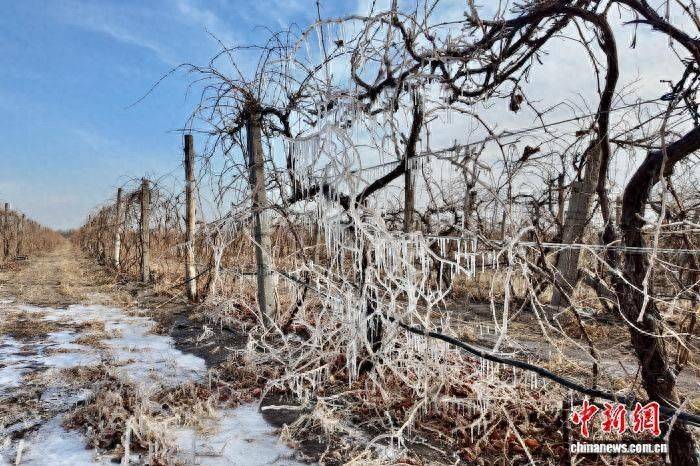
The cold vines are protected from the winter, and the ice on the branches forms a different winter landscape. I'll show you how it works
The winter burial against cold is a routine practice for many years in ningxia, which requires not only a significant investment of human and material resources, but also, to some extent, limits the expansion of cultivation. In order to address this problem, the ningxia wine industry-related practitioners, in cooperation with scientific institutions, have introduced cold-resistant grape varieties such as the “north red” “north pelican”, developed by the plant research institute of the chinese academy of sciences. These varieties are resistant to temperatures of around 30°c below zero, and can survive the winter without burial。
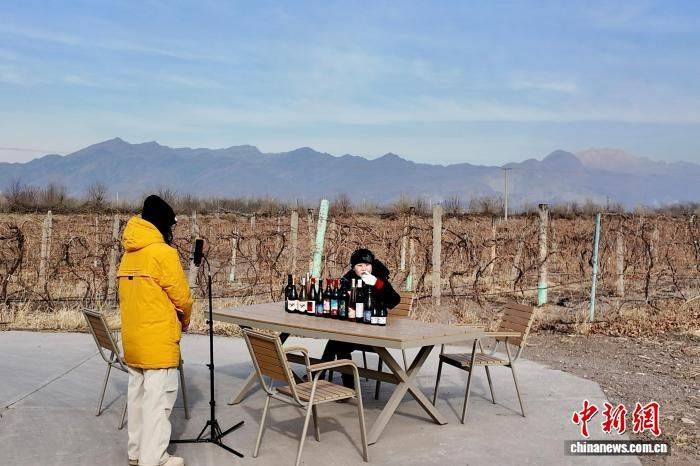
The main broadcast, which goes into the wine-breeding sites, is live and presents a real-time view of the unique ice of the vines in winter to the netizens. I'll show you how it works
Moreover, while testing cold-resistant varieties, the herang shan east wine production area has gradually developed techniques for the cultivation of indigenous windfields, and some of the associated processes have been patented by the state. These cold-resistant varieties, which are nourished by local acreage soil, not only do not need to be buried to survive the winter, but also have longer natural and long-term conditions conducive to the full accumulation of fragrance. Since 2023, the production of dry white, dry red and red wines from these varieties has been on the market and has won a number of consumer approvals thanks to a clear taste of fruit and balance。
At present, the eastern province of horan shan has established a certain size of an anti-cold grape plantation, and some of the old vines have been identified as natural and rich. This pattern of cultivation, which is based on indigenous wind and land characteristics and combines scientific research, provides new ideas for the development of productive areas. The introduction of cold-resistant varieties and the exploration of planting techniques are a useful attempt to solve the local planting challenges for the wine-producing areas of horan shan. It both reduces part of the cost of production chains and supports the diversification of products in the production areas, and builds practical experience in the practical development of china's wine-producing areas in their home countries. (concluded)