In 2021, the price of pigs fell sharply from a high profit to a loss, although the price of pigs remained in the range of $7. 5 to $8 in previous years, and the key to the loss of the same price was the current cost of pig farming, especially forage, which, if we can control the cost of feed, has the promise of a profit period, and the more effective way of controlling the cost of feed is to find alternatives to high-priced raw materials. High-quality pastures also contain high nutrients, such as coarse protein and fat, which, if used by the choice of good pastures, will save money for feed。
I. Overview of ground
In recent years, domestic pasture cultivation has grown rapidly and a number of high-quality pastures have been found suitable for cultivation in the country. More common are russian fodder, ryegrass, sand-blowing, sweet grass, grass, mackerel grass, etc., which is the main plant in the grass。
The origin of giant grass is in north africa and was introduced into the country in 1983 by the chief scientific community of the national centre for research on grass engineering and technology, the inventor of this technology, zim zeng, and later, after more than 20 years of cultivation, it became possible to have giant grass, which is now suitable for the country's climatic soil conditions, and the name “megagrass” was named by rin zim zim。
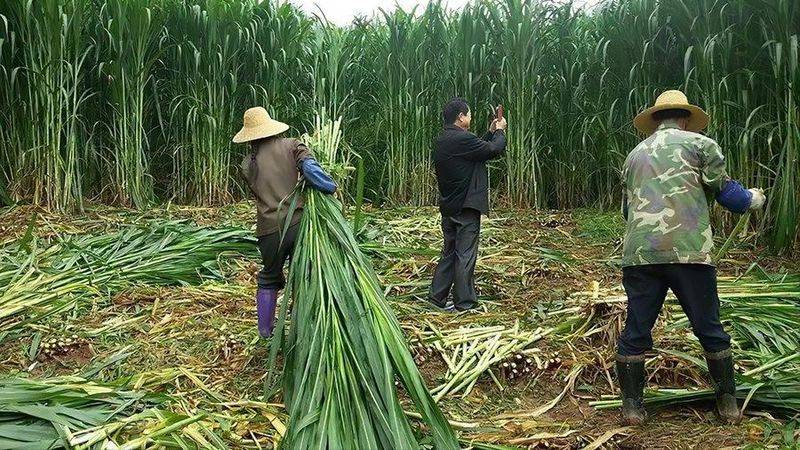
As one of the country's high-quality pastures, giant grass has several obvious advantages:
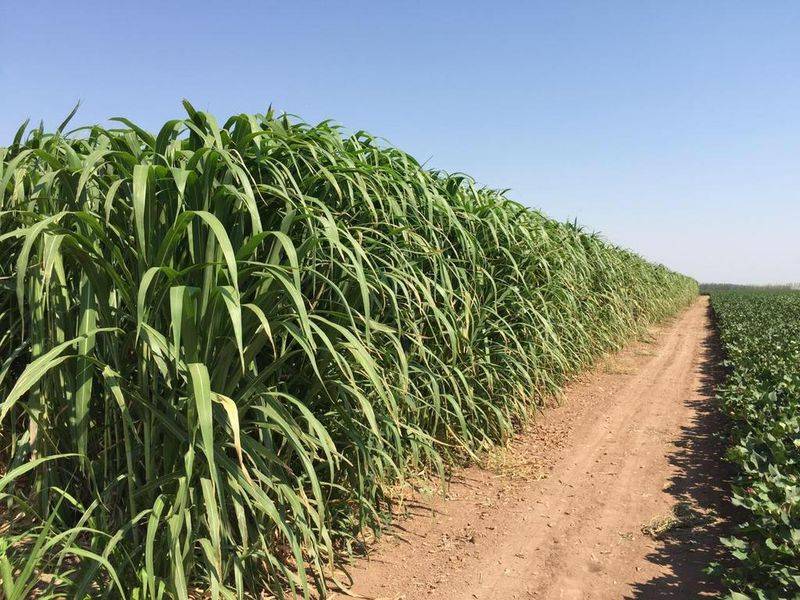
High yields of cobweb grass were recorded in the rufa district of papua new guinea in march 2001, with a high of 7. 08 metres and a weight of 3. 25 kg, with a yield of 521. 6 tons per hectare. In our country, energy is generally high up to 0. 6-1. 3 metres, with a thick tuber up to 3. 5 centimetres, with a stairwell of 9-15 centimetres and a breech in each section。
Macrograss is extremely powerful, with 15 effective centipedes per plant, which take about 60 days from planting to the first harvest, and can then be harvested every 30 days or so, almost 5-8 times a year, and normally an acre of grass can produce 20 tons of fresh grass a year, with 30 tons of fresh grass if the water is abundant。
Magnificent grass can also be harvested for 15 years, and even 20 years in better water fertilization conditions。
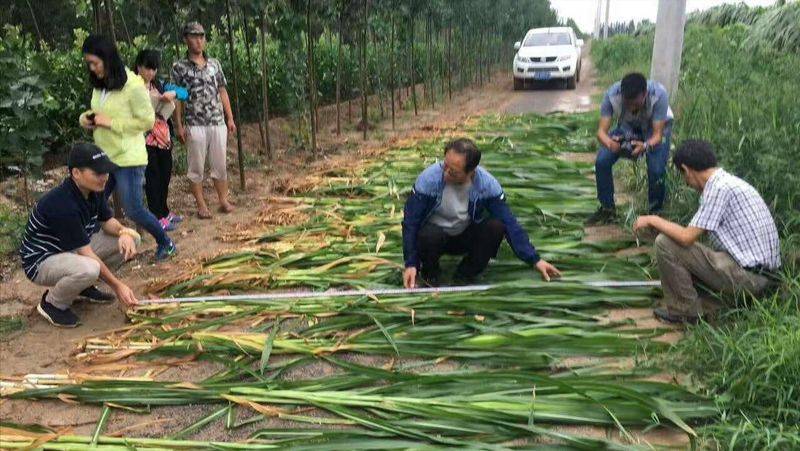
2. High nutrient content of cognac grass, with up to 76. 9 per cent moisture content, 11. 2 per cent coarse protein in dry matter, 25. 6 per cent coarse fibre, 1. 7 per cent fat and 13. 6 per cent grey。
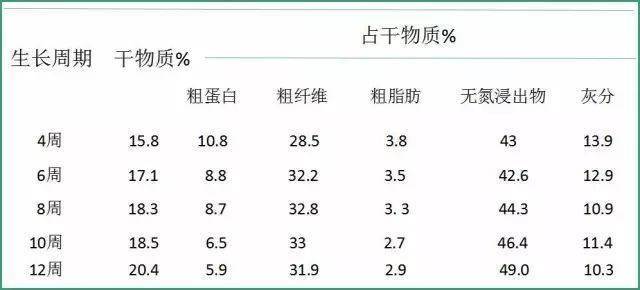
According to statistics, one acre of coarse protein is 10 times greater than a acre of maize. One acre of giant grass produces 5. 7 tons of weed, of which 11. 2 per cent is coarse protein, i. E., 620 kg of coarse protein in the 5. 7 tons, while the production of a acre of maize is approximately 1,400 kg, of which only 59. 5 kg is coarse protein, so it is entirely feasible to replace some of the feed raw materials with cog grass。
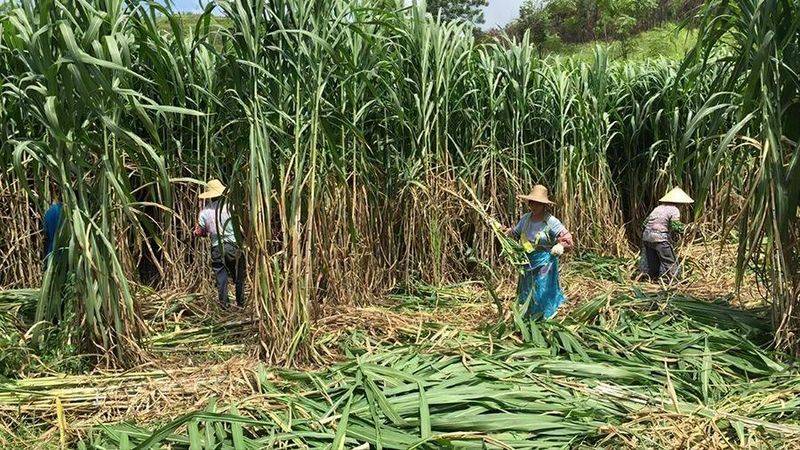
3. Megagrass is highly resistant, and it can be grown artificially in the tropics, subtropicals and temperate zones and is resistant to short-term droughts, but is not resistant to flooding because of its roots. Although its origin is africa, its improved ability to resist cold has increased significantly, covering the membranes and even resists temperatures of 10°c below, although the best growth temperature for cosmophiles is 25 - 35°c。
Ii. Cultivation of giant grass
Macrograss cultivation takes place at an average temperature of more than 12°c, and is based on the choice of deep earth, with a more abundant water source, which can be grown in mountains with a width of 80 cm, 20 cm deep, 50 cm wide and a slope of more than 25°, or on slopes or banks of less than 25°. Because it is primarily promoting the growth of its truncheons, nitrogen fertilization is repeated, urea is recovered after each harvest, and water is poured in the pursuit of fat to promote the rapid growth of giant grasses。
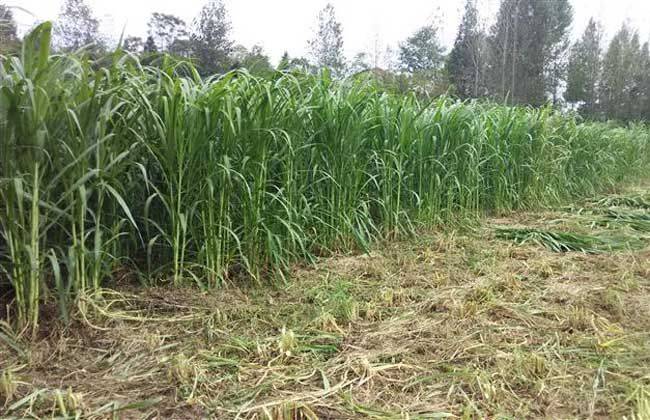
In the case of large animals, such as cattle-fed horses, harvesting is recommended up to 1. 2 metres, and in the case of small animals, such as pigs and sheep, harvesting is recommended up to 0. 8 metres。
Iii. Economic value of giant grasses
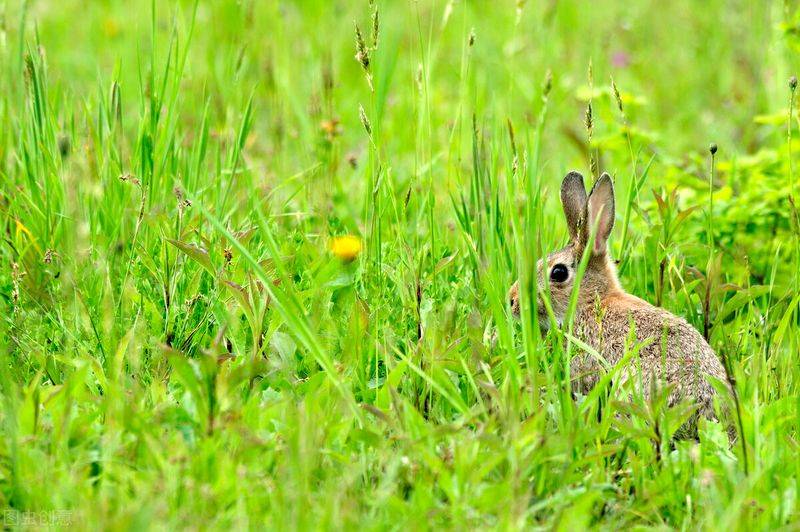
The high yield of cobwebs and the high levels of coarse protein and fat in dry matter are good-quality pastures, which are of great use for pigs, cattle, geese, sheep, rabbits and grassfish. Herbivores such as cattle, sheep and rabbits can be fed directly after harvesting, while pig farming with cobblegras requires simple processing, with two specific methods:
One is fresh grass feeding, which can be harvested and fed directly to pigs when they grow to 60-80 cm, because at this time the cobs are low, juicy and succulent and tasteful, and pigs like it. It can also be used to turn fresh grass into grass, which can be fed directly to feed, with a replacement feed ratio of 10-20 per cent, with some reduction in feed costs. This method is simple and more suitable for a pig farm of a certain size。
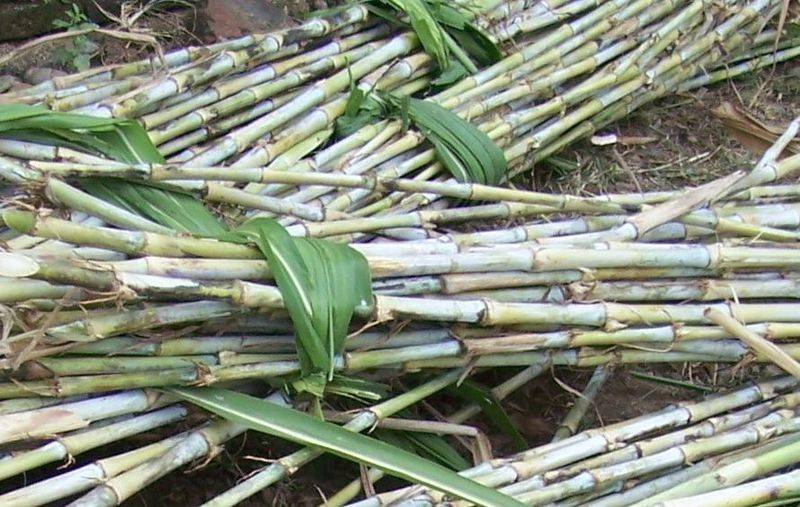
The other is grass-grass feeding, which can be mixed with 1000-1200 pounds of coli and 80 pounds of corn, and then mixed with fermentants, with appropriate water to ensure that the mixture can squeeze out of water without dispersing it, and then fermentes the mixture for 7-14 days in the fermenting pool, which can be used to feed the pig when the acid smell is thicker. They can be fed at a scale of 1:1 for the same sperm, and can be grown at essentially the rate of full utilization. This method is more complex and suitable for small-scale pig farms or family farms。
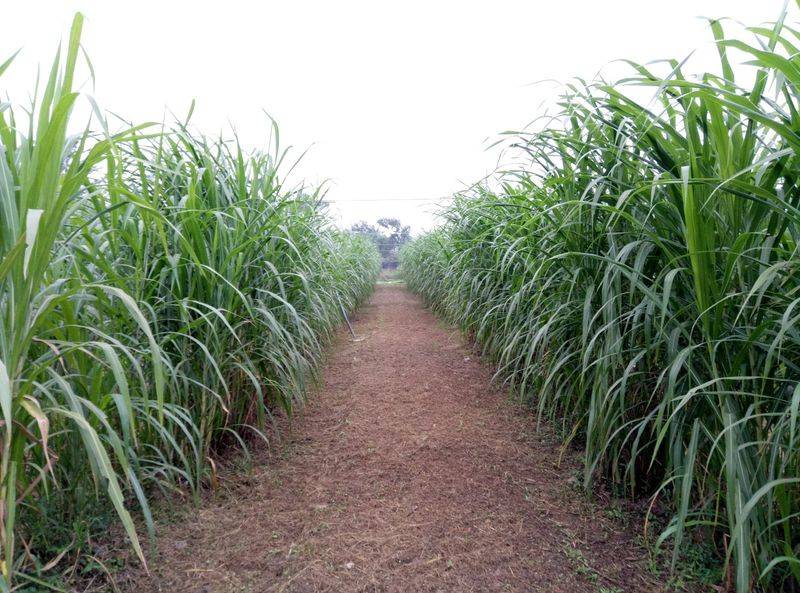
Megagrass can be used not only as feed, but also as a breeding ground for edible and medicinal bacteria such as mushrooms and rhesus, as well as for soil and water conservation by the development of its roots, and its mature rods, although not as feed, can be used in industry to generate biomass, process fibreboards and manufacture fuel ethanol。