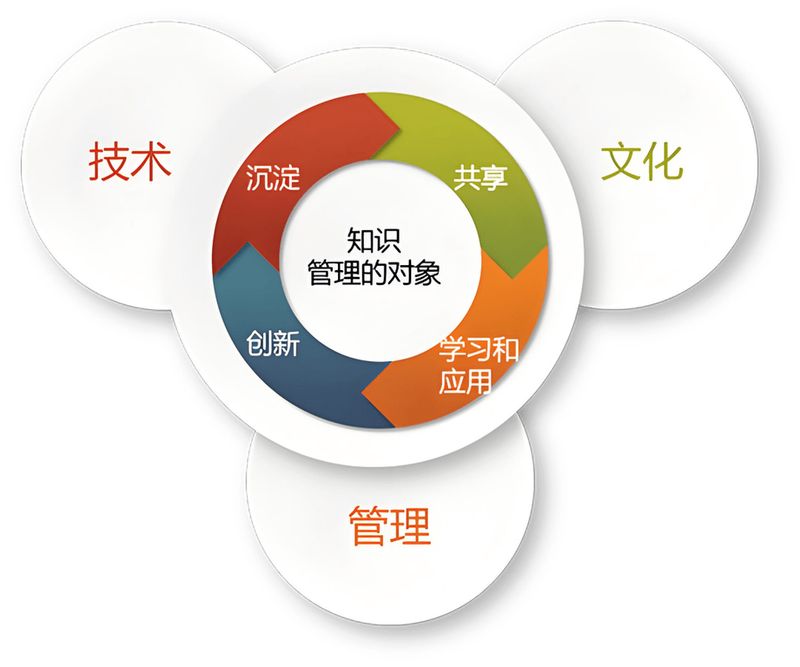
The financial systems within the enterprise, such as the balance sheet, profit statement, cash flow statement, are the core。
The analysis is also based on financial indicators such as:
If you want to create a financial analysis report quickly, you can use the finebi, a financial analysis tool, which can be used to produce a rich visualized chart, dynamically interactive, with clear financial indicators, and even deeper analysis, such as data drilling, which can be shared with permanent activation codes, which can be experienced by copying to the browser:
Https://s. Fanruan. Com/54daq
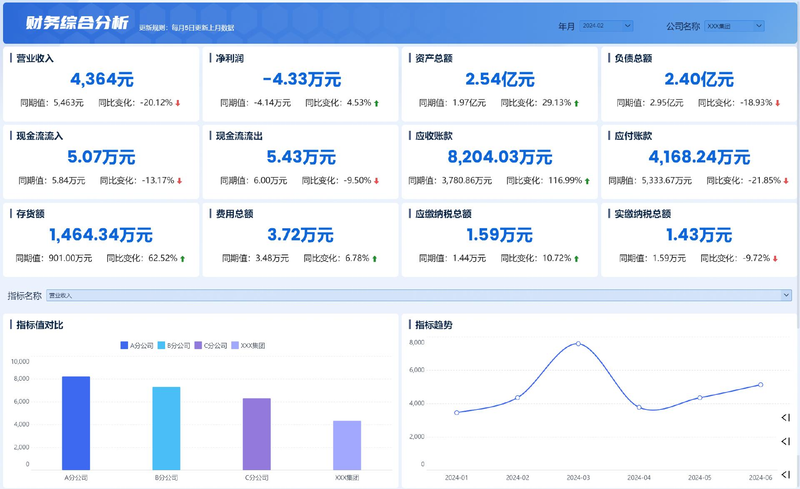
For example:
The change in the number of days of the accounts receivable from 35 to 45 means that the company has less cash available at any time and that the flow of funds has not been smooth。
The number of days in which the accounts receivable were written:
The higher the number of days that an enterprise takes from selling goods, providing services to recovering money, means the slower the return of funds。
2. Business analysis
It cannot focus solely on internal financial data; it must combine internal and external information。
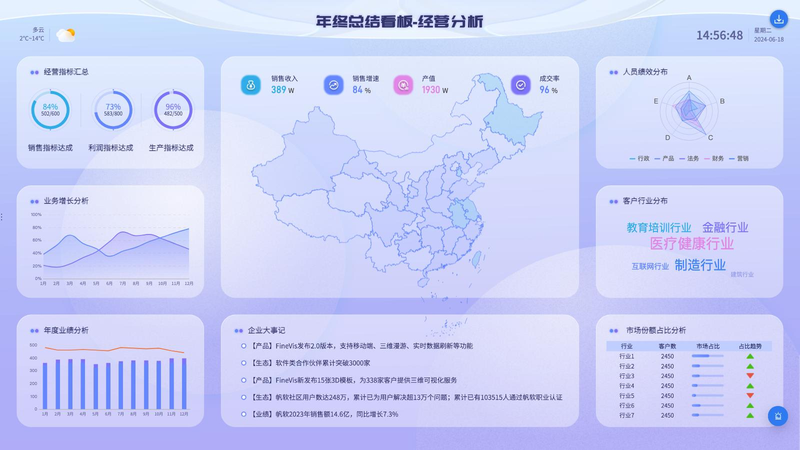
In addition to the financial statements:
These need to be included in the analysis。
For example:
The client satisfaction survey shows that we have a big problem with too slow delivery, coupled with slower recovery of receivables, and that the speed of response in the supply chain needs to be brought up quickly, and that client credit policies need to be changed in order to be fully informed。
Time dimension: one looking to the past, one looking to the future
Different data sources determine their focus on the time dimension of the problem, which also helps us to distinguish them better。
1. Financial analysis
More attention to the past and now, it needs:
To sum up what has happened, see what has been achieved in the past and what problems exist。
For example:
In the second quarter, sales in east china fell short of expectations and were 8 per cent lower than budgeted。
This is where the financial analysis is already taking place in the reset。
2. Business analysis
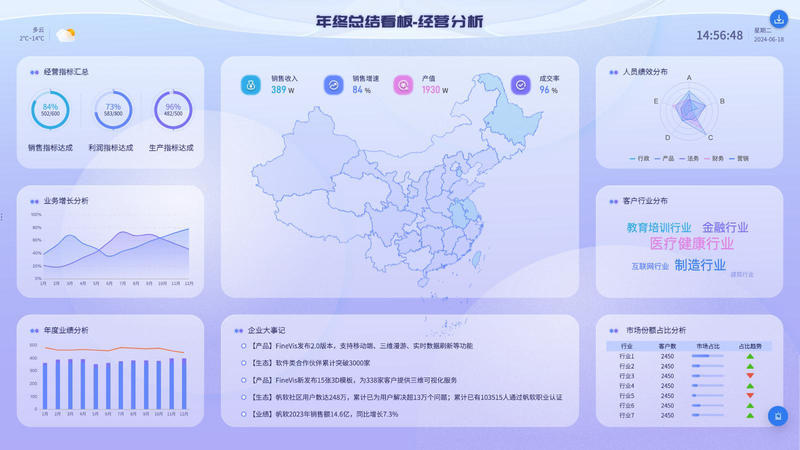
Looking to the future, it needs:
On the basis of past data, speculate on future trends, see what risks and opportunities may be and then advise on subsequent actions。
For example:
East china's bad sales are the result of new products coming out of competition, which has hit us。
Make recommendations:
Now, let's put out new products that are suitable for local markets, and strengthen the terminal promotion so that we can recover an estimated 5% of the market share in the third quarter。
This is business analysis planning for the future。
Iv. Clients: one compliance and one support decision-making
Since there is a focus on the time dimension, they certainly serve different audiences, which directly affects the focus of both。
1. Financial analysis
It is mainly for the financial sector's own work, while also meeting the requirements for internal controls and compliance。
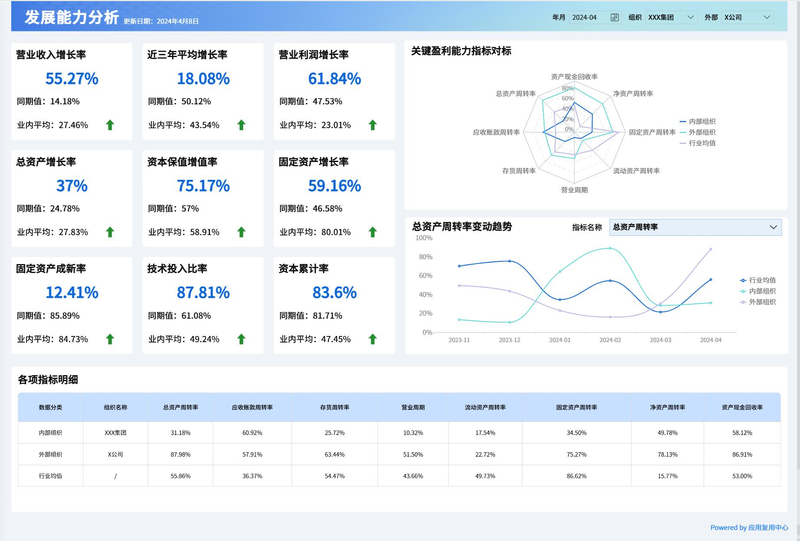
It values more:
For example:
The cost analysis found that manufacturing costs were excessive, that it was necessary to look into what was not necessary and that the approval process was more stringent。
2. Business analysis
The core is strategic and tactical decision-making for management and operations。
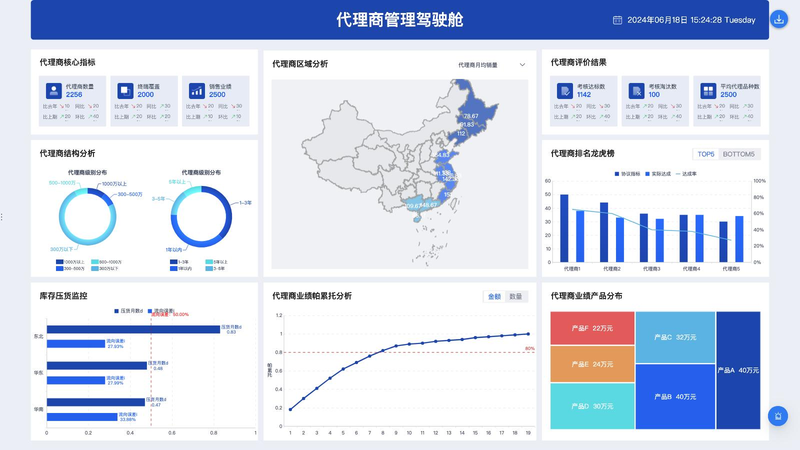
The objectives are:
Promoting business growth, making resources more rational and improving the competitiveness of enterprises。
For example:
By analysing marginal contributions of products:
The marginal contribution here is:
Sales revenue minus the balance of variable costs reflects the ability of the product to contribute to the enterprise's profitability, as does the "basic profit" that each product earns for the enterprise。
V. Value expression: one question-seeking, one solution
It is also an important distinction between the different objects of service and the values that eventually emerge。
1. Financial analysis
Core values are precisely identifying problems。
For example:
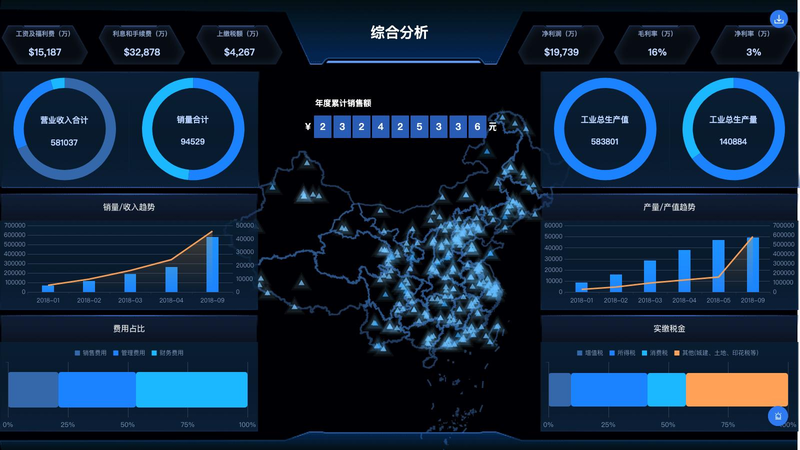
The formula for the māori rate is: māori rate = (business income - business cost) / business income x 100 per cent, which reflects the profitability of an enterprise's products or services。
And that's what it's all about。
2. Business analysis
Business analysis is different, and its value is to be effective in solving problems。
Or is there a decline in the māori rate
It is assumed that higher prices for core raw materials lead to higher operating costs, while lower product conversion rates leave operating income behind。
Then we can propose solutions:
Signing a lock-in contract with the supplier to optimize the product mix and sell some more high-māori products with a 2 per cent recovery in the next quarter。
So:
It's got to form an "analyze -- find the problem -- make the decisions -- take action -- see the results feedback" in a complete closed loop, one by one。
How can a financial person be transformed to be more valuable
If a financer wants to move from a mere financial analysis to a value creator capable of doing business analysis, he has to do this:
Out of the treasury department, into business
Don't keep looking at the statements in the treasury
You know:
It's like slow-moving stocks. Don't just say, "close stocks."
There is a backlog of products that cannot be sold, which are always short of goods, and how seasonal changes affect stocks。
It's often because we're too far away from business to come up with useful advice, don't you think
Linking financial and operational data
Links between financial data and operational causes need to be established。
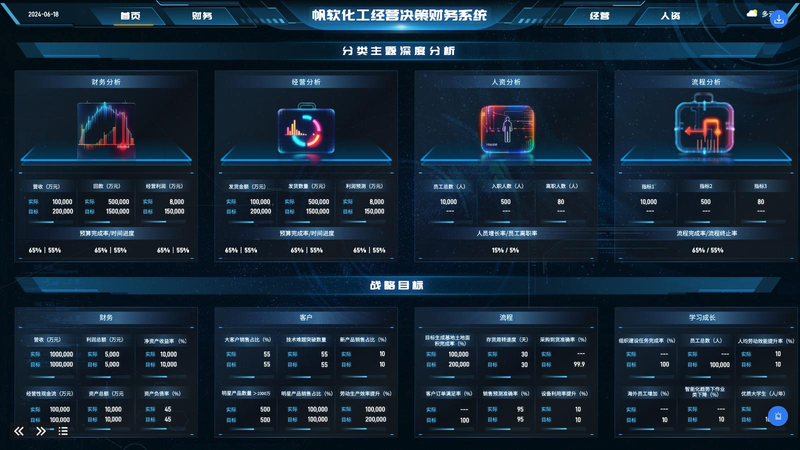
Financial data are results and business drivers are processes that need to be seen together。
For example:
Advertising costs are high, but revenue is not much higher。
At this point, we can't just look at the proportion of advertising fees
To get through the data that are dropped on the platform, calculate the channel conversion rate, look at the user image of each channel, click costs, etc., so that the problem can really be found。
3. Presentation of analytical reports on programmes
Don't write that data-only report. It's useless。
It is necessary to:
Each report, each page of the ppt, must have a core conclusion, accompanied by actionable recommendations. In case of an emergency, the following are added:
4. Financial in business terms
Not to mention the specialized terminology, most of the people in the business sector do not understand and have to speak easily。
For example:
This purchase saved money enough to open two new shops, which is a real profit。
That makes it clear to everyone。
Finally, a copy of the business analysis solution, which includes a plan-implementation-inspection-action landing process, a classic business case, scenario solutions, a three-tiered fine-tuning business management approach for managers, practitioners and decision makers, etc. Self-required:
Https://s. Fanruan. Com/j86fo (copy to browser open)
Concluding remarks
It is also important that financial analysis, which accurately reflects the business's performance, drive the business forward and make it more profitable。
However, a truly powerful financier who is able to account for and understand business can turn figures into useful information for business。
So that's where we're going, from financial analysis to business analysis, where data really helps make decisions, don't you think