People who grow watermelons want to be marketed early, sell them at a good price, and produce more, and they eat them sweetly and they have a soft taste. Today, the lessons learned from these years in the field are collated, ranging from seeding to whole branches and fertilization, and the whole process is clear。
Fowler one: the variety is right
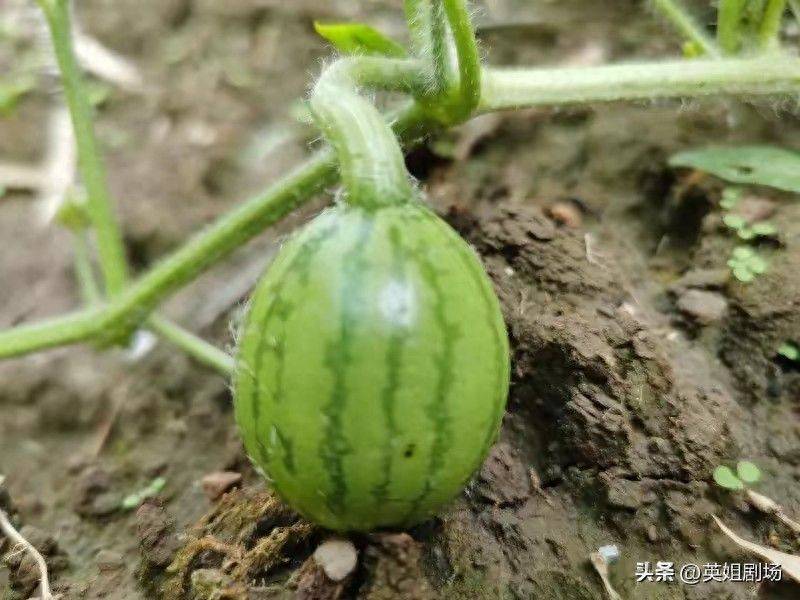
It's important to choose the species if you want the watermelon to mature early. We have early spring sprouts, little sugar pills, phoenix and kyosoo in this place, which range from planting to harvesting for 60 to 75 days, which is half a month in the morning compared to the average large watermelon. These watermelons are thin, they're brittle, they're stable。
Pay particular attention to the need to buy new seeds produced during the year! The new seeds are fertilized and well grown, and at a later stage they do not need to be replaced, which is the basis for early ripening of watermelons。
Fungbao ii: growing up early and fighting disease
The birth time is determined by your planting facility:
- house cultivation: december to february
- small archer: mid-february
- divine membrane: early march
In four steps:
1. Drumbs: seeds are blistered with hot water for four to six hours, recovered with wet towels, and sprung at 28 - 32°c. When you see the seed coming out of the ground, you can plant it right away。
2. Cultivation: 50 per cent of the cavity plate with watermelon-specific seedling soil. One seed is planted in each of the caves, covered with 0. 5-1 cm thick seeding soil and watered。
Temperature control: the temperature is maintained at 25-30°c before seeding; the temperature is reduced in a timely manner after seeding, at 22-28°c during the day and 15-18°c at night, to avoid the growth and height of the seedling。
4. Precipient seedlings: the most suitable plant is a 30-35-day plant with three leaves and one heart. Potassium phosphate is sprayed once during seeding, and the seedling grows thick and blooms early。
Master three: pick the land and feed the bottom
Selection: high-lying, well-drained sandy soil. The most important point is that watermelons, melons and cucumbers, which have not been cultivated in three years, are the best in the land and are growing in the same land, with watermelons prone to atrophy. It is impossible to avoid the continuous planting of melons, so they use pumpkin seedlings as pegs to feed watermelons。
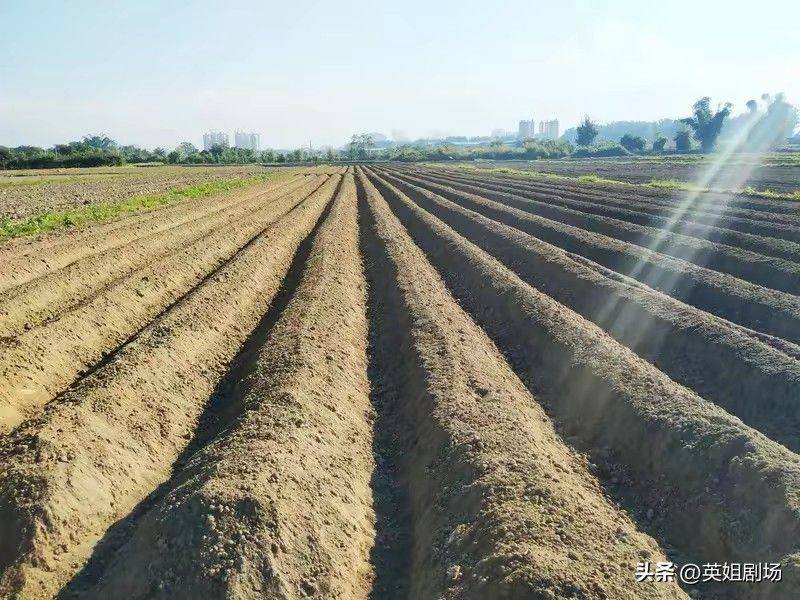
Land-to-land: 10-15 days prior to planting, the land was stretched to 30 centimetres, making it high and low on both sides. 畦 1. 2-1. 5 m wide and 20-30 cm deep in ditches. So the rain doesn't accumulate water and the watermelon doesn't rot。
Bottom fertilization (this is the basis for high yields):
- 1,500-2000 kg of fermented farm weight per acre, plus 30-50 kg of triple compound fermentation。
- i've found a practical way to do it in the last few years: it's gonna work really well in the bottom. The growers used “lancrystals for silicosis”, and one acre of land was used. In previous years, the saplings on the south side were always smaller than those on the north side, and this year the saplings on the south were stronger, with their roots growing and growing. Silicon fertilizers can keep the tubers and leaves straight, reduce each other's exposure to sunlight, and make the leaves more capable of producing nutrients. They can also make the surface cells hard, like a layer of protection, and reduce the occurrence of frosting, white powder and aphids. Experimental data show that watermelons with silicon fertilizer can produce 10-25 per cent more, have a good shape, good colour and higher sugar, and are suitable for long storage and transport。
Fung po4: field management, round and round
1. Temperature management (growing)
- shrimp period: closing the shed to keep temperature, 28 - 32°c during the day, 18 - 20°c at night to help the seedling adapt quickly to the new environment
- roast stretch: 25-30°c during the day, 15-18°c at night, to avoid growing too fast
- flowering season: 28-32°c during the day, 20°c at night, guaranteed pollination
Remember: every morning, the roof is open for ventilation to reduce humidity, it's too wet and watermelons are vulnerable to disease。
2. Entire assault
- crawl cultivation: keeping the main chicken and two strong chickens
- roasting: single or double
Point: pick a sunday morning to trim the chickens, and the wounds are dried quickly and are not easily infected by the disease。
3. Artificial pollination (keys of cedars)
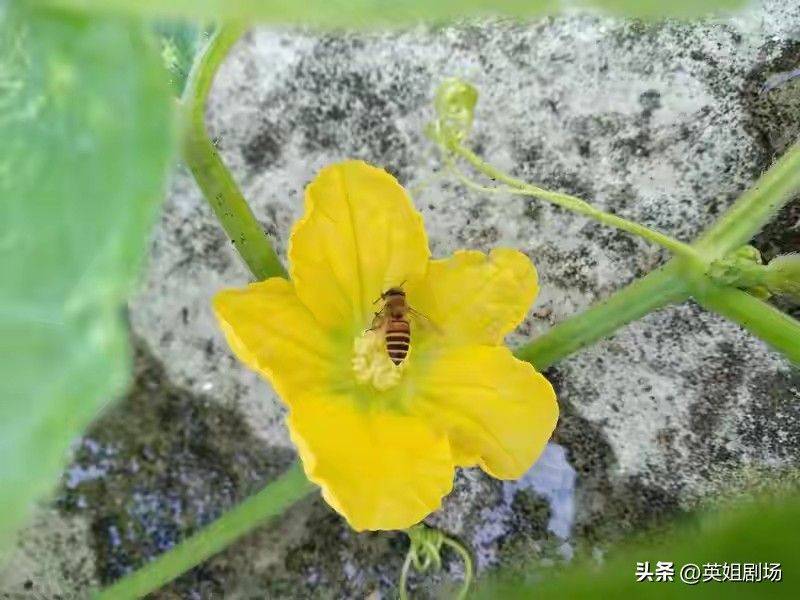
The best time for pollination is from 8 to 10 a. M. Pick a male, and turn the petals back, and rub them gently on the female. One male can pollinate two to three females。
- leave melon position: priority is given to the two-and-three-precious female cortex
- take it off: a melon near the root and an abnormally shaped melon
4. Fertilizer management (prior importance of watermelon expansion)
When the watermelon grows into a ping-pong ball and the egg size, it enters an expansion period, which is the most critical period for water fertilization:
- 10-15 kg of potassium compound fat per acre, fertilized 25 cm from the root and then watered up
- water again, seven to ten days
- 0. 2% potassium phosphate plus 0. 1% boron on the leaf surface, twice, increasing sweetness and reducing watermelon fragmentation
The last one must be observed: stop watering 7-10 days before harvest! The more water you water, the less sweet. Control of moisture allows sugar to accumulate, and sweeter, more difficult to store and transport。
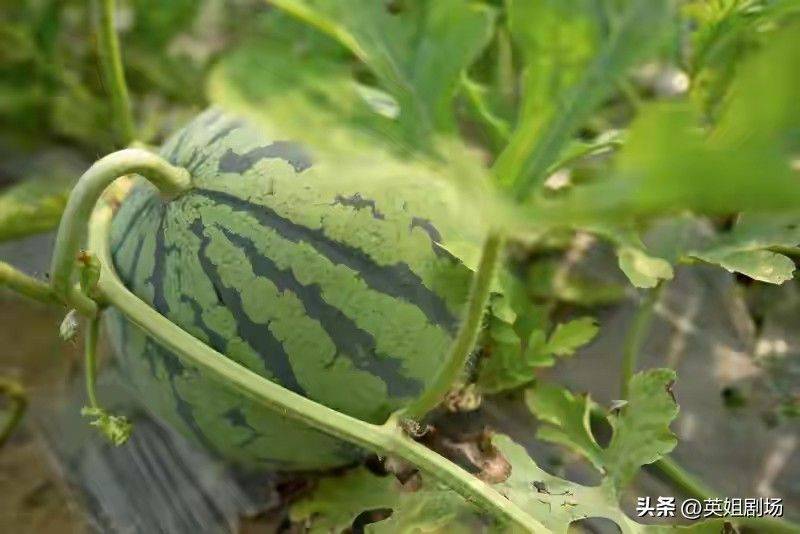
To sum up, the selection of new seeds for the year, the cultivation of strong seedlings, the application of bottom fertilizers (recognizing silicate), the management of moisture temperature and the fowl, and the completion of these four steps, will produce high-quality watermelon in the morning。