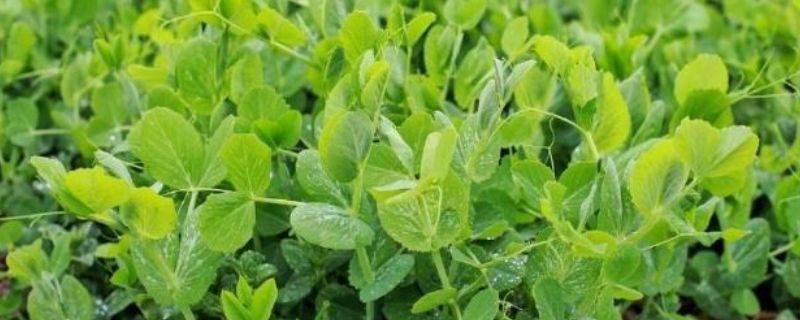
Selection: the selection of pea varieties suitable for the production of peat-pointed seeds for the production of pea-point seeds is based on the choice of skin thickness, particle size and smooth surface。
(b) land rehabilitation: the choice of irrigation-friendly, medium-fertilized land for cultivation, prior to planting, needs to be completed and applied to base fertilizer。
Cultivation: in order to grow at reasonable density, weeds can be grown with chemical herbicides before they are produced, fertilizer is based on nitrogen fertilizer, the pursuit of human urine is prohibited, and in the spring water cans are drained。
I. Selection
1. The selection of pea varieties suitable for the production of peas, such as small peas, green peas, etc。
Seeds for the production of peat tipping require thicker skins, large particle circles, smooth surfaces, high gerbility, purity, purity, disease resistance and production。
Ii. The whole area
1. Choose irrigation-friendly, medium-fertilized land cultivation, pre-planted with floor and bottom fertilization。
2. Acre application of organic fertilizers such as slag, 1000-1500 kg, additional application of calcium phosphate, 20-25 kg, potassium sulphate, 8-10 kg or grasswood ash, 50-60 kg, and approximately 15 kg of water manure。
Cultivation
1. Cultivation at reasonable density, followed by watering, fertilization, weeding, etc., according to the growth of peas。
2. Cultivation with a distance of 30 to 40 centimetres and a distance of 20 to 25 centimetres, with a density of 3-5 grains per nest, followed by a hysteria of 2 to 3 centimetres thick。
3. Weeds are abundant in areas where chemical herbicides can be applied prior to seeding and soil closure can be used。
4 the main focus of fatting is nitrogen fertilizer, usually 5 kg of urea per acre per harvest and proper potassium fertilizer to increase resistance to strains. The pursuit of human urine is prohibited。
5. After the spring temperature has recovered and the plant has begun to grow, the species of high-differences are placed in rows with bamboo and branch branches (leaf leaves) so that the bean can climb. Peas are impenetrable, and in the spring, you have to be careful to drain the ditch。