By the spring tillage season, rice farmers are prepared to choose their crops, while the diversity of rice is such that new varieties will gradually replace old ones as household varieties. According to the agricultural proverb, “the annual selection of seeds, with high yields,” “three years of non-selection, and the failure to increase production”, “three years of non-selection, but not change”, emphasizes the importance of selecting crops。
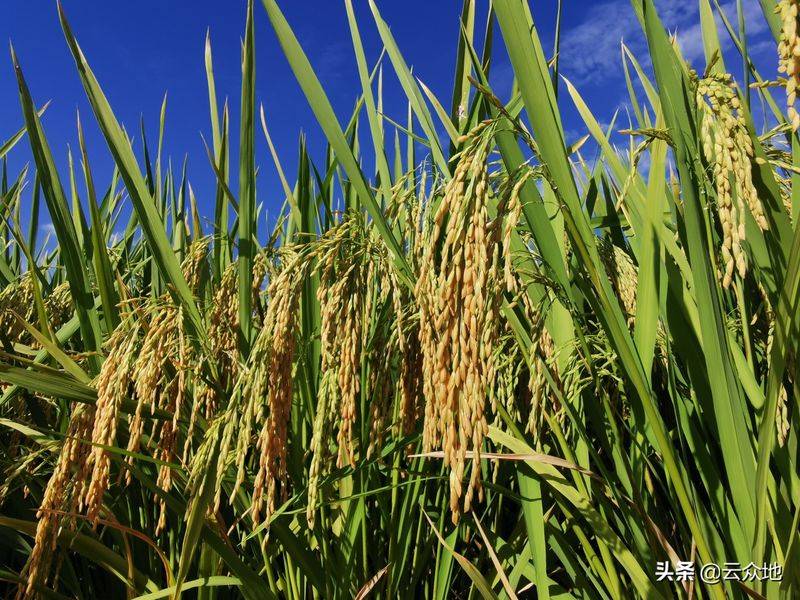
What's a good breed? For farmers, the choice of good varieties is good to sell, with no obvious deficiencies in disease, resistance and high yields and good rice. A number of rice varieties have been seen to say how high they are and how good they are, but after a year or two they have been planted without sound, and there is still a large area of cultivation for three or five years for one item, which certainly has its advantages。
In recent times, microheadlines have been used to summarize the various rice masters released in 2022, either after many years of cultivation or through local trials, or, of course, some of them with poor performance, such as the giraffe 816 that has been elected to the main species in the province of jilin for many years, and many growers have reported poor rice quality (breathed rice) and poor sales, so the selection has to be combined in practice and tested in the climate environment and markets。
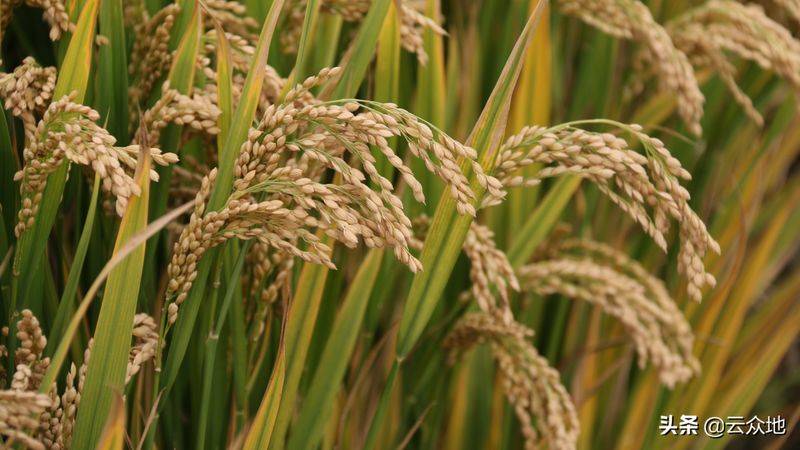
It was suggested that good varieties should be spread across the country, but that a high-quality rice variety was not suitable for cultivation in all regions, with different climatic environments and different types of rice being cultivated, and rice production in the south and north. In addition, local microclimatics have a significant impact on the output of rice varieties and on the quality of rice, and there is a lack of availability of rice-prone varieties in endemic areas. Therefore, the choice of rice varieties suitable for local cultivation is the best, and farmers must think twice about it。
Every year, there is a decline in the production of new varieties, to a large extent with little knowledge of the characteristics of the varieties and the techniques of cultivation. It will be recalled that during the previous two years, a distributor blindly promoted untested, high-quality rice varieties, which, due to the early onset of the cold wind, left nearly 10,000 acres of rice fields unsmoking in two seasons. There are also farmers who report a serious incidence of rice plague in a given paddy species, with high yields but no resistance to disease, time-consuming management and possibly less profitable than previously cultivated varieties。
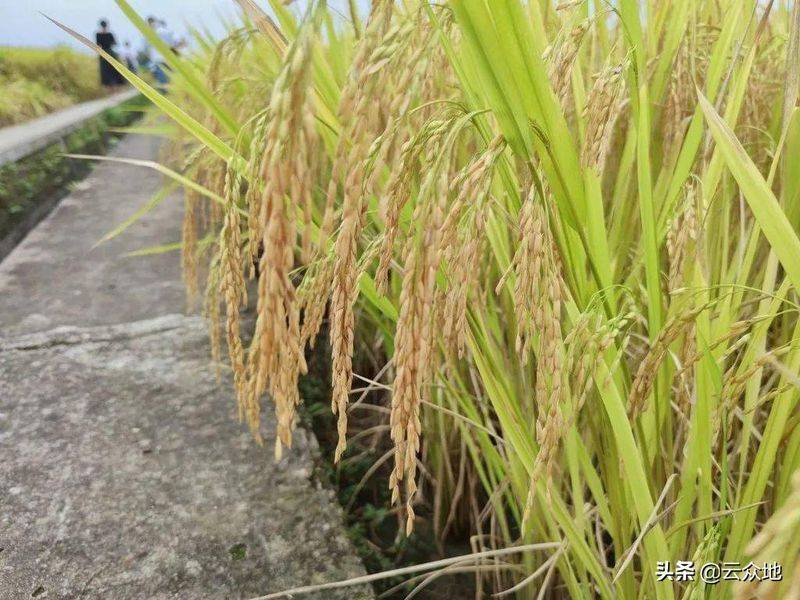
Based on years of production experience, rice cultivation needs to be productive and profitable, and new varieties of rice should be tested to understand the adaptability and shape of new varieties under local ecological conditions. How can the performance of a species be seen when, in the course of the experiment, some growers do not attach importance to management, there are many weeds in the fields and infestation is severe? In the past year, there has been a case of a new crop of two superior species (the mid-range mid-range rice state review in 2021), with preference in fields with large amounts of grass, which can be expected to produce less。
How to test new varieties? Fields are selected for medium fertility and easier drainage, combining the characteristics of the species and the local climatic characteristics with a rationally scheduled planting period for fertilization management according to the characteristics of the species. The primary purpose of the experiment is to reduce the risk of planting by understanding the advantages and disadvantages of the species, judging their adaptability and summarizing the planting techniques. Of course, not every species needs to test its own seeds, but also to observe the performance of the same ecological area in planting this species and to participate in a variety demonstration。
The purpose of the cloud service is to provide technical expertise in the area of cultivation and to address the challenges of farming. More technical knowledge, welcome attention