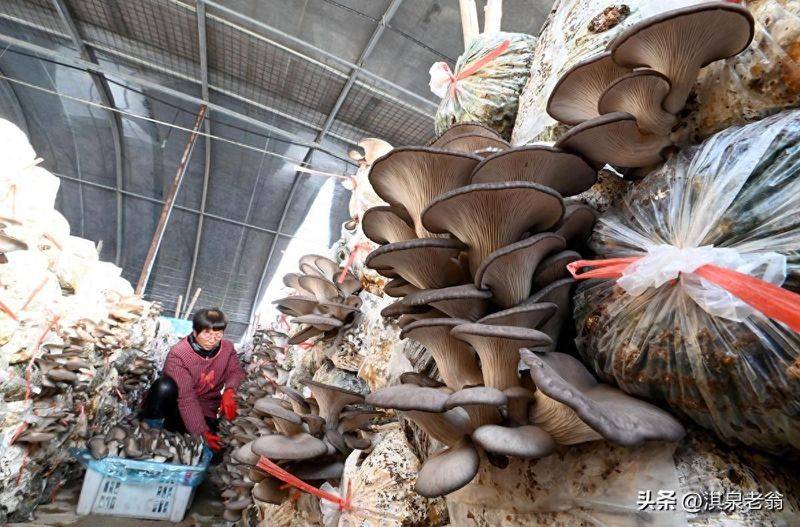
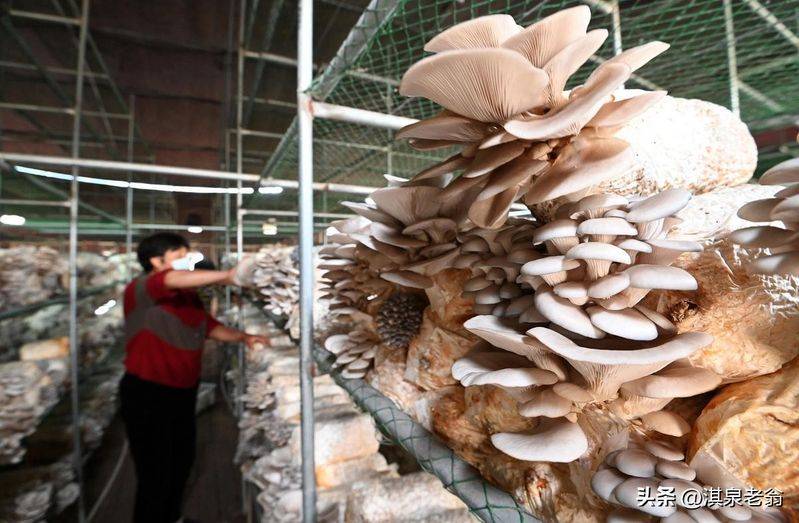
While spring is the golden period of mushroom cultivation, with a gradual recovery of temperature and moderate temperature during the day and night, matching the growth of the fungus filament with the physical development needs, spring climates are volatile, temperature fluctuations are high, humidity is unstable and pest activity increases, and if not managed properly, the slow growth of the fungus, mushroom malformations, disease outbreaks, etc. Affect yields and quality. In order to achieve high-yielding and high-quality planting of mushrooms in the spring, it is necessary to keep close to the six core stages of species selection, plant preparation, fung management, mushroom management, disease and pest control, and harvesting and processing, and to implement precision technology measures to guarantee the benefits of planting。
I. Selection of suitable species for the spring climate
In the spring, mushrooms are grown, and the choice of varieties needs to be balanced with heat tolerance, resistance and abundance, with preference given to medium-temperature, high-temperature varieties, avoiding the selection of low-temperature varieties and responding to early and late spring weather fluctuations. High-quality varieties such as kawahei 3, yoona 11, p89, which are highly wet-resistant and resistant and suitable for various planting models, such as spring sheds and open arches, can effectively reduce the risks associated with climate mutation. At the same time, there is a need to strictly check the selection of bacterial species, which are white, dense, fungi-free, pest-free and age-appropriate, to eliminate the use of aging and polluting bacterial species and to ensure success in planting from the source。
Ii. Precise plant preparation and firm cultivation base
(i) plant formulation and treatment
In the spring, mushrooms are grown using cotton, maize, wood, straw, etc., as the main raw material, with maize cores, cotton seedshells having high prices and full nutrition, being the main raw material. Nutrient formulations require a scientific ratio, with recommended formulations: 85 per cent corn cores, 10 per cent wheat, 3 per cent lime, 1 per cent calcium phosphate, 1 per cent plaster, or 90 per cent cotton hulls, 5 per cent wheat, 3 per cent lime and 2 per cent plaster, with raw materials that are fresh, non-mixed and clean。
When formulated, corn cores are crushed to 0. 5-1 cm granular form, cotton seed shells are pre-wetted, proportionally mixed, mixed with water to 60-65 per cent water content (handshakes are condensed with beads but not dripped), ph values are increased to 8. 0-9. 0 and lime is used to contain bacteria. Cultivation requires complete fermentation or fermentation, small-scale cultivation with fermentation treatment, post-membrane cover, fermentation temperature above 60°c maintained for 48 hours, 2-3 times stacked, fungs and eggs in the fertilizers killed; large-scale cultivation uses high pressure or constant pressure inoculation, often at 100°c for 10 - 12 hours, and colding up to 25°c after complete sterilization。
(ii) sterilization of cultivation sites
In the spring, diseases and pests are high and planting sites need to be fully disinfected before they are ready. Grounds such as sheds, mushrooms, etc., are first cleaned, ventilated for three to five days, then sprayed with raw lime water throughout the site, or fumigated with sulphur, formaldehyde, closed to air for 24 hours. The ground is covered with lime powder and the walls and frame are wiped with potassium permanganate solution, together with insecticide-proof nets to prevent infestation of pests such as mushroom mosquitoes and mushroom flies, and to create sterile, insect-free breeding environments。
(iii) bag production and vaccination
A low-pressure polyethylene plastic bag of 22 x 45 cm is selected, the filling is loosely and moderately, and the two ends are tightened to avoid the laxity of the bag leading to a fungus intrusion, or too tight to affect air permeability. Inoculations require strict sterile operation, pre-sterilisation in the inoculation room, wear of sterile working clothes, masks and gloves by the operator, evenly connected the strain to both ends of the bag, with a vaccination rate of 5-8 per cent per bag, and rapid plastering after vaccination to reduce the probability of bacteria contamination。
Iii. Scientific fungi management to ensure the robust growth of mybs
The fungi period is a critical stage in mushroom cultivation, with the core being temperature control, wetting, ventilation, and light avoidance, creating an appropriate environment for the growth of the fungus and avoiding high-temperature influenza and fungi contamination。
(i) temperature control
Temperatures fluctuate in the spring and are controlled at 20-24°c, the most suitable temperature being around 22°c. When early spring temperatures are below 15°c, the fungus bags are stacked in “wells” fonts to increase layer temperature, to use sunlight to increase temperature, or to use heating equipment to increase ambient temperature; when late spring temperatures are above 25°c, they are dispersed in a timely manner, with fewer floors placed in the bags, with two centimetres between the bags to disperse heat, to increase ventilation, to strictly ban temperatures above 28°c and to prevent the high temperature of the fungus from aging and burning. Package temperatures and ambient temperatures are monitored three times a day, morning and evening, recorded and adjusted in a timely manner。
(ii) humidity and ventilation
The relative humidity of air during the fungal period is controlled at 60-70 per cent, avoiding wetness over high-induced fungi. Maintaining environmentally well ventilated 2-3 ventilations per day for 15-20 minutes each to ensure sufficient oxygen to inhibit anaerobic fungic growth. The whole course of the fungal period is shielded from light, strong light inhibits the growth of the fungus, and the site is covered with a sun-covered net, with only small dispersible light retained。
(iii) bacillus screening
During the fungus, the kits are regularly examined and found to be contaminated by fungs such as green and aromatic, and the contaminated bags are promptly removed and removed from the site for burial or burning to prevent the fungus from spreading. In the case of minor local contamination, the contamination is controlled by rubling the site with raw lime powder or polybacterial solution. Under normal conditions, 20-25 days of mycelium silk can be filled with fungus bags and enter the mushroom management phase。
Exact mushroom management to improve yields and quality
When mycelium is packed, it is transferred to mushroom management in a timely manner to facilitate the growth of the original base and sub-entity by controlling temperature, wetting, ventilation, light and temperature differentials, a stage that is central to determining the production and quality of mushrooms。
(i) catalytic processing
When mycelium is filled with bags, it removes both ends of the bag, causes a mild microbacterium (the removal of pasta), creates a temperature difference of 5-8°c day and night, controls the temperature during the day at 15-20°c, reduces the temperature to 8-10°c at night and stimulates the original base to 3-5 days in a row. At the same time, increased dispersive light, light intensity 200-800lx, and daily light for 4-6 hours, combined with ventilation and wetting, accelerates the formation of mushrooms。
(ii) temperature management
The temperature of the fungus period is contained at 10-22°c and is strictly forbidden to exceed 25°c. Excessive temperatures can lead to yellowing of mushrooms, decaying, dying mushrooms, stagnating deformation of the original base at a low level and freezing of the young mushrooms. The relative humidity of the air was maintained at 85-95 per cent, with dry and windy springs, daily application of microsprays, fog sprays of 2-3 times, water sprayed to the ground and space, avoiding direct water spraying of mushrooms and preventing the decay of mushrooms; and during the rainy weather, reduced spraying and increased ventilation and humidity。
(iii) ventilation and light management
There is a need for sufficient oxygen during mushrooming, with three to four ventilations per day for 30 minutes each, early and evening ventilation at high temperatures, and midday ventilation at low temperatures to avoid excessive ventilation leading to a sudden drop in humidity. Maintaining a dispersed light environment that avoids direct sunlight, strong light changes the mushroom body to colour, fibrosis, affects quality, ventilating and wetting, and prevents disease from occurring in high-temperature, high-humid environments。
(iv) water supplementation
Following the collection of 1-2 tide mushrooms, the water content of the nutrients has decreased, requiring timely recharge. The total output can be significantly increased by refilling the bacterium bag with a needle or immersion, filling up the water to about 90 per cent of the weight of the bag and continuing to be managed after supplementary nutrition。
V. Green pest prevention and control to ensure safe production
In the spring, the temperature rises, the fungs and pests enter high gestation periods, following the precautionary, integrated and green safety principles, priority is given to physical, biological and, where necessary, scientific use of chemical agents, strict prohibition of pesticide abuse and safe consumption of mushrooms。
(i) disease prevention and control
The most common diseases are, for example, aromatics, chain aromatics, yellow scabs, soft scavengers, etc., caused by high temperature, high humidity and poor ventilation. Preventive measures: strict cultivation of fertilizers, site disinfection, control of environmental humidity and avoidance of water accumulation; timely removal of mushrooms, diseases, removal from the site for burial, spraying of limewater or biobicides in the area where the disease occurs, enhancement of ventilation and wetting and containment of the spread of the disease。
(ii) pest control
The main pests are mushroom mosquitoes, mushroom flies, mites, jumpers, etc., and preventive measures: the site is equipped with anti-worm nets, cedar baits to become insects, and the materials are fully fermented to fertilize the eggs; in case of pests, they are treated with sprays of biological agents such as bacillus, lysin, etc.; the use of highly toxic pesticides is strictly prohibited during the mushroom season, and the use of drugs is discontinued seven days before the harvest。
Vi. Access and follow-up management
(i) collection in due time
The best harvests are made at the 70s, when the fungus cover is fully spread, the edge is slightly covered, the spores are not ejected, the mushrooms are fresh, tastes good and yields high. When the harvest is taken, the culture is held in one hand, and the mushroom handle is rounded and removed with one hand, so as to avoid tearing up the fungus, preserving the roots of the mushrooms and preventing the infection from entering. Following harvesting, residual shroom roots, dead shrooms, flattening and preparation for the next mushroom。
(ii) post-mining management
After each mushroom harvest, water is stopped for three to five days, ventilating is wet, giving mycelium back to growth, accumulation of nutrients, and then again sprayed with wetting, temperature differentials, into the next mushroom management. Upon completion of all harvests, waste bags are cleared in a timely manner and planting sites are completely disinfected in preparation for next season。
Concluding remarks
Each technical measure needs to be put in place in the spring mushroom cultivation, which is based on climate-responsive characteristics, fine-tuning the chain of control, ranging from the selection of varieties, the handling of nutrients, to the management of fungi, mushrooms and pest control. Seizing the right climate conditions in the spring and avoiding the risks of temperature fluctuations and high disease and infestation, science regulates the four main elements of temperature, humidity, light and gas to achieve high-quality, high-yielding mushrooms with the desired planting benefits。