Rice migration to the field-egging stage is the decision time for rice to rise to the forest and for the formation of large ears, when fertilizer supplies also have an impact on the weight of thousands of grains, balancing the three elements of rice production through fertilizer management, achieving a high production base, controlling the occurrence of pests and grasses, achieving the ultimate goal of increasing rice production and improving rice quality。
Rice cultivation, driven by the benefits of shifting land, has led households to invest in the field with the expectation of high productivity and high reporting. On this side of chengdu, the production of bulk cultivation is less than that of large households. It is often said that large-scale growers are fatter than they are. In fact, the production of farmers in chengdu is still lower than in the peaks region, and the analysis is mainly based on differences in the concept of fertilizer management。
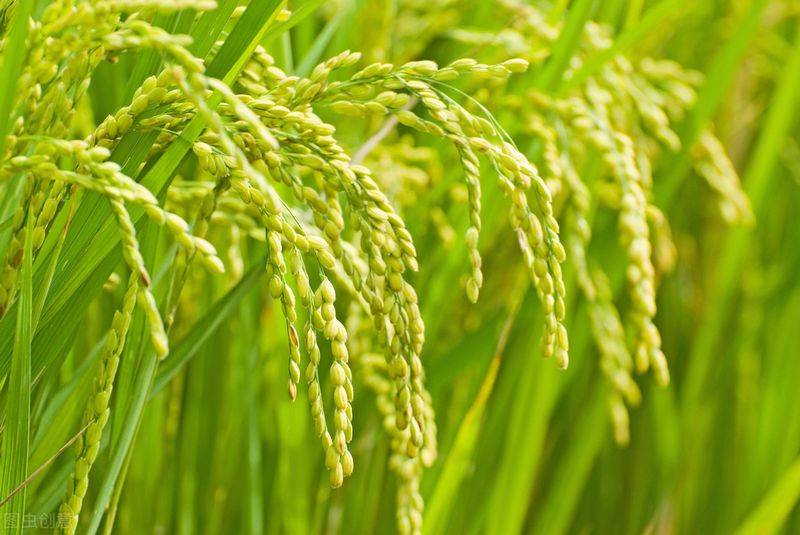
High-yielding groups need an effective ear, number of grains per ear, a thousand heavy balance
I. 2 keys to medium term rice management: effective earnings, earnings
During the medium-term management of rice, the basic seedlings were identified as the decision-making period for effective ears and the formation period for ears. Effective forest promotion through management measures and the formation of large and productive groups. The length of the period after the displacement of rice takes a certain amount of time, in particular the five to seven-day period of return for the interpolation, which may affect the occurrence of the dichotomy。
The pattern of paddy fractions occurs in the n-3 leaf, and when the fourth leaf is stretched out, the first one begins to occur, with an effective ear of more than three leaves, with more than 10 actual grains and a higher yield。
On this side of chengdu, medium- and long-term mixed rice is grown, around 19 leaves, and the machine is grown in high-density breeding areas during the scavenger season, with 80 grams of seeds per plate, which does not easily occur. The branching of the upper forest begins when it is planted in daejeon, four to five leaves start, three leaves long enough, and the falling leaves reach the end of 13 leaves, that is to say, eight leaves have time to divide. In the case of monoculture, there are nine units in the first, five in the second, two in the third, and ultimately 17 in each of the upper forests, with an effective field of approximately 17-180,000。
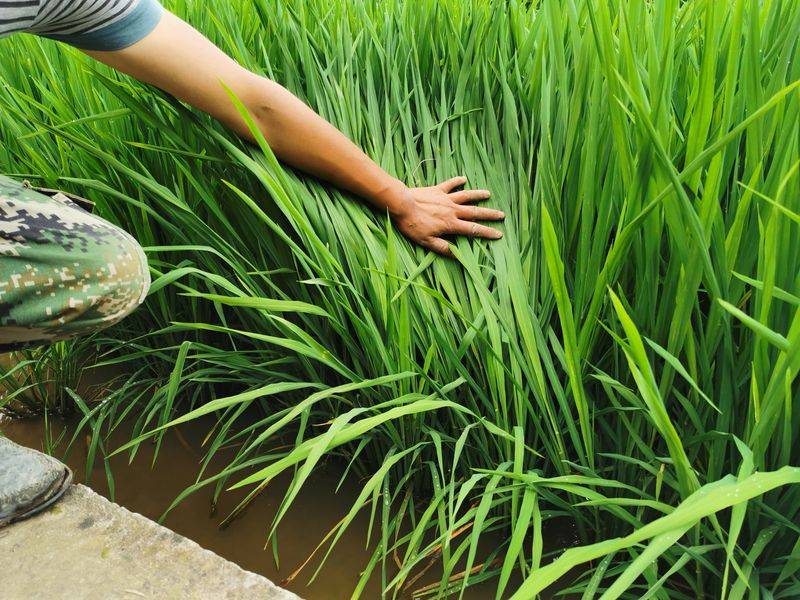
It's better to divide the process in order to promote early division
Ii. Administration of administration in daejeon: 3rd, 3rd, 3rd, 3rd
In the field management process, rice growth is rapidly growing and nutrient conversions occur. Within reasonably well-nourished ranges, rapid outbreaks of stratification can consume nutrients, and new stratifications can occur in large numbers with several colour conversions. If fertilizer application is insufficient, leaves are coloured and growing insufficient; fertilizer application is too high, growth has been too high, leaves have become larger, nutritional growth has been delayed and fertility has been delayed. Therefore, fertilization needs to be determined according to the region, the level of fertility of the field, the fertilisation of the species, etc., to achieve optimal growth and to facilitate conversion to reproductive growth in due course. There's a "three blacks and three yellows" in production, which is a high-yield diagnosis of rice growth。
"a black and a yellow" is a phase in which rice grows rapidly, occurs in the form of substrates, is active in light cooperation, is about 20 days, has reached its peak, and urea has almost ended in the form of yellow; this stage is a period in which effective ears are formed, one black is absent, one is not present, one is not enough, and one yellow is likely to increase
It's a relatively short period of time before it's too late to split. (a) the period is one in which no blacks appear, the plants grow slowly, the leaves are too small, the ears are small, and the yellows do not appear, and the plants are large, the leaves are thin, shaded and prone to fall
The "three black and three yellow" is the black and yellow transformation that occurs after the tanning of the fields and the fertilization of the ears, which facilitates the growth of the ears and the accumulation of carbohydrates, lays the foundation for large grains of the ears, does not appear, is too large for the sword, is overnourished for nitrogen, and is hampered by the transfer of carbohydrates of the leaves to the ears and decreases the yield rate。
Iii. Medium-term field management highlights: moisture, fertilizers, weeds, pests and diseases
The whole wet management process after replanting promotes early fragmentation, with more leaf blades occurring early in rice plants, longer dry matter accumulation, more nutrients, and the formation of large ears as they enter reproductive growth conversion. The implants had wounds and needed to be recovered as soon as possible, with early onset。
1. Water management
Rice is a water-friendly crop, with no poor water growth and different water requirements over time. The principles of water management are based on high-yielding demand and growth patterns for rice。
(1) water management in the early stages of planting
After planting, flooding around an inch of the seedlings, avoiding the damage to the seedlings by high temperatures, shifting seedlings began to grow for about three days under normal conditions, the blades recovered straight, the blades began to reach out for five to seven days, and we used to say that the paddy returned to the green, but in fact saw the new blades stretched out, and the seedlings of the entire field moved from the dead to the green。
(2) water management after recovery
After normal return, dry and wet water management is carried out to facilitate the occurrence of diaphragms, which can be caused by excessive initial flooding part of the seedland is growing too fast, the root system is stunted, the birth fraction itself is weak, the inundation is stunted, and the flooding is more than five days old with the possibility of death. Chengdu has learned from this experience that the first days of re-entry were slightly flooded and that the back was gradually deeper than the link between the leaves and the snails. Taking full advantage of the rice "dry root sprouts", it encourages seedlings to grow evenly and accumulate enough effective dry matter。
(3) in the endpipe
Upon entering the gestation period, the moderate depth of the water is maintained to promote the separation of the young and the formation of the ears, leading to a positive increase in production。
Deep water is maintained during the suction period, especially in the high-temperature weather, warm with water, warm with water, changing the small field climate and increasing pollination rates。
During the intervening period, normal water management, water recharge once, when natural drying up and refilling。
The eight-year-old rice began to drain and tan the field, facilitating harvesting by the harvester。
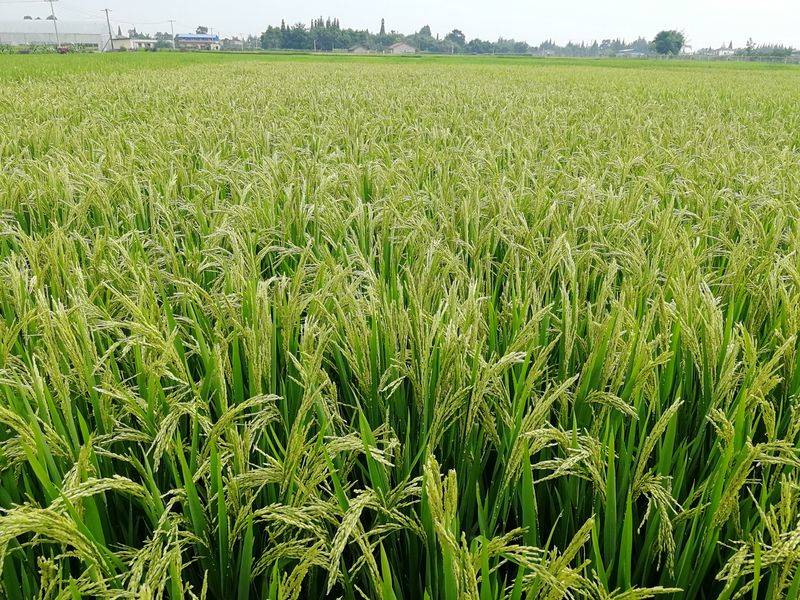
It's good for high productivity
2. Nutritional base of potassium nitrogen phosphorus
In rice management, undernourishment is certainly the result of a reduction in production, with insufficient growth and no production; overnutrition can lead to a reduction in production, as can overnutrition, which is prone to corruption and inversion。
Scientific fatty management promotes the transfer of nutrients in rice, creates high-yielding groups, promotes large-spreaded ears, and increases in yield rates are the basis for high yields。
(1) nitrogen
Nitrous absorption patterns: rice is sensitive to nitrogen nutrition and is the most important determinant of rice production, with high nitrogen concentrations in the body throughout its life cycle, which is the nutritional physiological characteristic required for high-yielding rice. Rice absorption of nitrogen has two distinct peaks, the rice fractional period, i. E. Two weeks after the plug, and the seven to eight weeks after the plug, at which point, if nitrogen is not available enough, it often leads to flower erosion, to the detriment of high yields。
(2) phosphorus
Absorption patterns of phosphorus: the intake of phosphorus in rice is much lower than that of nitrogen fattening, averaging about half of the nitrogen, but there is still a need for greater absorption in the later stages of fertility. Phosphrase is required for all reproductive periods of rice, and the absorption pattern is similar to that of nitrogen nutrition. Absorption peaks at the peak of three weeks after the implantation, with the highest intakes taking place during the premium and in stages. The accumulation in rice at this time amounted to about 54 per cent of total phosphorus during the whole reproductive period, with the highest concentration of approximately 2. 4 mg per g dry substance (p2o5) in the poignant period, when phosphorus was undernourished and had an impact on rice fractions and on the accumulation of parts of dry matter on the ground and underground. Inhaled phosphorus during paddy seedlings, approximately 60-80 per cent of phosphorus transfers are concentrated in seed grains, while most of the phosphorus absorbed by the ear is left in the root, when fertility can be transferred repeatedly from an ageing organ to a newborn organ until the rice is yellow。
(3) potassium element
Absorption patterns of potassium: potassium absorption levels are higher than nitrogen, indicating that rice requires more potassium, but its absorption is almost complete before the rice poaching. The intake of potassium by seedlings is low and the levels of potassium in the plant range between 0. 5 and 1. 5 per cent do not affect normal partitioning. Potassium is absorbed at peaks ranging from poignant to altimetic periods, at which point the content of the tuber and leaf potassium remains above 2 per cent. The amount of potassium in the folate and leaf is less than 1. 2 per cent, and the number of flowers will decrease significantly. Potassium is not concentrated as nitrogen or phosphorus and its content is between 1. 2 and 2 per cent。
3. Fertilizer use
Based on the growth patterns of rice growth, the early onset of the specter, the formation of large ears, the timely control of seedlings, the conversion of organisms to reproductive growth, and the increase in the number of grains per ear。
(1) timely use of fertilizers
With the application of bottom fertilization, rice can be applied after five days, and growers in chengdu are used to urea, using 15-20 pounds and watering about 5 centimetres to begin fertilizing, thus facilitating the fertilization of fertilizers and facilitating the absorption of the shallow roots of rice。
Ii. Fashionous application
Bounty not only has a significant quantitative impact on rice growth and development and yields, but also during application periods. This period is the peak in the absorption of nitrogen and potassium fat, and we are used to sowing it when the sun is over, when the water pours into the field, when the potassium is 20 pounds fat, and when the urea is 5-10 pounds fatter。
(3) pumping, as appropriate
The application of particle fat in the later stages of rice can increase the maturity of seed grains and the weight of thousands. High-quality rice in chengdu does not advocate the use of particulate fat, especially nitrogen. Regularly, the transfer of nutrients to seed grains is facilitated by the use of leaf-leaf fertilizer to supplement potassium phosphorus fertilizer。
The difference between what was said earlier and the idea of the use of fertilizer by large households on the hill is that the farmers of the hill prefer 15-15 balanced fertilizers and are on their way to fertilize; and that the farmers of chengdu have a tendency to apply nitrogen fertilizers, with a delay in maturity and a heavy middle and lower leaf。
4. Disease and grass management
Fertilizer management promotes the growth and development of rice and produces yield, pests and grasses are the subdivisions of rice production, and control of pests and pests is an essential measure to ensure production. # 2020 golden rice #
Under the guidance of light-simplified farming techniques, growers at scale gradually simplify the control of combined pests and diseases, with single weedings, single peak periods for pest control, and one spotting period. Short-fertility varieties promote high levels of indoctrination and reduce the prevalence of pest control。
Weeding: herbicides for rice are different for weed types and require a combination of herbicides (see table below)
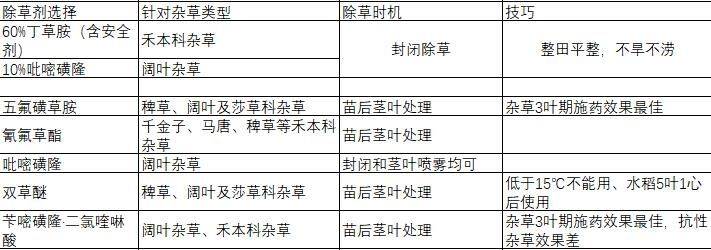
Primary herbicide formulation
In chengdu, pentafluorosulfachlor has been used in recent years for herbs, broad leaves and sacrosanct weeds, and cyanide has been used for herbs such as gold, mardon and grass. # san peasant unit #
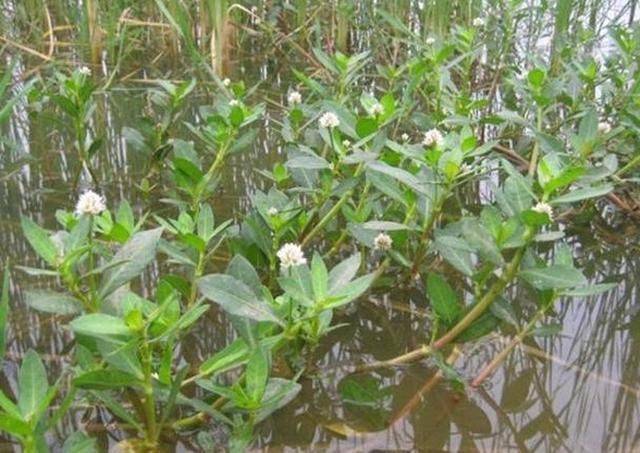
Water peanuts
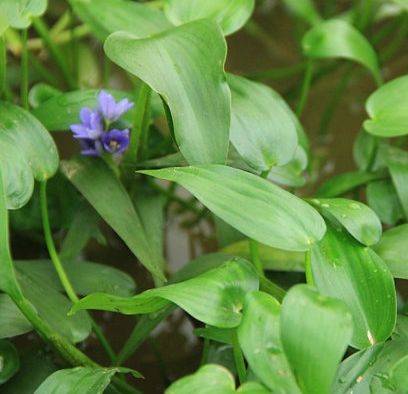
Duck tongue
Insects and pests (around 20 days of planting): mainly for a generation of insects, tattoos, rice plagues, steeds, sit-ins, etc
Pharmacy: a, 10% tetrachloride 40g + 90% insecticidal sheet 100g + 20% in acre, 40g + 35% americ acid + 20g + 10ml in acre
B. Acres with 40% chlorine thorium thorium 8g + 20% thalloniol 40g + suvetyl zinc 10ml spray
Attention: the application of anti-flying drugs for rice plague requires the use of tricyclic accelerant suspension, plus better flight protection
In summary, medium-term management of rice is a critical period for high yields, capturing the key, promoting early occurrence through management of fatty, estuarine, controlling the hazards of pests and grasses on rice, reducing losses and achieving final high productivity。