


Core elements of organic rice (large land landing)
One sentence: the earth shall be fat, the water shall be clean, the grass shall be pressed, the disease shall be protected, the insect shall be seduced, and there shall be no chemical fattening。
I. Land selection and conversion
1. Land parcels away from sources of pollution and clean irrigation water
2. Conventional field organics: two years of conversion, three years of organic
3. Must rotate: paddy green fertilizer/peas section, multi-year succession
Ii. Whole area and fertilization (critical to organic rice production)
1. Use of compost, compost, pie, bio-organic fertilizer only
2. Demersal fat: an acre application of decomposition organic fat 2,000-3000 kg
3. Ban: all chemicals such as urea, compound fertilizer, ammonium chloride fat
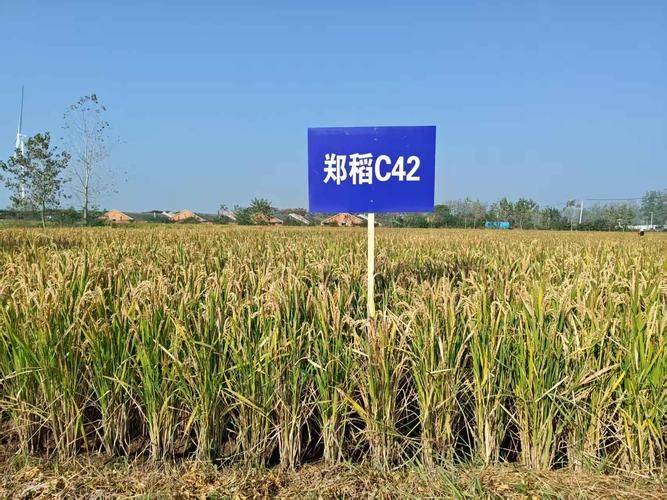
4. Improved fertility and protection against endemic diseases in conjunction with biobacterial fertilizers shit
Iii. Varieties and breeding
1. Choosing disease-resistant, inverted and steady production of conventional rice (as little as possible without genetically modified rice)
Seed tan and saline selection lime water/temperate sterilization
3. Cultivation to reduce post-mortem diseases
Weeding (most difficult and must be done earlier)
Organic rice can never be used as herbicide
1. Deep-water grass: keep shallow water before diaphragm and moderate deep-water pressure grass at a later stage
Artificial weeding + mechanical weeding
3. The best results are from duck co-production
4. Covering of straw and rational planting to seed grass
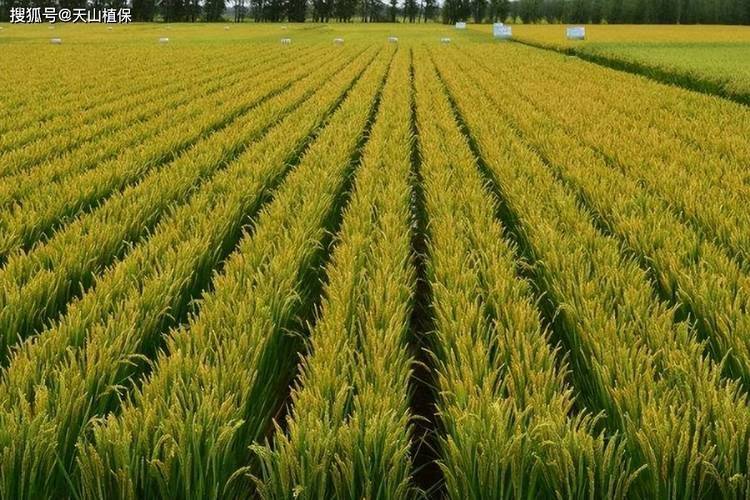
V. Green control of pests and pests (preventable only)
Physical control
- buglights, sex traps, sugar vinegar traps, lice
Biological control
- release the red-eyed bee against the paddy
- with bt, bitter alkaline, impostin, chronicin, dead grasscracker
3. Agricultural measures
- retrieving bacterial nuclei, light watering, fresh sun
- non-fat, non-extension, reduction of paddy lice, tanning
Vi. Water management
- it's shallow, it's green
- it's shallow
- it's strong enough to control the field
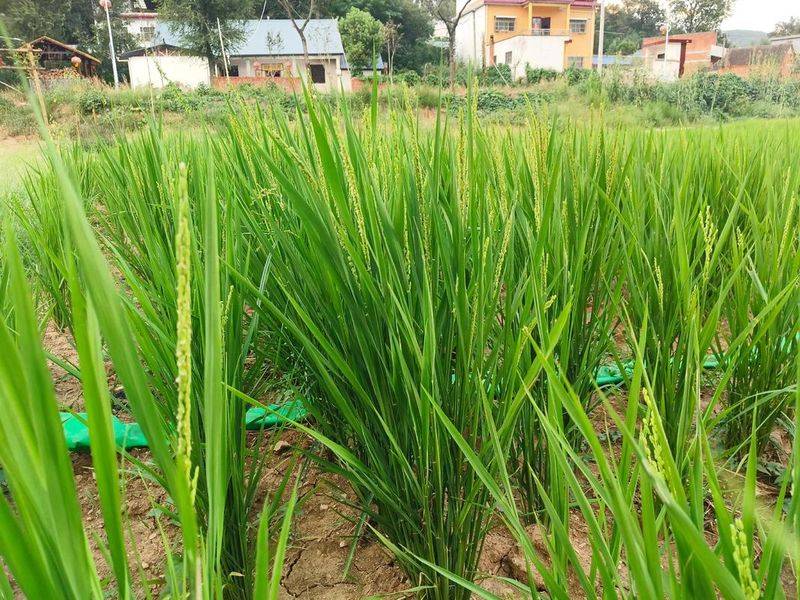
- dry, wet and dry seeds at the end of the period, without long-term deep irrigation
Harvest and storage
1. Routine harvesting to prevent sprouts
2. Stand alone, store alone, not mixed with conventional rice fire
3. Storage of vermin for low temperature, closed, grass-wood ash and prohibition of fumigants
Accreditation and desk accounts
1. Keep records of sowing, fertilization, medicine, irrigation and harvesting
2. Subject to annual organic inspection, the input must be in an organicly permitted catalogue lee



