


The winter melon is a year-old chicken or herbivorous plant that is widely cultivated everywhere. As a warm and heat-resistant crop, winter melons are favoured with their high yield, good storage performance and the fruits of heat relief. The seeds and fruits of winter melons are also of medicinal value. Following is a study of winter melon planting techniques and management。
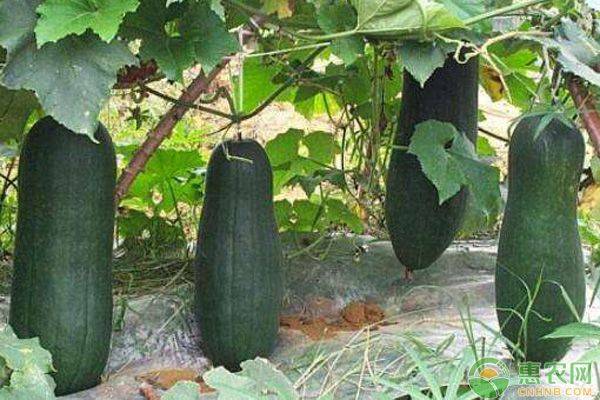
Time of seeding
The planting period for spring cultivation is usually scheduled to take place between december and march of the following year, and for autumn planting in june-july. The use of seedling transplants is recommended in the spring, which helps to combat cold. Cultivation can take the form of a nutrient, a nutritional bag or a groceries. Before seeding, seeds need to be immersed in warm water and sprouts: the seeds are immersed in hot water at 25-30°c for 24 hours and then sprung at 28-30°c chamber temperature with wet sand cloths to sow when the seeds are white。
2. Nutrition home formulation
Nutrient soil is formulated by sifting 400-500 kg of fat soil, evening with 80-100 kg of high-quality decomposition or compost, 15-20 kg of vegetable or cotton-seed powder, and 10-15 kg of fermented phosphorus fertilizer. Finally, the water is poured out of the water and is ready to be used when the home-grown nutrients are completed。
3. Nutritional diversity, nutrient-basket breeding
The nutrients are wet to the point where the hands are strewn to the ground. The nutrient field is made of 6-8 cm high, 6-7 cm in diameter, with a small hole in the centre, using a specially designed scrutinizer. Or a 6-7 cm in diameter by hand, with the same pore in the centre. A grain is planted in the hole, covering the concrete。
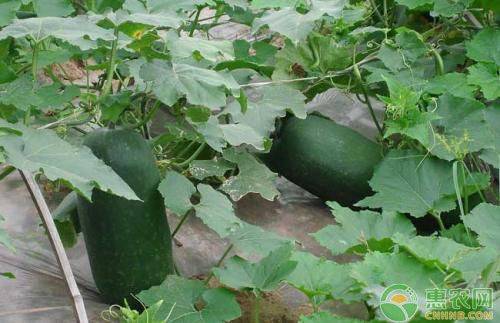
4 nutrition packs
A paper-free bag of eight centimetres high and four centimetres in diameter is used to sow one grain of nutrientd soil at a depth of about three centimetres and cover a layer of fine soil。
Management of nursery
After seeding, the trophic kit, the nutrient (ball) can be placed in a seedbed or on the ground, with plastic film to maintain humidity. When the seedling grows up to the first stage of the second lobe, it can be transplanted。
6. Timing
For membrane cover, the temperature criterion is critical when local temperature stabilizes at 15°c. If a diaphragm-covered plant is used, local temperatures can be established at more than 12°c
7. Cultivation density
Cultivation density varies according to the characteristics of the species and the method of cultivation. For melons, 300 to 350 plants per acre are recommended. In the case of "human" curator farming, with chicken singles, it should be 180 to 200 centimetres wide, with a two-way range of 130 to 140 centimetres, with approximately 500 units per acre. If a single chicken is kept, the range is 90 to 100 centimetres, with about 700 units per acre。
8. Fabrication
As a fertile crop, the demand for fertilizers is high. Each acre will require application of between 2000 and 2,500 kg of farm fat, as well as 50 kg of calcium perphosphate or phosphate fertilizer, which will be provided in a ditch. For membranes, 50 kg of compound fertilizer, 25 kg of urea and 20 kg of potassium chloride are also required per acre for membrane cover implantation, followed by a whole-land rise and replanting。
9. Following fat water
The roots of the winter are well developed, but the demand for water fat remains high owing to the abundance of its leaves. Fertilized water is controlled before the fruit is planted in order to prevent the growing of the plant, which usually requires only one or two excreta. Following the seating, excreta is applied with diligence and increasing concentrations, with appropriate additions to phosphorus or corroded pie fat in the pursuit of fertilizer. In addition, 0. 3 per cent of potassium dihydrophosphate was sprayed three to six times on the leaves in order to promote the nuts. In times of high rainfall in the summer, attention needs to be paid to enhancing drainage; in times of drought, it is necessary to combine the pursuit of fat or separate water to prevent drought。
10. Cropping in china
In order to promote the healthy development of the roots of the winter melon system and the laying down of its uncertain roots, it is necessary to ensure the timely cultivation and weeding of the compartments. Mid-cropling during the seedling period can be duly deep, while in the case of chickens and flowering periods it can be ploughed shallowly to avoid damage to root systems. In order to increase the utilization of land, pine soil and cabbage can be planted throughout the compartment。
11, the whole of a man's frame
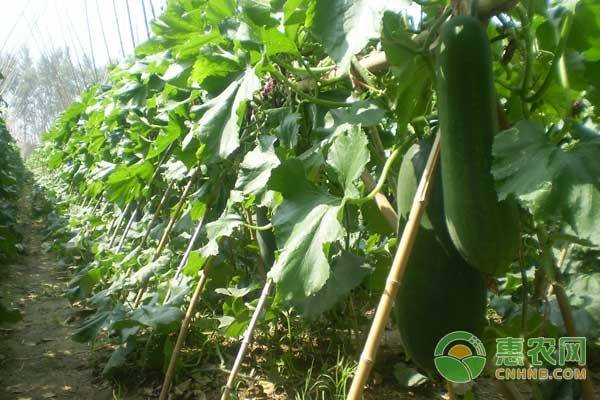
Large winter melons: usually each of them has one of its main cranium, while one of the chickens is kept as a nutrient branch, and the others should be removed as soon as possible. When the chicken grows to about 2 metres, it begins to be drawn to the “human” frame. In order to ensure that the melon is formed near the “done bones”, large winter melons begin to rise from above the twelfth leaf, and when monocordonism is used, the chicken starts from above the seventeenth leaf. The guacamole on the ground can contribute to the occurrence of non-stable roots by crushing the chicken and increasing the absorption area of plants。
Small winter melons: due to the low syllables, chickens grow up to 50-60 centimetres。
12, the whole of the reptile
The width is set at 4-5 metres, with double-row cultivation at a distance of 80-100 cm. Keep the main chicken and a side chicken before the head and cut all the other sides. The chicken shall climb in straight line every 50 to 60 centimetres until it climbs to the side of the gutter opposite and hits the top。
Collection
Winter melons generally wait for the fruits to be grown and harvested, when the bark is hard and thicker. Fertilization and water irrigation should be stopped during the first half of the harvest in order to enhance photosynthesis, reduce moisture and increase storage time. Scissors are used for harvesting, so as to avoid damage to the guacamole, so as to keep it light, so as to prevent injuries, so as to facilitate subsequent storage and transport. Avoiding late harvests in order to prevent winter melons from being overcooked and softened, affecting storage. The colour of mature winter melons is deep, and the fur is reduced. In order to improve economic efficiency, it is possible to collect and market in a timely manner when maturity is achieved。
In sum, these are the main elements of the cultivation techniques and management of winter melons, which are designed to keep the crop chain in place to ensure the quality and production of winter melons while increasing their storage time and increasing market competitiveness。
You may be interested in, and welcome to read, the content of the following recommendations on techniques and management of winter melon cultivation。



