Potato melons are uniquely new varieties of melons. They have the characteristics of thick, soft and fine meat, which, when cooked, can produce natural potato. With the advantages of early ripening, short growth cycles, strong plant growth and disease resistance, six months of continuous extraction, acre production of more than 10,000 pounds, with higher planting benefits than normal winter melons, the following mini-coding techniques have been assembled for the information of growers。
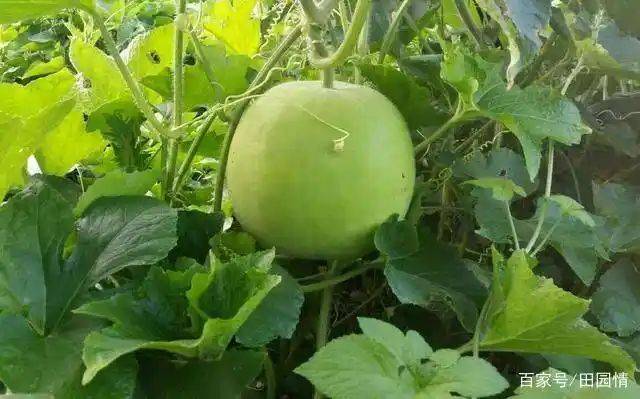
I. Cultivation
Potato melons can be grown by conventional nutrients. The following four steps should be taken during the nursery。
1. Bed and soil preparation. The sandy sandy soil, which is deep in the earth, is estranged, is well drained and has a strong capacity to protect its fertility, is selected for bed. For every 1,000 kg of bed soil, 50% of the filamentable powder is sprayed with 25-30 grams of soluble water, which can be used after 2-3 days with thin film。
Seed treatment. Seeds are constantly mixed in 60 °c hot water, and when water temperature is reduced to about 28 °c, they are immersed in a 0. 3 % potassium permanganate solution for 20 minutes, then washed with water, then immersed in 25 °c for 6 to 8 hours. When the seeds come out of the water, they are washed several times with fresh water to wash away the slime, the stains on the surface of the seeds, then dry the skin of the seeds, wrap them in clean wet veils or wet towels, and seed them at 25-30°c. During the sprouts, the seeds were flipped one to two times a day. Seeds can be washed once a day with water if water content is reduced. The seed can be sowed when the bud is 0. 1 to 0. 3 cm long。
Rational sowing. The seed sprouts are planted in a trophic dysentery that pours out water, with 1 grain per platter covered with 1 to 2 centimetres of dry soil covered with a membrane. Slender beds and small arch sheds can be used at night to keep the herb warm。
4. Shrimp management. When two thirds of the seeds are seeded, the membranes are removed in a timely manner. Temperatures remained at 22-30°c during the day and 10-15°c at night. The temperature can be reasonably high after seeding until seeding, at around 30°c during the day and at no less than 13°c at night; the temperature is reasonably low before planting, at 22-26°c during the day and 10-13°c at night. In water management, in addition to sowing water, no water is required during seeding periods when the soil is not specially dry. If the soil is poor in water conservation or in drought, small water can be properly poured. Water should be poured into the pine soil in time for air cover。
Ii. Standing
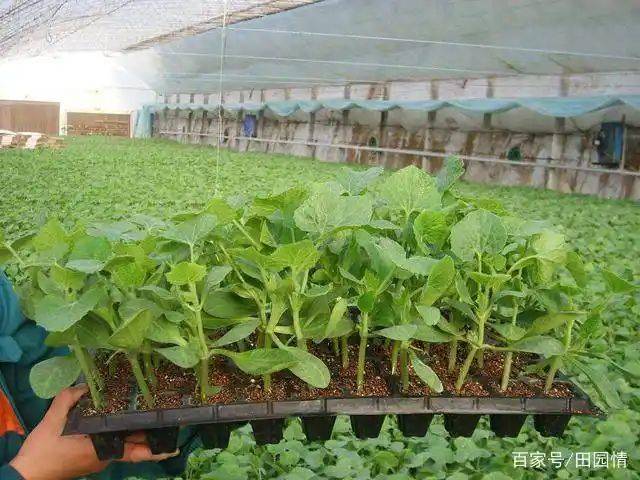
It's an option to use the built-up shed for planting. Pre-planting is preceded by the complete removal of weeds from fields and precipice crop residues, followed by the application of high-quality decomposition chicken dung of 2,000 to 3,000 kg per 667 m2 (acre), calcium perphosphate of 50 to 100 kg, ammonium phosphate of 20 to 30 kg, potassium sulfate of 10 to 20 kg and zinc sulfate of 0. 5 kg. Fertilizer 2/3 is spread above and 1/3 is applied in ditches. When fertilizer is laid, the soil is 30 centimetres deep and dredged and levelled. If the former crop is a melon vegetable, 70 per cent of the methyl tobuzin humid powder can be applied per 667 square metres (acre), or 64 per cent of the toxoid humid powder can be used in 1 kg, and the soil will be ploughed or sprayed deep, dredged and flattened. Potato winter melons are generally grown at a distance of 1 metre, with a distance of 6 metres, with a distance of 0. 8 to 1 metre and a range of 3 metres by 5 metres. Some 40 days after planting, it is chosen that it will be set in the morning. Potassium phosphate is first applied at the mid-point of the plant, at 5 grams each, and the seedlings are then implanted into the den and water is watered for 2 to 3 hours before the water is covered. And when it is sealed, water is poured in the ditch for the benefit of the seedlings。
Iii. Post-plant management
1. Fertilizer water management. In cases where water is well planted, it is generally not necessary to water the tacos when they are soaked to the fruit of the flower, but it is also necessary to water the water, which should be followed by timely ventilation and moisture. Watering should be chosen in the morning of the sun. Watering before and after the opening of the first female so as not to cause melons. When the first winter melon sits and expands rapidly, the “catamel water” is poured in a timely manner and, after this water, the soil is often dry and wet, usually every 10 to 15 days. 5-10 kg of compound fattening per 667 m2 (acre) of nitrogen, phosphorus and potassium with water. Water should be properly controlled when the winter melon matures。
Temperature management. The temperature of the shed is maintained at a high temperature to promote the seedlings, which are generally not ventilated until they are established. If high temperatures occur during the slow-plant period, leading to a severe physico-arid plant, grasshoppers can be placed in separate rows on the sheds before they can be rolled up. If a similar phenomenon occurs again at noon the next day, the sun is again treated until the atrophy disappears. The temperature is kept at 27-30°c during the day and around 15°c at night. It is important to keep the shed clean and, if conditions so require, to put a mirror on the wall behind the shed, thereby increasing the temperature inside the shed. When you sit on a melon, you will be able to plaster the grass, leave the light longer and keep the temperature at 28-30°c during the day and 15-18°c during the night. The temperature rises by increasing the volume and lengthening the duration。
3. Plantation adjustment。
A chicken. At the upper end of each plant, a wire is drawn north and south, and a nylon is attached to each plant to its roots. The rope is tied to the roots of the winter melon, and when the chicken grows about 30 centimetres taller, it starts to draw the top of the chicken and binds the rope and the penis. During the hanger, the rope attached to the barbed wire was more than 1. 5 metres long (note that the button must be attached). Combine chicken, remove extra side branches and rolls。
Two chickens. The chicken falls when the head reaches or exceeds the wire for the first time (two metres from the ground). When the chicken drops, the buttons are opened, the ropes are dropped between 15 and 20 centimetres, and then the ropes are retraced to the barbed wire in preparation for the next fall. This is done only by falling ropes, which do not need to be entangled on the ropes, not only saving a great deal of working time, but also by not hurting them. After falling, 15 to 20 leaves must be guaranteed. The chickens that land to the surface shall follow their direction and be rounded in circular discs, which, as the number of circles increases, may be held loosely together with plastic ropes on the inside of the base of the chicken so as not to be touched or broken during the course of the operation, and so as to avoid the occurrence of a disease caused by the dampness of the water and the dampness of the dome. In order to ensure adequate ventilation, promote light cooperation and produce more photolytics, the shed should be made from front to back into a "front low high" gradient。
Three whole. Three chickens each and take care of it when it leaves three to four. In section v, the main chicken leaves the second or third female in the first melon, removes all the branches before the melon (excluding the guacamole) and leaves two leaves behind to take a heart. After the chicken sits on the guacamole, two leaves are left behind for the guacamole, and all branches except the guacamole are also removed. After the second guacamole, the next cucumber is kept in circulation until it is deemed to be over。
4 artificial pollination. In order to increase sit-in rates, artificial pollination can be performed at 9-10 a. M. Every day during the flowering period. This is done by removing the males that opened up on the day, so that they can be gently painted on the head of the female. One male can be painted with two to three females. If the male population is insufficient, 2,4-d of 50 - 100 mg/kg can be added to 20 mg/kg of cactin coatings and columns。
5 leftovers. After pollinating the female, the sub-room begins to expand, and when it is increased to a certain extent, the handle is naturally bent down to form a “bowl”, indicating that the melon is largely sequestered and that fat water management should be strengthened. If more melons are sitting at the same time, the right position, the right shape, the fast growth, the thick fruit handle and the rest may be removed as appropriate。
Iv. Pest management
Insects and pests that afflict tacos are mainly plagues, anthrax, viral diseases, aphids, etc. The disease can be treated with 30 per cent copper amphetic acid 500 times, or 10 per cent more than 100 g anticin spray; anthrax can be treated with anthrax of 1,000 times acin, or 400-600 times a copper ammonium amalgam; viral disease can be treated with 20 per cent of the virus a500-600 times a fluid, or with the virus a600 times a fluid + potassium permanganate 1,200 times a root, each filling 250-500 ml; aphic worm can be treated with 10 per cent of the avicin 3,000 times acin, or with urine wash (1 urine, 4 washing powder, 400 water) at 30-40 kg/m2。
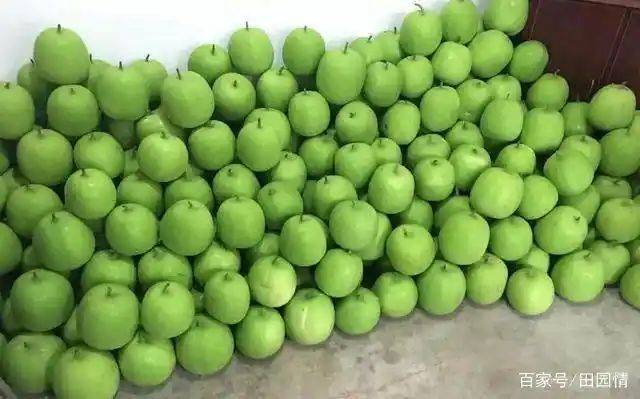
Collection
Timely collection is a guarantee of efficiency. At the time of harvest, the guacamole may be collected on the basis of a customer or order. If used as a cucumber, it can be collected at the weight of 1-2 kg. From the south, the copyright is owned by the south。