


Every summer and autumn, we pass the vineyards and buy a few — a full, sweet throat and a sip of juice. But look back on those grapes in the yard, either they're sour, or they're a little bit of a bunch of them, or they're taken before they're ripe。
It's also grapes. What's the difference? Does the vineyard master have a single recipe
Actually, grapes are good not by luck, but by management. Today we'll break five critical gaps between professional vineyards and family farming. Scatter it, learn it, and you can grow sweet grapes
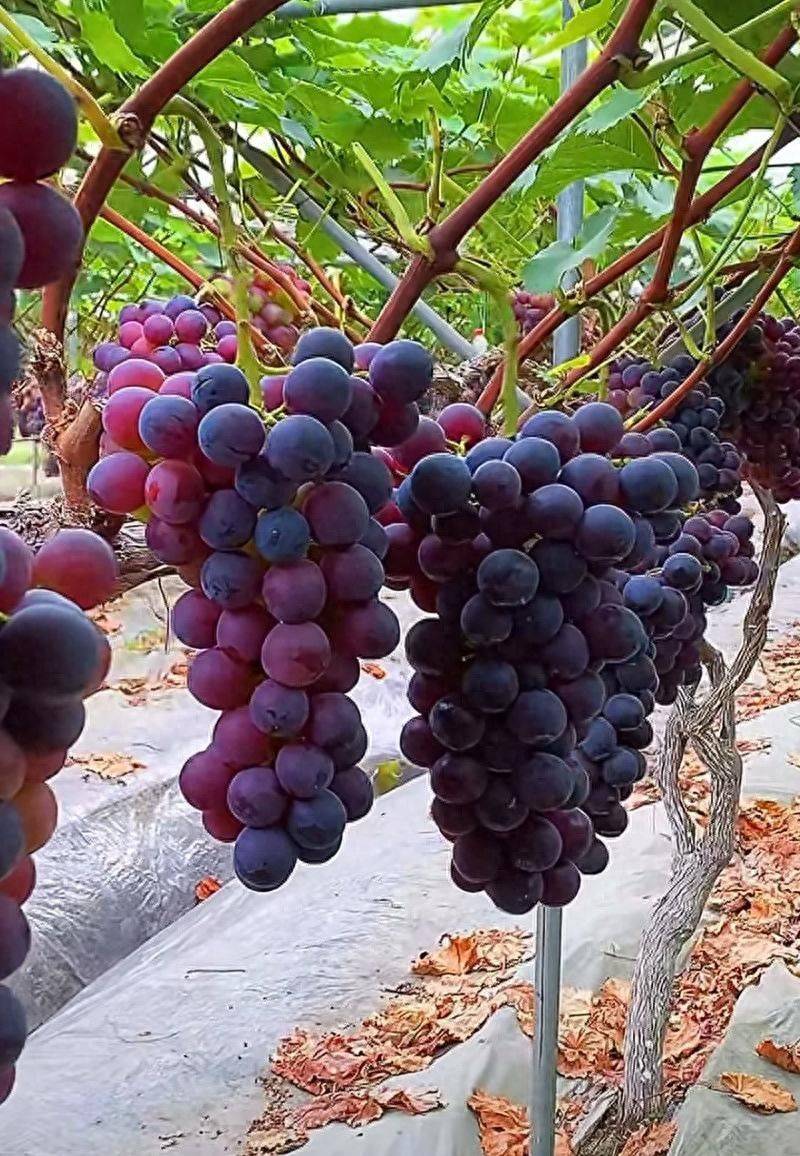
Gap one: the selection of the varieties is right, and we win in half
The first step for many people to grow grapes is to “step the pit” — to buy any seedling, to choose the wrong varieties, and to make no difference。
How well do professional vineyards choose? Chen jin yong, a researcher at the zhengzhou institute of fruit trees of the chinese academy of agricultural sciences, has made it very clear that good grapes must be “good looking, good eating, good breeding, good luck” — beautiful looks, sweet tastes, management of hearts and minds, and patience for transport。
Proposed species for different scenarios:
• courtyard sanctuaries: hinghua 1, big rose, happiness, great peaks, strong resistance to disease and productive productivity
• the balcony plant: selection of medium-sized, disease-resistant varieties, and no greed
• want to take the high-end route: queen nina, venus, black king, unique style, targeting the high-end market
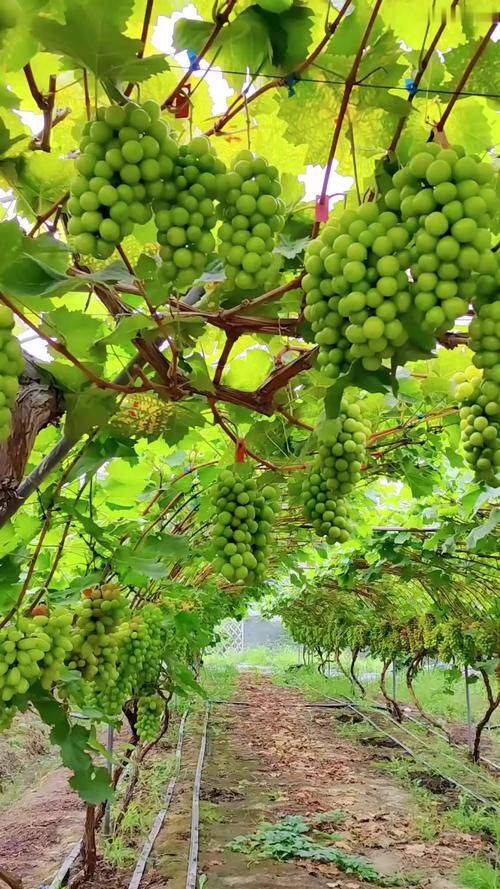
Pipe avoidance: don't follow the net red varieties blindly. Sunshine roses, for example, are delicious, but they are extremely demanding in terms of management, and problems with fattening, berries, disease prevention and control affect quality. There are farms that have salinized their roots as a result of fertilizing their work, and that have not swelled their nuts and abandoned them. The newcomers suggested starting with “skin” varieties such as peaks and summer blacks。
Gap ii: not the fatter, the better, but the "precision feeding."
The most common mistake for family grapes is either to pour a bucket of water when thinking about it, or to pour the washing water under the tree。
The team of professor shemusen at the university of janju university's horticulture and forest school has done an interesting experiment: dividing the root of grapes into two, half normal watering and half drought treatment. It was found that proper drought coercion could encourage grapes to deliver more nutrients into the fruit and instead increase sugar content。
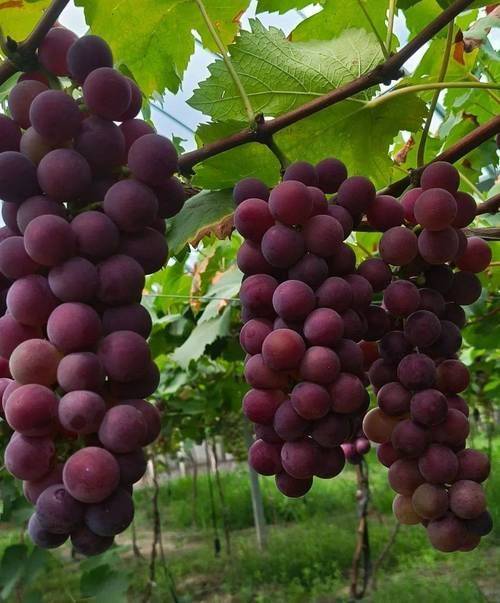
Specialized vineyard fatter:
• water control for sweetness: the colouring period (when the fruit begins to change) is properly managed and sugar can go up
• sufficient base weight: organic fertilisation after fruit extraction, 30-50 kg of rotting chicken or goat dung per unit, restoration of tree orientation
• fitness: nitrogen-based fertilizer before flowers and potassium phosphate-based fertilizer after fruit-taking. Large
• water for timing: at least three water for the year — pre-pre-emerge, pre-precipice, pre-winter
Home operation advice: stop pouring facewashing and the soap remains. Buy a cheap water fertilizer, dilute the water soluble by the instructions, and a few times the most scientific。
Gap three: if you don't get a hard-on, it'll work
It's probably the biggest cognitive gap in family farming and professional parks - - the grapes don't grow as good as they can, but they're fruitless。
In the second year of its construction, the owner made a “dreadful” decision to leave only one fruit in each tree and produce less than 250 kilograms. The outsider looks sad, but what happened? Nutrition is concentrated and the grapes feel good enough for tourists to line up and pick。
Standards of operation of professional parks:
• scheduling: 13-15 swipes per ear, cutting out the underlying ears and tipping points
• speculators: fruit grains are soared and cut out of dense, too small
:: production control: good-quality acre production at 1500-2000 kg, not as high as possible
The home version is simplified: don't forget! There are always two or three small ones next to a string of grapes, and the weak ones are cut down with the strongest ones. It's a small amount. It's sweet. It's absolute。
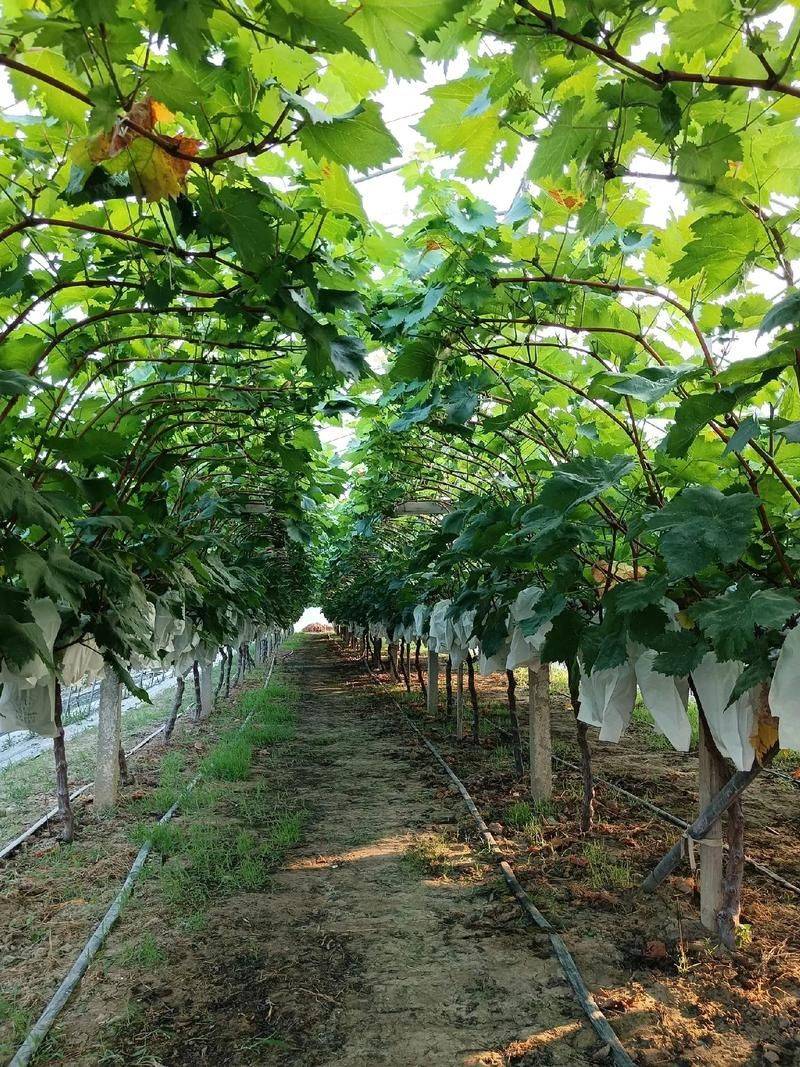
Gap four: pest and disease control, winning the word “prevention”
It is already too late for family cultivation to wait for leaves to grow white and fruit to rot. The core approach of professional parks is “preventives, integrated approaches”。
Key control nodes throughout the year:
• premium: 3-5-permium sulphate sulfur slurry sprout, eradication of winter bacteria and eggs
• before and after flowering: focus on the prevention of ashilosis, pox disease, safer with biopharmaceuticals such as stuporella
:: after the fruit: a high incidence of frosting, anthrax, with drugs rotated every 7 to 10 days
• 30 days before harvest: all chemicals are stopped and copper preparations, such as bordeaux, are replaced
Family cultivation pays particular attention to:
:: the courtyard is less ventilated than daejeon, and must be drained and treated in a timely manner
• discovering the fruit of the leaf immediately, except for taking it out of the garden, and not throwing trees at hand down
• a few yellow sticky boards with no money for physical insect protection
Discrepancies five: cut the branches and shape the harvest next year
"no trims in winter, no fruit in the coming year" — this is the iron law of grape cultivation。
Zhang peng, an expert in the technological system of the grape industry in shaanxi province, has divided the management of grapes throughout the year into five stages, in which the management of post-harvest to hibernation periods directly determines production in the coming year. The core action is the winter trimming: following the “twirl-and-twirl” step, the insect branch, the thin branch, the overtly branch, and the reasonable length of the branch。
Home trim stupid:
• time: when leaves fall and before the soil is frozen (december to january)
• methodology: two to three sprouts of the results of the year were removed completely from the base
• target: airing the surface of the shelf, resulting in a distance of approximately 25 cm between parent branches
Don't be afraid to cut it wrong. Grape trims have a high percentage of faults, so just remember, "still strong and thin, not wrong in the big direction." cut and spray the thiomer and clear the garden for the winter。
By contrast, you'll find that professional vineyards are good, not because of some "theatrical medicine" but because they do everything right. Selection of species, precise water fertilizers, fruit-skinning, disease prevention, scientific trimming — five things are tied together and one cannot be avoided。
Although there is no need to be as sophisticated as a professional park, it is not a dream to grasp these core principles and to grow grapes “better than sold outside”。
Think about it, summer evening, sitting under your own grape shelf, picking a bunch of grapes with white cream on your hands and eating it to the bottom of your heart — a sense of satisfaction that deserves your thought。



