Pyramid fruit (redron nuts, blue dragon nuts), which is a multi-year, assisted, multi-fatal plant with cactus cactus scales, has been the “net fruit” of the windy market in recent years, with sweet and smooth mouths, a lot of precipitous seed juice, rich in eugenics (antioxidation), food fibres, vitamins and plant proteins (detoxification of stomachs), fresh food, salad, juice and fruit dishes, and is the preferred option for family courtyards and balcony “landnuts growing”。
It is highly adaptable, warm, radiant, drought-resistant and infertile, growing throughout the year in the southern field, requiring winterization or in-house maintenance in the northern part of the country. It is managed as 20-40 permafrost, 300-500 g per fruit, 3,000-5,000 kg per acre, 5-15 k/kg (higher price for heart varieties) and an acre income of 15,000-75 million dollars, which is a high-yielding “gold fruit” cultivated by farming households。
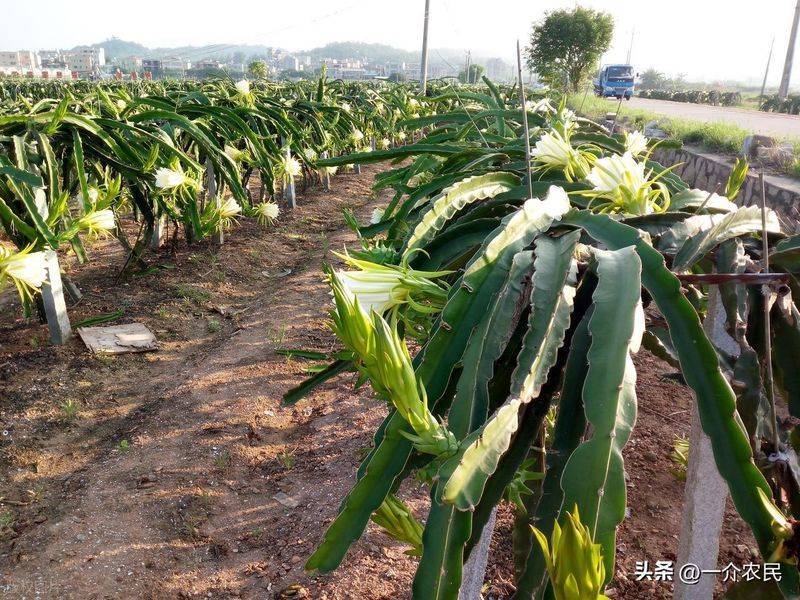
The core pains of the pyramid fruit cultivation are pollinating (only flowering, not fruiting), fibrosis, lack of sweetness, lack of success of branches - – many newcomers have planted flaming nuts, which are “frequently flowered, cleavaged, freckled, long-stretched” because of cutting and cutting, artificial pollination, and poor management of water fertilizers
This national general strategy, ranging from the selection of varieties, embroidery to the cutting of sparkling flowers and sweet harvests, will help you to grow high-quality flaming nuts full of fruit, red and sweet and juicy
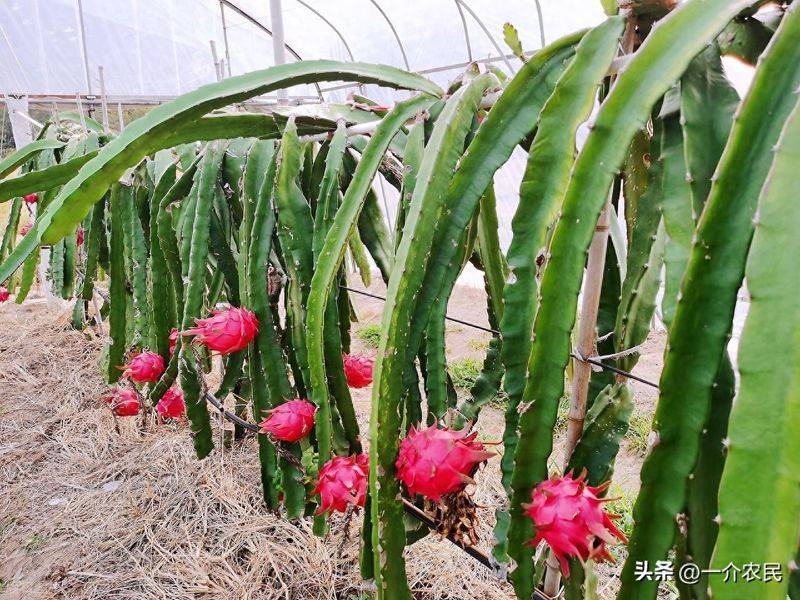
I. Recognition of flamingo nuts: “high-yielding code” for lazy fruit ii. Multicropping in the north and the south: time + precision of varieties
Pyramids are divided into red brocade by the colour of the fruit (sweeter taste, high plume, low rate of self-plowing, requiring pollination tree), white brocade (sweet mouth, high rate of self-powdering, easy to grow); and red skin and yellow leather by the colour of the fruit (precious berries)。
Northern (north, north-east, north-west) 2. Southern (south, east, south-west) 3. The balconies exclusive programme (north-south)
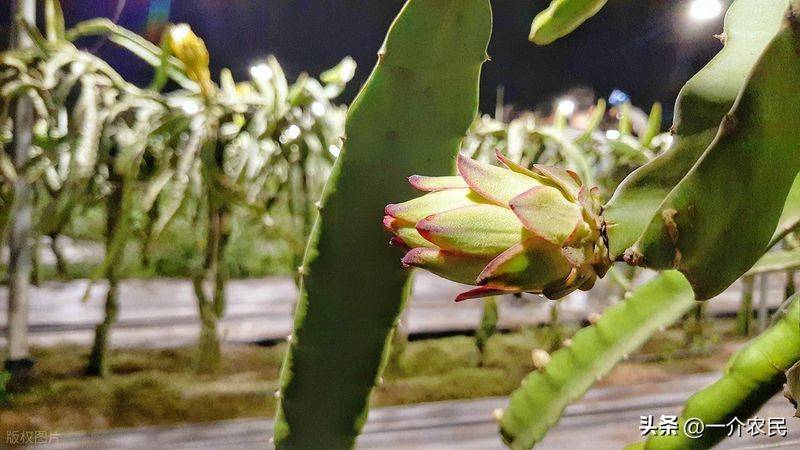
Iii. Complete tests: zero failure step 1 of the new hand, from zipping to harvesting: (zipping is dominant, with a survival rate of more than 95%)
Core principles: pyramids are extremely easy to live, cutting out the staggers directly, growing up that year, producing results the following year, without seed breeding (seed breeding is highly variable, with late results)
Step 2: plantation (roast chickens, high-yielding base) step 3: field management (creasing, fissure-proofing, sweetening key) iv. Pest and pest control: avoiding problems such as “gooses, worm bites” 1. Physical problems (non-pesticide curable, with emphasis on prevention)
Collection and conservation: key 1. Timing and methods of harvesting 2. Economic benefits (national reference) vi. Techniques for sheltering pits in households: newers must look at the core points of review and recommendations for action
Core points: the key to the cultivation of the pyramid fruit is “polymerized seedlings, acupunctures, plating, artificial pollination, control of potassium by water” and avoiding the three pits of saping roots, long branches, failure of pollination, red meat growing in the field of the south, self-plowing varieties growing in the northern basin, management of which is 20-40 in a single plant, achieving “one tree for six months”
Proposals for action:
Flamingo is the “king of loafing fruits”, with good harvests from drought-resistant, infestation and infestation, and from years of growing, whether on the balcony or in the yard. With the two cores of "cutting down, artificially pollinating", the newbies can grow high-quality flaming nuts full of fruit, sweet and juicy, to meet the health needs of their families