A bowl of only two sour grapes last year turned into a full pot of sweet nuts for 365 days with a “four-season cutter”。
The key is to trim, shear, control, concentrate the nutrients on the fruit and keep the leaves out。
The method is derived from a trimming given by a former horticultural forum with 30 years of experience, which is done step by step by step, without lazyness for a whole year, and ends with the distribution of grapes to neighbours, with marked differences in sweetness, taste and appearance。
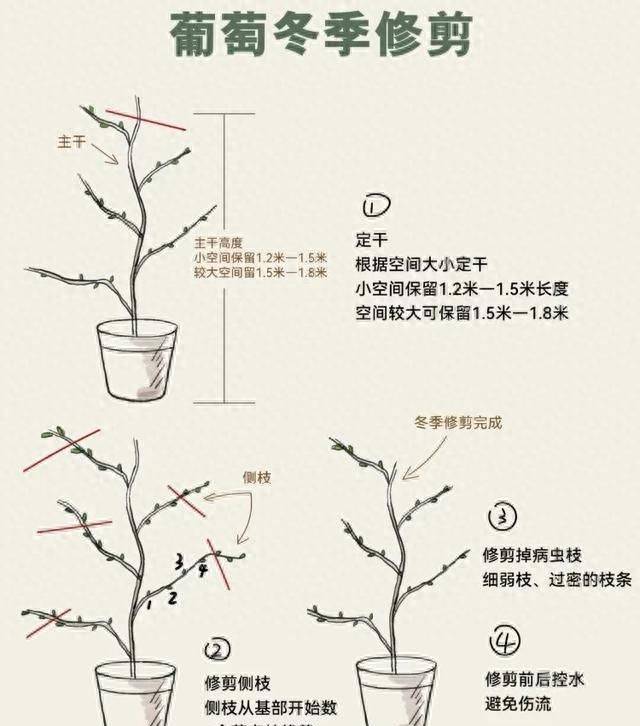
Rehabilitation begins with the stairwell of winter。
The backbone is fixed at 1. 3 metres, which facilitates the management of the balcony and allows light to reach every leaf。
When the skeletons were set, only a few strong branches were left, each of them had four buds on the wood of the past, and the rest were cleaned up。
The thin branches, the sick branches, the cross branches, the inner coils are processed cleanly, the cut is flat, the cut is half a centimetre above the budding eye, and a small slope is kept to allow the water to flow。
The plant space is limited, the more clear the skeleton, the less conscious the back。
After seven days of winter cutting, an “embracing” is done once, with a small knife to the upper edge of each pre-emergence eye, reaching only to the cortex and without damage to the wood。
This small action interrupts the top edge, and in the coming year it is more organized and less empty, suitable for a plant that requires precision-control buds。
The wound is dry as a matter of course and does not have to be coated repeatedly。
On the same day, the winter cut-off cleans up old leaves and dead branches, replaces the basin with two or three centimetres of old soil, adds ripe organic fat and gas, and sets the end of the year ahead。
The spring sprouts only sprouts。
Each of the results is kept strong and well-positioned, with small, inner, too secret direct elimination。
The whole basin is maintained by six to eight main branches, with more light not going in and disease prone。
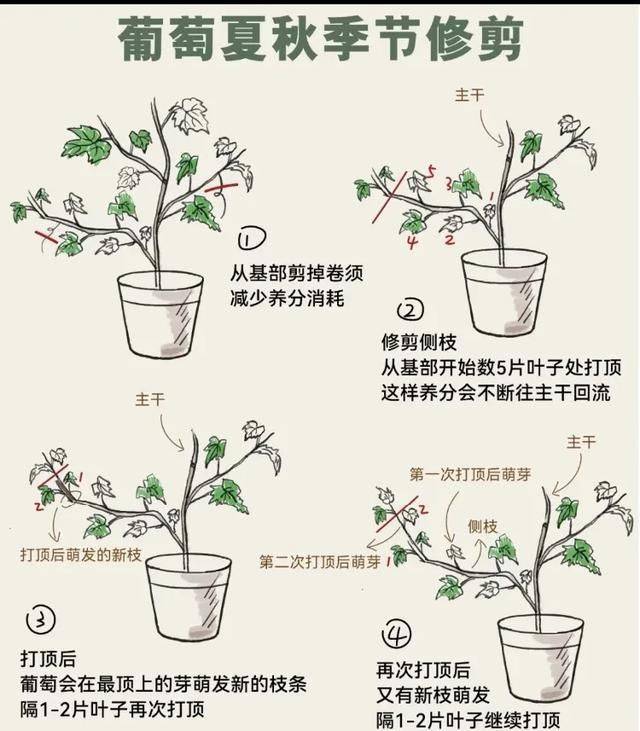
The branches are pulled to 45 to 60 degrees, fixed on the stairwell with a string, the angle changes, the branches no longer march up, and the buds become more stable。
After a period of growth, when the top of the branch is seen to start to grow, it hits the top, chokes off the top, controls the length, and allows nutrition to go to the fruit。
Over and over again in the spring, instead of being put in place once, it is preferred to be handled lightly and more frequently。
The sun is strong, the sun is tanned, ensuring at least six hours of direct light per day, so the leaves are thick and the buds have the bottom。
Fertilized water is mainly used to grow before flowering, with a small amount of ablution of ablution with organic fertilizers, and a reduction in the proportion of nitrogen when the raisins appear, avoiding the frowning of nutrients。
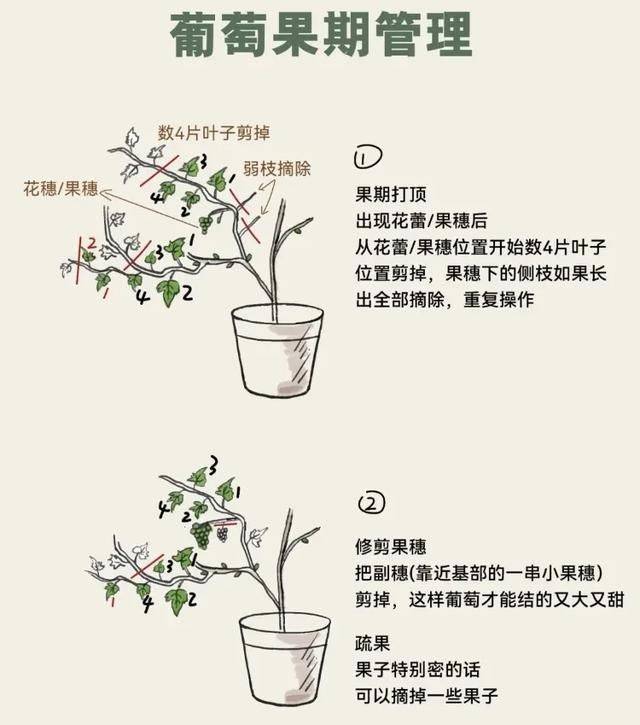
The fruit lumber comes out and starts fruit management。
The upper part of the ear is strewn, so that it is compact, and the long ear varieties, like giant peaks, and the sun roses, can keep their shoulders and remove the last fragrance。
The size of a ear is measured by variety, with 30 to 40 large peaks, and the fragrances may be reasonably larger and compact but not congested。
If you're going to lose your cosmopolitan, you're going to have to keep your main ear。
The spacing of the grains is too close to make it boring, and the post-ventilation is bad。
After flowering the fruit, the bystand management uses a combination of "crunch + twist"。
The dosages are not fully cut, leaves one or two leaves, strangles the tip, then twists in the subtips to the point where it can feel light fibre pulling, but the branches continue to crack, changes in the angles, slows down the flow of the juice, stops rushing, and leaves help make sugar。
This practice is more stable than a single cut, with small plant space, and excessive short cut-off stimulates the emergence of new and stronger bystanders, which is more disruptive。
Watch within a week. If you look up again, you can do it again。
It is important to prevent disease in the event of death。
The balcony is less ventilated than the ground, and is prone to anthrax and late decay when it is damp。
The fruit bean bag, the usual paper bag instead of plastic bag。
The paper bags are ventilated with bacteria that prevent the spilling of rain and prevent bird pecking and reduce sunburn。
The bag is preceded by a examination of the fruit grains, the axle is free of disease, and the pocket is tight to leave a finger-size respiratory stitch。
Touch the surface of the bag after the rainy day and if it is damp for a long time, pick a clear day and dry it。
The bags do not affect the colour, and many households have better colours and protection of the pollen。
Water from the pelvis must be steady during the period of the expansion of the fruit, and it must be dry and unwatered, avoiding continuous water shortages and subsequent flooding, causing the cracks of the fruit grains and diluting the sweetness。
Water control is not dry. It's drying up the pelvis to the point。
Potassium fertilizers of potassium sulphate during the chromosomal chromosomal period of fruit, with a lower concentration of 10 days and a small quantity of more than one, do not spray fat, and long-term humidity of the leaves is the favorite of the bacteria。
The main task during the summer autumn period was to “lock nutrients”。
When new heads come up, they strangle the point and return to the number of leaves set。
The entanglement of the twigs is so severe as to strangulate the branches, and when found, the stairwells are loose and the wind is not bruised。
Each result branch retains between 12 and 15 mature leaves above the ear of the fruit, rather than large-scale leaf harvesting。
The leaves are the sugar mill, and when they're taken, the fruit is not sweet。
The heat of summer is high, the leaves are at risk of burning, and those who are covered after noon, can make a little shade so that the leaves are not yellow。
In the vicinity of the goo, the bag can be pumped for half a day, so that the temperature in the bag is not too high。
After autumn, the weather cools, the new hair will slow down, the break of the top will stretch, the established skeletons will be maintained, the branches will be updated in the coming year will be preserved and the hope branch will not be cut off by mistake。
The bottom logic of this approach is simple。
Grapes are fruit trees with the result on the branches of the year, the buds split in the last season, and the next season grows, blooms and results。
Set the bone frame, keep the number of buds under control, and the nutrient distribution is clean for the whole year。
The top edge of the branch pulls energy upwards, twists, pulls, hits the top, is to modify the course and growth of the juice to concentrate the nutrients in the ear。
The leaves are made of sugar, and the fruit ears are used for sugar。
A leaf size of about one foot is maintained above a sap, and the sugar supply continues。
This balance is given greater weight than in the field, as there is little soil, little space at the root, and little room for buffers after imbalances。
Varieties also need to be considered for management purposes。
The giant plume is large, the twigs are tougher, the grains are small and the sweetness is more stable。
The fragrance of gold is heavy, thin, sensitive to water changes and more steady。
Sunshine roses are required for ventilation, and more attention should be paid to drying the bags behind the bags。
Some round leaves produce secondary results in warm areas, but the plant does not recommend multi-season pursuit, putting the first season in place and leaving a small amount of sight for the second quarter before the trees are empty。
The old branch's renewal has been rotated for three years, leaving a strong new branch of the current year for the next year, and the old and the weak will be phased out so that the tree will not grow worse。
Fat water is a match, not a lead。
Prior to the spring bulge, the pelvis was buried in a slow decomposition, a little organic liquid fertilizer was added before flowering, followed by potassium, and the nitrogen ratio was lowered。
When the leaves are yellow and light, do not immediately fill the nitrogen, look at the roots and see if the pelvis is sheeted, and if necessary use a wooden stick to hit the air vents and improve the breathing of the roots。
There are two areas in which newcomers are often wrong, one is afraid to cut, the other leaves are thick, the wind blows, the light doesn't shine, the other is sour, and the other is too hard to cut, the leaves and the spare branches are knocked out, followed by countless new sprouts and trees。
Check yourself against the three points of “clear skeletons, clearly sprouts, foliage balance”。
With regard to the disease, it is easy to see powder, frost, anthrax and late rot。
Ventilating, drying is the first line of defence。
The water is watered with soil, not leaves; the density is controlled and the bag breathes; and after the rain, the tray at the bottom of the basin is poured into the water, so that the roots do not bubble for long periods。
Early white dots of powder can be cut off in a timely manner, the ventilation improved, medications not readily available in family conditions, management solids and the disease lightened。
When serious, the drug is described as the right route, the interval is in place and the application is avoided as much as possible during maturity。
A week before maturity, the water is contained, so as not to allow the rain basins to move to covert areas when necessary。
Tools and small techniques can improve success rates。
Before they are trimmed, they take a whole set of photos with their cell phones, draw the branches they want to leave, do a “surgery plan”, and they don't hesitate。
Scissors are sharp, disinfected, cut clean and the wound heals quickly。
The branch angle can be measured by a small angler, 45 to 60 degrees of experience, no guess。
Angular angles in a mobile phone are used to point to branches and horizontal lines, with minor errors and a sense of hand training。
After winter cut, it's sprouts, and spring finds that it's all right, and it's more confident。
A system of research using cameras to collect tree shapes and automatically give recommendations for cutting is also available on the market, mainly for use in daejeon, but ideas can be applied, and home planting can also make decisions more precise by taking photographs, drawing lines and sprouts。
The results of the case are clear。
The original plate of grapes, which contained only two sets of yogurts, had one full year of trimmed and managed, and one full year of the following year, with even grains and a marked rise in sweetness。
The tasted neighbours say it's sweeter, softer, thinner and chewy。
The number of leaves kept by the recorder after the swirling was stable, the post-pack disease rate was reduced to very low, and the back of the gust was well and less。
The backsliding has contained the madness, the new steps have contained the altitude, the balcony space has not been occupied and the light conditions have remained good。
Winter sprouts reduce space, springs are full and management rhythms are much easier。
Together, these details form a reliable path。
This is a direct source of inspiration。
If the grapes are to be sweet, the management must be forward and the cut must be in place。
A leaf is much longer than a harvest, and a plant is more important。
The sweetness of fruit comes from the light co-operation of leaves and the rational distribution of trees, cut and not cut, and the difference is in that distribution。
For grapes that have grown in discomfort in their homes, they can begin this year with winter cutting, setting, fixing, germing, sprouts in the spring, ploughing, sprouting, twisting, bagging, maintaining the balance of the leaves and cleaning the rolls。
With sufficient sunlight, airbath soil and steady fat water, patiently one year can see change。
Common varieties such as fragrances, giant peaks and sun roses have all been validated in small areas of the balcony。
If you want to move more steadily, you can put the three new methods of twisting the "paper bag" and "winter sprouts" in your list, depress the tree and lift the sweetness。
In the long run, turning the practice into a habit, with every passing year, does not bring down the tree。