Chapter ii biological characteristics i, morphological characteristics of potatoes
The normal cultivation of potatoes is bred by tubers in different forms. It's 50-80 centimeters high. It's in the top and the bottom. Round, round or long circle. Potato skins are white, yellow, pink, red, purple and black. Potato meat is white, yellow, yellow, black, purple and purple. Plants grown from seeds form the long roots of both the main and the side of branches, while those grown from the tubers have no roots and form only the roots. First-born leaves are single leaves, full-scale. As the plant grows, the plume is formed. Ceilings are formed with white, blue, purple and red berries。
1. Root
The potato roots vary according to the method of reproduction. The roots that are bred with potato seeds are straight roots, with clear roots and branches; the roots that are bred with potato troughs are not different from the root and must have roots. Depending on the place where it occurs, the roots can be divided into two categories: one, known as the first root, known as the first root, known as the budding root, which has a strong branch power, which is the main absorbent root, and the other, which occurs around the root of the subterranean stem, with three to four strips growing on each of the lengths, known as the root, which provides water and nutrients exclusively for the yams, which is particularly strong for phosphorus fat, and contributes to the accumulation of powder in the stem。
Potatoes belong to shallow root crops, most of which are found in the soil tillage layer, around 30 cm. The depth of the root system is generally lower and smaller in the range of pre-cooked varieties. Soil and planting conditions also have a direct impact on the distribution and depth of root systems。
2. Tube
It's in the top and the bottom. The cross-sectional face of the top of the earth is rounded at the node and the inter-council part is ambiguous, ambiguous or ambiguous and has hair. (b) an underground tubing round, an egg round or a long circle。
The truncheon on the potato floor is a branch drawn from the bud's eye. On the edge of the roof of the potato's ground, there are ablaze wings, with straight and wave wings, which are of an identifiable nature. It's usually 0. 5-1 meters, with four to eight branches. The height and branch size of the potato plant vary according to the variety of species, with shorter, shorter and fewer branches in the pre-literated potato species, and large, large and larger in the mid- and late-cut potato crop. Owing to the different degrees of verticality and tilting of the head of the potato field, the plant is divided into two categories: straightness and scavengers, which are not conducive to fusion with other crops. The rise of potatoes is usually green, and some varieties are of light purple or other colours that distinguish the characteristics of the species。
Potato tubers are a form of subterranean perverts, with the end of the subterranean truncheon forming a large and irregular block, with a well-developed thin-walled organization suitable for storage of nutrients and winterization. There are many buds on the surface of the tubers, which are generally chorded in spirals, with two to three blisters in the buds, only one of which tends to grow and grows new branches, so the tubers are available for reproduction. On the growing tubers, the surface is circumcised and has a few skin holes. On the cross-sectional side of the tubers, the cortex, the external pelvis, the wood, the internal pelvis and the central marrow can be distinguished. In terms of appearance or structure, it's a disease of the penis。
3. Leaf
First-born leaves are single leaves, full-scale. With the growth of the plant, an odd number of plume is formed, with a length of 10 to 20 cm; leaves are 2. 5 to 5 cm long; leaves are 6 to 8 are small, with eggs up to a long circle, with the maximum being 6 cm, a width of 3. 2 cm, and the smallest being less than 1 cm wide, with the first tip, slightly different foundations, absiliation, both sides of the side, 6 to 7 strips, with a slight curved frontal length, and a small leaf handle of 1 to 8 mm。
Flowers
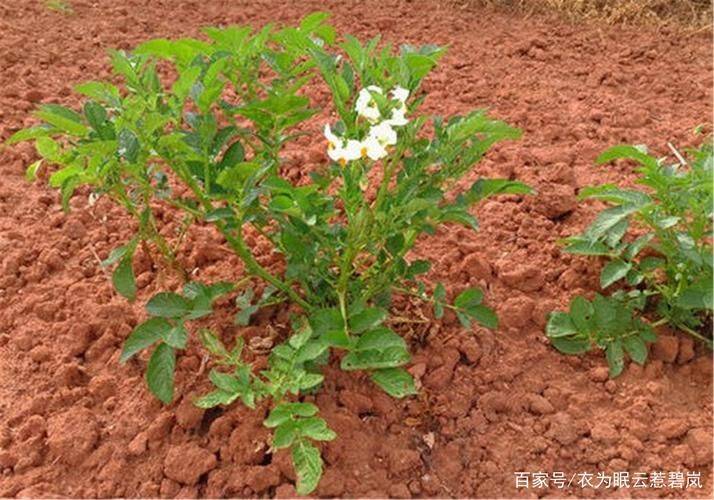
The potato flowers are in the order of umbrellas, and the buds are divided by the top buds. On the top of the wreath there is a clear bulge. It is an edifice, called an ionosphere. The crown petals, pentagons, white, light purple, purple, purple red, etc. One female, born out of five, has six or seven. Each flower has a little flower crotch, and the little flower bouquets on the bouquets, each of which produces two to four flowers. Each flower lasts three to five days, each flower lasts 15 to 30 days, usually at 8 a. M. And closes at around 6 p. M。
Pre-cooked varieties have few flowers, usually one layer, with shorter periods and early drops of side buds. In addition to the main branch, the side branch also blooms, usually on two to three floors. Potatoes are home-grown pollinators. However, there are fewer species that can produce natural results due to differences between columns and pollen maturity or poor pollen development。
In the case of redin or violet cross-sections of the flower coronary base or sub-house, the tubing is also coloured and can be identified with the skin colour of the tubing. The colour of the male and the shape of the female luminaries, straight or bending, and the head of the female are characteristic of the identifiable species。
5. Fruit
Potato fruit is round, smooth, brown or purple, approximately 1. 5 cm in diameter. Seed kidneys, yellow。
Ii. The birth cycle
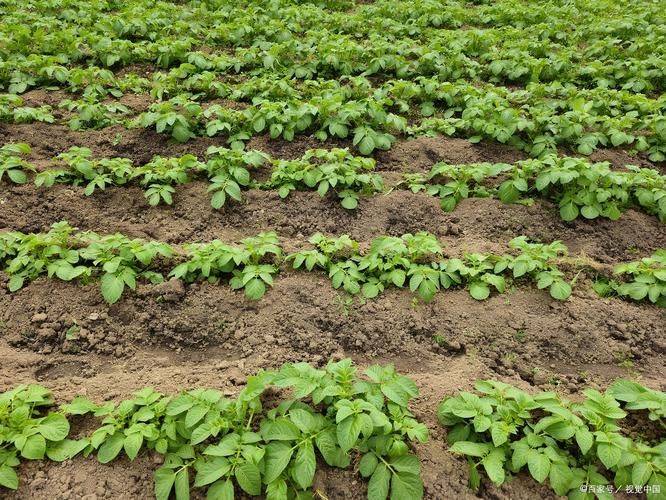
The full fertility cycle of potatoes can be divided into five periods: hibernation, gestation, seedling, gestation and potato。
1. Rest periods
After the potato is harvested, it is placed in an environment suitable for gestation for long periods of time, which is a physical hibernation and an adaptation to a bad environment. The truncheon hibernation begins when the tip of the truncheon stops polar growth and the truncheon starts to swell. The length of the hibernation period is related to the storage of the tubers and to the availability of timely seedlings after seeding, and hence to the high and low yields. The length of the potato hibernation is strongly influenced by the temperature of storage, which varies from about one month to more than three months under conditions around 26°c, depending on the variety. At temperatures of 0-4°c, potatoes can remain dormant for long periods. The hibernation of potatoes is determined by the direction of the activity of the enzymes and is closely related to environmental conditions。