In the last two years, hydroponics have become a real fire, and in the growing circles of housewives like us, everything can be bred。
Ame brought water for the vegetables of melons, potatoes, cabbage, peas, cabbage, etc., and then watered all kinds of fruit cores, beans, etc。
On the road to hydroponics, it's so interesting that ame will take you all together today。
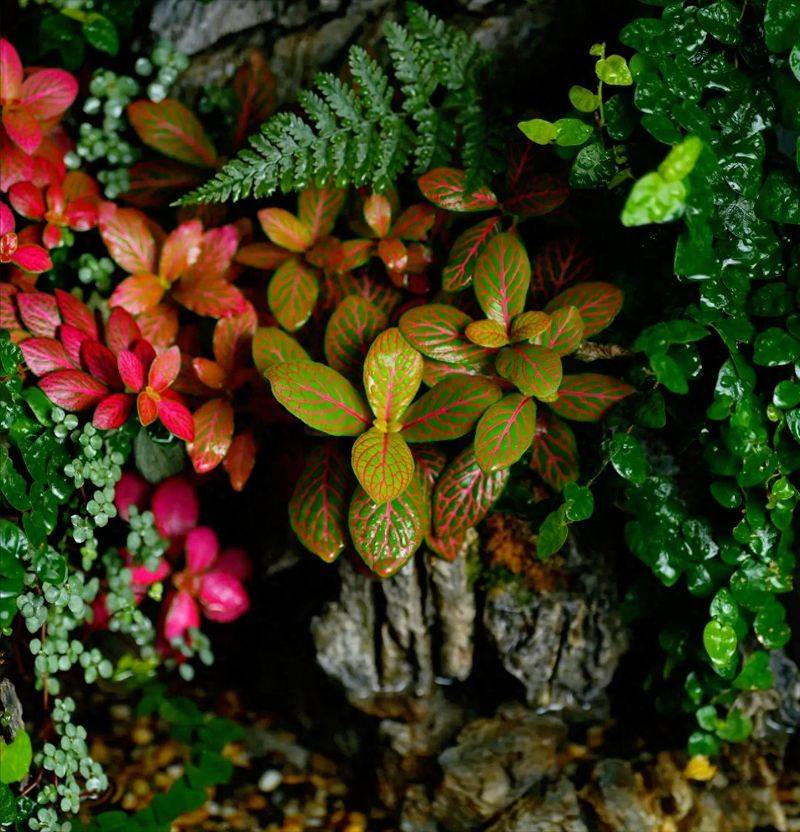
Net-grass is a mini-green plant with a radiance of leaves, with white, pink, red and clear veins, like carefully drawn flowers, small and delicate, and a micro-pastical plant that has been the most popular in recent years, with desktops, desks and windows。
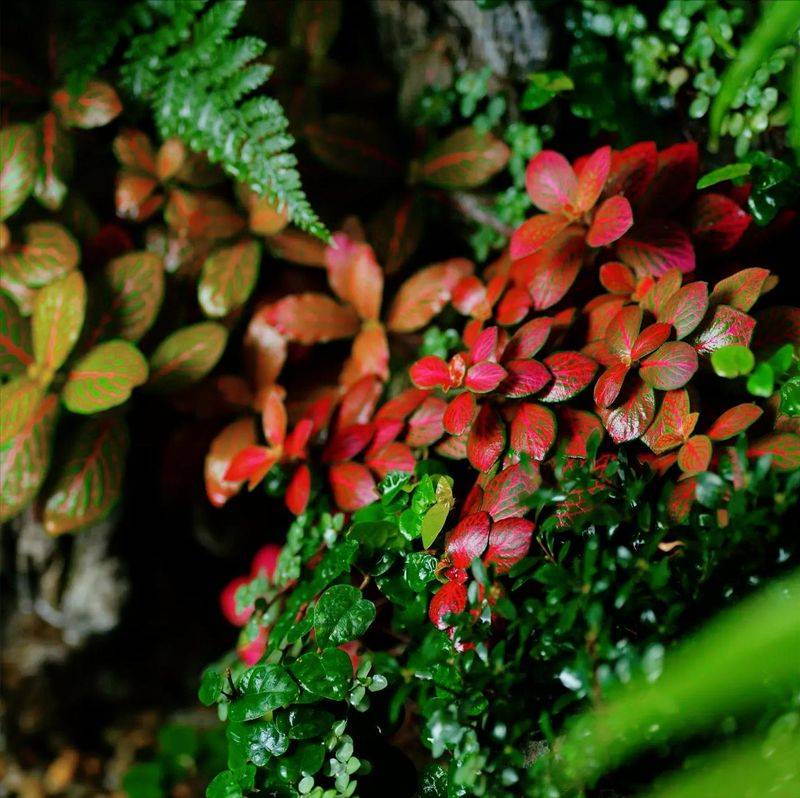
It is small in size, small in colour and fresh in colour, which can be both earth-breeding and hydro-breeding, while water-breeding grass is clean and white in its roots, and is more attractive and well suited for indoor fine conservation。
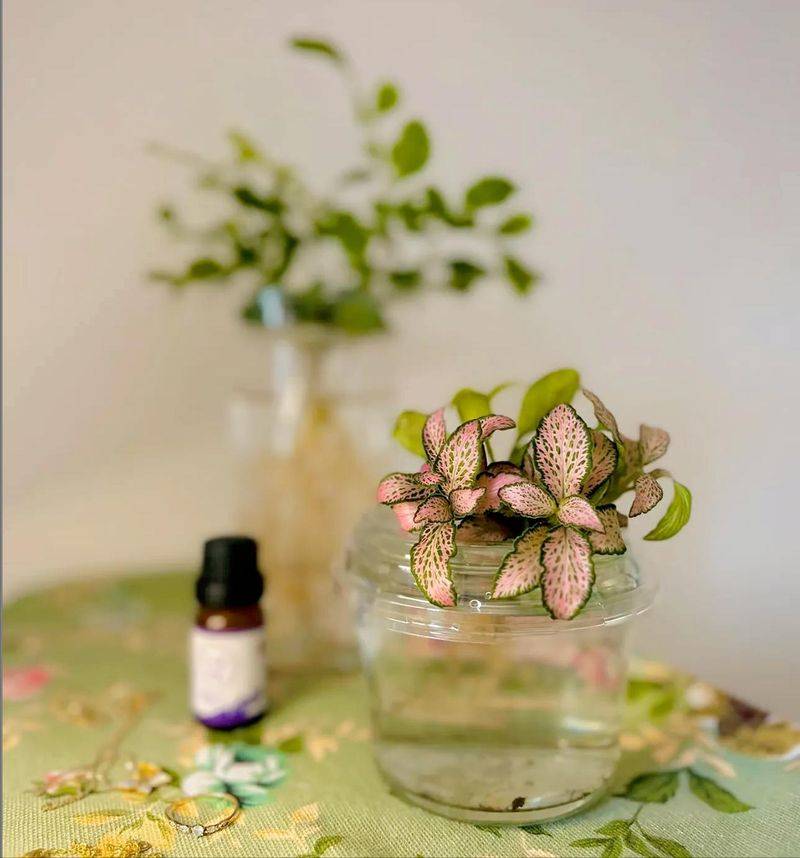
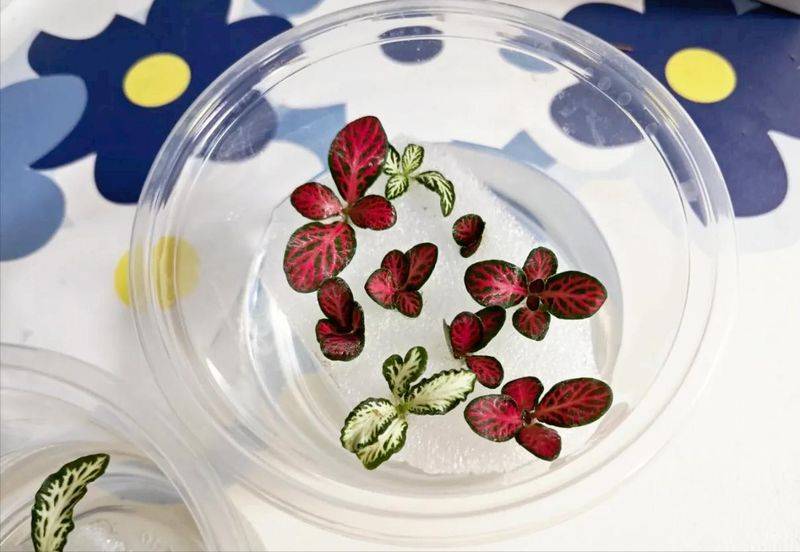
The first step of hydroponic weed is to select a healthy plant, clean clean the roots of the soil after debasket, cut out the rotting roots, dead roots, weak roots, and put them in transparent glass bottles or water preparation basins without having had a root of 1/2 to 2/3, so as not to fully impregnate and avoid oxygen-depletion。
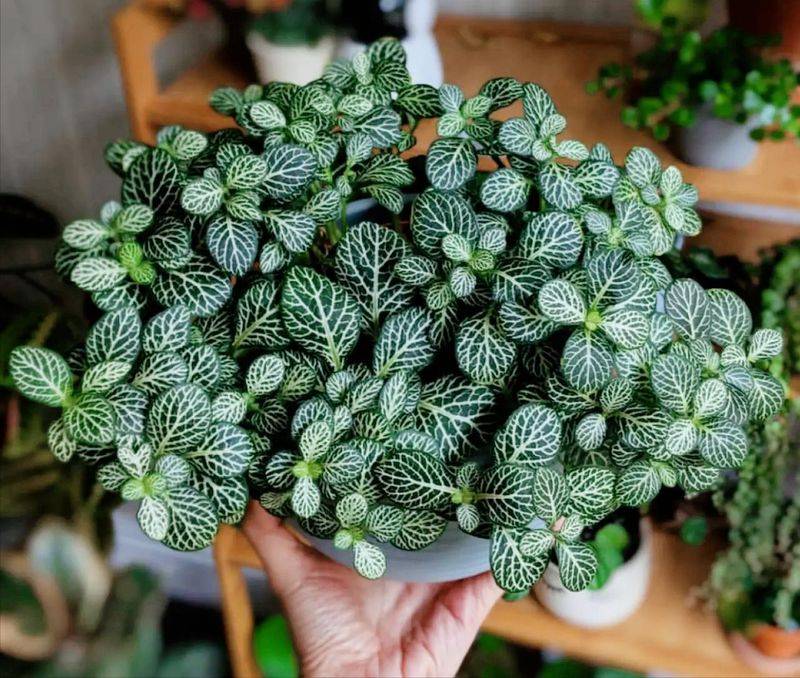
Water quality is used for running water, which changes every two to three days during the first two weeks, and once a week after the roots are stabilized, so that the water quality is clear and clean so that the roots can grow healthy。
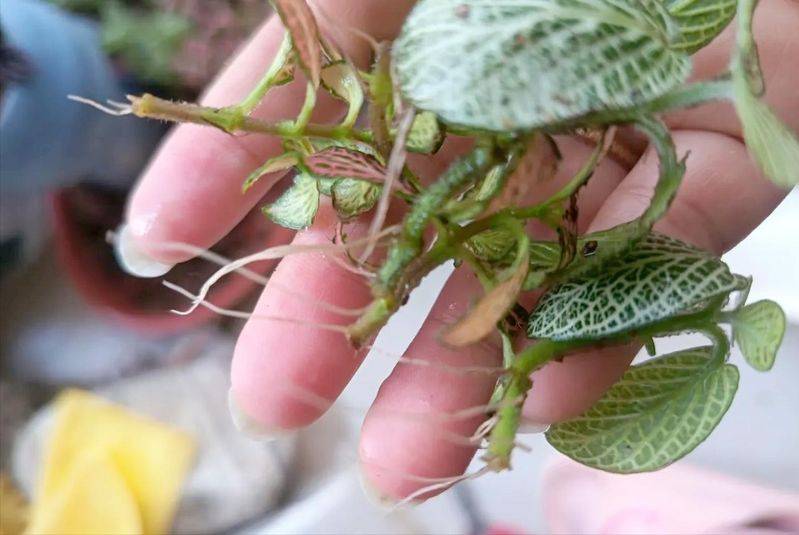
With regard to light, weeds like bright dispersing light, inhibition of flashing light, which can lead to leaf burns, blurring paths and yellow drying。
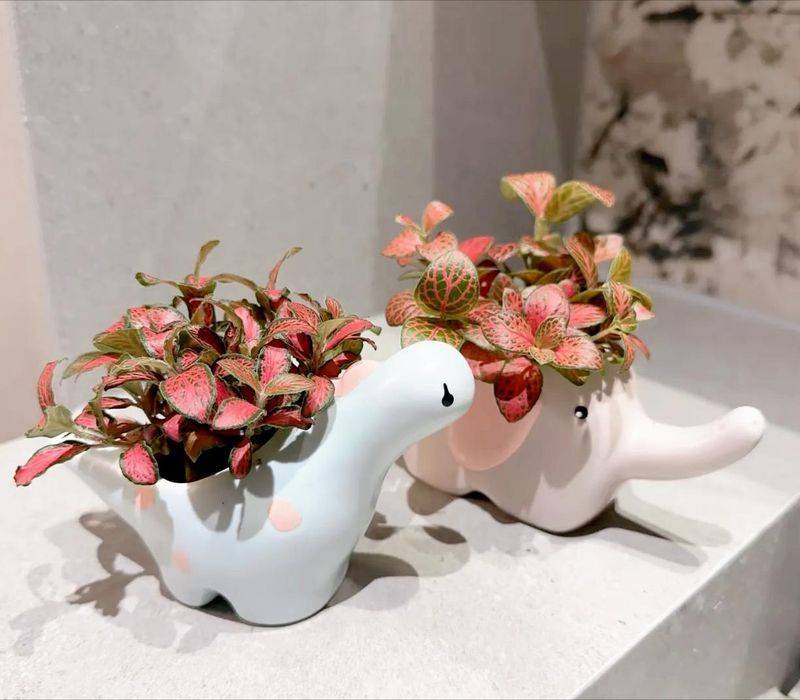
Long-term dark environments can lead to long planters, thinner leaves, lower textures, and best placed in soft spots such as desks, windowsills, living rooms, etc。
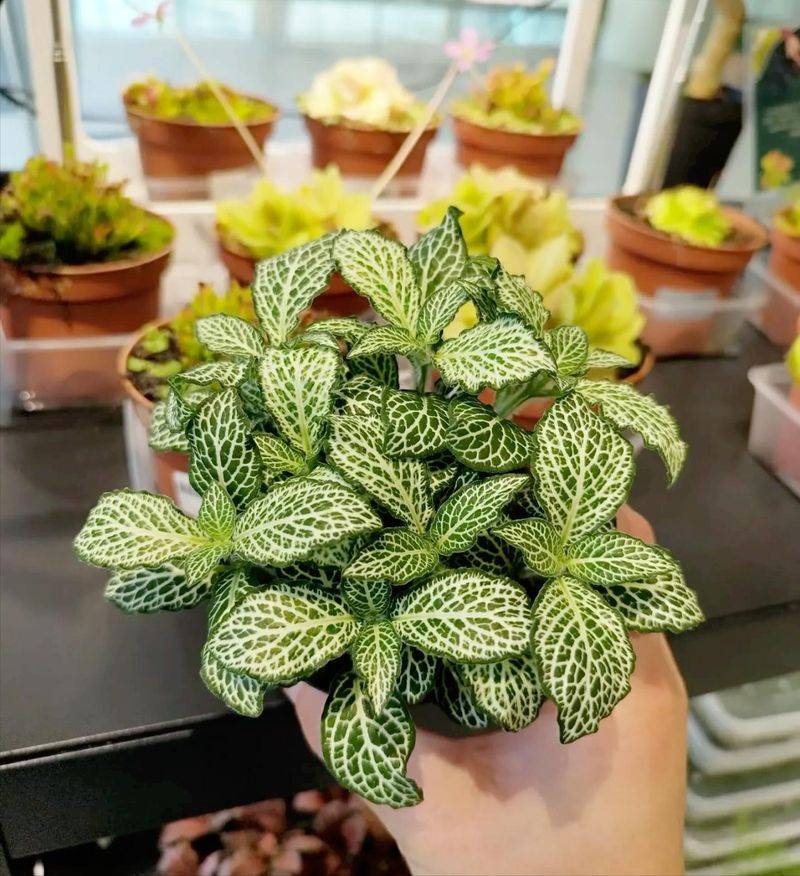
The suitable growth temperature is 18-28°c, and the winter temperature is not less than 10°c, and low temperatures are prone to freezing injuries and foliage。
Humidity is the key to raising weeds, and it prefers a wet environment, where leaves can be curled, dried and dropped when the air is dry, and can be sprayed daily, increasing environmental moisture and keeping the leaves full of light。
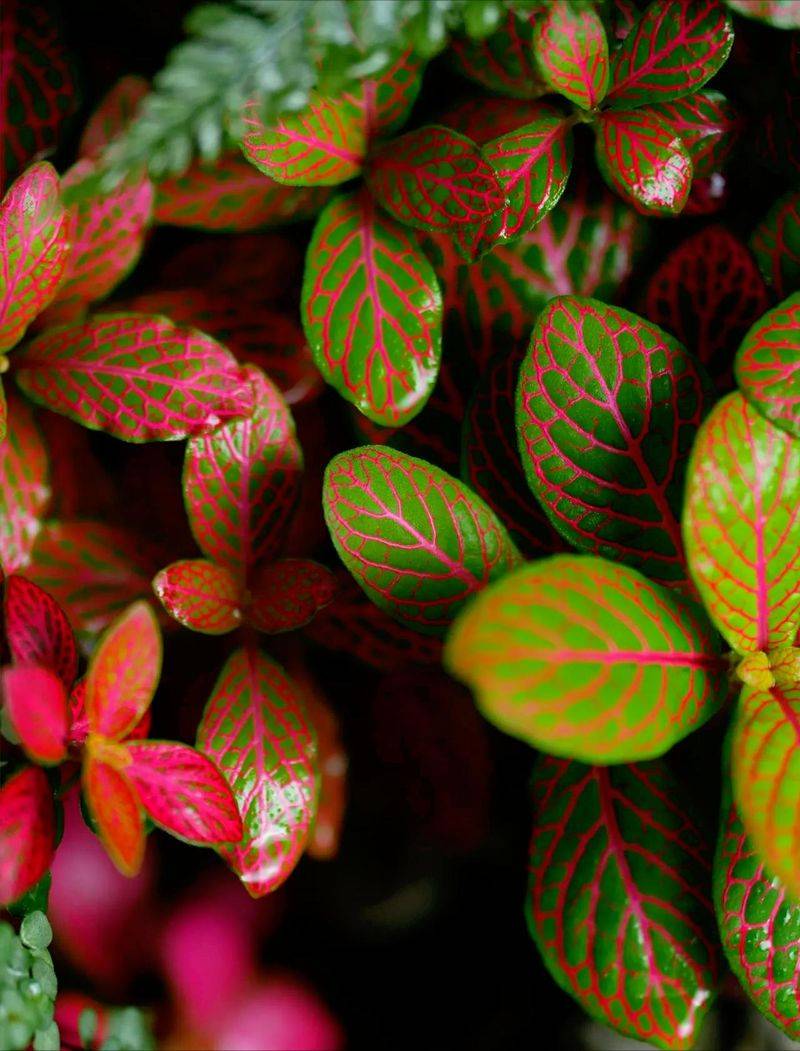
Alternatively, the problem of air moisture is perfectly resolved by being raised directly in high-wall containers。
The high humidity of the hydroponic environment makes it easier to maintain the foliage status than that of the earth, which is also why weeds are better nourished。
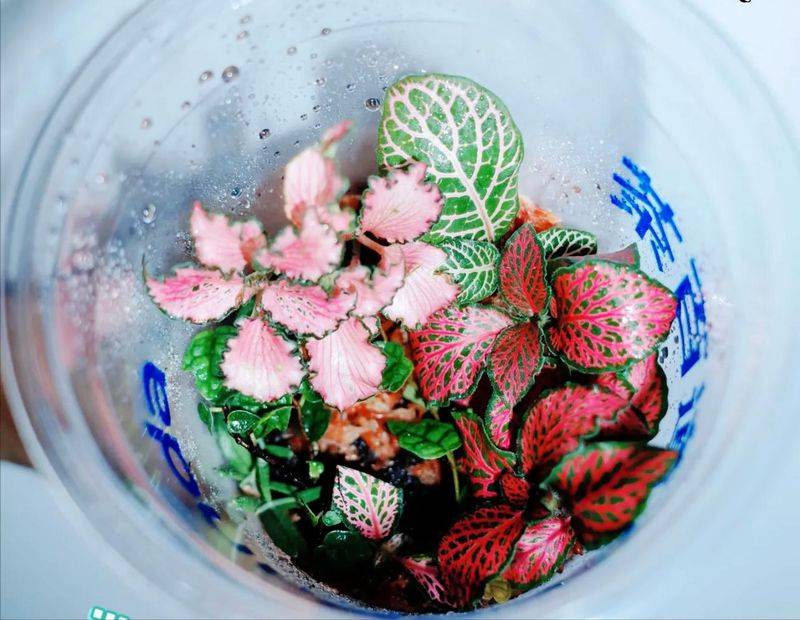
Day-to-day maintenance does not require excessive fertilization, with one or two drops of hydroponic nutrients added each time water is exchanged to meet the demand for growth, and excessive fertilization can lead to damage to roots and yellowing of leaves。
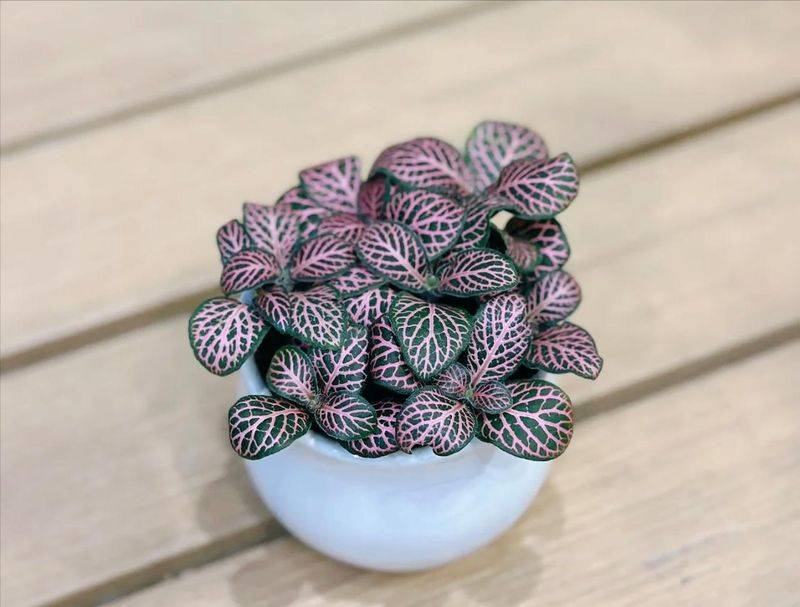
In the event of a sprawl, it is possible to trim long branches, promote branches and make the plants more compact and profitable。
It's not a bad thing to cut it off and breed。
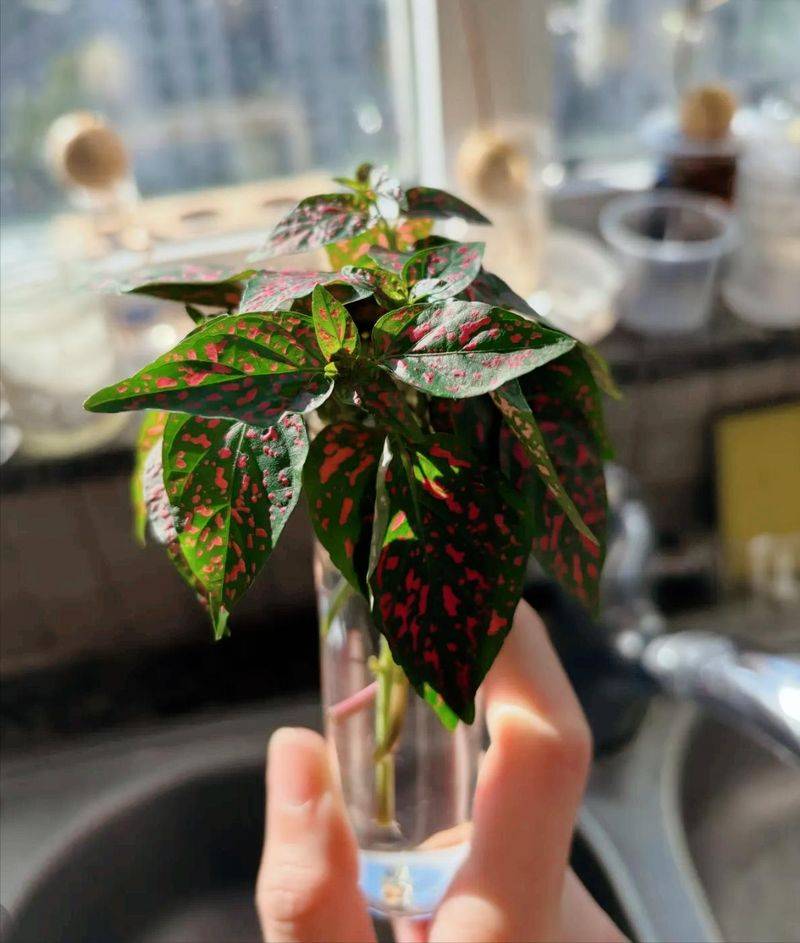
The common problem with weed is leaf curls, yellow hairs, rotten roots, which can be solved if you find out why。
Most of the leaf curls are dry air or too much light, and can be restored by increased spray and shade。
The yellowing of leaves is often mitigated by poor water quality and excessive application of fertilization, which allows for timely water change and suspension of fertilization。
The rotting roots are caused by excessive water levels or lack of ventilation, cutting them off, lowering the water levels and enhancing ventilation, which will soon lead to new roots。
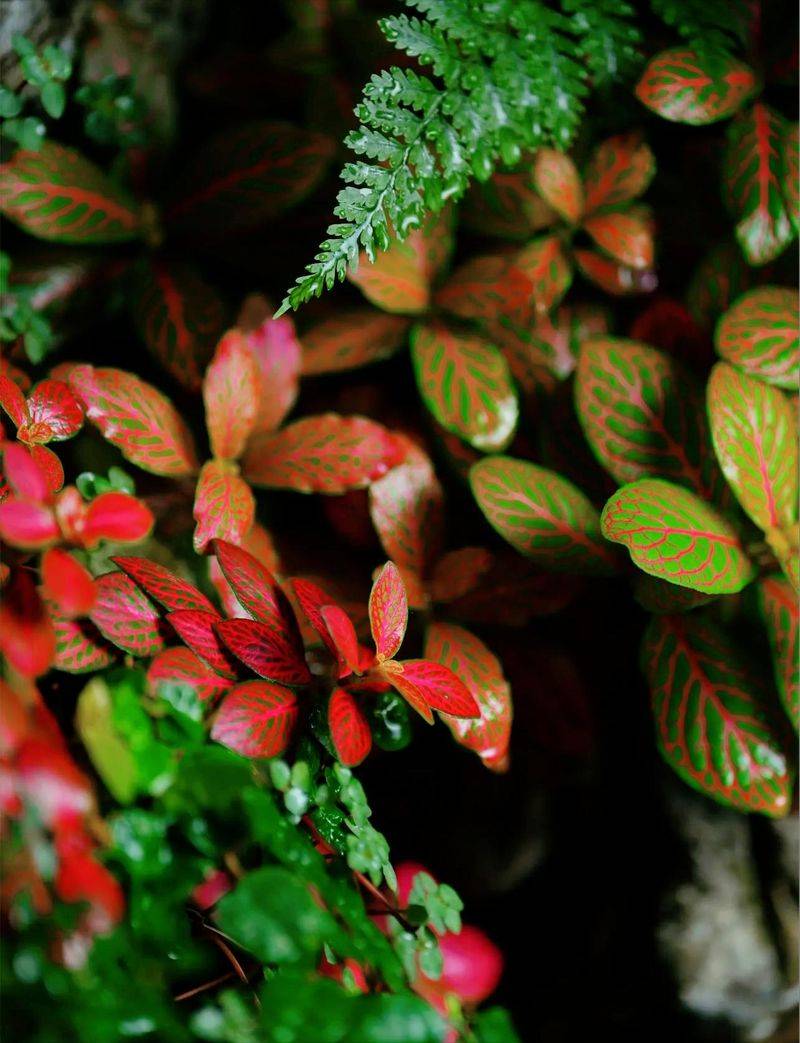
The healing power of weed lies in its small but fine beauty, showing the fineness and tenderness of life between inches。
It is quiet, small, fresh, space-free and trouble-free, but heals the fatigue of work and life with fine leaves。
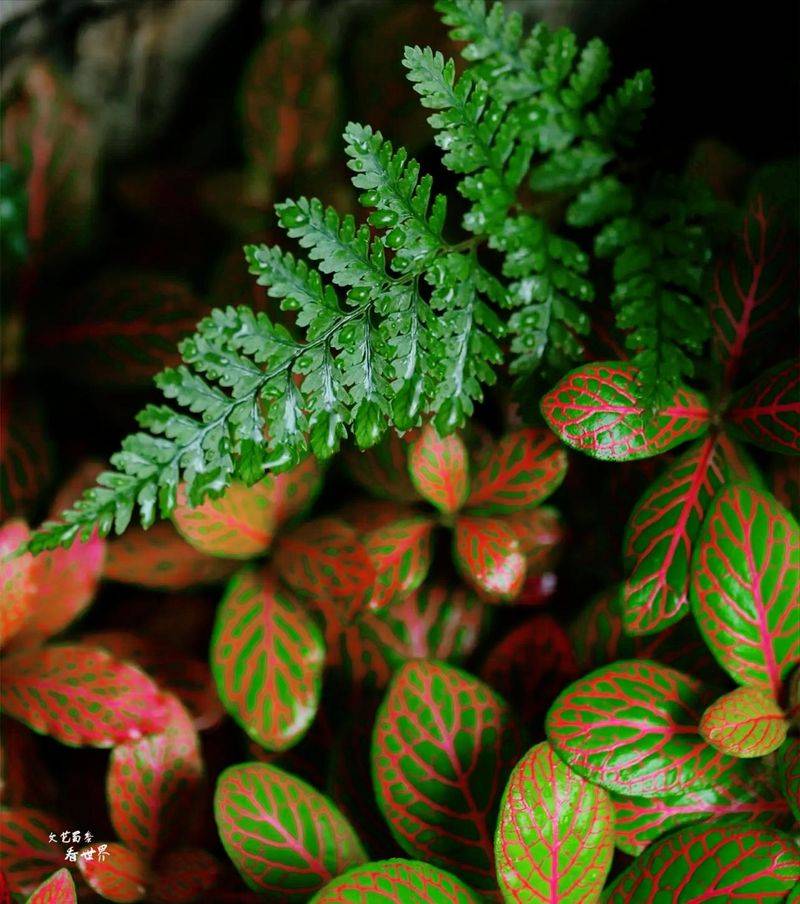
For those who like mini-greening, clean conservation, high-carrying desktop plants, hydroponic grass is an irreplaceable treasure, and a bottle of grass is a small cure for one side。
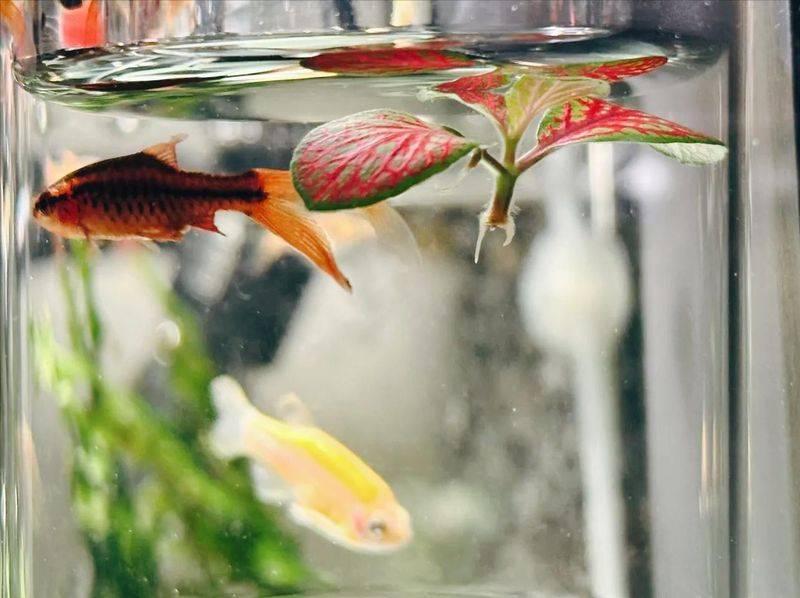
It's easy to live in a fish tank。