


Onions belong to the limo plant, a multi-year grassland plant. Its leaves are long, green, tube-shaped, soft and soft, and they are rich in onions. The roots of the onions are stubble, mainly in the soil surface, and have a strong absorptive capacity. The following is a study of onion farming techniques and management methods。
1. Land selection
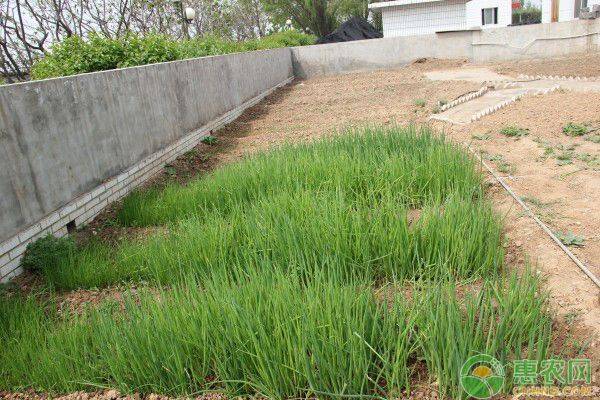
Onions are suitable for growth in a wet, lax, fertile and well-drained environment. The selection of the field of cultivation should be done in such a way as to avoid the pre-planting of onions, garlic and pickles, which would not only contribute to the growth of small onions, but also effectively reduce the incidence of pests and diseases。
After the selection of the land, the clearing of the garden will begin with the removal of grass and the remaining crop roots. The soil was then pushed deep, at a depth of about 30 centimetres, to give the soil sufficient air. The soil is tanned for a few days in the sun, using ultraviolet sterilisation. Before seeding, heap-based fertilizer is used, which allows for the choice of decomposed organic fertilizer, such as sheep or chicken dung, to be levelled on the plantations and then rolled over to the soil to ensure full integration. And finally, we're going to have to get the soil cleaned and ready to sow。
2. Cultivation methods
Onions are usually broadcast live in ditches. In order to increase seed growth rates and reduce the onset time, seeds are sprayed in warm water at about 55°c for 20 minutes before seeding. The seed can be soaked until the water temperature is naturally reduced to room temperature, so that the seed is fully pumped and then leached。
In good soil, tools are used to draw a few shallow trenches with a distance of about 15 cm and a depth of about 1 cm. Water is poured in the ditch, and the treated seeds are distributed evenly into the ditch, covering semi-dry soil of no more than 1 cm thick. The soil should be wet before the small onions come out, but water should be avoided. Under appropriate temperature conditions, small onions tend to grow in about 7-10 days。
3. A seedling plant
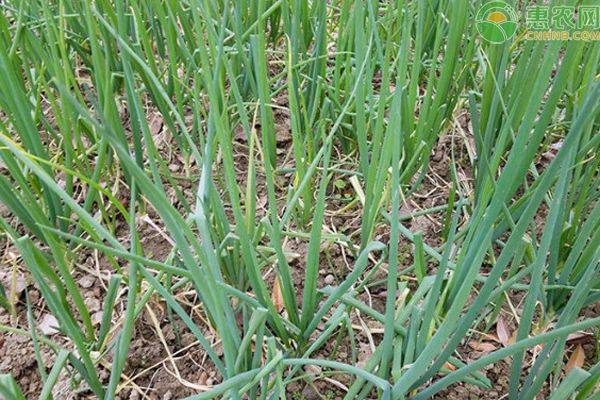
When seedlings grow, and the distance between seedling and seedlings is too close, they need to be carried out in a timely manner to provide sufficient growth space to enable the seedlings to thrive and increase their ability to divide. It is appropriate to maintain a distance of 8 to 10 cm for saplings. If it is not planned to seed, it may also be possible to plant some 40 to 50 days after planting. When shifting plants, as many soil as possible, reduce the damage to the root line and fill the water with a view to accelerating the process and increasing the rate of survival。
4. Fertilizer management
The demand for moisture varies from one stage to another, depending on the growth stage. During seedlings, water recharge should be properly controlled and the soil kept dry and wet in order to promote the growth of roots to the depths and increase the resilience of plantations. Upon entering the rapid and long-term life cycle, water will need to be watered and humid at appropriate times, depending on soil moisture. Due to the relatively shallow and underdeveloped roots of the onion, and the limited capacity to absorb the moisture, overdoses should be avoided to prevent the soil from being wet enough to accumulate water, thereby triggering the root phenomenon and affecting the normal growth of the onion。
During the growth of small onions, quick-effect fertilisation is pursued every half month or so, with a large selection of elemental water solubility. When water is watered, water solubles are diluted in accordance with the instructions and then washed into the plantation. A sufficient supply of nutrition allows small onions to grow faster and of better quality, and leaves are greener and greener。
5. Daily management
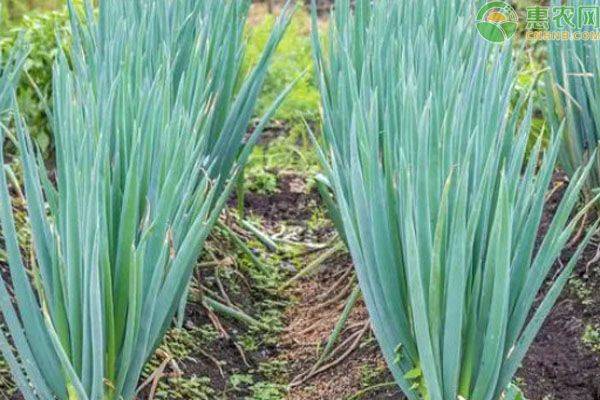
During the growth of onions, it is necessary to work on the pine soil and keep the soil loose. In the case of pine soil, it is suitable for small onion roots to be cultivated, so as to promote the growth and development of the root system while preventing inversion. In addition, weeds should be removed from the fields in a timely manner, they should be kept clean and hygienic, they should be reduced in the breeding and spread of pests and diseases, and they should create a good growth environment for onions。
These are the techniques and management measures for onion planting, which can be effective in improving the production and quality of onion, and which, it is hoped, will help。
You may be interested in the content of the following hinon recommendations。



