In the north-east of yunnan, deep in the wrinkles of mount oumont, there is a plain-looking plant — utsuma. Today, when it is known in the name of “green diamonds” and “black gold”, it is hard to imagine that its story began in the pristine forests of the millennia before. Its history is not a simple species aspirations, but rather a vast epic that enriches china's native knowledge, farming wisdom, trade change and cultural convergence. From the rarest things in the forest to the treasures of the country's feast, the millennia of the small grass dam, the journey of the mosaic, is a qualitative exercise in pursuit of extremes and the definition of “do-do-do-do-do-do”。

Historical retrospectives: from the "black arrow" introduction to the legend of the "gommel"
The light of the ancient gods
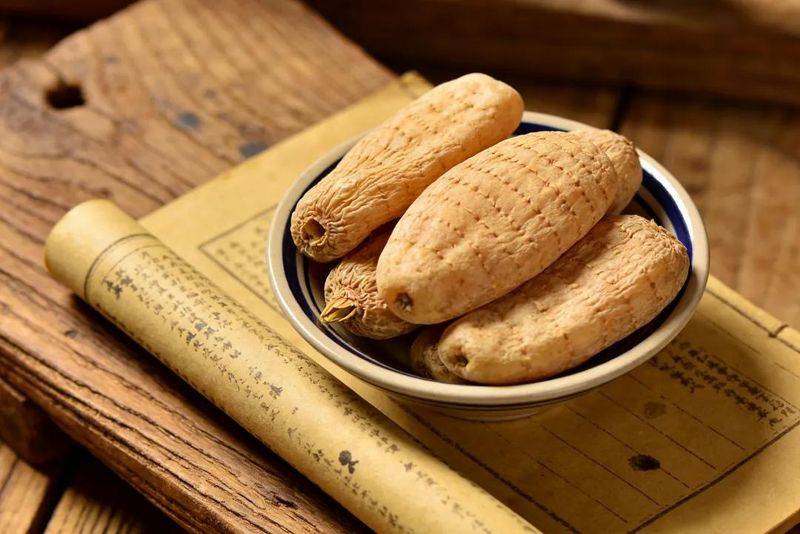
Utima's story dates back to the origins of chinese pharmacology. It is written in east han's book, the book of the sons of the sons of the sons of the sons, which is the first of the four scriptures of chinese medicine, and which, for the first time, has been named the red arrow. “the main killer is the ghost, the evil and the evil. Long live, long live, strong and fat, and light rise.” although the name, the origin and description are different from today's, the general medical examination of future generations has shown that “black arrows” are the first-born saps of tianima and that the knowledge of their medicinal parts has opened up. This seed of civilization is buried quietly in the first sight of the ancients and the mountains。
Tang song's awareness is deepening
By tang dynasty, sun si jin, the medicine master, has expressly used tianma to treat wind and headaches. Song dynasty, on the other hand, formally clarified its name by stating: “ten-mei, zhenma, lizhou, taishan, and zhongshan.” it also details the relationship between its form and “black arrows”. The relaying of important medical records, such as tang's new scorch's and song's testamentals ' , marks the passage of tianma from legend to systematic medicine. At this point, while not specifically referring to the “small grass dam”, the status of the cloudy highlands as an important production area of the tima has begun to appear on the historical horizon。
The ming ming ming summit
The wheel of history has entered light, and the small grass dam has come to its first light. Thanks to the depth of exchanges with the south-west region that followed the “retrofitting” process, its extraordinary quality was truly “discovered”. In the present draft of the syndicate, sun-jin collected the achievements of the previous generation and made a systematic summary of the morphology, artillery and efficacy of the gestation, describing it as “the aphrodisiac of the wind” and greatly enhancing its position in the medical community。
Qing dynasty, the time when tianmama, a small grass dam, was becoming a “conservatory” to flourish. According to local historical records, such as the zhutung dynasty, the qingyang dynasty, and the local oral tradition, in the middle and late stages of the qing dynasty, the `ou tian ma', which was born in the area of the small grass dam of zhuang liang, was selected by local officials as a royal tribute for the palace's use on a regular basis. Civil society therefore calls it “comforts”. It is not only an honour but also an official certification of the highest quality of medicines in ancient society. It means the production of the land on the small grass dam, which, under the cognitive and technical conditions of the time, has reached an indisputable peak. This historical identity has laid the deepest foundations of history and credibility for its future development as a geographical marker product。
Technological evolution: a leap from the wisdom of "go-to-go" to "go-to-do nature"
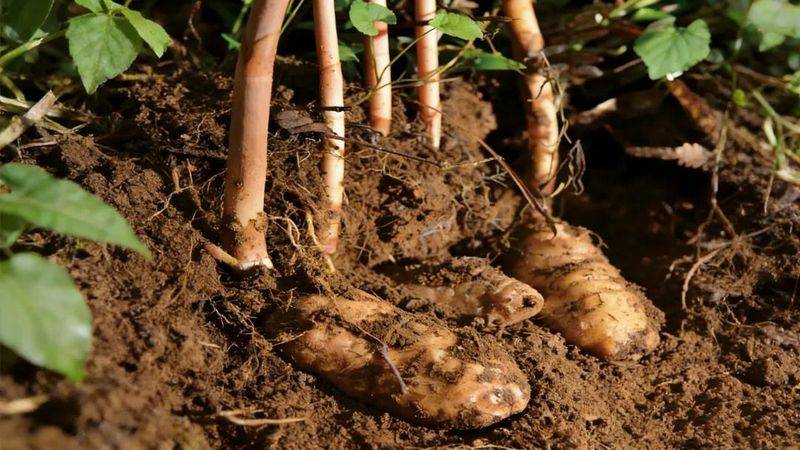
Phase one: the age of the mountain gifts of the wild
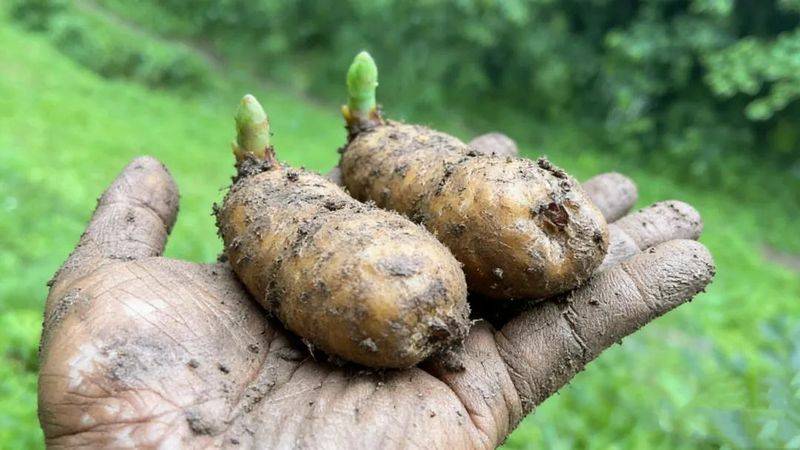
In the long old and recent times, the acquisition of tima depends entirely on wild collection. This is a form of production that is both accidental and risky. It grows underground, leaves are free on the ground and has a very short flowering period, and its search requires reliance on experienced “scathers”. They are well-versed in mountain weather and know how to locate the associated plants (e. G. The host tree of the honey circulus) and find them in specific seasons. This method is extremely low and unstable, and “food by heaven” is its essence. Every discovery of wild urn is a rare gift of nature and destined for its early rareness and cost. This primitive dependency also shapes the ecological ethics of locals who have a sense of respect for the forests。
Phase ii: early domestication and “sexual reproduction” breakthrough
The scarcity of wild resources has facilitated attempts at artificial domestication. Since the 1960s, chinese agricultural science and technology workers have been systematically studying the cultivation of tima. The first breakthrough was to discover the symbiotic relationship between tianma and the meringue. – teenima itself has no roots and no luminous co-operation, and must rely on the honey circulus to infect its tremors and separate the cords to provide them with nutrition. On this basis, techniques have been developed for the non-sexual reproduction of the plume (i. E. “mome”). This brought about a revolutionary shift from “seek” to “planting” and initially eased resource pressures. However, early cultivation is more likely to take the form of “bacterial co-planting” in indoors or sheds, with poor environmental control, high yield and quality fluctuations, and long-term non-sexual reproduction leading to species degradation。
Phase iii: ecological wisdom of the "wind under forest"
Over the past three decades, and particularly as the branding strategy of tianmama has been advanced, a model of a model of “unsilver cultivation under the forest” has been explored and matured by line farmers and scientists in small grasslands. This is not only technological upgrading, but also a return and leapfrogging at the philosophical level。
• site selection: a perfect simulation of the original habitat of wild vasectomy, with strict selection of the original forest or bamboo forest at altitude of 1,600-2200 metres, with a high degree of density。
• cultivation: not using arable land, digging for caves in an open forest, using local wood to produce honey rings and then sowing. No fertilizers, pesticides, herbicides were applied throughout the process。
• management: follow the ancient “three-year rotation, tenuous” training to provide land with rest and well-being; rely on the forest's own ecosystems to regulate humidity and control pests and diseases。
Growing cycles: strict adherence to natural patterns ensures a growth cycle of three to four years for cynics, allowing them to fully accumulate active ingredients。
This wisdom was officially recognized and promoted in 2021, when “eco-growing techniques under zhao thongsing” were prioritized in yunnan province. From small-scale domestication to scale, standardized ecological cultivation, this is a sustainable development path that respects nature, uses it and feeds on it。
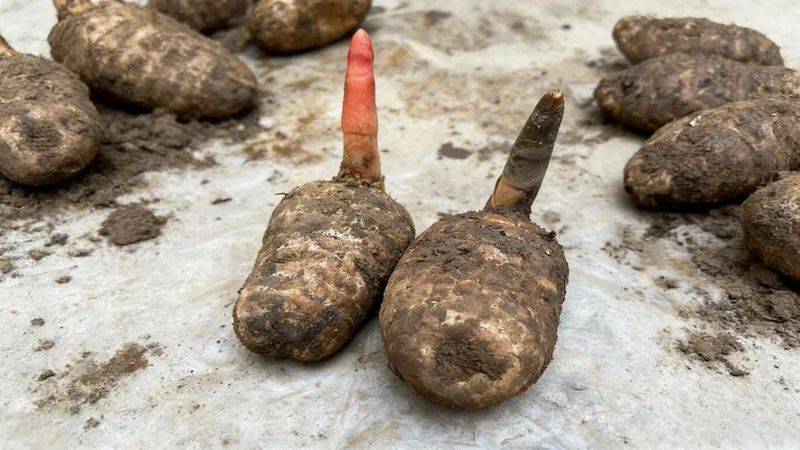
The evolution of status: from a “civilian test” to a “national card”
From civilian medicine to the national pharmacy
For centuries, tianma has first and foremost existed as an effective civilian medicine. In and around the country, there is widespread popular use of tungsten chickens to relieve headaches, to flush water with tungsten powder, and to rinse and humid. It is deeply embedded in local knowledge of life and health. In 1953, tianma was officially incorporated into the pharmacological code of the people's republic of china, thereby establishing its modern identity as a prescribed medicine. The pharmacist has clearly defined its origin, sexuality, identification, and content determination (propylene), separating it from purely local knowledge and becoming a standardized drug raw material recognized by the national pharmaceutical system。
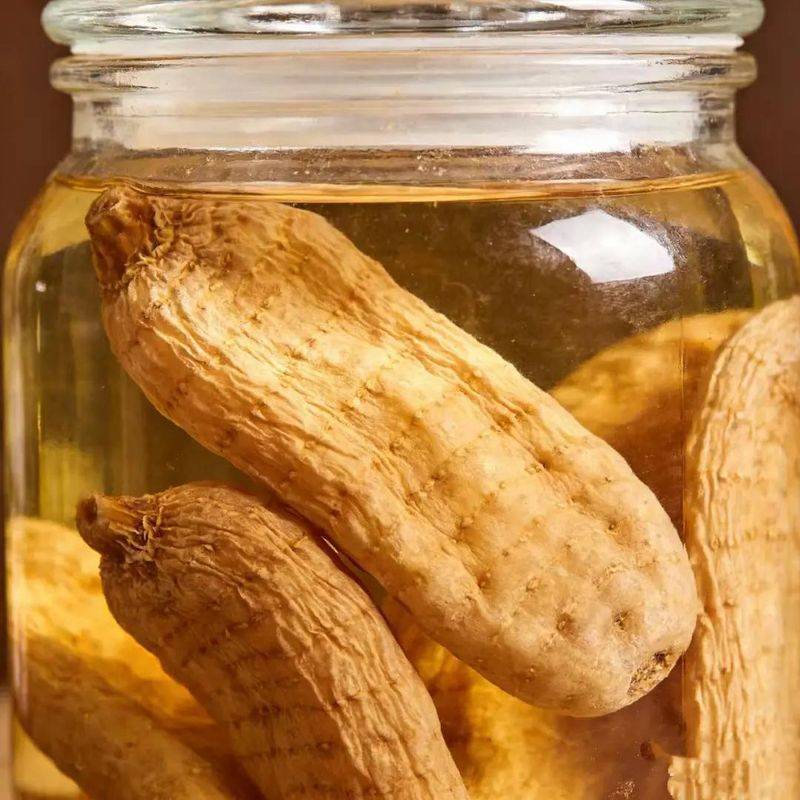
Geographical indications: “identity card” and “protector” in the area of production
In the twenty-first century, with the emphasis on intellectual property rights (iprs) for agricultural products and protection of origin, the status of the mosaic of the small grass dam was the second qualitative leap。
• in 2004, zhao chongqing was protected by the national geographic marker product。
• in 2019, the qianxima was granted the right to register national geographical indications to prove trademarks。
These two “national business cards” are remarkable. At the legal level, they strictly define the extent of the production of small weed dams, their diversity, quality standards and processes. This means that these names can be crowned only if they are produced in a specific production area and by a specific method. This is both an official endorsement of its long history and unique qualities and a legal tool to combat hypocrisy and safeguard industrial health. Since then, the small weed dam has been upgraded from a local feature to a public brand with unique human and natural attributes protected by the state。
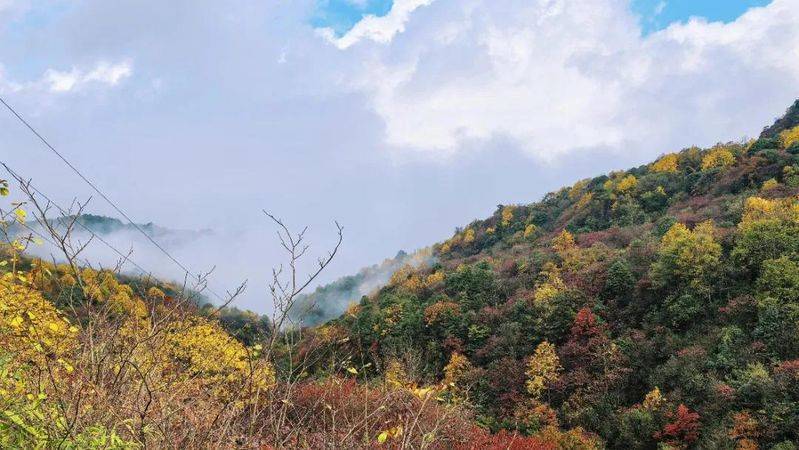
From medicine to high-end birth culture symbols
In recent years, the cultural and gift properties of high-quality chinese medicine have become increasingly visible with the implementation of the healthy china strategy and the awakening of the national awareness of birth control. On the basis of its history of “combination”, the background of its land estates and scientifically proven elements, it naturally occupies the high-end values of its culture。
It is no longer just a “medicine” but a “healthy gift”, a cultural vector”. A fine box with a history and a cultural profile is the best option for giving family and friends and expressing health care and taste. It appears in high-end soup soups and in urban white-collar office cups. The evolution of this status is an extension of the term “material function” to “psychological consumption” and “cultural identity” and is a general release of its intrinsic value from the millennium build-up in contemporary society。
Concluding remarks: a “diverse history” in pursuit of the best
The millennium evolution of the small grass dam is by no means a simple yearbook. It is essentially a “discriminative history” of constantly searching for, defining and establishing “what is the ultimate product”。
In its long history, it distinguished itself from ordinary cynics in its capacity as “comforts”; in its technological evolution, it distinguished ecological qualities from rough planting by using the wisdom of “underwood imitation”; and in its contemporary market, it distinguished dojos from hybrids by using “geographic indications” and “scientific data”。