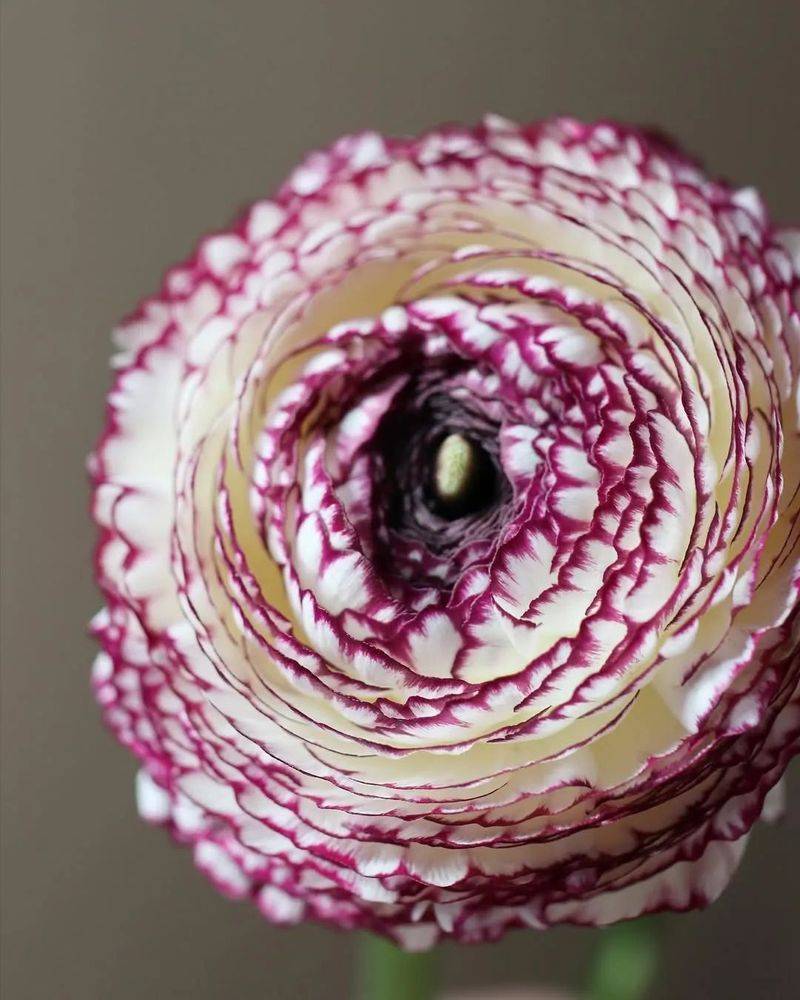
It's also called a hairy or celery, and its leaves are like celery, and its flowers are like a police, and it likes a cool, warm and luminous environment and is more afraid of heat. In winter and spring, flowering is a particularly popular type of root flower。
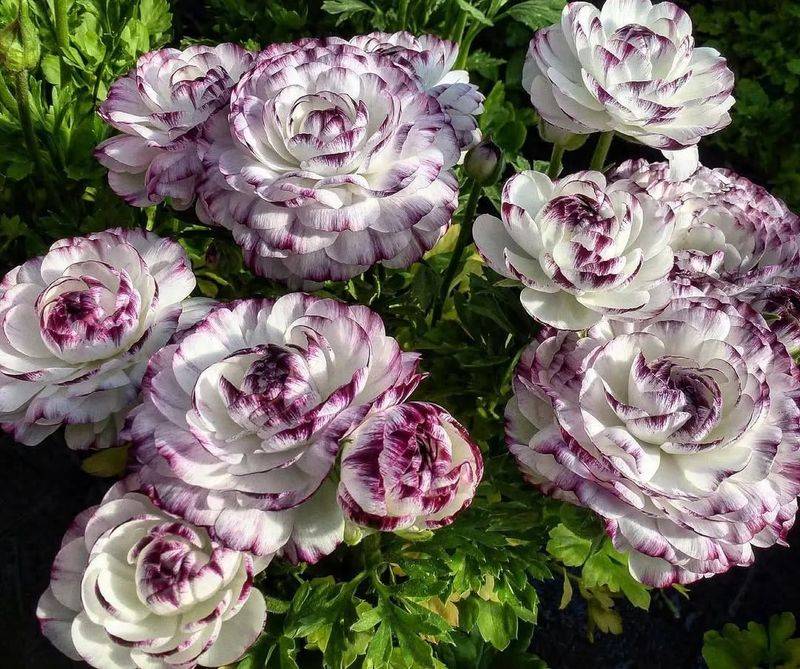
In many hot and humid areas, marinas are generally planted as one-year-old plants. However, it can remain alive for many years if it is properly prepared, leaves are raised, leaves are blighted, ball roots are collected in the basin, roots are stored in dry, cool, ventilated positions, etc., and the temperature drops to a maximum of 26 to 28 degrees before replanting。
A little tip:
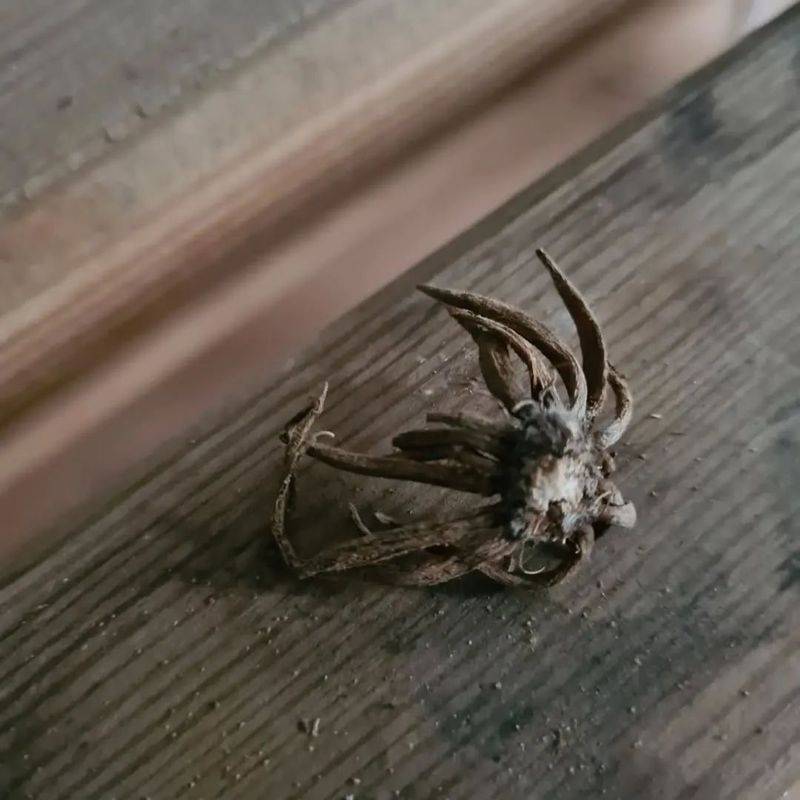
When flowers grow, new roots grow, the old little roots are consumed, and the longer their roots grow, the more they grow, the more they grow, the more they grow。
Many netizens find it difficult to feed, either by being unaware of its growth habits or by being unable to provide it with a suitable environment。
1. The ocean police who fear heat
The best growth temperature is 10-20 degrees. It is afraid not only of the heat (growth stagnating over 30 degrees) but also of the cold, with a minimum temperature of 5 degrees for plant maintenance and safe winter, a temperature of less than 10 degrees, which is virtually non-growth, a risk of freezing up to 0 degrees, and a first-year pelvis flower, which must be avoided。
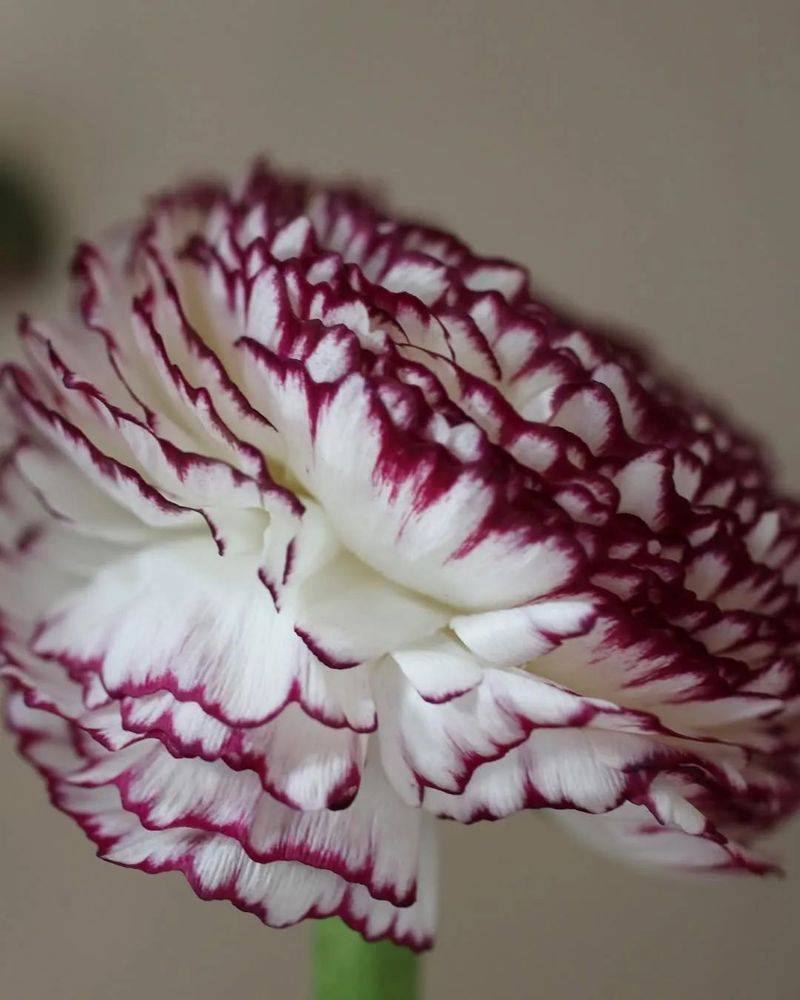
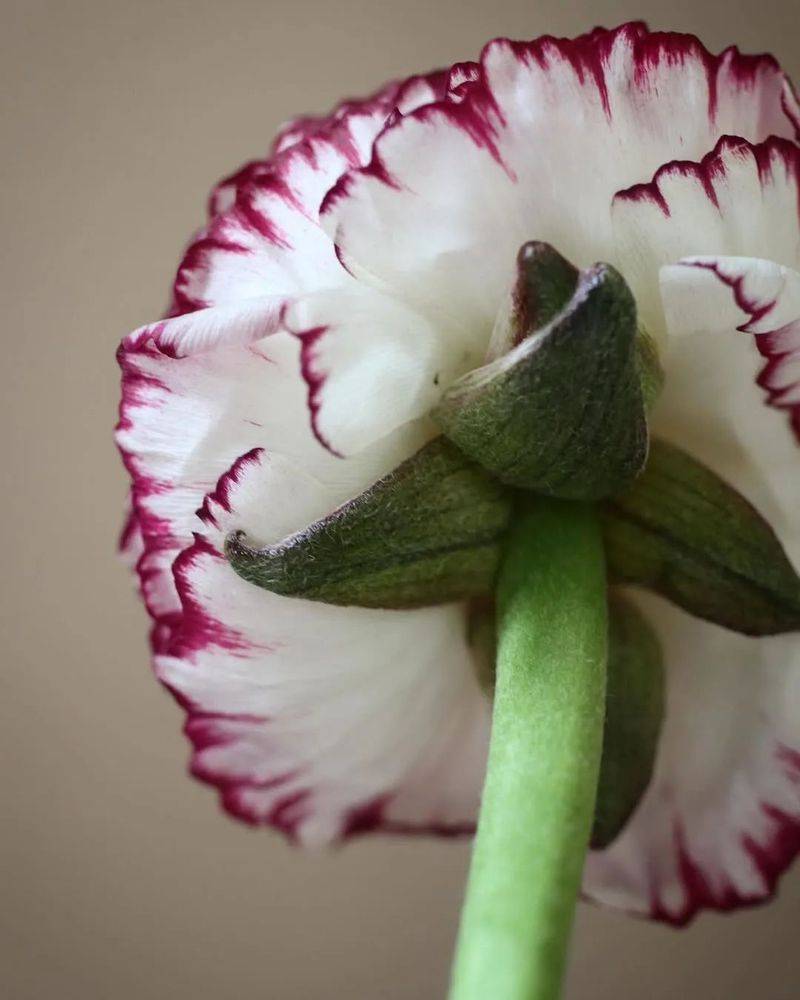
If planted for conservation, or if the plant is already very strong, it can withstand short-lived hypothermia, but some of its leaves are frozen below zero degrees。
2. Base storage
If the temperature exceeds 28 degrees, its leaves will slowly turn yellow, and when the temperature is too high, it will go into a state of hibernation, and the ground will die, at which point the water will stop and fatten and move to a place to hide the rain。
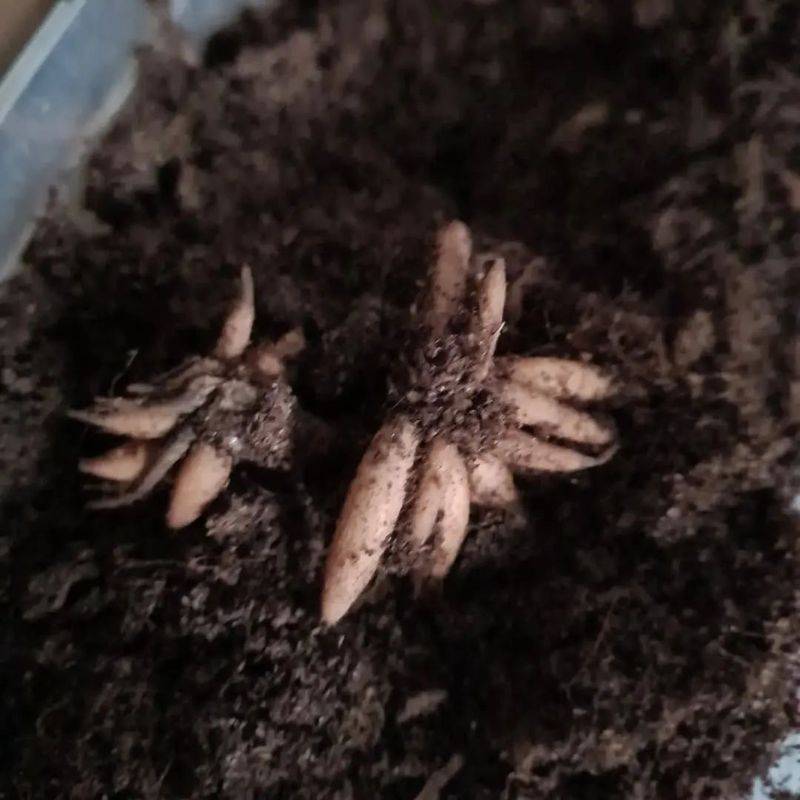
You can dig up the little claws at the bottom, clean up the old earth and store them in dry and cold. The ventilated position will wait until the autumn weather is cool and the maximum temperature continues to fall below 26 degrees before replanting。
3. Pre-plant treatment of root balls
If it starts planting a marina in the fall, it's buying its little root, like a dry little paw, which needs to be immersed in a polybacterial solution for half an hour to an hour and then dried up, so that its little root can be avoided。
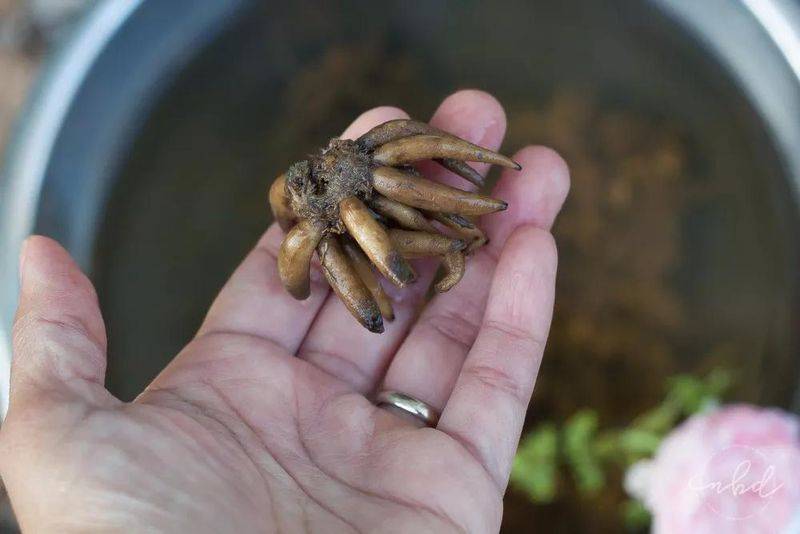
A small ball root, impregnated with a fungic solution, can be placed in a wet pearl rock, with some pearl rock (which can be replaced by a river sand), a small ball root sprouts in the pearl rock, micro-shows, and then regularly sprays water into the pearl rock, maintaining micro-humidity, a warm and ventilated environment, and places it in a ventilated place。
When the root of the ball grows (many white roots, green sprouts from the top of the claws), these unicorns are able to plant into the new pelvis。
A little tip:
If there is no pearl rock in the home, it can be replaced with sand, and if the sand is collected by itself, it is best to kill it and use it later。
4. Premium conservation
After a sprout, the unicorn is planted in a new pelvis, watered and placed in a position of proper tenderness and light, and leaves grow green after about 7 to 10 days. The surface is dry, so water it。
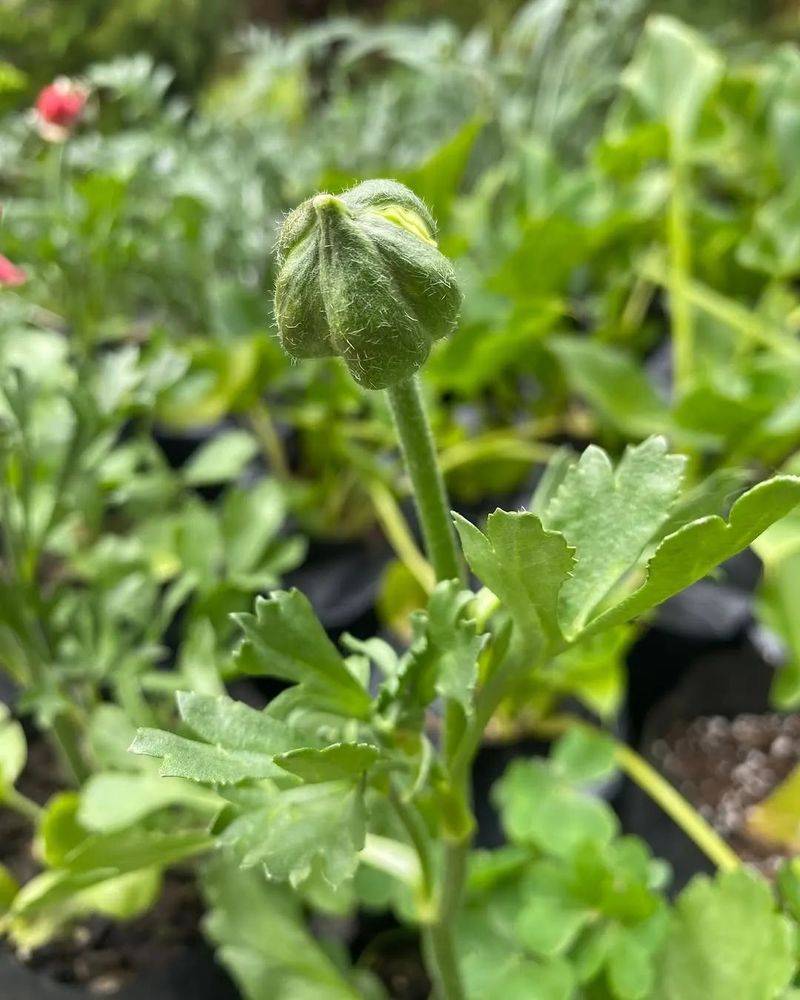
After a month or two, the leaves will grow very strong, and attention will be paid to supplementing water fat every other week, slowly increasing sunlight。
If the maximum temperature drops below 20 degrees, the full-day light is given, especially in the light of the milder winter season, which must be increased。
Don't make it too dry
Oyster dan, which is demanding more fat water, prefers water and is afraid of drought because its roots are particularly well developed and the demand for water increases during flowering. When there is a shortage of water, its leaves are yellowened and its flowers are low。
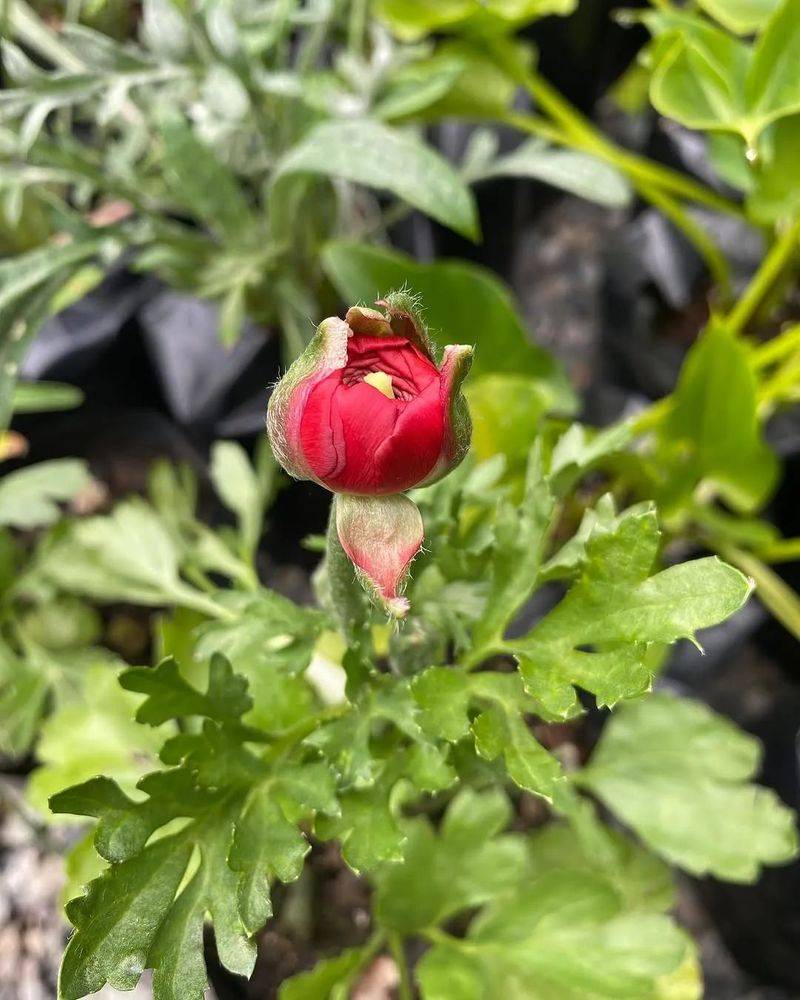
Whether at the stage of growing leaves or at the flowering stage, pelvis-planted police stations need to be watered regularly, but care must be taken to control the dampness of the pelvis, not to keep the soil too damp (the best in a week after water has been poured) and not to accumulate water, which is essential。
6. Need for frequent fertilization
It is also more demanding for fertilizers, and if it starts with small ball roots and grows in long leaves, it is important to be careful about the frequent application of fertilizers, and even to add a little water soluble fat to water each watering, which is a little lower in each case, so as to keep it thin, so that its leaves can grow more and so that more buds can follow。
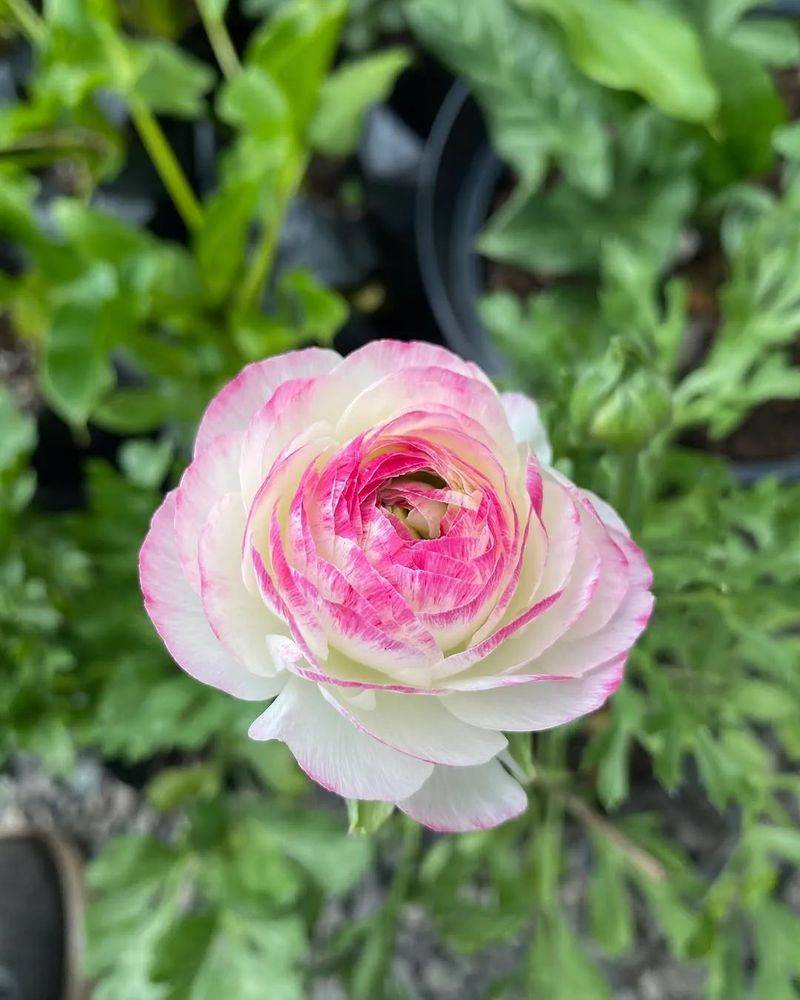
Before the leaves grow sufficiently strong, fertilizer of general use, such as more than one flower, can be given. Its leaves are sufficiently strong to start supplementing fertilizers, i. E. High phosphorous potassium, such as potassium phosphate, or extra two flowers. The frequency of fertilization can be maintained from 5 to 7 days。
I like more sunshine
More sunlight is needed for the conservation plant and the lack of light is not good。
If it rains in winter and spring, it will be in a bad state, and if it is kept in too much shade, its leaves will be easy to grow and yellow, and its flowers will fall and its state will be bad。
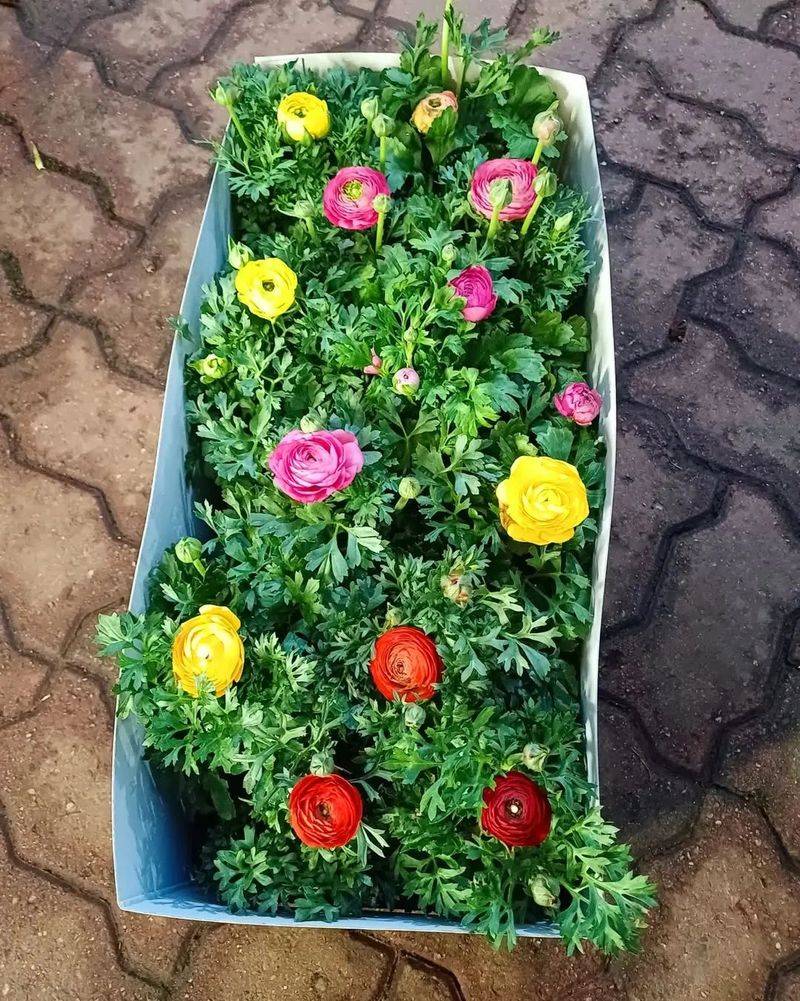
It would be difficult to keep it alive if it could not be provided with lighting for more than three to five hours a day。
8. Insects and diseases
In winter and spring, yogurttan may be infected with dust if the environment is too damp, ventilation is not good, and light is lacking. This is to take care of early improvement of the protective environment, increased light ventilation and avoid spraying its leaves and flowers。
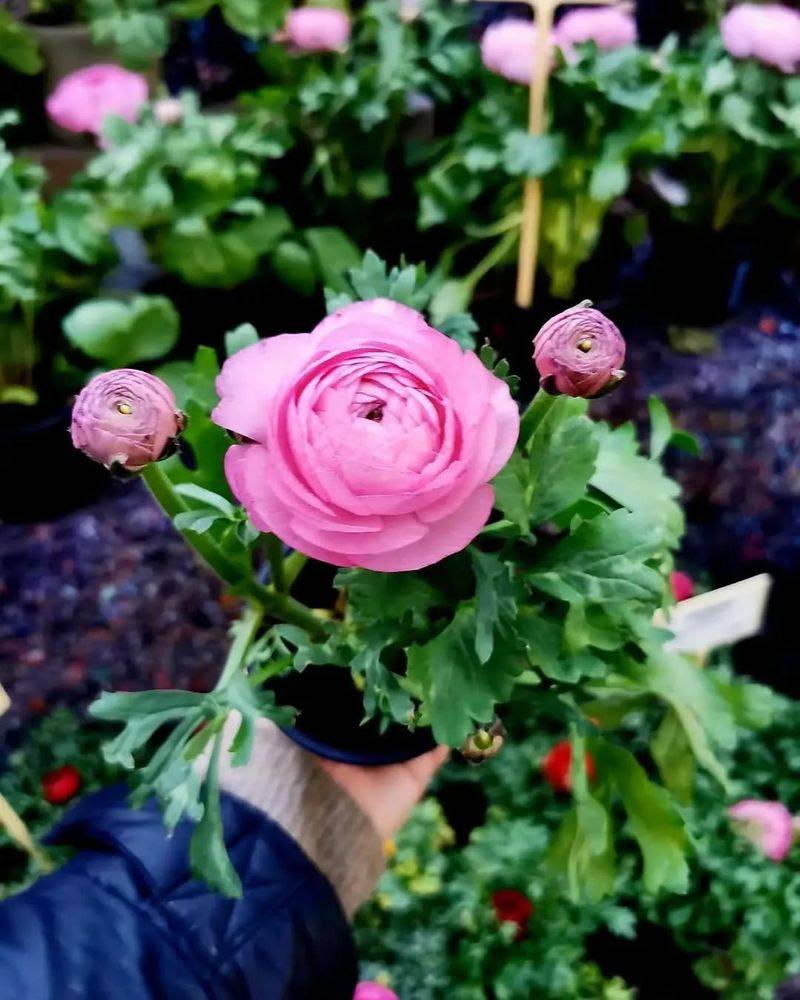
Day-to-day conservation should avoid soil accumulation and the pelvis should not be damp for long periods of time, or be prone to decay。
Oysters occasionally become infected with aphids or aphids, both of which are common to the oysters, and are subject to periodic inspection and timely spraying of insecticides, such as common aphids, aphids, etc., once they are found。