According to the beijing meteorological observatory, the first snowfall in the city since the winter of december 12-13 will occur, with snow in most parts of the city, snow in the mountains and parts of the south (door ditches, houses, booms). The maximum temperature during the day of 12 days was reduced to 3°c and the minimum temperature during the night of 13 days to -10°c. During the day of 13 days, there was a northern wind of about 3 degrees, a wind of about 6 degrees and a wind of up to 7 degrees in the western mountains. In order to mitigate the adverse weather effects during the winter season when vegetables and strawberries are growing, the beijing rural and agriculture bureau has reminded a wide range of producers to respond positively and to guard against them。
Temperature demand for different crops
Heliogenic vegetables, including cucumbers, beads, tomatoes, peppers, eggplants, etc., must remain at 25-30°c during the day and 10-12°c during the night; of these, they cannot last less than 10°c during the day and should not last less than 8°c at night. The cold-resistant vegetables include cabbage, garlic, leafy vegetables, etc. The temperature is controlled at 15-20°c during the day and 5-8°c during the night by wind vent control and external temperature protection cover management. The minimum temperature in the strawberry shed is not less than 5°c. Temperature regulation should be disaggregated so as not to cause strains to grow at low temperatures, fall fruit or suffer from freezing。
Different weather responses
Snow weather response
1. Facility overhaul and strengthening
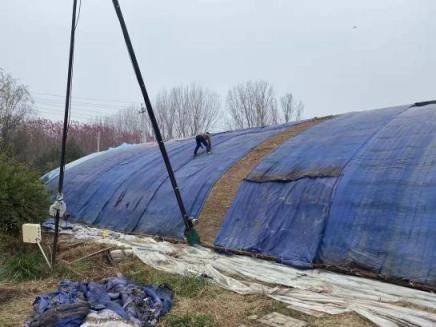
Strengthen the structural stability of the facility to check whether the greenhouse wall is slashed, the back slope is sunk, the plate is fractured, the steel skeleton is rusty and deformed, and there are safety hazards that are supported by poles in a timely manner, partially reinforced or replaced components. The plastic sheds focus on the examination of skeletons, with the addition of poles to the old sheds, the tightening of ropes and membranes, the securing of anchors and the enhancement of weather resistance to snow。
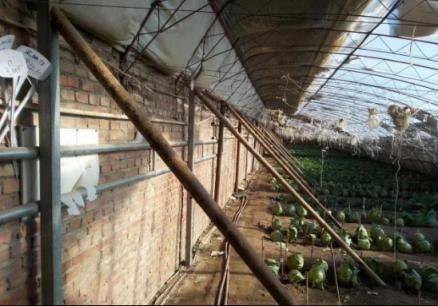
Clearing snow
The timely removal of snow after snowfall prevents sheds from bearing too heavy a burden to destroy the roofs and crush the shantybet, while ensuring the permeability of the shantybets, making full use of the sun to keep the heat; and the fair early and late quenching of the temperature, which increases the amount of light in the greenhouses and heat during the day and increases the temperature at night。
3. Increased light
Reactions on the rear slopes along and in the longer direction of the greenhouses, improving the light conditions in the northern region, and refraining from hanging on the back wall to avoid affecting the heating and dispersion functions of the walls. The conditioned sheds are equipped with early installation of sodium agricultural lamps, led patches, emergency light during continuous oligarchy, and four to six hours per day, with suitable durations for refuelling of hot vegetables, and the alleviation of problems such as the presence and fall of flowers caused by insufficient light。
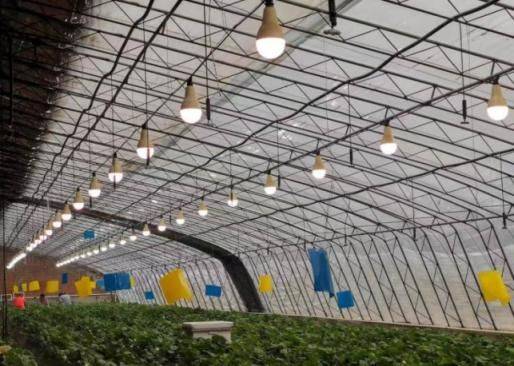
Temperature weather response
1. Solar greenhouse
(1) digging of cold-proof trenches: no cold-proof greenhouses have been set up and the soil is filled in in time for freezing. External cold-proof ditches: on the outside of the base of the ground foot in front of the greenhouse, dig ditches 30 to 40 centimetres wide and 50 to 60 centimetres deep along the extended direction, bury stale foam or polybenzene plates, fill in heat-protecting materials such as sawdust, weeds, straws, etc., and lay back behind them; internal cold-proof ditches: dig deep 50 to 60 centimetres of ditches on the inside of the base of the greenhouse's foot, burying the stale double-sewn foam or polybenzene sheet, and stepping back and raising the greenhouse's temperature。
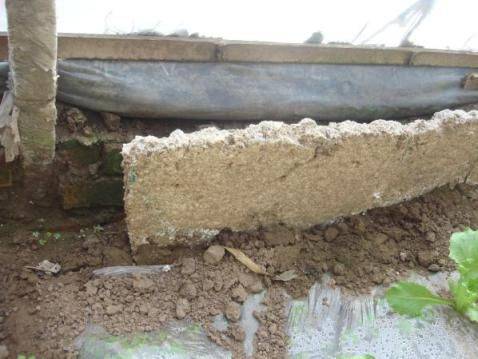
(2) strengthening the temperature of the walls: greenhouses with ventilation windows in the back wall, filled with sealed vents in a timely manner; greenhouses with walls of less than 60 cm thickness, using an emergency build-up (trucking of maize, grounding, capping of a fixed sheet of film) or permanent build-up (stamping of extruded palsy plates, coating of light closed vent concrete) to reduce heat dispersion。
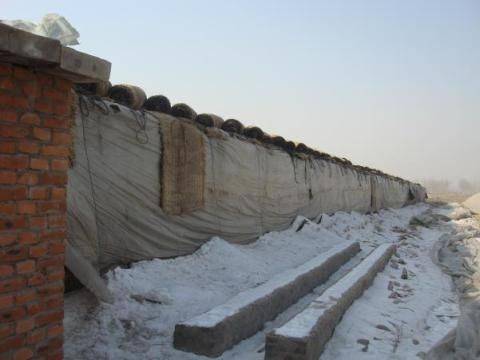
(3) heavy exterior coverage: ensure that external thermocover is seamlessly connected and that a double layer of cover can be used to increase thickness; add an additional layer of membrane to the outer side, which enhances confidentiality while preventing snow bathing cover; and add two curtains to the shed to further improve temperature protection and reduce the nighttime expanse。
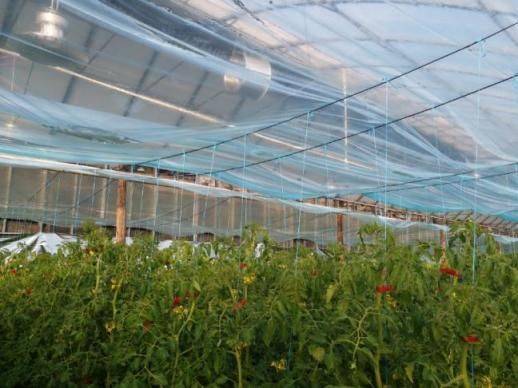
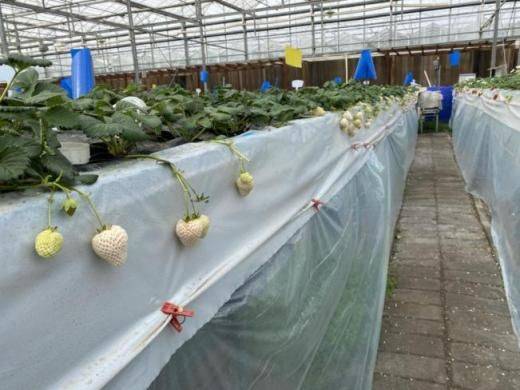
(4) construction of additional encirclements: 1 to 1. 5 metres of high nectar membrane at the foot of the front side of the greenhouse, with a lacquer at the entrance and a membrane under the top of the wind to avoid the direct impact of cold air on the crops; an additional layer of grass or waste conservatory cover on the outside of the front foot after the evening cover; and a high greenhouse with two additional membranes (nightly cover, daytime collection) for the targeted protection of warmer vegetables. Strawberry base cultivation can congestell a transparent plastic membrane to the ground on the outside of the planting trough, forming an “opture apron”。
(5) emergency warming: early preparation of heaters, heaters, baths, high-power incandescent lamps, electric heating, heating blocks and other emergency heating equipment to ensure that the minimum temperature is not less than 8°c in the heated vegetable sheds and 5°c in cold-resistant vegetables. Electrical heating equipment needs to be installed by professionals and equipped with leak-proof electrical and overheating devices; fire safety needs to be secured from open fires, far from combustible materials, ventilating air and avoiding the accumulation of harmful gases。
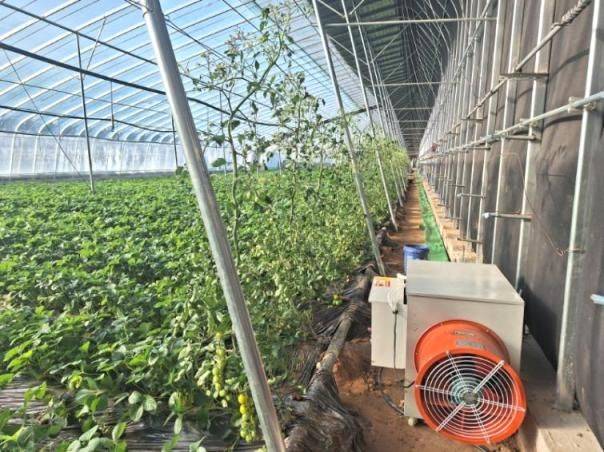
Plastic sheds
Plastic sheds are mainly grown in cold-resistant vegetables such as spinach, with no less than 0°c at night. Pre-temperature spraying of thaline or anti-freezing agents, with a no-swidth surface cover in the shed. The multilayered membranes open for light during the daytime and are filled with continuous oligarchy; ventilating during high-temperature periods, irrigated with high diaphragm + submural irrigation, intersorption sorbent to maintain 60 to 70 per cent humidity. Little water is watered in the middle of the day and less water is watered in the cold and dark days. Basic fertilisation is increased by organic + biobacterial fertilisation, mainly by amino acids and water soluble fats。
3. New production facilities
The new facility needs to protect against extreme cooling, the timely start-up of the water cycle or thermal system in the flexible solar greenhouse, the introduction of electric accelerator-driven emergency heating on consecutive days, the absence of heat-release devices, the addition of high-pressure sodium lamps, ablution lamps to increase thermal heating to ensure a minimum temperature of not less than 6°c; and the addition of a “two curtains” to the outer conservatory shed, which uses only the east half of the morning, and only the west half of the afternoon, with the conditional use of air source heat pumps to increase temperature to ensure a minimum temperature of not less than 4°c。
Wind weather response
1. Tunnel membrane repair and tightening
Thermal or adhesive repairs to the facade are used in a timely manner to ensure that it is not damaged; to tighten the membranes and anchors in a comprehensive manner to avoid the tearing of the membranes by the wind and to safeguard the sealing of the facility。
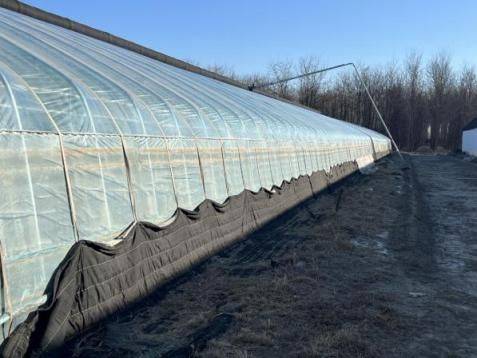
2. External temperature cover management
In the evening, after the extra-heating cover, the east-west embolism is fixed on the wall of the mountain, with heavy pressure on the front foot, to prevent the wind from blowing up and affecting the temperature protection and to avoid the displacement of the cover。
3. Strengthening windfall management
All vents and access points to facilities are closed in the prevailing weather to eliminate kites. If the air in the shed is wet enough, it needs to be under manual supervision, with only a short ventilating and wetting at the top in the morning or at noon hours to avoid cold-wind intrusions causing crop damage。
4. Fire safety and security
To cut off the off-site power supply of the facility in advance of the storm, to prevent any physical injury or short-circuit fire from being caused by the breaking of the wire; to refrain from smoking near flammable materials and in the vicinity of the facility, to properly dispose of the cigarette butts and to strictly prohibit the use of the open fire to ensure safety of production。
Production field management
Precautionary weather management
Timely attention is paid to weather forecasting, and the use of fertilizing, whole-stamping, lumber-sniffing, etc. In farming operations before bad weather arrives. The timely harvesting and marketing of vegetables that meet the listed criteria reduces the load of plantations; the application of a single application of potassium phosphate or amino acid, algae-algae leaf fattening to enhance the resistance of crops to cold and disease; the deep inter-walk excavation of pine soil (the timely reformation after full membrane cover of the pine soil) to improve soil heating capacity and provide a suitable environment for root system growth。
Management during severe weather
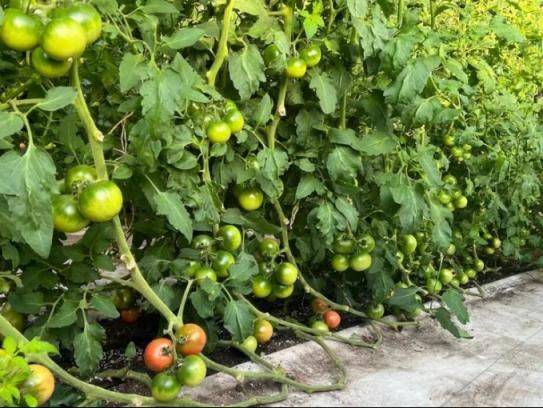
The focus is on securing facilities and heating, and generally does not involve other farming operations. Priority is given to the use of fumigants or dust sprays to prevent spray fluids from increasing the humidity of the shed and increasing the incidence of cold, high-wet type diseases. Hexa-temperature vegetables need to closely monitor the temperature in the shed and start emergency heating equipment in a timely manner to prevent chronic hazards at low temperatures。
After-weather management
When weather changes, old leaves, sick leaves and cold twigs, leaves and fruits are removed in a timely manner to improve ventilation in the fields; a leaf fertilizer application is applied in conjunction with pest control to supplement crops, and irrigation fertilization is suspended to avoid damage to the root line. In the middle of the sun, we will take action to prevent flashing, gradually increasing light and ventilation, first partially removing the cover and then completely removing the plant once it has been adapted, so as not to cause the strain to decay as a result of high light temperatures。