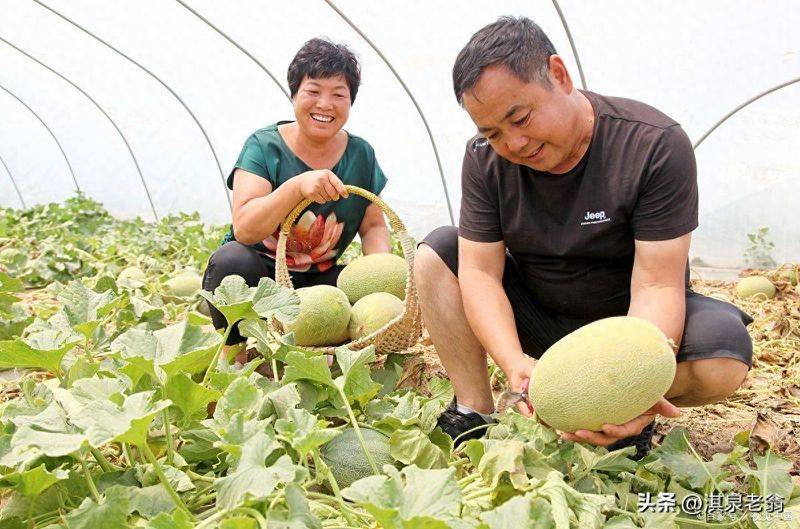
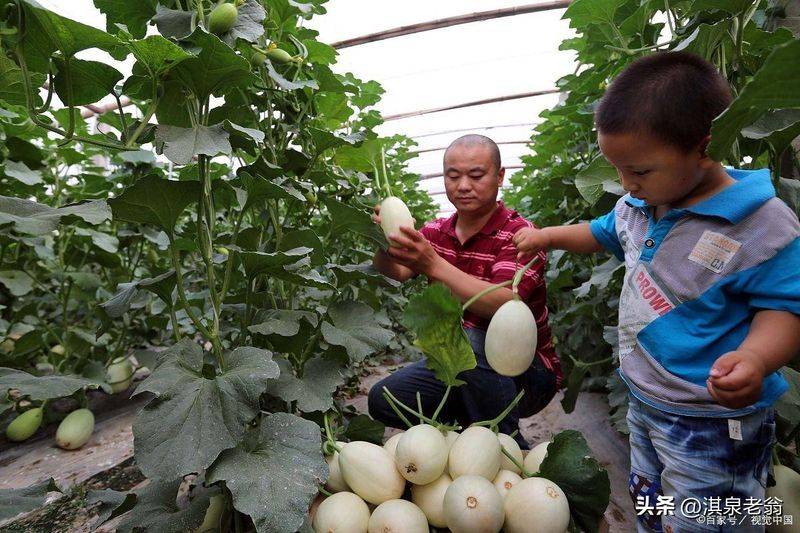
By artificially regulating the temperature of the environment and breaking natural climatic limits, shed cultivation has become the core technology for high-yield, high-quality and efficient production of melons. The full reproductive period of melons can be divided into the six critical stages of the gestation period, the gestation period, the convalescent pregnancy period, the flowering season, the expansion period, and the mature harvest period. There are significant differences in the demand for temperature at all stages. The precise matching of suitable temperature ranges for different reproductive periods and the harmonization of nutritional growth with reproductive growth balances are key to increasing the single production of melons, optimizing sugar in fruits, tastes and commodities. This document provides scientific guidance on the core parameters, technical logic and practical elements of the temperature management of the melons during their reproductive period, which are systematically combed by the system。
I. Employments: high temperature, steady growth
The gestation period is the phase in which the melon seeds expand from siping to the soiling of the leaves. The core objective is to promote the rapid growth of the seeds, increase the rate of seeding and avoid rotten seeding, with temperature management based on the principle of “high temperature humidity and warmness”。
1. Appropriate temperature ranges
- maximum temperature: 28 - 32 °c during the day, 18 - 20 °c at night, steady at 25 - 28 °c
- critical temperature: the lowest temperature is not less than 15 °c (less than 15 °c seeds stop growing) and the highest temperature is not more than 40 °c (more than 40 °c can cause the seeds to fail)。
2. Technical aspects of regulation
- a closed room after seeding, covering the membrane to increase the temperature and humidity, maintaining the temperature of the shed at around 30°c during the day by decryption of the temperature and vent control, and adding small arches or membranes at night to ensure that the night temperature is not less than 18°c
- in case of low-temperature weather, use of electro-thermal hotbeds, hot wind stoves, etc. To increase temperature to avoid excessive temperature fluctuations
- when the leaves are excavated, the temperature of the shed is reduced by 2-3°c as appropriate, so as to prevent the formation of “high-foot seedlings” from forming the embryos' contours and to lay the foundation for the growth of the seedlings。
Ii. Employment: controlling the temperature of seedlings and fostering robust strains
The seedling period, from leaf to leaf four to five, is a critical period for the development of the melon root system and for the separation of buds. The core objectives are to promote rooting, control the length of the leaf, and optimize the quality of the buds. Temperature control is based on the principle of “precedent, low and differential day and night”。
1. Appropriate temperature ranges
- pre-period (several to one leaf): 25-28°c during the day and 15-17°c during the night
- late (no. 2-5): 22-25°c during the day and 13-15°c during the night
- night and day temperature differentials: maintain 8-10°c for nutrient accumulation。
2. Technical aspects of regulation
- a gradual increase in ventilation following the spread of the mau leaf, which starts at 28°c in the morning and closes the vent at 20°c in the afternoon to avoid excessive night temperature (more than 18°c for transients)
- low-temperature seedlings 7 to 10 days before planting, down to 20 to 23°c during the day and 10 to 12°c at night, with a view to increasing the resilience of seedlings and increasing the rate of growth
- temperature is maintained at 20-23°c to promote root system growth and to avoid retardation and reduction in the absorptive capacity of the root system due to low temperature。
Iii. The conjuncture of the cyanide: warm and long, balanced nutrition and reproductive growth
The convalescence period extends from the fifth leaf to the opening of the female to the core stage of the rapid expansion of the melon penis, the expansion of the leaves, and the separation and development of the female. The core objectives are to promote the growth of the penis, to ensure the quality of the female's division, and to avoid the growth or premature decline of the female child. The temperature control is centred on a “smooth and long temperature differential”。
1. Appropriate temperature ranges
- daytime temperature: 25 - 30 °c (with a suitable increase to 28 - 32 °c for thick leather melons)
- night temperature: 15-18 °c, with a minimum of not less than 13 °c (less than 13 °c growth of chickens and stunted female growth)
- night and day temperature differential: 10-12°c, which is conducive to the accumulation of photocos and promotes female formation。
2. Technical aspects of regulation
- gradually upgrading the temperature of the shed after the end of the slow seedling and maintaining it at around 28°c during the day, with a timely ventilation of more than 30°c, preventing high temperatures from leading to a weak penis and excessive length
- the strict control of night temperatures at 15-18°c and the excessive night temperature (above 20°c) can lead to excessive nutrient growth, inhibiting the separation of females and the phenomenon of “nose chickens”
- the period of pregnancy (pre-opening of the female guillotine) with an appropriate increase in the daytime temperature of 1-2°c to promote the development of the bud, while maintaining good ventilation, reducing the humidity of the shed and reducing the incidence of disease。
Iv. Singing seasons: steady and warm, increasing sitting rate
The flowering season, which opens from the female to the child, is a critical stage of melon fertilisation and sitting. Temperatures directly affect pollination activity, pollination efficiency and sit-in rates. The core objectives are to maintain temperature stability, ensure pollination fertilisation, and reduce the drop-off of flowers. Temperature regulation is based on the principle of “smooth temperature, strict control extremes”。
1. Appropriate temperature ranges
- daytime temperature: 25-28°c, up to a maximum of 32°c (decline in the energy of pollen above 32°c and resistance to pollination)
- night temperature: 14-16 °c, with a minimum of not less than 12 °c (below 12 °c leading to flowers, melons)
- the temperature difference between day and night: around 10°c, which facilitates the trans-shipment of nutrients to young fruit。
2. Technical aspects of regulation
- strict control of the temperature of the sheds by the flowering season, 8 a. M. To 10 a. M. (the peak of pollination), maintenance of 25 to 28°c and avoidance of high or low temperatures affecting pollination activity
- controlling the temperature of the shed at 30°c in the event of high temperatures, with early ventilation in the morning and, if necessary, the use of sunnets to cover the air, while increasing the temperature at low temperatures and supplementing the temperature to ensure that the night temperature is not less than 14°c
- at this stage, there is a strict ban on sudden temperature rises and drops, combined with ventilation and drainage, and the relative humidity of the air is controlled at 60 to 70 per cent, avoiding wetness over high-impact pollination。
The period of fruit expansion: high temperature and inflation, increasing yields and sugar
During the period of fruit expansion, from the steadyness of the larvae to the basic stereotyping of the fruit material, it is a critical period for the rapid fragmentation, stretching of melon cells and the accumulation of dry matter, directly determining the weight and yield of single fruit. The core objectives are to promote the rapid expansion of the fruit, accelerate the accumulation of sugar, and avoid malformations, with temperature adjustments centred on “high temperature differentials, optimisation of light”。
1. Appropriate temperature ranges
- the daytime temperature is 30-33°c, which can be raised to 32-35°c (but no more than 35°c of continuous high temperature to avoid sunburn)
- night temperature: 18-20°c, with a minimum of no less than 15°c
- night and day temperature differential: 12-15°c, which is the key to increasing the sugar content of fruit (high temperature differential, low consumption of breathing at night and accumulation of sugar)。
2. Technical aspects of regulation
- making full use of the light during the day, maintaining the temperature of the shed at 30-32°c, promoting photosynthesis and synthesizing additional nutrients; and venting in a timely manner over 35°c to prevent the early decay of the plant and the burning of its fruit at high temperatures
- an appropriate increase in night temperature, maintaining 18-20°c, which promotes the fragmentation and expansion of fruit cells and avoids the slowness and smallness of the fruit type due to the low night temperature (below 15°c)
- at this stage, the temperature is maintained at 20-25°c, increasing the absorptive capacity of the root system, combining the management of fat water with “temperature, water and fatty” to ensure rapid expansion of the fruits。
Vi. The mature harvest period: control of temperature and improvement of fruit quality
The mature harvest period, from the physical to the full maturity of the fruit, is a critical stage in the transformation of sugar and the formation of the wind. The core objectives are to promote the accumulation of sugar, enhance the taste and taste of fruit, and extend the shelf period. Temperature regulation is guided by the principle of “lower temperature and moderate temperature differentials”。
1. Appropriate temperature ranges
- daytime temperature: 28-30°c, avoiding high temperatures (more than 32°c, which can lead to overcooked fruit and lower quality)
- night temperature: 15-17°c, with appropriate reduction of night temperature, reduction of respiratory consumption and contribution to accumulation of sugar
- day and night temperature differentials: 10 - 12°c, which maintain stable temperature differentials and avoid excessive temperature differentials resulting in fissures。
2. Technical aspects of regulation
- gradually reducing the temperature of the shed 10-15 days before the harvest, at around 28°c during the day, reducing ventilation and maintaining temperature stability in the shed
- reduced night temperatures to 15-17°c and avoided excessive night temperatures leading to the decomposition of fruit sugar and a diminished taste
- discontinuation of water seven days before the harvest, combined with temperature control, to facilitate the conversion of sugar from fruit to sugar and to improve the taste of sugar, while reducing the amount of water contained in fruit, reducing the amount of fibrosis and extending the shelf period。
Vii. General techniques and attention for melon temperature management
Core principles of temperature regulation
- locally appropriate: flexibility in adjusting temperature ranges based on planting vents (winter springs, fall winters), the type of shed (sunhouses, plastic huts) and the characteristics of the variety (skin melons, thick melons)
- the difference between the day and the night: a reasonable temperature difference between the day and the night during the whole reproductive period is observed, generally at 8-15°c, which results in a decrease in the length and quality of the child, and a physical disorder of the plant as a result of the temperature difference
- temperature is the main factor: it avoids sudden rises and drops in the temperature of the sheds, especially during the flowering season, the expansion period, temperature fluctuations, etc。
Common regulatory tools
- temperature protection: low-temperature weather is dealt with using multilayered cover (stoms + temperature protection + small arch shed), hot stoves, electric hotbeds, etc.
- temperature cooling: wind vents are gradually opened in the morning through the top, back and underwind, and are closed in due course in the afternoon in order to avoid the cold wind blowing through the plant
- sun-shield cooling: during high-temperature seasons, sun-covered nets are used to reduce the intensity and temperature of light in the sheds and prevent sun burning and premature decay。
3. Special weather response
- temperature colds: pre-enrichment of temperature-preservation cover, start-up of heating equipment, maintenance of shanty-temperature levels not less than the critical low temperatures for each reproductive period and avoidance of freezing
- high-temperature, strong light: timely ventilation, shade and cooling with spray water (a small number of times) to prevent high-temperature burns of plants and fruit
- rainy weather: reduced ventilation, improved temperature protection and appropriate reduction of sheds temperature 2-3°c to avoid disease caused by high, wet and low temperatures, gradually warming after the sun and preventing flash seedlings。