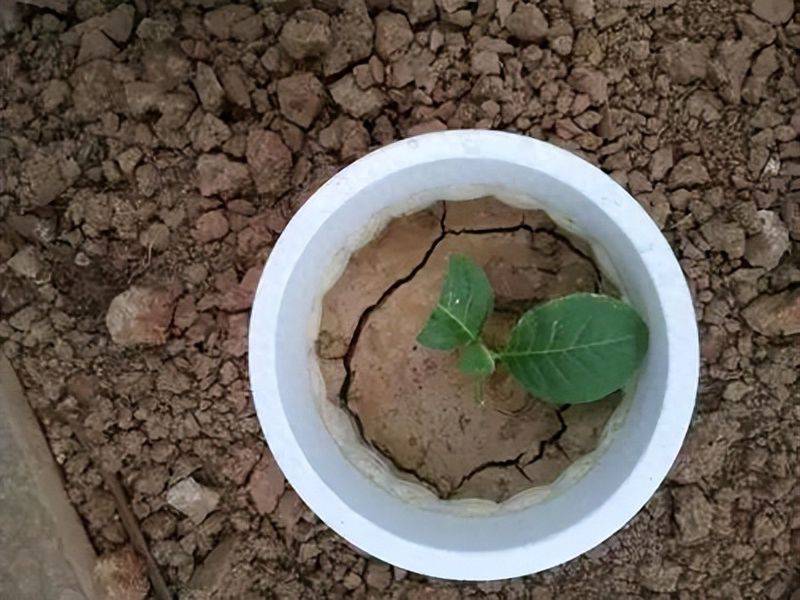
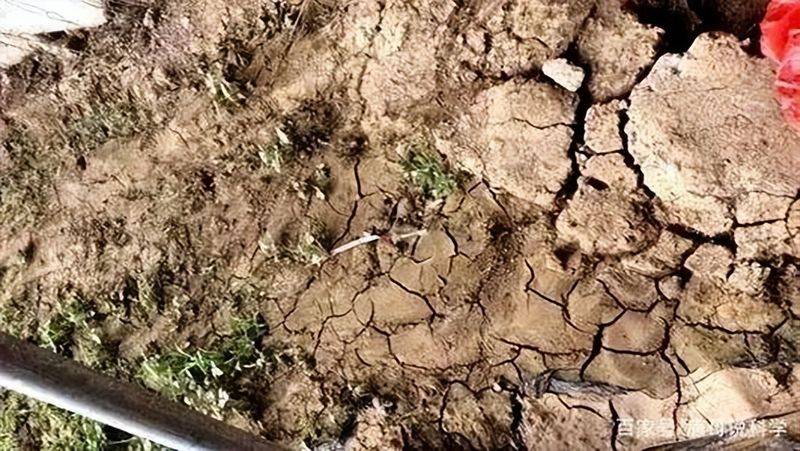
You can't get the roots in a big shed. Don't panic, it's probably soil sheeting that's fucked up! The soil sheeting is like “hard shells” on a land plaque, which not only makes the roots of the crop suffocated, but also leads to deficiencies, loss of production, especially among large-scale growers, which tends to become more acute. Today we'll be able to explain the causes, the hazards and the solutions of the slabs once and for all
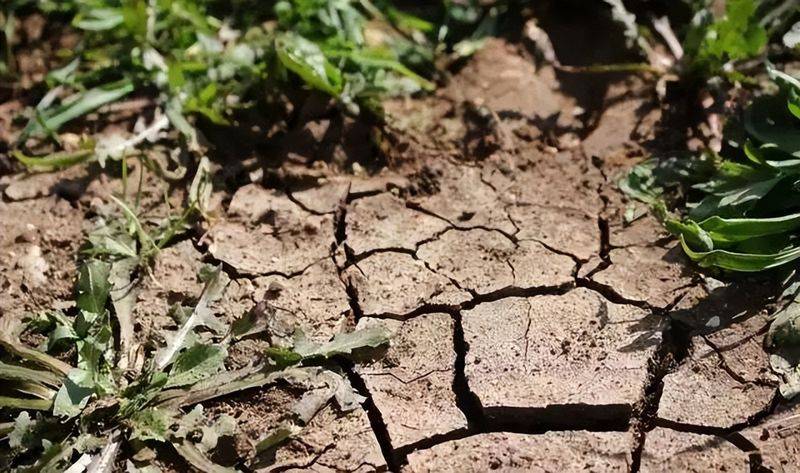
One, the slabs don't come out of nowhere
Farming methods are too “sacking”
Many growers prefer to rotate tillage, although the surface is flat and low, but the depth of the tillage is mostly less than 20 centimetres, the soil is thick, the cavity is small, the pore is closed after the rain, and the surface is hardened。
Fertilizers are too “willy”
This is the most important reason for excessive nitrogen fertilization, which consumes the soil organic matter and reduces microbial activity; excessive phosphorus fertilisation is combined with calcium and magnesium insoluble, which destroys the corrosive structure; excessive potassium fertilisation is more severe, the potassium ion replaces the multi-priced anion that forms the pellets and removes the soil's “bones”. Moreover, organic fertilizers are not applied enough to replace them, and the soil will only become more “rigid”。
3. Burial of plastic waste land
The membranes and plastic bags in the shed are incomplete and cannot be degraded in the soil, forming hard blocks that directly impede the formation of the soil mass and make the soil less ventilated。
4. The mechanical work wounded the earth
Cultivation machinery is too deep and directly destroys the structure of the soil mass; parts of the fertilizer that are not absorbed by crops are deposited into the soil, forming acid hard blocks and growing slabs。
5. Non-scientific irrigation
The water evaporates rapidly after flooding and the surface of the soil is “calculated hard”; the water sunk after flooding also shatters the soil particles and slabs。
6. Excessive accumulation of harmful substances
Irrigated with over-standard groundwater and industrial wastewater, toxic substances accumulate in the surface layer, which directly damage the soil structure and turn it into “hard creeps”。
Heavy rains washed out the “good soil”
Heavy rains take small particles from the topsoil layer, the soil structure is destroyed and the slabs naturally search the door。
Ii. The hazards of soil sheeting are more serious than you think
1. Roots “unable to breathe”
There is a lack of oxygen in the ground, a weakening of the roots of the crop, and insufficient energy to absorb nutrients such as nitrogen. Even if the soil is fat, the roots are “never eaten”。
The root causes are not “strong”
Soil conservation, preservation of fattening and air permeability have been reduced, and the roots have been reduced significantly, preventing them from taking root down, and crops have grown weak and small。
Crop unknown “insufficiency”
It is not the lack of nutrients in the soil, but rather the deterioration of the absorptive capacity of the roots of the slabs, which are fertilized or suffer from deficiencies such as yellow leaf and premature decay。
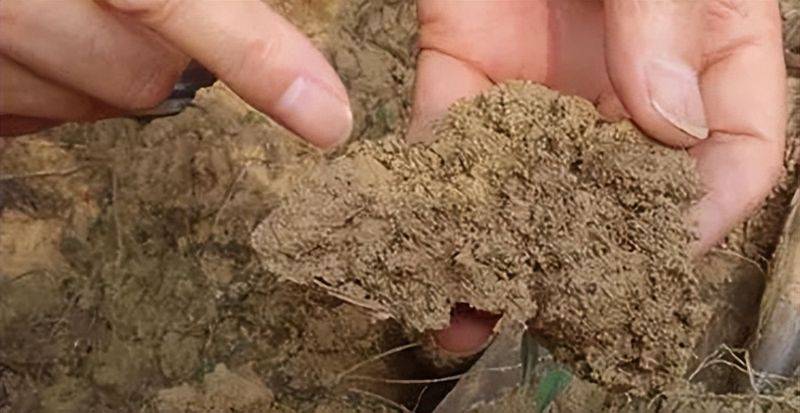
Iii. 8 great strengthening classs and returning the ground soft
1. Deep tillage + swirling mix
Science reaches about 35 centimetres, protecting the soil structure and deeping the roots of the crop, so that nothing else can be done by mere swirling。
Sticky land “mixing + fertilizer”
Magnificent soils can be found in sandy soil, which can be used to increase organic fertilization and fundamentally improve the physicogenicity of the soil and make it loose。
3. Stifling back to the fields boring
Crushing the straw back to the field would increase soil organicity, increase the pore depth, create a “comfort home” for micro-organisms and gradually improve soil sheeting。
4. Use of soil improvement agents
The choice of a modified formulation of divalent anion, such as silicon, calcium and iron, can quickly form a conglomerate structure and regulate the water-heating heat of the soil, with stronger roots。
5. Use of soil formulas for fertilization
Stop blindly applying fertilizers. According to soil tests, organic + inorganic fertilizers combine to reduce pure chemical fertilization and increase the application of organic fertilisers, both to avoid clinking and to increase soil fertility。
Crops on slopes should be “earthed”
The use of soil harvesting techniques to reduce soil erosion during heavy rains and to preserve the particle structure of the soil。
7. Separation of salin and non-salin
- non-salinized lands: deep tillage, green fertilisation, extra organic fertilisation, reducing soil load
- salinous lands: first, watering the saline, digging the draining canals to wash the saline out of the saline, then planting the saline-resistant green fertilizer, applying organic fertilizers and levelling the land。
8. Selection of fertilizers for soil breeding
- fertilizer application: increase of soil microorganisms and promotion of organic decomposition into curate
- fertilizers of corrosive acids, which are attached directly to the soil as “pellets of raw materials” and are rapidly improved
- soil-based fixants: they can be used to fix acid alkaline, plaque, and to compensate for trace elements, bacteria and bacteria。
Soil is a “job” for crops, and large-scale growers need to keep the soil soft and fertile if they want to produce more over the years. These cracking methods are highly degenerative. Try your own shed. Use the right method so that the soil can recover and grow