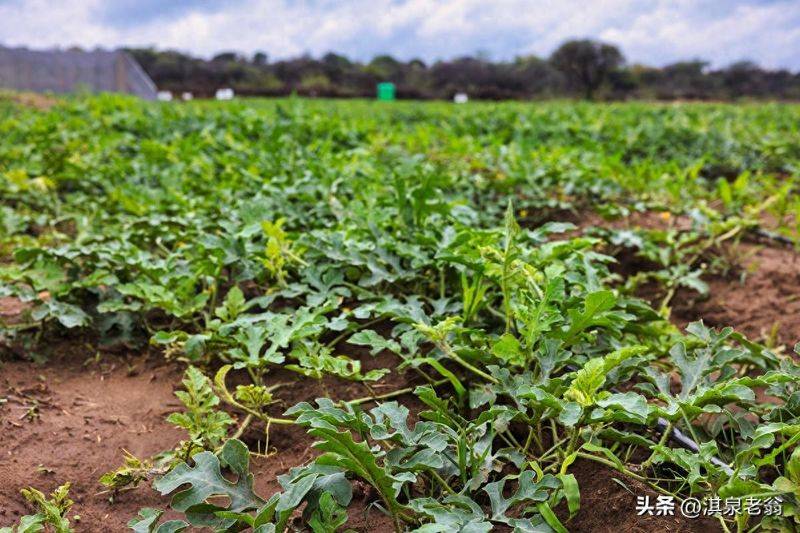
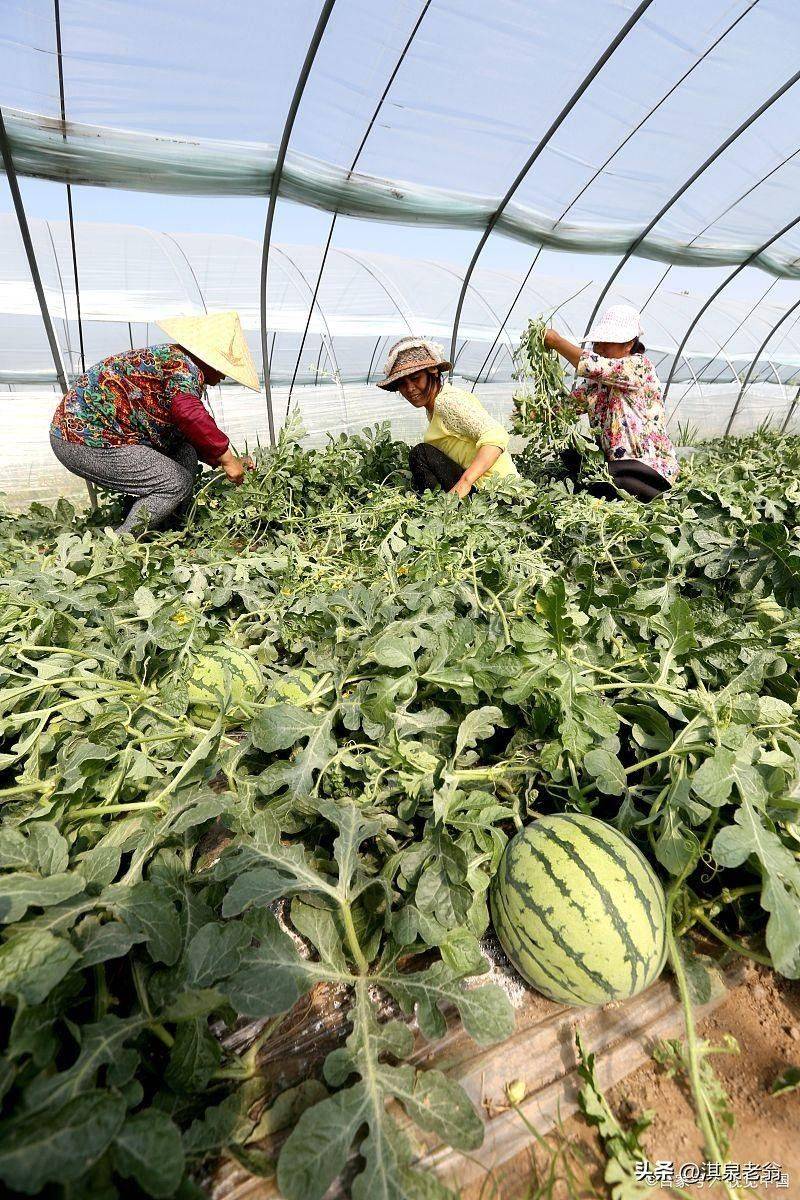
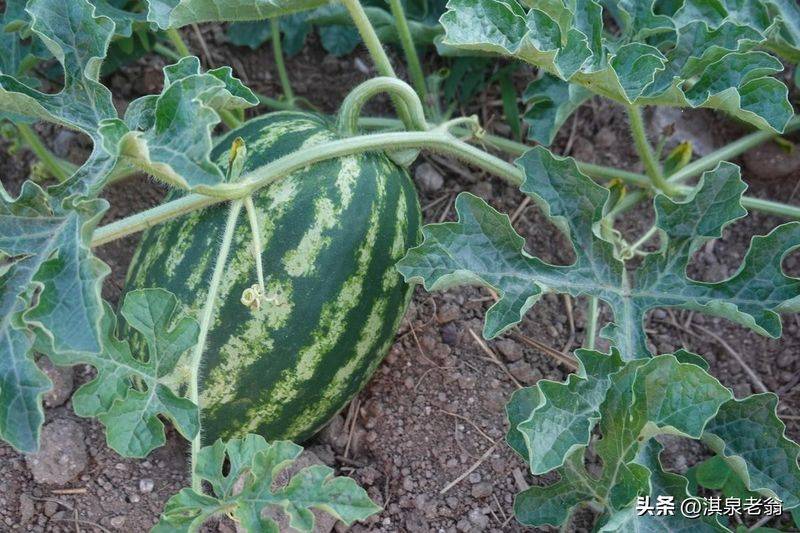
In the consumer market and in agricultural practice, there is a widespread perception of the fact that “smelt watermelon is less sweet than open watermelon”, a conclusion that is not subjective, but is based on multiple scientific patterns of plant physiology, environmental ecology, cultivation and post-harvest physiology, and is a corollary of the separation, trans-shipment, accumulation and metabolism of watermelon sugar in the environment of plant cultivation and natural open water. The scientific kernel, which interprets this phrase systematically from the dimensions of light, temperature, water fertilization, gas environment, plant management and physiology, clarifies the mechanisms for the impact of plant and field cultivation on the accumulation of sugar in watermelons。
I. Differing light conditions: inadequate core energy base for sugar fraction synthesis
Watermelon is typical of the c4 crop, which is the only source of accumulation of sugar, and where the photocosm rate, the synthesis of the photocosm directly depends on the intensity of the light, the length of the light and the spectral composition, and the conditions of light in the shed differ substantially from those in the open。
In light of the intensity of light, watermelons receive natural direct light from the entire wave in the open environment, with a summer lumber of 60000-100,000 lux, which fully meets the watermelon light co-operation saturation needs (over 40,000 lux); materials such as plastic film, po membranes, which are covered by the sheds, can reduce light intensity by 20-40 per cent due to material permeation, dust attachment and degradation of the aging, and can reach only 50-70 per cent of the surface even in clean balm, winter or early spring. Inadequate light intensity directly reduces the chlorophyll efficiency of watermelon leaves, reduces the synthesis of photogenic products such as sugar, nuts and glucose, and limits the accumulation of sugar from its source。
In light of the long periods of light, the growth cycle of the open watermelon coincides with natural light rhythms, ranging from 8 to 12 hours between the flowering period and the maturation of the fruit, while the daytime light of the day is grown mostly in opposition to the season, with shorter natural light periods in the early spring and winter, with a further reduction in the duration of the active light, which is only 5 to 7 hours. Shorter periods of light lead to shorter periods of accumulation of photolytic products, and the fruit cannot complete full sugar conversion。
From a spectroscopy composition, natural open field light contains all the effective spectrum required for watermelon photocosyncation, in particular red light, blue light, and effective radiation, which can accurately activate the sugar-synthesis key enzymes, such as cane phosphate synthetic enzymes and glucose hormone enzymes; and the laminate film filters off part of the purple. Exterior and infrared light, changing the spectroscopy ratio, inhibiting the activity of the sugar-synthesis enzyme, and affecting the efficiency of the transfer of photocosm products to the fruit, have resulted in an inefficient delivery of sugar to the fruit。
Ii. Imbalance between temperature and night and day temperature: metabolic imbalance between sugar accumulation and consumption
Temperature is the core factor in the management of watermelon physiologies, which is a key condition for the accumulation of high sugar in the watermelon during the day, with low and low temperatures at night, and for which the temperature characteristics of the closed environment are difficult to match。
The most suitable temperature for luminous co-operation in water is 28 - 32 °c, with the highest photoacoustic activity in the temperature range, maximizing the efficiency of the synthesis of carbohydrates; the natural temperature of the field is consistent with the temperature range by day and by seasonal rhythms. In contrast, the large sheds are closed and prone to high temperature accumulation during the day, often rising to 35-40°c, exceeding the suitable temperature threshold for watermelon light, leading to a failure of the photocoase and a sharp drop in the photocolumn rate, while accelerating the evaporation of the leaves and affecting the absorption of nutrients; the night sheds are slow to disperse at a temperature of 20-25°c, which is much higher than the night temperature (15-18°c) accumulated in the sugar melon。
In terms of day and night temperature differentials, field cultivation is regulated by natural climate, with a difference of up to 10-15°c in the summer maturity period, high-temperature synthetic sugar during the day, a significant reduction in respiratory intensity at night, a reduction in respiratory consumption of photocosms and a “multi-synthetic, low-consumption” sugar accumulation pattern. Data from agricultural studies show that when the temperature differential reaches 10-12°c, the rate of accumulation of watermelon sugar rises by more than 40 per cent below the temperature difference of 5°c; while the temperature differential between day and night is usually only 5-8°c in the shed, with a strong breathing effect at night, with a large amount of synthetic sugar being disaggregated from the energy supply and a significant reduction in the accumulation of net sugar in fruit. This is also the central cause of the high temperature differentials in the land areas of xinjiang, ningxia and others, with the prevalence of sugar in the watermelon at more than 12° brix, while the general shed of watermelado at 9-11° brix。
Iii. Differing water fertilizer management patterns: sugar fraction conversion and concentration increase limits
The accumulation of watermelon sugar depends not only on the amount of synthetics, but is more closely related to the distribution of nutrients under water fertilization regulation, dilution of water, and the synergy of mineral elements. There are significant differences between the concentration patterns of water fertilizers and the supply of natural water fertilizers in the open。
In terms of water management, the reliance of the open-water watermelon on natural precipitation and soil acreage, the coercion of natural drought during maturity (7-10 days before harvest) may lead to the planting of plants to reduce water intake, increase the concentration of fruit and meat cell fluids, and increase the sweetness of condensed sugar. At the same time, moderate drought activates mechanisms for the transfer of sugar plantations, giving priority to the delivery of photo-photo products to fruit. In contrast, large-scale cultivation, in pursuit of high productivity and productivity, with the use of drip irrigation and spraying for continuous water supply, the difficulty of precision and control of water during maturity periods, high soil moisture levels, excessive intake of fruit and meat cells and thinning of sugar, has resulted in “drinky water”. In addition, the slow evaporation of soil moisture in the sheds, the risk of oxygen deficiency at root, inhibition of the absorption of key elements such as potassium, boron, calcium and other sugar sub-shipments, further hinders the accumulation of sugar。
With regard to the application of fertilizer structures, field cultivation, which is dominated by decomposed farmers, organic fertilizers, high soil organic content, balanced supply of nitrogen, phosphorus, potassium and moderate trace elements, can facilitate the conversion of starch to soluble sugar and increase the sugar-acid ratio, while large shed cultivation, which reduces growth cycles and increases yields, tends to re-utilize the use of fast-acting nitrogen fertilizer, leading to nutrient growth, longing and a high consumption of nutrients, inhibition of reproductive growth (the growth of fruit) and the disruption of the transfer of sugar to fruit. At the same time, the lack of boron, due to its persistence and over-fertilization, its susceptibility to salinization, acidification and the lack of trace elements such as boron and zinc, directly disrupts the sugar sub-transport route of the watermelons, resulting in an uneven distribution of fruit and sugar and a decrease in overall sweetness。
Iv. Gas environmental and electronic equipment: hope effective and freedom stuff contribution
The composition of gases in closed space, the biological environment and the open open environment vary significantly, affecting the synthesis of watermelon sugar and flavour substances at the physiological level。
In terms of co2 concentrations, co2 is a feedstock for photocosm, and co2 concentrations in open open environments are stable at 380-400 ppm, which can sustain watermelon photocolumn demand, while large huts are highly closed, and day-planting photosynthesis consumes co2 in large amounts, and concentrations can easily be reduced to 150-200 ppm, resulting in “co2 hunger”, resulting in a sharp drop in photocosm rates and inadequate sugar synthesis. While some of the sheds can compensate for carbon dioxide, it is difficult for ordinary growers to regulate precisely, and most of the sheds still suffer from inadequate carbon sources。
In terms of biological and ecological factors, the field watermelon is associated with natural pollination, insect pollination, micro-organisms, fruit growth is more in tune with natural rhythms and sugar accumulations are synchronized with maturity; and the use of artificial pollination and hormonal hormonal bouquets in the sheds, while increasing sit-in rates, tends to lead to abnormal growth of fruit and inadequate transformation of sugar. At the same time, the abundance of micro-organisms in the open soils allows the decomposition of nutrients from organic matter and promotes root-system absorption; the reduction of microbiodiversity and the reduction of the efficiency of nutrient conversions in large-scale soils indirectly affects the accumulation of sugar. In addition, the poor ventilation and high humidity of the sheds, which are prone to diseases such as dust and anthrax, are growing plants that consume large amounts of nutrients in order to withstand the disease, further reducing the accumulation of sugar。
Cultivation cycles and harvest criteria: lack of time conditions for full conversion of sugar
With anti-season marketing, high productivity and high productivity as the core objective, planting cycles and human intervention at harvest times are important human-scientific factors contributing to the lack of sweetness in the watermelon。
The field watermelon is grown seasonally, with a growth cycle consistent with the natural rhythm, 35 to 40 days from sit-down to maturity, with a temperature of 800 to 1,000°c, sufficient time to complete the conversion of starch, single sugar and double sugar, with organic acid gradually decomposed and the sugaric acid ratio reaching optimal value, while the large sheds cut off the market by artificially reducing the growth cycle, 25 to 30 days after the fruit, with insufficient temperature and maturity, incomplete transformation of the starch to soluble sugar, high levels of organic acid, and low oral acidity and sweetness. At the same time, the open watermelon is fully harvested, with long distances to be considered for long-distance transport, widespread early harvests, followed by the cessation of the synthesis of sugar, the consumption of nutrients only by breathing and further reduction of sugar。
Scientific evidence: not absolute differences, but a combination of environment and management
It needs to be made clear that the “breathing watermelon” is not an absolute conclusion, but rather a comparison between the cultivation of general facilities and that of natural open ground. The modern smart sheds can simulate the best conditions in the open and produce high sugar cultivation through technologies such as light recharge, temperature control, water fertilization and carbon dioxide enhancement; however, the ordinary sheds are difficult to meet because of cost and technical constraints, so that most of them are less sweet than the open watermelon in the market。
The essence of this difference is the contradiction between the controllability of the facilities and the optimal suitability of the natural environment: while addressing the issue of anti-season production and increase in production in the watermelon, it is difficult to fully resurface the natural synergies of the light, temperature, water fattening and ecology, while the field plants natural patterns that allow the watermelon to complete its full sugar fusion, transformation, accumulation cycle and eventually achieve higher levels of sweetness。