


In 2026, students will receive a new version of the curriculum, which will place greater emphasis on thinking and reading! In order to make it easier for students to study textbooks for the new semester during the summer season, we have prepared an electronic version of the 2026 new school (second edition) of the compulsory secondary school curriculum, which is presented in a photo format, in the hope that it will help students in their summer studies。
If you need a full version of the e-book PDF, please focus on the response to the public's e-book, “dorekop”
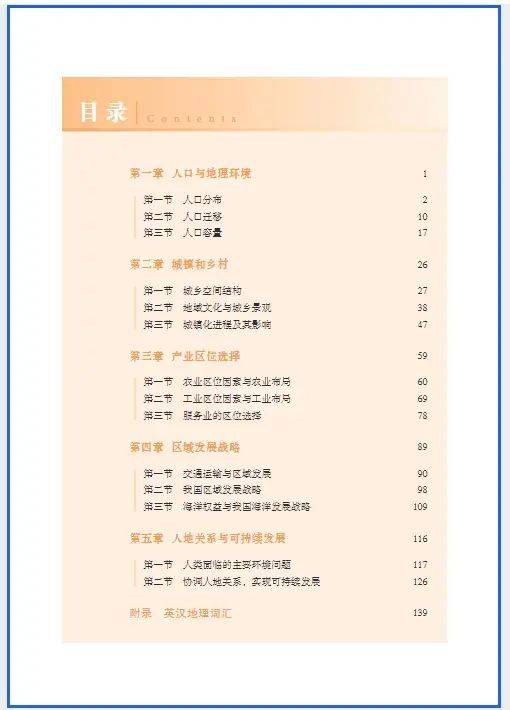
Secondary school geography (second edition) - online reading of e-books

A complete review of the syllabus (full version of the natural + human + regional + selection test)
Suitable: mid-second, end-of-cycle, examination-level, examination-round, very brief, no nonsense。
Part i. Natural geography (mandatory i + optional i)
I. Earth movement
Ii. Atmospheric and climate (core theme)
Water cycle + current
Iv. Geological role and landscape
V. Integration of the natural environment & difficultity
Part ii. Humanities and geography (the simplest, best score for the two mandatory)
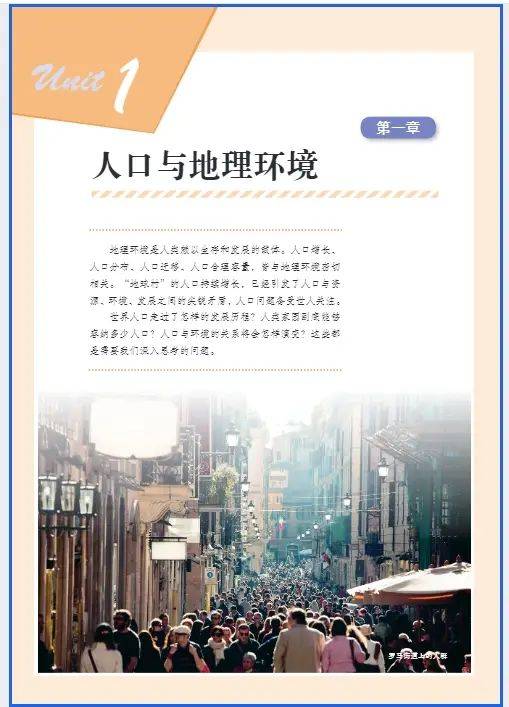
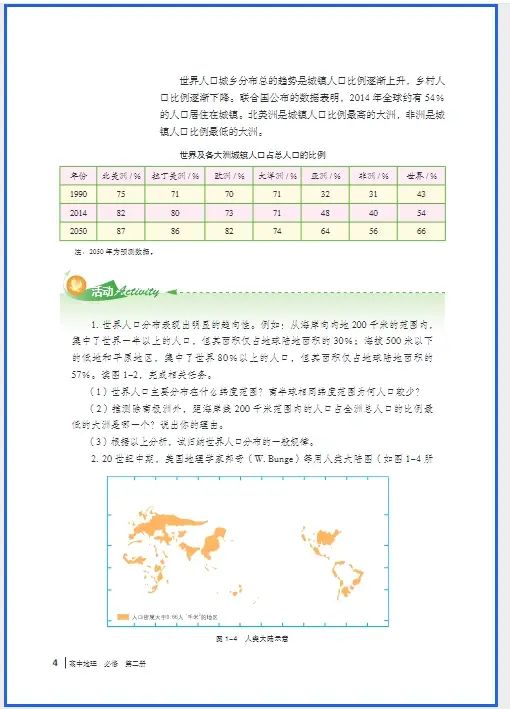
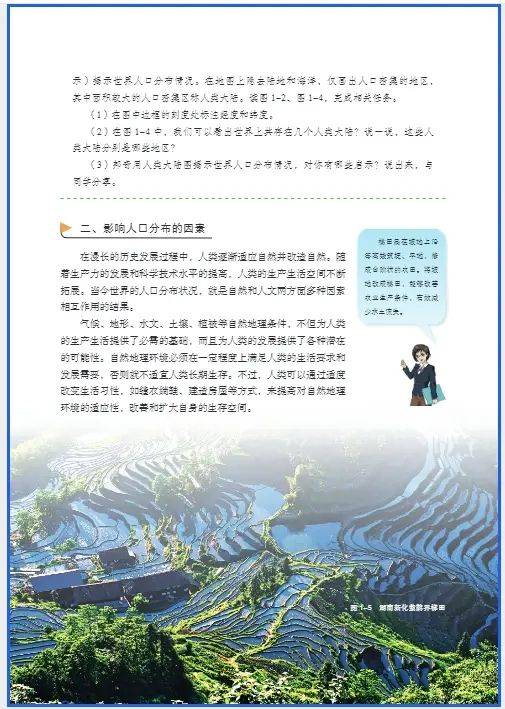
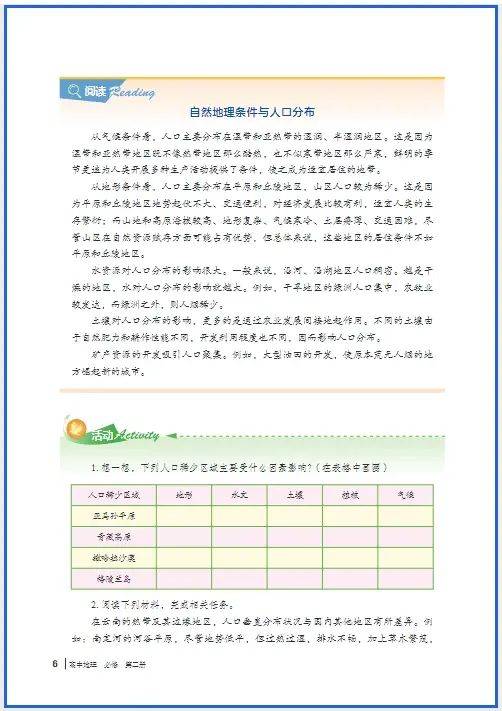
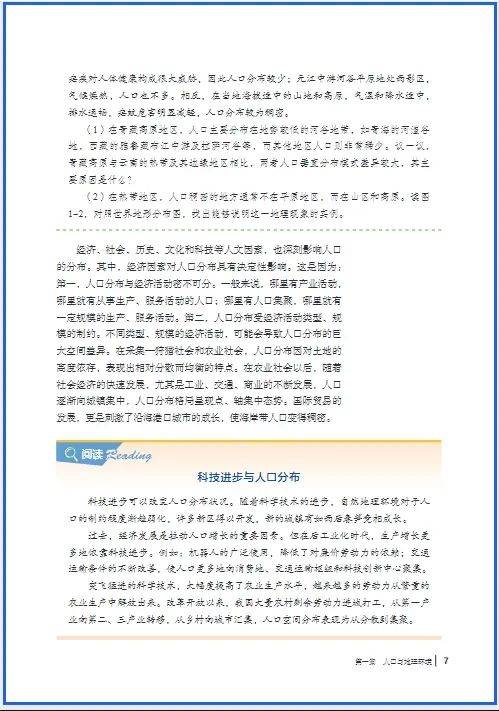
I. Population
Ii. Cities and urbanization
Three main functional areas: business, residential, industrial; urbanization signs: urban population growth, urban land expansion, urban population growth; urbanization issues: traffic congestion, environmental pollution, housing stress, green land scarcity; governance: rational planning, decentralization, greening, emission reduction
Iii. Agricultural location (one-size-fits-all template)
Nature: climate (light hot water), terrain, soil, water
Social: markets, transport, labour, policies, science and technology, land prices
Geographical type of agriculture:
Monsoon water fields, commodity grains, large range grazing, dairy industry, mixed agriculture
Iv. Industrial location
Raw materials, energy, transport, markets, labour, technology, policies, land prices, environment
Industrial clustering: cost reduction, collaboration, economies of scale
Industrial fragmentation: reducing land prices, mitigating pollution and finding optimal locations
V. Transport
Locations of traffic routes: terrain flat, geological stability, urban connectivity, economic needs
Part iii regional sustainable development (mandatory three-point examination)
Environmental problems
Causes of erosion (yellow highlands)
Regional resource development
Energy resources: coal, oil, wind, hydro, trans-regional resource allocation: west gas, west electric, north south water
Iii. Industrial transfer
Reason: cost increases, policies, environmental pressures
Impact:
Transfer of land: industrial upgrading, pollution mitigation
Land transfer: economic development, increased employment, increased pollution
Part iv. Optional requirements ii and iii (emphasis added)
I. Regional coordination development
Regional characteristics: differentity, integrity, openness



