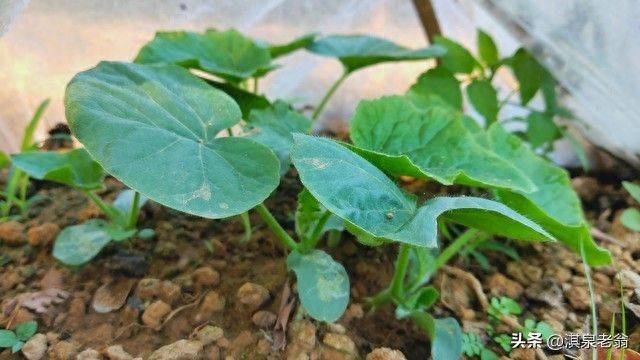
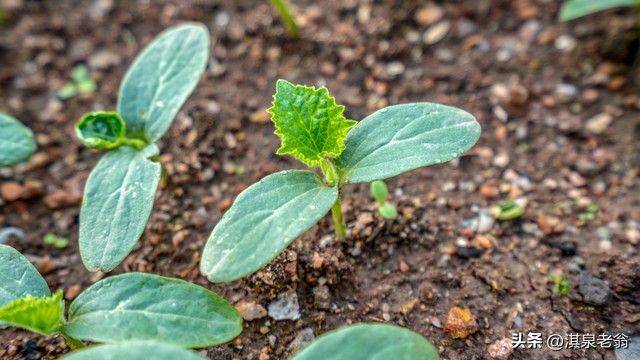
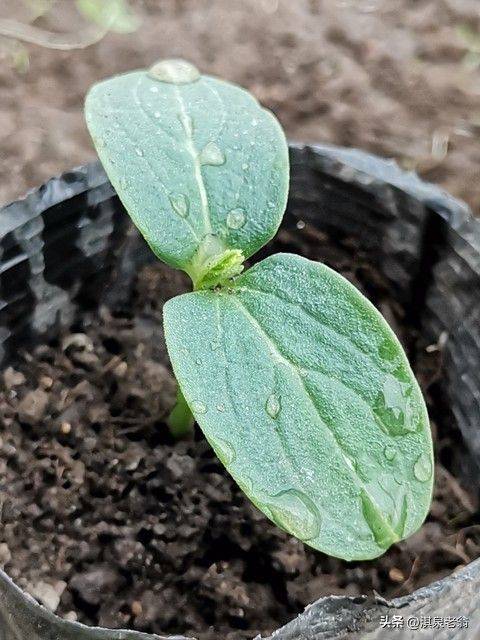
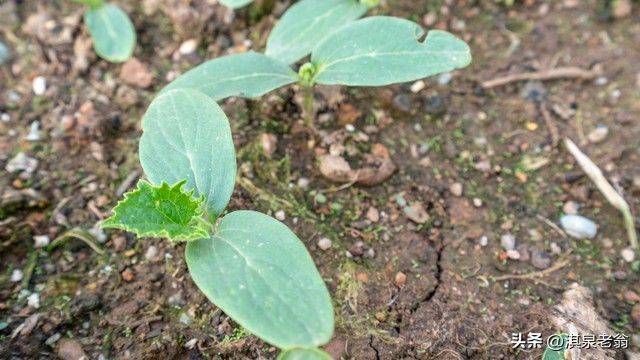
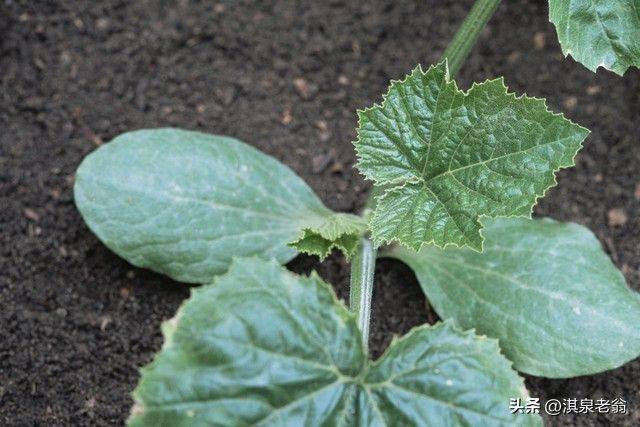
The early spring plant is an important production model for early marketing of pumpkins and melons and for improving economic efficiency. Cultivating strong seedlings is the basis for the early ripening, production and quality of pumpkins. The growth criteria are usually as follows: thick tubing, short nostrils, thick and green leaves, disease-free pests, well-developed roots and large white roots, suitable calendar age (30-35 days for pumpkins and 35-40 days for silkmelons). Since early spring climates are volatile, such as low temperatures, heavy rainfall and insufficient light, which can easily lead to the growth of young seedlings, root roots, rigidity or infection with sudden-onset diseases, as well as degenerative diseases, access to science-based nursery techniques and targeted and focused interventions are essential for breeding. This paper will provide theoretical guidance and practical reference for a wide range of growers by systematically describing the core technical elements of early spring pumpkins and guacamole seedlings from key links such as variety selection, seed processing, nutrition homemaking, seeding, seed management and pest control。
I. Typology selection and seed processing
(i) selection of excellent varieties
The selection of varieties is a prerequisite for the growth of seedlings, taking into account the early maturity, low-temperature light tolerance, disease resistance and commerciality of the varieties, in accordance with the characteristics of the early spring climate and the planting objectives。
1. Pumpkin species selection: early ripening, low-temperature tolerance, low female symmetry and high sit-in rates are preferred in early spring. It's like the honeybumpkin series, the pre-cooked grinder pumpkin, the chestnut pumpkin. Such varieties can grow normally in early spring and at low temperatures, and the female is separated early and can be effectively harvested early。
2. Selection of silk melon species: choice should be made for low-temperature and weak light, continuous melon capacity, disease resistance (e. G., frost and powder disease), early ripe varieties of good commodities, such as guava no. 1, pre-literated white melon, spring silk no. 1. Avoiding the selection of late-lated varieties that require high temperatures, and preventing delays in fertility due to low temperatures in early spring, affecting marketing times。
(ii) seed treatment
Seed treatment is a key step in breaking the hibernation of seeds, eliminating the fungi, increasing the gerontology and ensuring a coherent seeding process, which includes, inter alia, tan, leaching and seedling。
1. Sunburning: 2-3 days before seeding, 1-2 days of drying of seeds in sunlight, 2-3 times a day. Sunburning promotes seed preparation, enhances enzyme activity and strengthens seed vitality, while destroying some of the pathogens on the surface of the seeds and reducing the incidence of disease in the nursery period. Care is taken to avoid tan on concrete floors and metal sheeting and to prevent high temperature burning of embryos。
2. Absorption: the application of a hot soup leaching method is used to place tanned seeds in warm water at 55-60 °c, which is constantly mixing to 30 °c and continues to soak. Pumpkin seeds are impregnated for 4-6 hours, and silk melon seeds are immersed for 8-10 hours due to their thick skin. In leaching can wash seed surface slime and improve water intake. Temperature immersion is effective in the eradication of germs carried by seeds, such as pumpkin atrophy, filamental anthrax, etc。
3. Drumbs: when impregnation is completed, seeds are extracted with wet gauze or towels, which are incubated in a constant temperature environment of 28-30°c. The seed was washed with hot water one or two times a day during the sprouts to keep the gauze wet and ventilated. More than 70 per cent of the seed can be sowed when it is white (0. 3-0. 5 cm sprouts). If it is too long, seeding can be broken, affecting seedlings。
Ii. Nuclear production and resources reduction
(i) nutritional home formulation
Nutrient soil is a vector for the growth of seedlings and its quality directly affects the growth and growth of the seedlings. High-quality soil should be characterized by aerobic aerobics, water-preservative fertilization, high organic content, insect-free eggs, appropriate acid alkalinity (ph 6. 0-7. 5)。
1. Raw material ratio: the usual formulations are: six copies of fertile fields and fields (uncultated melon crops), three copies of decomposed organic fertilizers (e. G., decomposition of goat dung, cow dung, composting) and one piece of fine sand or platinum. Add three grams of composite fertilizer (15-15) 1-1. 5 kg, calcium perphosphate 1 kg and 100 g of polyglycerine wettable powders per cubic metre, with full parity。
2. Attention: fields need to select plots that have not been planted with melon and eggplant vegetables over a period of three years in order to avoid cross-infection with soil-borne diseases; organic fertilizers must be fully decomposed, otherwise high-temperature burning roots will occur when fermentation takes place, with the release of amino gas poisoning to seedlings; nutrient earth-based formulations need to be sifted and the impurities, such as stones and weeds, removed to ensure the fragmentation of the earth。
(ii) feeding facilities and preparation of nursery beds
Early spring seedlings need to be carried out in facilities with good temperature protection, such as solar greenhouses, plastic sheds, in conjunction with temperature-reserve facilities such as small arch sheds, electro-heat hotbeds, etc., to ensure that the temperature of the nursery bed meets the growth needs of the seedlings。
1. Slender bed making: using a nursery or nutrient seedling, the seedlings are selected for 50 holes or 72 holes, and the trophic specification is appropriate for 8 cm x 8 cm or 10 cm x 10 cm. The well-prepared nutrients are fed into the nursery or incubation, with light pressure, so that the bottom water can be poured and soaked when the water seeps。
2. Hotbed settings: if early spring temperatures are low, electro-heat hotbeds can be used. A hotline with a power of 80-100 w/m2 has been laid at the base of the seedbed, with three to five centimetres of fine earth laid above it, and a nursery or nutrition pallet set up. The electro-thermal hotbeds control precisely the temperature of the nursery bed to avoid cold temperatures。
Iii. Precision seeding and seeding management
(i) sowing in due course
The planting time is determined by the reversal of the planting period, which is usually 30 to 40 days before the planting. The northern part of china is usually seeded from late january to early february, the yangtze basin from mid-february to mid-january. When seeding, the seed is flattened in the middle of a nursery or a nucleotide, with a sprouts down, with one seed per den, covering 1. 5-2 cm thick trophic soil. The thinness of the land overwhelms the seed with a hat and damage to the leaves, while the thinness of the soil affects the rate of seeding。
(ii) sterilization management
At the heart of seeding management is the preservation of temperature and humidity, which promotes the rapid seeding of seeds while preventing high-temperature sprouts and low-temperature rotten species。
1. Temperature management: after seeding, the nursery temperature is maintained at 25-30°c and not less than 18°c at night. The membrane can be covered on a nursery or on a trophic sprawl to increase soil temperature and maintain soil moisture. When 70 per cent of the seedlings are soiled, the membrane is removed in time to avoid the growth of the seedlings。
2. Humidity management: keep the soil moist until seeding occurs, and if surface soil is dry, a small amount of water can be sprayed and wetted, with the fear of flooding. When seedlings are produced, water is properly managed to prevent the soil from being wet and from causing sudden fallout。
3. Light management: after the seedlings are soiled, the light is increased in a timely manner, the cover is lifted during the day, and the seedlings receive enough sunlight. The lack of light tends to lead to small seedlings, thin leaves and to the formation of seedlings. In the event of continuous rainy weather, the light can be filled with a light light for 4-6 hours per day。
Iv. Key management measures for the seed age period
Shrimp management is a central component in the cultivation of strong seedlings, with emphasis on finely calibrated regulation of temperature, humidity, light, water fertilisation and seedlings。
(i) temperature management
Temperature is a key factor influencing the growth and development of young seedlings, and a “two-to-two-low” temperature management model needs to be implemented, based on the different stages of seedling fertility, i. E. High temperatures before seedlings, low temperatures before seedlings are released to the right leaf, long-term cooling of real leaf life, low temperature seedlings before planting。
1. Episode of seedlings: this stage is a critical period for preventing the growth of the population, reducing temperature appropriately, 20-25°c during the day and 12-15°c during the night. Low temperatures can inhibit the extension of young seedlings, promote the growth of tubers and form small and strong seedlings. If the temperature is above 18°c at night, the seedlings are extremely vulnerable and form high-foot seedlings。
2. The real leaf is long: from the first leaf spread to 7 to 10 days before planting, with appropriate temperature increases, 22-28°c during the day and 15-18°c during the night. The temperature at this stage is appropriate to promote co-operation of seedlings, accelerate the growth of leaf blades and root systems, and nurture thick, thick leaves。
3. Pre-planting seedlings: 7-10 days before planting, gradually reducing the temperature of the nursery bed to 18-22°c during the day and 10-12°c at night. To improve the resilience of seedlings through low-temperature seedlings, adapting them to the post-planted field environment and improving their survival. Gradual increase of ventilation during seedlings to avoid sudden cooling of seedlings。
(ii) humidity management
The management of wetting during the seed period is based on the principle of “better dry than wet” to satisfy the moisture required for the growth of seedlings and to prevent the occurrence of diseases caused by wetness。
The principle of watering: watering in seedlings is based on the criterion of “dry-wetting”, when the soil surface of nutrients is white and the seedlings alightly atrophy at noon, choosing to take place in the morning of the sun, with warm water (20-25°c) and avoiding cold water to stimulate root systems。
2. Ventilation and wetting: open vents at high noon temperatures every day to reduce air moisture in the nursery. To avoid cold wind blowing into the seedlings while venting, and to prevent foliage. The continuous rainy weather requires longer ventilation to reduce the incidence of disease。
(iii) light management
Light is a source of energy for light cooperation by young seedlings, and adequate light is an important condition for breeding。
1. Increased light time: early spring light is short and the light time for seedlings should be as long as possible, with light time of not less than eight hours per day. Timely removal of dust and snow from the shampoos and increased radiance of the shampoo。
2. Reasonable planting: if seedling beds are used to sow seedlings, seedlings are distributed in a timely manner at one centipede to expand the nutritional area of the seedlings and to avoid the crowding of the seedlings and their impact on growth. Water is distributed in a timely manner to promote seedlings。
(iv) fertilizer management
There is a need for fewer fats during the nursery period, but for a balanced supply of nutrients to avoid a shortage or loss of fertilizers。
1. Fertilizer management: sufficient base fat has been applied in the trophic soil, and there is generally no need to catch fat during the seeding period. In the case of folate-coloured greens and slow growth, the folic side sprays 0. 2-0. 3 per cent of the potassium phosphate solution once every 7-10 days and twice in a row, promoting the healthy growth of the seedling。
2. Water management: strict control of water irrigation to avoid flooding. The timely ventilation and wetting of water prevents soil sheeting and affects the breathing of roots. If the soil is compacted, it can be soaked and decompressed to promote root growth。
(v) precipient management
Precubation is a key measure to increase the survival of seedlings and to increase their resilience by gradually reducing temperature and controlling moisture。
1. Temperature seedlings: 7-10 days prior to planting, during the day the small arc film is gradually lifted, cover is gradually reduced at night, and the temperature of the nursery is close to the temperature of the field。
2. Hydraulic seedlings: the proper management of water during the seedling period, without drought or watering, causes a slight atrophy of the leaves of the seedlings, which can be restored at nightfall, and promotes the laying down of the roots. However, over-control of water prevents seedlings from forming rigidity。
3. Ventilating seedlings: gradually increasing the amount of ventilation, extending the ventilation time and adapting the seedlings to the external natural environment. The seedlings that follow the seedlings are thick tubing, thick green leaves, well-developed roots, highly resistant and slow-growing。
V. Green control of pests and diseases in the nursery age
In the early spring of the year, sprawl, deadness and anthrax are common diseases in pumpkins and silk melons, as well as aphids, white lice and tremors. Pest and disease management should be guided by the principle of “preventive, integrated”, giving priority to agricultural, physical and scientific chemical control to ensure that young babies are free of pests and diseases。
(i) agricultural control
1. Rotation: choosing plots that have not grown a melon crop for more than three years, avoiding the accumulation of endemic diseases。
Cleaning of fields: complete removal of sick and weeds in seedbeds and reduction of the source of disease。
3. Cultivation of seedlings: through precision management, growth of strong seedlings and enhancement of insect resistance。
(ii) physical control
1. Cylinder booby traps: yellowboarding in seed beds, booby-trapped pests such as aphids and white ticks, 25 cm x 40 cm with a cedar specification of 1-2 blocks per square metre, at the same height as the top of the seedling。
2. Pest-net barrier: installation of 40-60 insect-proof nets at vents in nursery facilities to prevent external pests from entering the nursery bed。
3. High-temperature shacks: high-temperature shacks for nursery facilities before seeding, closing vents, raising temperature to 50-60°c for 2-3 days, and killing bacteria and eggs in the shed。
(iii) chemical control
1. Disease prevention and control: 72. 2 per cent of frostilate water is sprayed 800 times the fluid, 50 per cent of more than 50 per cent of more than filamentable powder is sprayed once every 7-10 days and 2-3 times in a series of times. In the early stages of anthrax, 70 per cent of the methiosulphate humid powder was sprayed with 800 times the fluid, and 25 per cent of the metamine cream 1,000 times the fluid。
2. Pest control: 10% of aphids are sprayed with 1,500 times more humid powder and 25% of aphids are sprayed with 2,000 times more pellets. A 6 per cent ethylidocillant suspension of 1,500 times was sprayed at the time of the antimony hazard. Chemical control in strict compliance with pesticide safety standards, control of dose and safety intervals and avoidance of pesticide residues