Get ready for play
1. Landing and integrity
Fields with good ecological conditions, ease of drainage, deep-dry soil dysentery, fertile soil, and no different types of maize varieties within 500 metres were selected. Pre-plantation is preceded by the application of 1,200-1500 kg of urea, 7. 5-10 kg of urea, 50 kg of phosphorus and 7. 5-10 kg of potassium chloride per acre, with a relatively higher use of maize-based fertilizer per acre than summer. At the same time, 3 per cent of mirar 2 kg was distributed to combat underground pests. Zirconium is 1. 2 metres wide and is grown in two rows, 60 centimetres wide and 30 centimetres wide. Crossings or well ditches based on field shapes to facilitate drainage and drainage。
2. Selection of progeny
Sweet corn is divided into three main types of ordinary sweet corn, super sweet corn and enhanced sweet corn, and should be grown in suitable varieties for production purposes. If the fruit or vegetables are marketed primarily in young fruit or vegetables, the varieties of super-sweet corn shall be chosen, while in the case of cannery, the normal varieties of sweet corn shall be chosen. In addition, care should be taken to increase economic efficiency by combining early, medium- and late-literate varieties and growing them. The three seasons of sweet maize hybrids, currently grown in the sennan region, are mainly worlds, hua jie, super sweet 2000, gold 1。
Sowing and shifting
1. Periodic planting
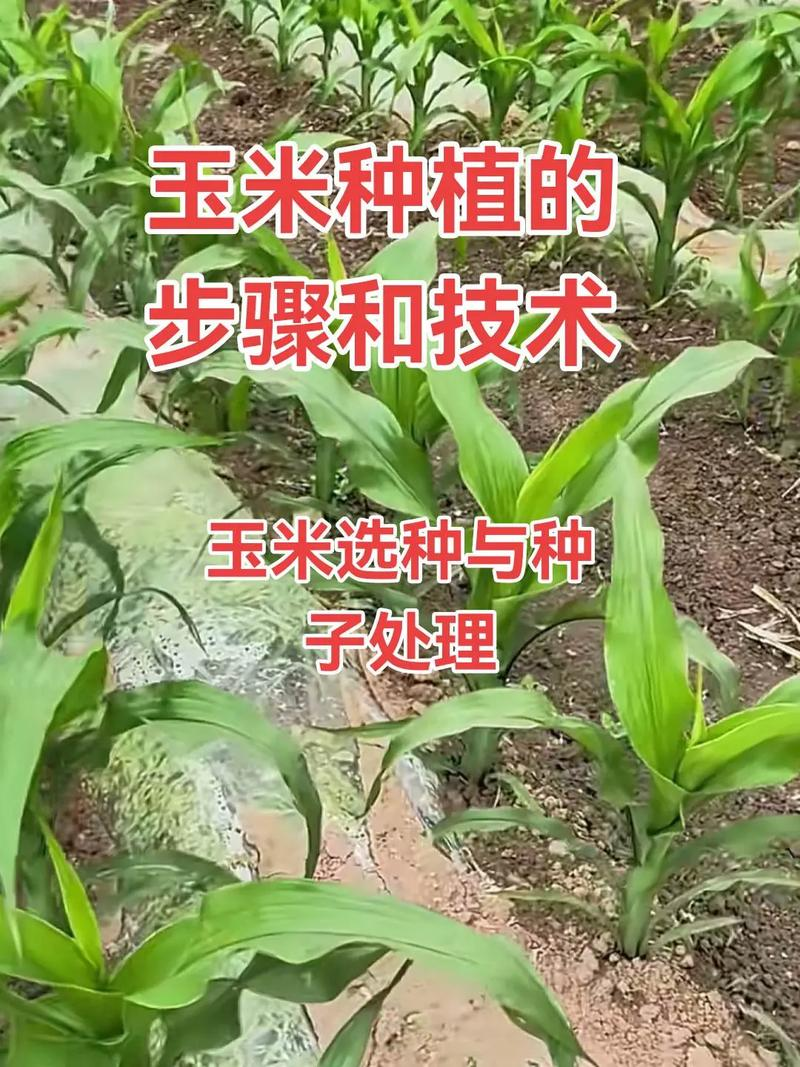
The arrangements for the sweet maize planting season should be considered in conjunction with climatic conditions, market demand, the production season of fruit- and vegetable-processing plants, and the harvesting period. The earliest sowing period can begin at 12°c at temperature stabilization, using membrane-covered seeds 7-10 days earlier. Spring broadcasts in guannan were generally broadcast between late february and late march, mid-may and early august to mid-october. Seeds are selected, tanned and impregnated before seeding. In order to market early, market-grabbing, early spring maize can be used for pre-maturized varieties, with accompanying techniques such as seedling transfer and membrane cover。
2. Reasonable secrecy
The plant is grown on a two-way basis with a distance of 26-28 centimetres x 60-65 centimetres, with a depth of 2-3 centimetres, with two-3 grains per lavender, covered with fine earth, and sprouts in the event of drought. One per den with a healthy seedling, 3,500 to 4,500 per 667 m2. Different planting densities are selected according to the different varieties of sweet corn, with less and more sophisticated later and more sophisticated early。
Herbicides were sprayed on the day after the planting of the soil, with 100 grams of ethylamide per 667 m2 sprayed 100 kg of water with wet oscillations and gavages to prevent grassing before germinate. Nutritional cups are also provided at 3 to 5 per cent seedage to provide complementary seedlings。
3. Segregation
In order to ensure the quality of sweet maize, it is necessary to separate it from ordinary maize or other types of sweet corn and to prevent a collage of powder. The usual isolation methods are spatial and temporal. Space isolation is generally at a distance of more than 400 metres, or natural isolation using natural barriers such as trees and hill posts; it is time-separated and the sowing period should be staggered for more than 30 days。
Field management
1. Saplings, seedlings, grass cultivation
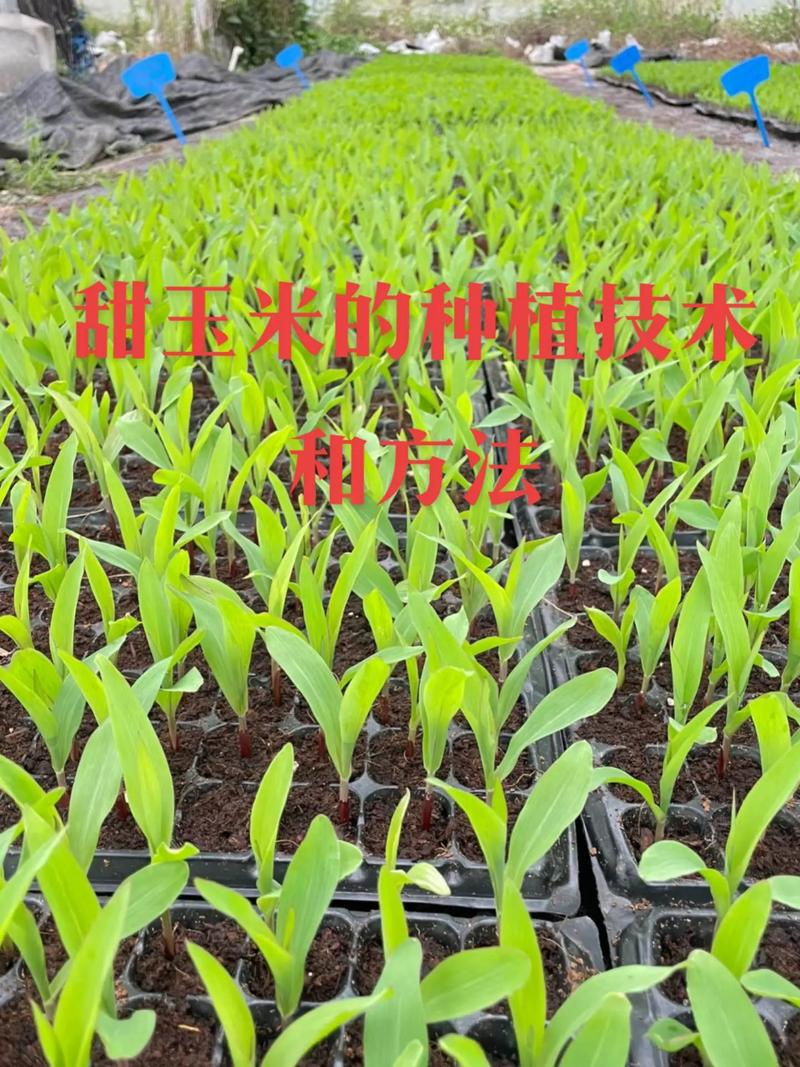
When seedlings are produced, seedlings are detected in time for the whole seedlings to be replanted in time for the seedlings to be replanted; when the seedlings are three to four real leaves, the seedlings are established in five to six real leaves, with one per pit. Sweet corn tends to be cultivated three to four times throughout its life in order to remove weeds, decompress soil and increase air permeability。
2. Retrieving fat and ground
Production practice has shown that sweet maize, in addition to the application of foot-based fertilizers, must be followed by techniques for “early fertilisation, fertilisation, re-fertilization and fertilization of particles”, during the fertilization period (2 to 3 leaves) or as soon as it is replanted. The urea fertilization is 5 kg per 667 m2 or potassium chloride 5 kg per day, to promote urea and soil development; 5 to 7 leaves for long fertilization with small fertilization, or 10 kg per 667 m2 of urea, 10 kg of high-quality complex fertilization and 10 kg of imported soil in combination with the cultivation of soil; and 12 to 13 leaves for “big horns” are subject to the application of urea 20 kg per 667 m2 and 15 kg of chlorochemical fertilating, and the application of high-earthing, multi-pumping and grain. The fruit-spread period is applied on the basis of the strength of the maize, and the leaves below the fruit-pee are more yellow, and the stasis is properly supplemented to prevent early decay and increase the weight of the particles, instead. Particle fattening is based on a root application。
Scientific piped seedlings
Cultivation of sweet corn is based on the sapling and water to fatten. In times of drought, pre-sown water, lifting water, pregnant sprouts and slurry water need to be rinsed, intruded, wet soil maintained, and timely drainage in the event of flooding. Ten days before and 20 days after flowering, water supplies are guaranteed to prevent the early decay of the leaves, to ensure pollination, solution and to improve the quality of maize; attention should be paid to draining water in the event that more rain is encountered in the long run. Sweet maize, which has a high water content during long periods of rain and weather during periods of seedlings, should be produced by controlling soil moisture to control the absorption of nitrogen by seedlings and to promote root growth. The main method is to increase the number of cultivations in china, which causes the soil to dry and wet, soak up the gas to a strong seedling, and soak up the base and increase the resistance to inversion。
4. Artificially assisted pollination, decryption and extraction
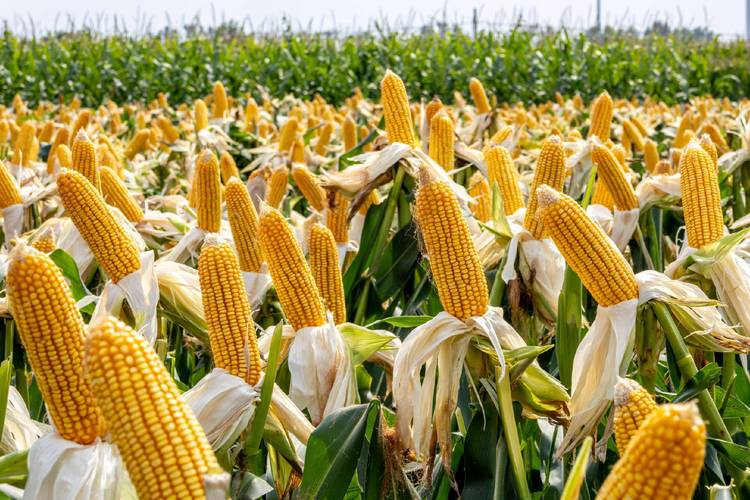
Artificially assisted pollination should be used to reduce balding and fill seed grains during low-temperature rain weather. Sweet corn, which is hard to find, must be removed in time to avoid the consumption of nutrients that affect the growth of the main ear, usually with only one of the top of each plant and the rest of it。
Pest control
Insect pests of corn seedlings include, inter alia, ground tigers, platinum, etc., which can be treated with 90% trichlorfon wettable powders of 1,000 times liquid spray and rooting; and corn troubles, adhesives, aphids, etc., which can be treated with 90% trichlorfon soluble powders of 1,500 to 2,000 times liquid. The disease is more common in the form of striped and rusty diseases, which can be combated by a combination of 400 times the body of 5% of acinogen water with a series of two to three times a time interval of about 15 days each; and by 800 times the amount of humid powder of 25% of acetone. Drugs are banned 20 days before harvest to avoid the residues of corn nuts and pesticides and to ensure the safe, nutritious, high-quality and productive consumption of maize。
Getting it in time
Sweet corn harvests, which are marketed with fresh fruits, are generally grown 19 to 24 days after drying, i. E., spring and summer, and fall planting 20 to 26 days after pollination, at a time when seeds are full, have the highest sugar content and the best quality. Harvesting at the top of the fruit laces, when the leaf is about to turn yellow, should be followed by the protection of the sun from the loss of dry water in order to maintain better quality and higher commodity value. Since sweet maize is mainly food and processing and is not collected for long periods of time, it should be grown to avoid premature or late harvests in order to ensure the quality and yield of the ears。