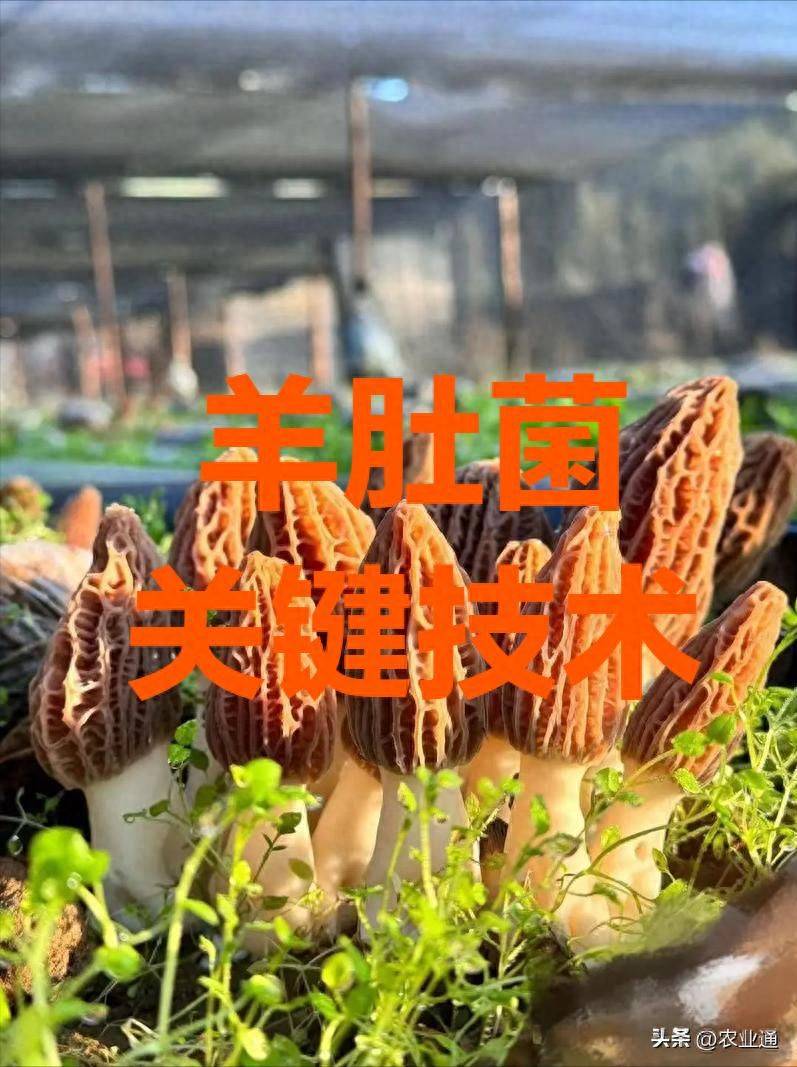
As they say, “the spring house will live and die”. For sheep-apple growers in the north, the 30-day management window in the spring directly determines the harvest for the entire season. At this point, the northern plastic bourbon is in the process of preparation for mushrooms, and the solar greenhouses are entering the critical stage of the original baseing. In the face of a complex situation in which temperatures are too high and low, cold springs are high, pests and pests are moving, it is the hard work that every practitioner must master. In conjunction with the latest technical guidance, this paper brings out the six core elements of spring management。
Watch the signal
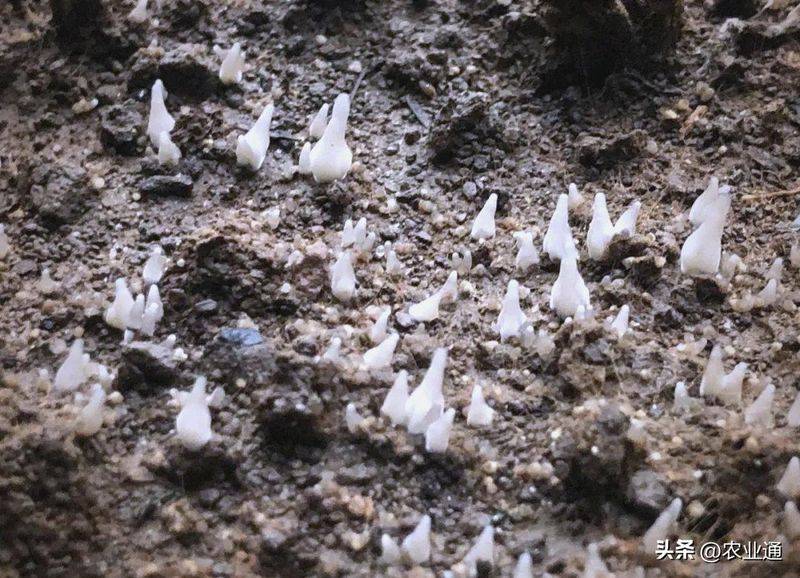
The mushroom water is not watered as soon as it's desired, it's too early, it's too late. Three key signals to determine the optimal time for mushrooms: first, when the white frost on the surface of the fungic bed is mostly or completely receded, it means that the nutrient growth is nearing its end; second, a small amount of needle-like foundation has been formed, marking the onset of reproductive growth; and third, the temperature of the soil 3-4 cm must be stabilized at more than 6°c. Meeting these three conditions is the “gold window period” during which mushrooms are poured. This is preceded by a series of “pre-stimulation”s, such as “delays”, increased light, ventilation and cooling, which artificially create temperature and damp differentials and pave the way for the smoothing of mushrooms。
Science for moisture management
It's a game that you have to watch. The sandy soil is rapidly water-drinking, which combines operational ditch flooding and microsprays, allowing full water infiltration for four to six hours, while the land or clay mass is “dimple chewing”, which is carried out in three-to-five days with a microspray break, which is based on 20 centimetres of wetness, while the clay is only humid up to 8 to 10 centimetres and is heavily protected against the area of plume resulting in mushrooms. If it is too late for various reasons and the original base is already heavily formed, the water would otherwise be “drowning” and the correct method would be a small number of micro-heated water, which would be five to six minutes per day for about five days in a row, without any trace of trace。
Temperature protection, temperature control, temperature deviation
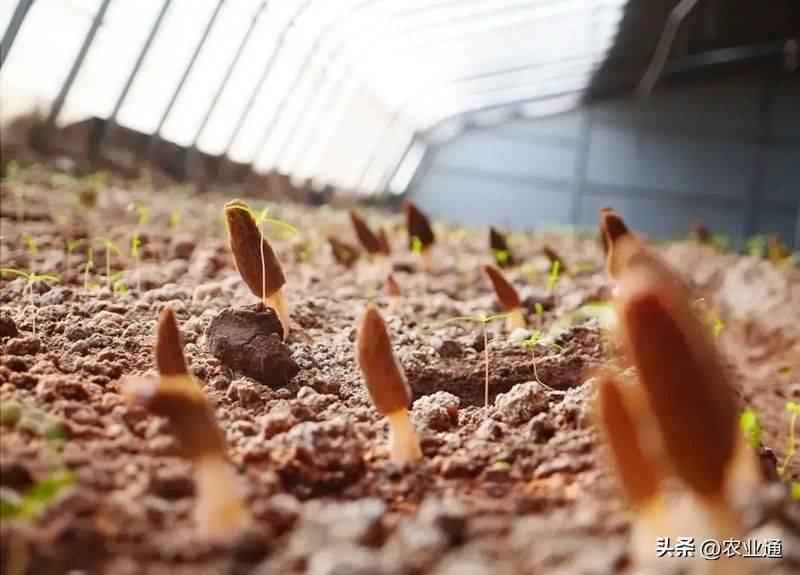
The fungus mushrooms are a "coward pack" that is extremely sensitive to temperature. At the base formation stage, the appropriate temperature is 8-13°c, and the key is to create a day and night temperature differential of 5-8°c by quenching the temperature and ventilating, which can effectively stimulate the original base. Entering sub-entities is long-lived, temperature is controlled at 8-13°c and temperature at 8-16°c. It is important to remember here that there are two red lines: less than 6°c, where the mushrooms are frozen, and when the bacterium is impregnated, it becomes red; and above 20°c, which causes leprosy and web disease. In the event of an early warning of the onset of the spring, it is important to add a “diaphragm” to the shed in advance, which is the last line of defence。
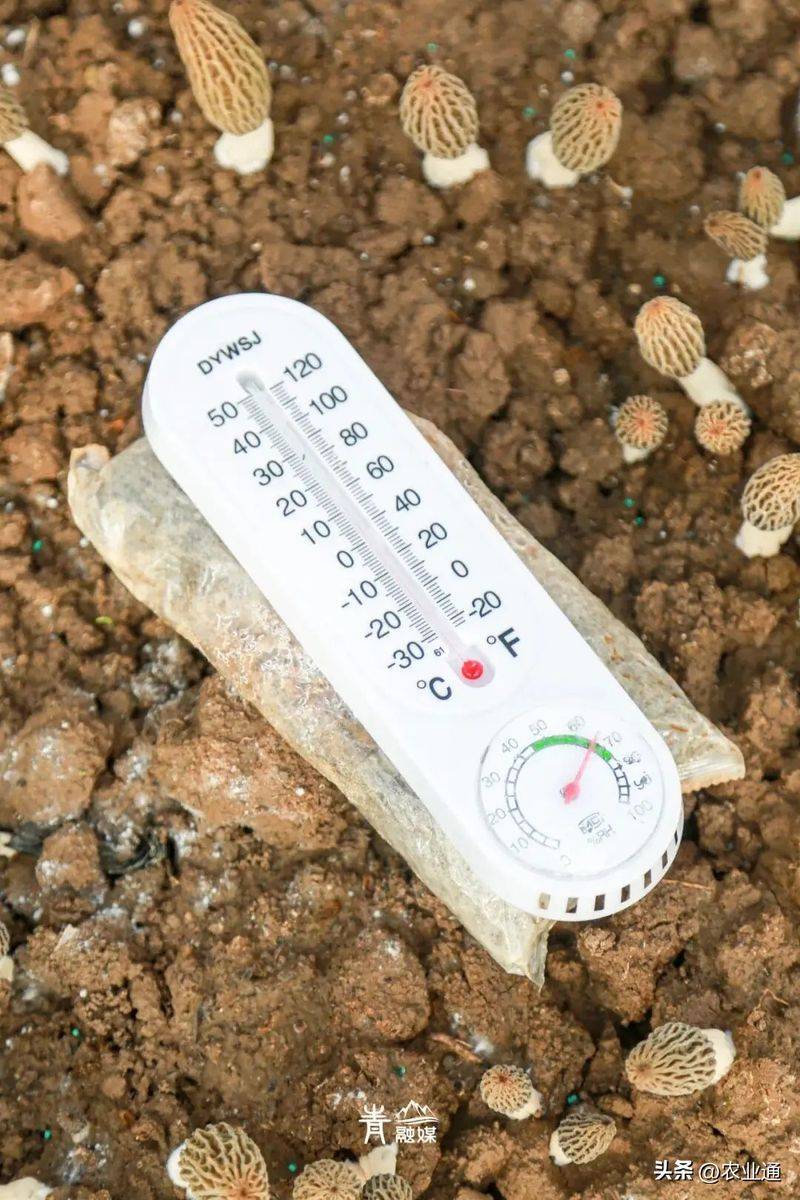
Humidity and ventilation, balancing temperature
Humidity and ventilation are often contradictory in the management of springs, but they are also “challenges” that must be balanced. Humidity management involves “slight multiplication, small water effort”, air moisture is maintained at 85-95 per cent and soil surfaces are humid but not visible. The water is to be sprayed at the right time: early spring and early evening at a low temperature, it is desirable to spray at noon in the middle of the day; when the temperature of the shed exceeds 18°c, it is to be sprayed at the early and late hours, and then ventilated in time. Ventilation is dominated by “backwind” with vents 50-80 cm from the ground and buffers to prevent dry wind blowing. Remember the principle that mushrooms are ventilated only when they are less than 5 cm, so that they grow to more than 5 cm, require increased oxygen, then gradually open their waist vents for 2-3 hours per day。
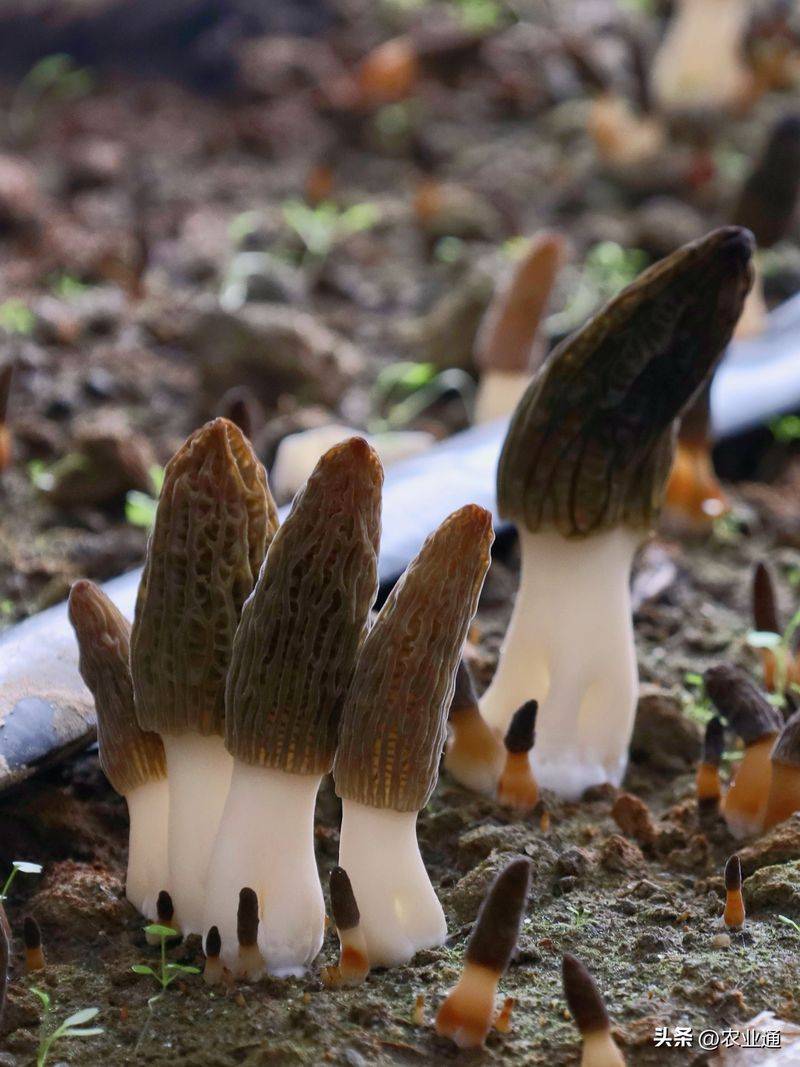
We need to focus on pest control
The return of spring temperatures is the “holy season” of disease and pests. Fungal diseases such as leprosy, spider web disease, as well as pests such as thorium, vermin and mushroom mosquitoes, are likely to erupt. Prevention is at the heart of prevention, not until an illness occurs. Specific measures include the installation of 60-80 insect-proof nets in vents, which physically isolate insect sources; the dispersal of tetraacne granules at the edge of the tectonic membranes after the irradiation of the mushroom water; the monitoring of mushroom mosquitoes and mushroom flies with yellow sticky boards; and the immediate clean-up and spraying of 1 per cent of lime water for extinction once a dyed trophic kit is found. Remember, direct drug use against sub-entities is strictly prohibited during mushrooms, and safety always comes first。
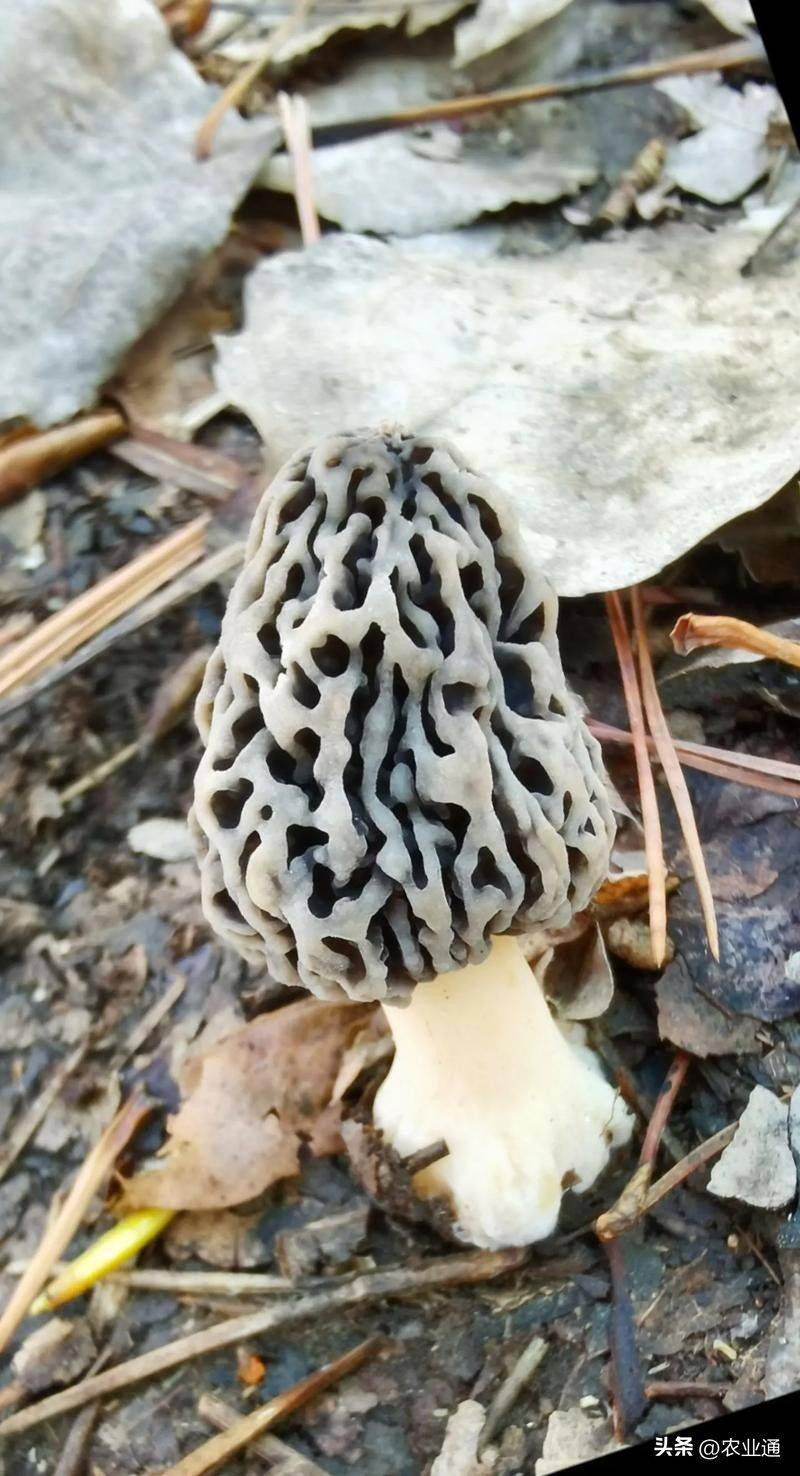
Look at the color. Collect it in time. Lock it
When the beehive of the amphibious beetle is fully open and colours are converted to dark brown or black, the harvest must be held up. The water spray was stopped two days before the harvest and the choice was made to use a sterilised knife to cut one centimetre from the base of the bacterium, with a light discharge. The final value is determined by how the harvest will be handled: if the mushrooms are sold, it is recommended that they be delivered 24 hours after precalcipitation in 2-4°c environments and that the shelf period be extended; if it is not available for fresh and timely sale, it is necessary to dry them immediately, watch for slow warming, increase dehydration, and the temperature is controlled at 55°c to ensure that dry products are yellow and smelly。
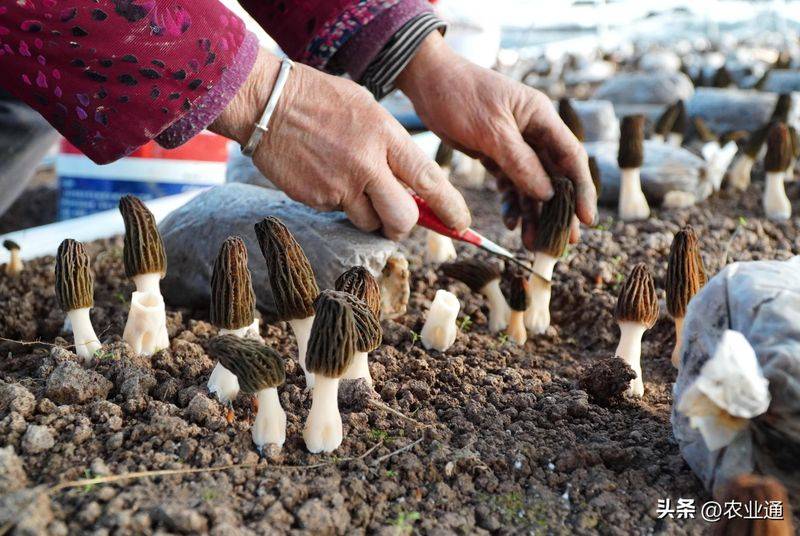
In short, the northern spring abdominal management is a delicate race with time and weather. From precision at the time of the mushrooms, to day and night control at the temperature, and to early containment of pests and diseases, each link is not allowed to be half-wieldy. It is only through piety techniques and fine management that the “gold in the fungus” of that sanctuary can be harvested in the spring wind。