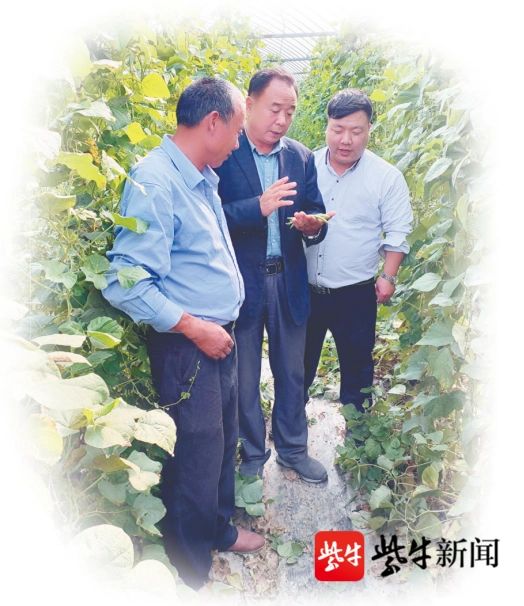
The fertilizer of the guacamole and vegetables is applied correctly, and flowers continue from spring to autumn
Many farmers grow guacamole and vegetables in gardens, gardens and sheds, and experience the same practical problem. The seedlings look normal in the early stages, and the slowness of the seedlings is not bad, so that when flowers are due, the number of buds is low and they are easy to fall after. Even with small fruit, there is a high risk of falling and deforming. After the summer season, the plant suffered early and early yellow decay, and little new fruit was available for harvest in the following months. Many of them have experienced this situation, with only frequent additions of fertilizers, and the cost of spending has not yet worked。
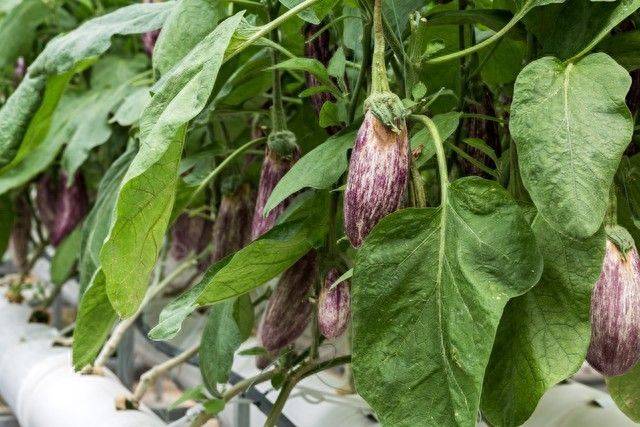
The root cause of such problems is not poor management of end-of-life water fertilization, but poor application and pairing of bottoms before planting. In the pre-growth period, the roots of all guacamole and vegetables are stable and the nutrients are sustainable and are supported by the bottoms of the soil. Bottom fertilizers are the source of long-term basic nutrients for the whole life, with a reasonable base ratio of sufficient bottom fertilization, and soil fertility can be supplied continuously through the autumn without repeated pursuit of fats, and the plant can produce normal flowers。
First of all, let's be clear about three of the most easy mistakes that farmers can make when applying bottom fertilizer. First, only quick effect fertilizers are used as bottom fertilizers and are distributed directly into the ground with urea alone and composite fertilizers. Such fertilizers are produced faster than before, and nutrients are consumed faster, and in a half-month's time the soil loses weight, which is inevitable. Second, the direct use of non-deperated farm fats, fresh chicken, goat and cow dung, is directed into the soil. There are no morbid farm fats that ferment twice in the soil, burn a seed, carry insect eggs and bacteria, and have multiple post-infestation pests. Thirdly, the concentration of fertilizers is at the bottom of the established pit, with the seedlings having a direct contact with the fertilizer, and the slow seedlings having failed after planting, directly killing the seedlings。
In order to collect the fall from the spring, the bottom fertilizer can be used only in generic safety formulas, and all areas and plots can be used directly. The main material is used for fully decomposed farm fattening, the garden field uses approximately 2,000 kilograms per acre, and the small garden garden, foam box cultivation is matched by three kilograms per square metre. A suitable calcium phosphate and a small amount of potassium sulphate are fitted without any quick-effect nitrogen fertilizer to avoid the pre-energence of long stubbles. All fertilizers are blended early and evenly, and are not available。
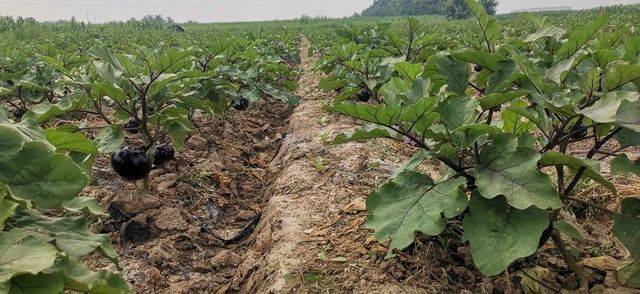
Bottom fertilisation is subject to a fixed step. As a first step, the plots were to be ploughed deep into the ground a week ahead of schedule, large pieces of land were to be crushed and the remaining weeds and old roots were to be cleaned up. The second step is to level all of the mixed fertilizers in the surface of the soil and not to concentrate them locally. In the third step, double-turning into the main growth layer of 15 to 20 centimetres of manure into the ground, allowing full mixing of manure and soil. The fourth step is to level the land, set it up and lay it down for three to five days before planting, planting and shifting。
For different kinds of fruit and vegetables, a simple distinction is made between bottom fertilizer. Cucumbers, tomatoes, peppers, eggplants, etc. Result in fruit and vegetables, which are used at a sufficient level of bottom fertilizer in accordance with the standard, guaranteeing a sustained demand for the fruit. For reptile melons such as bean beans, pumpkins and melons, bottom fertilizers can be increased by an appropriate 10%, vines are stable and more batches result. Vegetables such as cabbage, lettuce and oatmeal can be reduced by a small amount of potassium fat on the floor without changes to other ingredients. Root vegetables, such as radish and sweet potatoes, focus on increased phosphorous potassium formulations, with no need for additional farm fat。
When bottom fertilization is done, no complex management is required at a later stage. Day-to-day water is used to keep the soil evenly dry and wet, without heavy water or prolonged drought. During the growing season, no frequent distribution of fertilizers is required, and only a small amount of water soluble fertilizer is replenished at high summer temperatures. Clean-up of weeds in the fields in a timely manner to ensure ventilation and reduce the incidence of diseases。
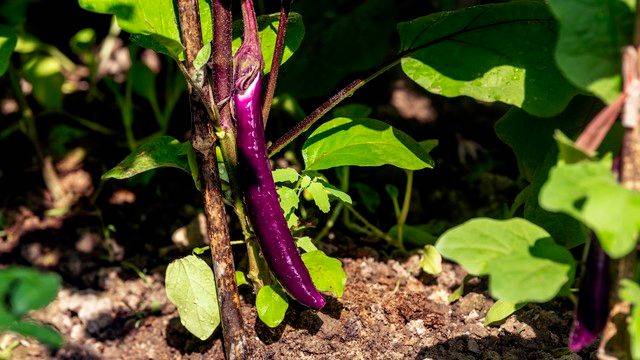
Under this method, bottom fertilization is applied, soil fertility is continuously stable and the root is the absorption nutrient balance. Plantation does not lead to long periods of pre-enrichment, late periods of fertilization and yellowing, normal fracturing of buds, large flowering volumes and stable seating rates. From the start of planting in the spring until the cooling of late autumn, the fruits and vegetables can grow in succession, with many harvests and a marked increase in overall production. Growing can satisfy a whole season's demand if you want to save high productivity and focus on bottom fertilizer