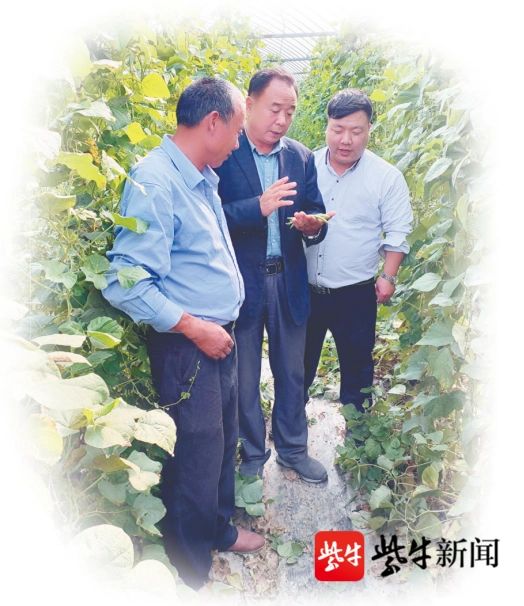
This paper will provide an overview of the type of fertilizer used to grow the bean horns, provide details of the fertilisation programmes during the fertilisation period and, in comparison with different fertilisation methods, summarize the best practices and help growers to produce high quality beans。
I. Types and effects of manure grown in bean-fruit
Bean bean is a bean crop with root roots with root tumors that can stabilize some of the nitrogen in the air, but still require the absorption of nitrogen, phosphorus, potassium in large quantities, as well as trace elements such as boron, molybdenum, calcium, etc. From the soil to meet growth needs. Fertilizers commonly used to grow bean bean horns are classified into three categories: organic fertilizers, large quantities of elemental fertilizers, and micronutrient fertilizers, with different types of fertilizer and need to be used in combination。
(i) organic fertiliser: base base base fertilizer, soil improvement
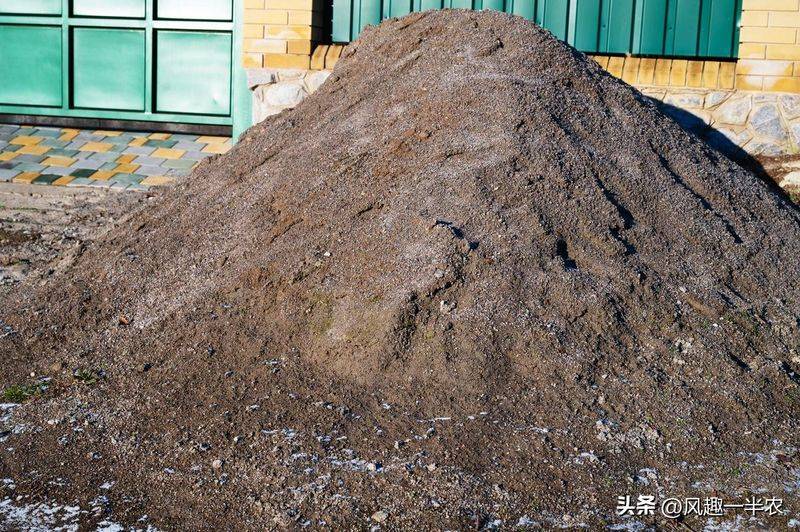
Organic fertilizer is the core base of bean-fruit cultivation, including decomposed farm fats, composting, pie fats, manure fats, etc. Organic fertilizers are rich in decomposed and diverse nutrients that can defusing the soil, improve its corrosive structure, improve soil conservation capacity and create a good environment for the growth of the soybeans root system, while slowly releasing nutrients to avoid excessive fertility and to prevent long periods of seeding, and also contribute to the breeding of root tumors and to the enhancement of the nitrogen-fixing capacity of the bean horns. Attention is drawn to the need to use fully decomposed organic fertilizers, which release heat during fermentation, burn the root of the bean and cause pests。
(ii) large amounts of elemental fertilizers: meeting core growth needs
1. Nitrogen fertilizers: mainly promoting bean horns, green leaves and increasing the efficiency of light co-operation. However, soybean root tumors can fix nitrogen, and excessive nitrogen fattening during seedage can lead to long-planted, thin-drived, and delayed flowering, and therefore need to be controlled, with minor additions in the medium to later periods. Nitrogen fertilizer is commonly used with urea and ammonium carbonate。
Phosphorus fertilizers: promote the growth of the bean root system, the thawing of flowers, increase the rate of flowering beaks, increase resistance of plants and reduce the incidence of falling flowers. The periods of seedling and flowering are periods of peak demand for phosphorus fertilizer, which results in weak roots, low flowering and low foliage rates. Phosphate is commonly used for calcium phosphate, ammonium phosphate and phosphorus。
Potassium fattens: increase the resilience of the bean horns, increase the resistance to disease and invertebrates, promote the expansion of the bean bean and the abundance of seed grains, improve the quality of the bean bean so that the bean bean is tender and bright, and prolongs the harvest period. The demand for potassium fertilizer is greatest during flowering seasons, where the lack of potassium results in bean bending, smallness, poor taste and premature plant failure. Potassium fertilizer is commonly used as potassium sulphate, potassium chloride and grasswood ash。
(iii) micro-element fattening: increased production, prevention of deficiency
1. Boron fertilizers: promotion of soybeans, extension of pollen tubes, increase of pollination rates, reduction of fallows and avoidance of bean bean malformations and empty bean. It is common for boron to be found in sand, beryllium acid and fluent boron。
2. Molybdenum fattening: participation in the nitrogen-fixing process of the soybean acacia, increasing nitrogen-fixing efficiency, promoting protein synthesis, increasing the strength of the plant, while increasing the rate of condensation. It is common to have ammonium molybdenum。
3. Calcium, magnesium fat: calcium fat can prevent soybean rot and keep the soybeans straight; magnesium fat is part of the chlorophyll, preventing leaf fertilization and ensuring normal photocosm. Fertilizers are commonly found to include phosphorus fertilizer, calcium sequestered and magnesium sulphate。
Ii. Fertilisation programme for the full reproductive life of bean bean horns
Fertilisation of bean bean bean is based on the principles of “basic fertilizer, supported by pursuit, nitrogen control, phosphorus, potassium enrichment, microfertilization” and is applied on a demand basis at different stages of growth to avoid blind pursuit。
(i) base fertilizers: all-rounding to lay the foundations for growth
Base fertilizers are key to high production of bean bean horns and need to be applied once in the field, mainly with organic fertilisers, with a small mix of compound fertilizers and phosphorous fertilizers, to meet the nutrient demand from the seeding period to the early flowering period。
Fertilizers: 3,000-4,000 kg/acre decomposed farmers, or 100-150 kg/acre, combined with three dollar complex fertilizers (15-15-15) of 25-30 kg, calcium perphosphate of 20-25 kg, and 0. 5-1 kg of boron. Heavy cultivation of plots can increase the application of microbiological fertilizers, improve soil population and reduce endemic diseases。
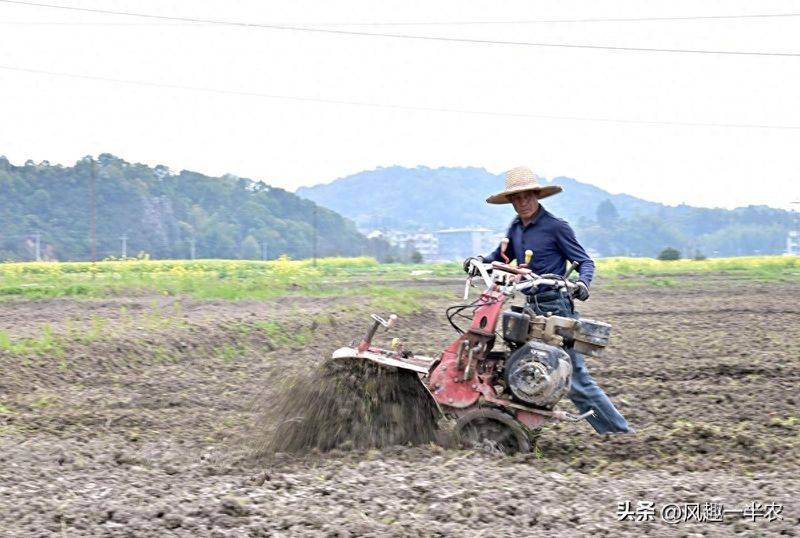
Fertilizer methods: all fertilizers are distributed evenly in the fields, then the soil is ploughed to 25-30 cm, the fertilizer is fully mixed with the soil, and the fertilizer is not concentrated in the surface, and then the root is grown to ensure full nutrient absorption。
(ii) fertilizers in the seed age: control of nitrogen and root to prevent proteges
The root is weak, requires low fertility and has not yet formed a root tumor, with only a small amount of extra fat, with a focus on root growth and excessive nitrogen fertilization。
The timing of fertilizing: the first time a baby grows two or three leafs, and if the baby is fat enough to grow a strong plant, it can be delayed until the cranium is reached。
Fertilizers: 500-800 kg of rotting manure per acre or 5-8 kg of urea, 5 kg of ammonium phosphate combined, 10-15 cm from the root of the plant to prevent root burning。
Attention: soil moisture during the seeding period is moderate enough to avoid heavy water fattening, and if the leaves are too green and fast, the pursuit of fat is stopped immediately, the water is controlled in a timely manner and the length is suppressed。
(iii) fertilization in flowering thaws: re-application of potassium phosphorus, and protection of flowers
1. Precipice fertilizer: 15-20 kg per acre of high potassium-type composite fertilizer (12-8-20) or 10-15 kg of potassium sulphate and 10 kg of calcium per phosphate, with 0. 2% potassium phosphate + 0. 1% boron slurry sprayed on the leaves, once every 7 days, twice in a row, increasing seating。
2. Rendering fat during the gust: one or two picks of soybeans per harvest, once fattening, 8-10 kg per acre of high potassium water soluble, or 5 kg of urea + 8 kg of potassium sulphate with water to ensure continuous nutrient supply. This phase can be combined with the spraying of 0. 3% potassium dihydrophosphate + 0. 05% ammonium molyte solution to supplement molybdenum fertilizer, promote nitrogen fixation and prevent premature plant decay。
(iv) post-consumer fattening of scavengers: supplementation to prevent decay and extend harvest period
After the sprout of the bean horns, growing plants are gradually declining, and there is a risk of early decay of yellow leaves and flowers, which needs to be replaced in a timely manner, with a view to promoting the growth of the side branches and the rise of the flowers and extending the harvest period。
Fertilizer: 10-15 kg of compound fattening of three cents per acre or 1,000 kg of urine from decomposed manure, combined with 0. 2% urea + 0. 3% potassium phosphate mixture of leaf, supplementing nitrogen potassium nutrients, keeping the leaves green, promoting bouquets again and increasing later yields。
Iii. A comparison of the different fertilisation methods and optimal application methods for bean bean bean bean beams
The main methods of fertilizing bean bean horns are sowing, lavendering/dowling, running with water, leaf spraying, water fertilizer integration in five different ways, different ways of fertilization absorption, operational difficulty, application of different scenes, combined with bean bean growing properties, and the best combination of fertilization + pursuit of den / strip application + key leaf spraying, with large-scale cultivation combining with water fertilizer integration and greater efficiency。
(i) advantages and disadvantages of fertilization methods
1. Distribution: applies to base fertilizers, which are simple to operate, have a uniform distribution of fertilizers, but are volatile and have a low utilization of surface fertilizers, which can cause waste of nutrients。
2. Peaking/stamping: this applies to the pursuit of fertilizers during periods of seedling and flowering, where fertilizers are concentrated around the root systems, which are efficiently absorbed, waste reduced and roots avoided, but manual operations take time and are suitable for small area cultivation。
3. Following water run-off: for the sprout season, the fertilizer permeates the soil with water, the roots are fast to absorb and to operate, but the fertilizer is easy to lose and low-lying plots are easy to burn。
4. Leaf spray: applies to supplementing meso-micro-element and post-prevent early decay, nutrients are absorbed directly through blades, are effective and targeted, and can rapidly mitigate deficiency symptoms, but for short periods of time, multiple spraying is required。
5. Water fertilizer integration: applies to large-scale fertilization sheds, fertilizer is passed to the root system by drip irrigation, water fertilizer combination, high utilization rate, water and water saving, and reduced manual inputs, but the cost of prior equipment input is higher。
(ii) best fertilisation methods for bean horns
1. Base fertilizer phase: the application of application + deep flips, the application of both organic and compound fertilizers, phosphorus fertilizer, the deep tillage of soil, the integration of nutrients into the cropping layer, the timely absorption of nutrients by root roots, and soil improvement。
2. Fattening of the roots of seedlings and primary flowers: use of lasagna/pasts, ditching or digging between the plant lines, soiling the manure with a distance of 10-15 cm from the root, both to ensure a concentrated supply of nutrients and to avoid the burning of roots, with the highest utilization of fertility。
3. Quests, post-surgery: root fattening is carried out with water, in conjunction with water irrigation, where fertilizers quickly permeate the soil to meet the large demand for plant fatting, with leaf sprays to supplement the potassium phosphorus and trace elements, with a two-pronged plume protection to prevent premature decay。
4. Shortfall emergency: in the event of the discovery of defects in the bean horns, such as bouquets, foliage and bean malformations, the right trace element fattening of the leaf is immediately applied, the symptoms are quickly mitigated and the production loss is reduced。
Iv. Fertilization of bean bean horns
1. Elimination of fertilized organic fertilizers: unfertilized farm fats and bread fats are strictly prohibited and fermented roots and pests such as aphids and rotors are avoided。
2. Control of nitrogen fertilisation: nitrogen fixation is strong, with less nitrogen fertilization during seeding and flowering seasons, and prevention of long and small additions in the medium-term and later stages only when the plant is long and weak, so as to avoid only long-strangling。
3. Avoiding fertilization: root pursuits are far from the root system and fertilizers do not come into direct contact with the root system; leaf spray concentrations are strictly controlled, with concentrations not exceeding 0. 3 per cent of potassium phosphate, and no more than 0. 1 per cent of boron sands are sprayed during high temperature periods to prevent foliage burns。
4. Fertilizer combination: water is applied in a timely manner, or with water, so that the fertilizer dissolves, so that the roots are absorbed, and dry soils water and then fertilize to prevent high concentrations of fertilizers from burning。
5. Retrenchment of plots: heavy planting leads to an imbalance in soil nutrients and an increase in disease, requiring increased application of organic and microbial microbacterial fertilizers, reduction of fertilizer use, supplementation of trace elements such as calcium and boron, and improvement of the soil environment。