Tomato cultivation all planned
Tomatoes, known as tomatoes, are very popular with the sour and juicy properties of the eggplant plant. In my country, a large number of farmers are involved in tomato cultivation, while the variety of tomatoes is characterized by diversity. Scientific farming techniques were particularly important in order to boost production。
Treatment of seeds
1. 1 temperature soup leachate
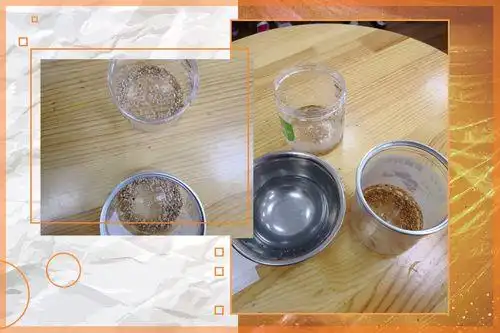
First, seeds are immersed in water for one to two hours, then recovered in hot water at 55 degrees celsius, with water temperature stable for 15 minutes, and continue to soak for three to four hours. In doing so, care needs to be taken to keep the ratio of seeds to water at 1:2 while constantly and quickly mixing to ensure that the seeds are equally heated and that water temperature is maintained at 55 degrees celsius. This law is an effective means of preventing diseases such as foetal disease, ulcer disease and early disease。
1. 2 trisodium phosphate leachate method
Seeds are immersed in water for three to four hours, then leached, then immersed in 10% of the sodium phosphate solution for 20 minutes, then washed. This law has a significant prophylactic effect on tomato viral disease。
1. 3 innovative sprouts
In addition, an innovative seeding method could be tried: the slow unfreezing of the potato trachea, followed by the extraction of juice and the immersion of tomato seeds in one night. The following day, a piece of thick, fuzzy cloth will be taken from the potato juice, and the immersed seed will be laid loosely to ensure that it is not touched between the seeds, then covered with polyethylene film to keep the air ventilated and dry. It is then placed in warmth (avoiding warming) and is ready for seed breeding once the seed has sprouts. This method enables tomatoes to mature two to three weeks in advance。
Trenching and seeding
2. 1 control of seeding
Usually, there are about 300 seeds per gram of tomato seed. At the time of planting, 20-30 grams of seeds were required per 667 square metres of field. If the seed sprouts are below 85 per cent, there should be an appropriate increase in seeding。
2. 2 timing of seeding
The planting period requires a combination of planting seasons, climate, cultivation patterns and nursery facilities. For example, seedlings were usually started in the beijing area from mid-february to early march in the spring field, while in the autumn field cultivation was the best planting time in shanghai and nanjing, south of the yangtze river, from late july to early august. In areas where tomato is seriously ill, planting can be appropriately delayed for a period of one to two months and production can be ensured by means of such measures as dense planting, early heart break and increased fat water。
2. 3 tracing techniques
Seeds that have not been treated with agents are immersed in warm water for six to eight hours, and are bulged 2 to 3 days in an environment of 25 to 28°c, after they have fully inhaled. If the seed is impregnated with a medicinal agent, the seed can begin to sprouts only after it has been washed with water. In the seedling process, care needs to be taken to maintain the appropriate temperature, moisture and air flow, often flipping seeds to keep them loose and washing them with water one to two times a day。
2. 4 sowing methods
Seeding may take the form of sowing, stripping or on-demanding, after which the soil is immediately covered and the thickness of the soil is controlled by approximately 0. 8 to 1. 0 cm and consistent. In order to prevent the sudden fallout of seedlings, 50% more than 8 grams of filamentable powder per square metre can be distributed evenly with fine earth. In winter and spring, the bed must also cover the membrane to keep the temperature; in summer autumn, the sunnet or straw must be covered, and 70 per cent of the seedlings must be removed from the soil。
Shrimp management
3. 1 feeding time
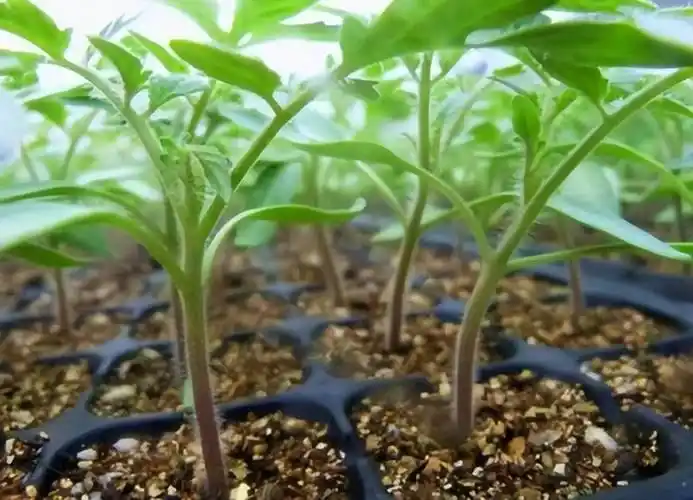
The timing of seeding varies depending on the conditions. In the case of high-temperature nursery beds, good temperature protection and seed sprouts, it usually takes two to three days to seed; in the case of poor conditions, it may take five days or more。
3. 2 temperature and light control
3. 3 preparation for seedlings
In order to adapt to the lower temperatures of the sapling beds, to increase the survival rate after transplantation and to promote slow seedlings, bed temperature can be reduced by 2-3°c for the first four to five days. At the same time, vents are gradually being increased and ventilated hours are being extended in order to reduce air moisture in nursery beds and to reduce the incidence of adhesive or sudden disease. During this period, attention will also need to be paid to protecting the leaves, improving light conditions, rational soil cover and proper water fertilizer management。
Long-term management
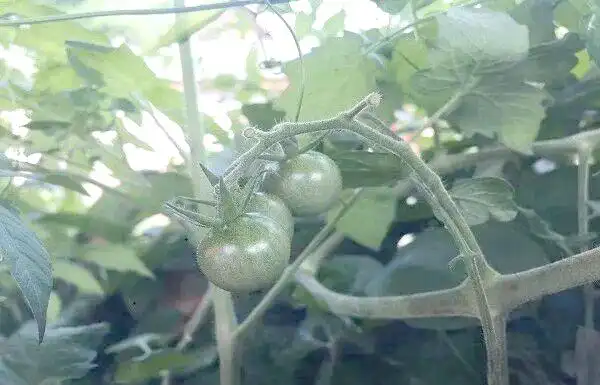
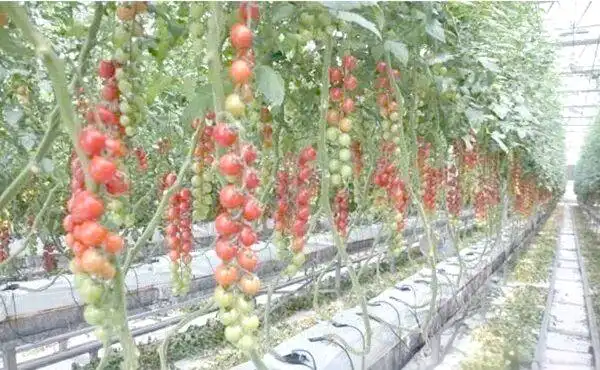
Long-term management is essential for high tomato production and covers a range of key measures. First, weeding can keep the soil loose, thereby reducing the competition for nutrients. Second, rational irrigation is essential to ensure that the soil remains humid at all times, i. E., that water reserves are preserved. In addition, we can help tomato plants to grow more vertically, by placing chickens together, thereby improving ventilation and light. In the process of growing up, whole-stamping is also essential to remove unnecessary branches to ensure that nutrients are more concentrated in the supply of fruits. At the same time, the timely removal of leaves reduces unnecessary nutrient consumption and promotes the maturity of the fruits. Of course, pest control cannot be ignored, which is the key to ensuring the healthy growth of tomato plants. In the area of temperature management, the ventilation of the shed should be increased appropriately during the day to maintain the temperature of approximately 25°c in the shed, while the temperature should be kept between 10 and 13°c at night. When venting, care needs to be taken to gradually adjust the size and quantity of vents to ensure that they can be closed or reduced in a timely manner when temperatures fall after noon。
055. Harvesting of fruit
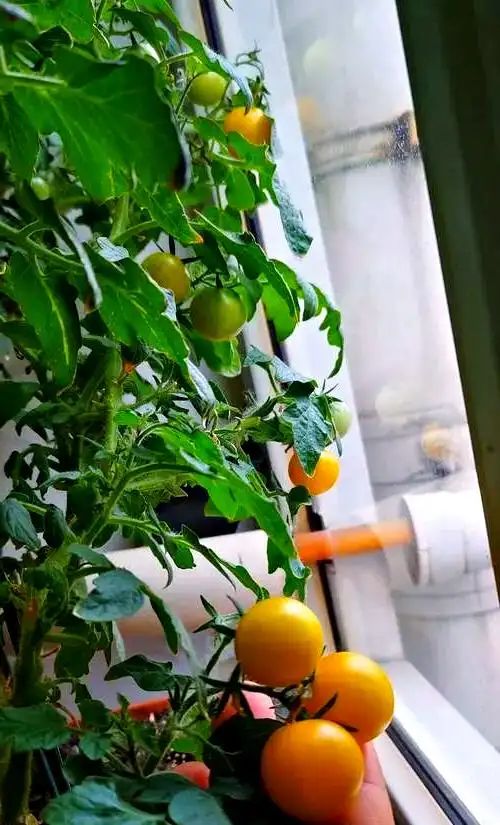
The mature process of tomatoes can be divided into four stages of greening, changing, maturating and perfecting. In order to store it, we can harvest during the green season. If it is sold for transport, it may be picked during the colouring of the fruit, i. E. One third of the fruit becomes red. In the case of local sale or self-sufficiency, the harvest should be delayed until the fruit matures, i. E. More than two thirds red。
During the harvesting process, the fruit should be taken lightly, preferably without the fruit, in order to avoid stabbing each other. If there are premature berries before the frost, they can be taken and stored in greenhouses and then put on the market when the fruit matures, thus not only prolonging the supply period but also increasing economic efficiency. At the same time, the use of hormones to stimulate the colour of fruit should be avoided during the post-cooking period. After careful selection and sale, this not only reduces production costs and improves the quality of fruit, but also ensures consumer food security。
In conclusion, tomato management requires a combination of elements, including seed treatment, seedling and seeding, seed management, long-term management and fruit harvesting. Through scientific farming techniques and management methods, we can effectively improve the production and quality of tomatoes。