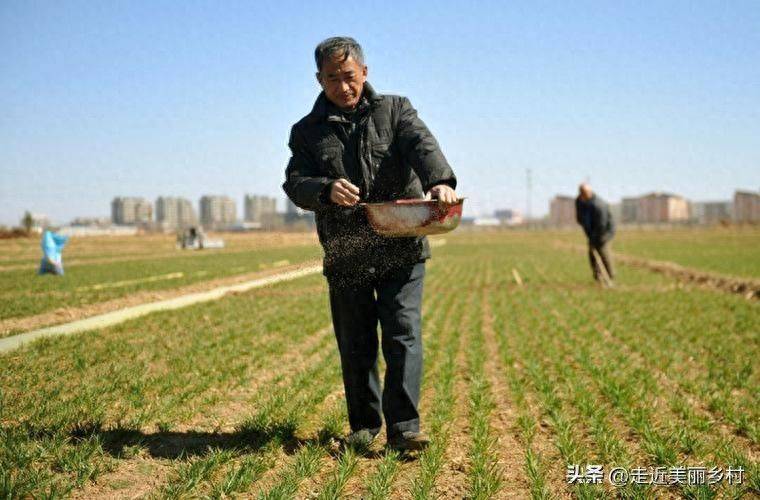
Farmers fertilize wheat in the fields
As the old saying goes, “a flower grows, and it depends on fatty”. But when is this fat going on, how much? It's early, it's gone; it's late, the crops are hungry. Many people in the countryside suffer from year-to-year hard harvests, and the problem is probably due to the “fire” of fertilizer。
Today, we'll give you the real thing if we don't get to the wrong level. I have made clear to you the “timetable” and “key points” for the application of the 12 most common crops, taking into account the latest agricultural guidance and our old experience in the field. Do so, and do not waste money, so that every fraction of the input becomes a real production。
Food crops: steady and high-yielding “concerts”
1. Winter wheat
Wheat needs to be productive, fattening needs to be seen, heaven to earth. Bottom (basic) fertilizer is the basis, which is usually applied to the ground before seeding, and is based on decomposed agricultural and compound fertilizer, which sets the basis for the growth of seedlings. Fertilizer recovery is the key, with emphasis on “return to chrystal” and “pregnancy - slurry”. The pursuit of nitrogen fat in the chronology promotes the fractionation and the increase in the number of ears, and the filling of potassium phosphorus in the chrystal to the chrysanthemum, so that it is strong and heavy. Remember the phrase: “fat and feet, warm and warm in winter, return and catch up with the fertilisation and fertility”。
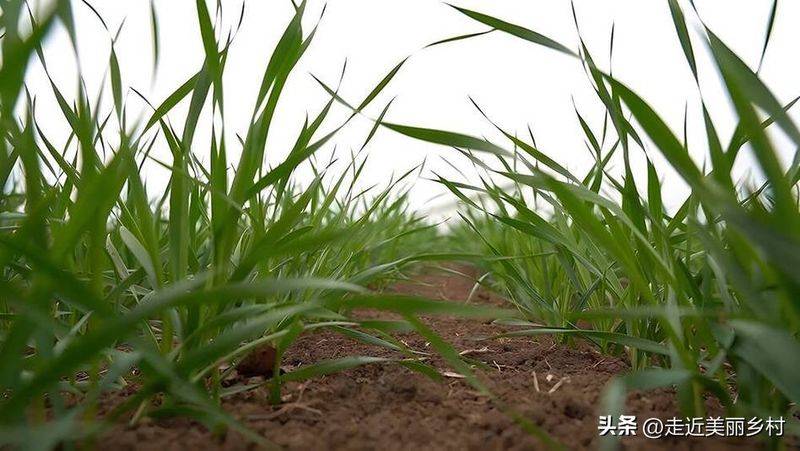
Winter wheat's strong
Corn
Corn is a big stomach king, especially nitrogen and zinc. Fertilizers are described as "premature, medium weight, aftercare". When fertilizing, bottom fertilizers can be used. The first was the re-energizing of nitrogen fertilizer during the “big horns” (about 10-12 leaves) and the second was the re-energizing of high potassium fertilizer during the “slurry-slurry” period to prevent early decay and increase the particle weight. Zinc-deficit plots, bearing in mind that zinc sulphate is sprayed during seeding, are resistant to "white seedlings"。
Rice
Rice fertilisation and moisture management are prerequisites. The promotion of “side-deep fertilization” technologies, with fertilizer being applied below the side of the seedlings to reduce loss, could lead to significant improvements in utilization. Nitrous fertilizers are to be “reduced” and are distributed proportionately between bottoms, centimetres and ears, avoiding excessive levels of corruption and lateness. The cold immersion fields and the squalid mud fields should pay particular attention to the application of zinc and silicon fertilizer, which can be strong and resistant to fallback。
Vegetables: “nutrients” of fresh water spirits
4. Big cabbage
The cabbage is tight, and the key is the lotus season and the concertation period. We need less fat in the nursery season, and we need to catch up with the "fat tree" during the lichen season, mainly nitrogen. At the peak of demand at the end of the convulsive period, where fertilization can cover more than 60 per cent of the whole reproductive period, it is necessary to re-energize “split ball fertilizers” with potassium nitrogen, so that cabbage can be tightly wrapped and not empty。
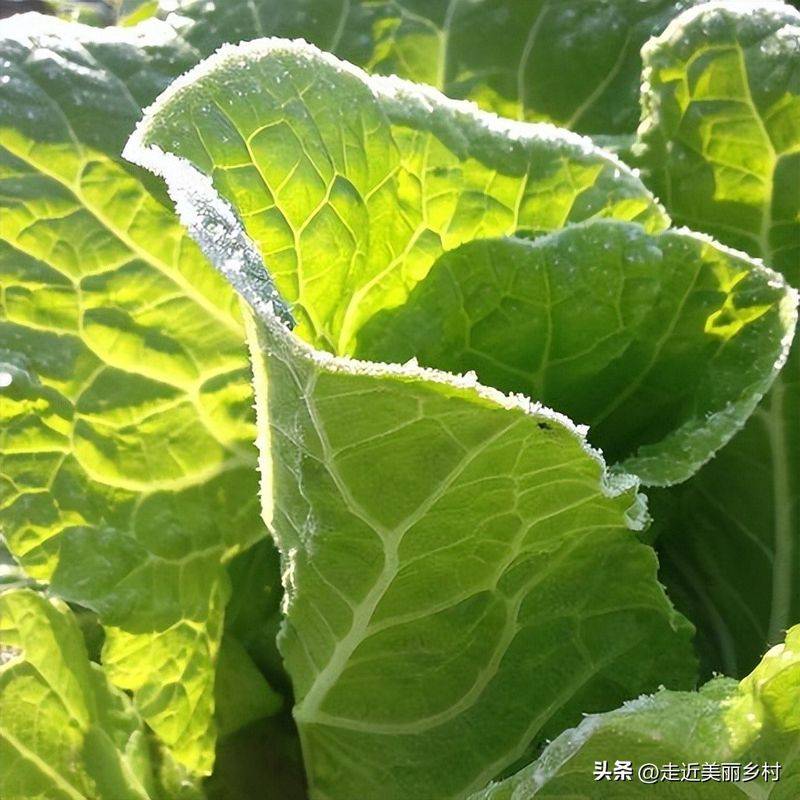
The cabbage
5. Tomatoes
Tomatoes are “polymerized households” and potassium is sweeter and more fissible. Fertilizer follows the fruit. The first fruit sits like a walnut for hours, chasing the first fertilizer. To enter the `frowning season', the highest amount of fertilizer is required to ensure that the water is sufficient and that high potassium-type water solubility is washed with water, with the best effect. Calcium fertilizer is sprayed on the mid- and late-stage leaves, which effectively prevents umbilical disease。
6. Cucumbers
The cucumber has a long period of time and requires high and continuous fertility. After planting the seedlings, a light “smooth fat” was applied. When the root melon sits, it starts to follow the pattern of fattening, and every one or two picks of the melon flushes with water of a balanced or high potassium-type water soluble fat, which is called “lower diets” and prevents the early decay of the melon and its constant strangulation。
7. Pepper
Hot peppers are afraid of drought and floods, and fertilizer must be “stable”. Nitrogen control before the beginning of the flower period to prevent the flower from falling. When the door peppers (the first layer of fruit) grow to the big thumb, they start chasing after the first "fat." the period of fertilization is a period of peaks, with sufficient nutrients to be collected and followed up once in order to sustain the fruits。
Fruit trees and specialty cash crops: “gold keys” for improved yield
Apples
The fruit tree fertilises, the autumn fertilizer is “gold”, the winter fertilizer is “silver” and the spring fertilized fertilizer is “boiled iron”. “mount fat” (basic fat) is applied immediately after the fall fruit harvest (september-october), mainly based on organic fertilizer, to help tree bodies recover, accumulate nutrients and lay the foundation for flowering in the coming year. Pre-spring and larvae booms are followed up to meet growth needs. Potassium and calcium fertilizer are increased during the expansion period, apple watches are bright, hard and resistant to storage。
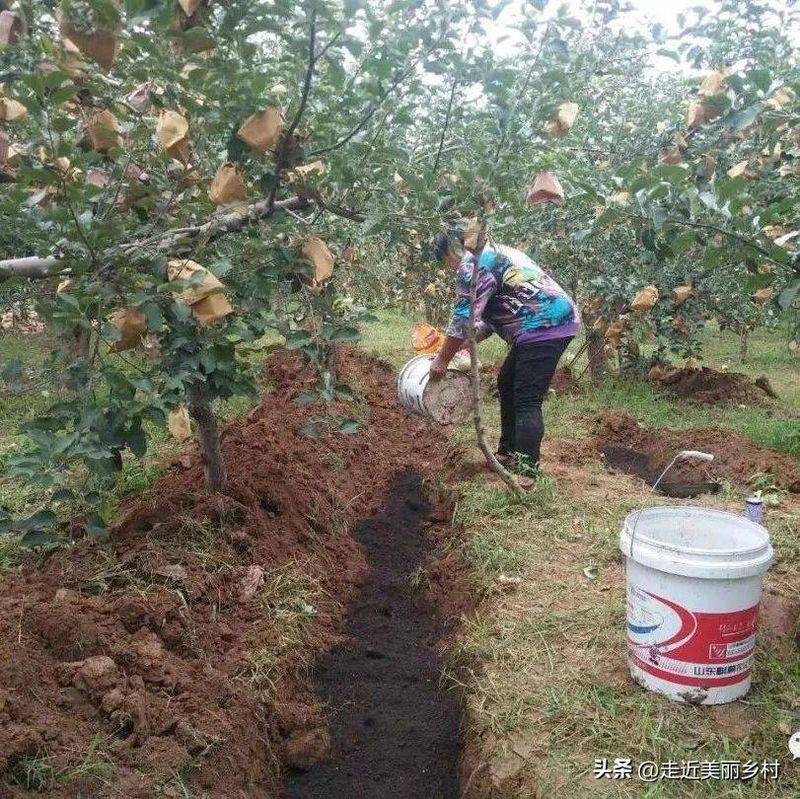
Autumn orchard with geisha
Grapes
Grape fertilization is the most critical three times. And the first was a bud, before the flower began to bloom, with nitrogen as its main engine. The second was the larvae boom period, the nitrogen phosphorus potassium balance, and the promotion of the boom. The third is a chromosomal period, where high potassium fertilizers are applied and less or less nitrogen is applied to promote sugar accumulation and upward colour. Potassium phosphate is sprayed in the chromosomal lobe, with significant sweetening effects。
10. Potatoes (potatoes)
Potato potassium, which increases starch content. Fertilizers are required to be “pre-, middle-, post-safe”. Bottom fertilizer is sufficient, mainly organic and potassium sulfate-type compound fertilizer. The current period (before the flowering of potatoes) is a critical period during which the tubers begin to expand, re-apply with potassium fertilizer and combine with earth. Lately, too much nitrogen fat would have been cut off, otherwise the long-skinned crotch would not have had the potatoes。
11. Garlic
Garlic has two "dinners." the first is a “termination period” (approximately 4-5 leaves), where the cultivation of garlic is depleted and a “corrosion fat” is pursued once. The second is the "long-term stretch of garlic" to the "spill of garlic" period, which requires the largest amount of fat, with a second "big fat" and is dominated by potassium nitrogen in order for the garlic to grow big and strong. The timely refilling of fertilizers after the spiking also contributes to the second increase in garlic。
12. Peppers
The consumption of peppers is enormous, and the “removable fertilizer” in the autumn is essential, combining deep cultivation with the application of organic and compound fertilisation and restoration of tree positions. Before the spring sprouts, “trench fertilizers” were applied to promote the flowering of the taps. The fertilizing season (june-july) is characterized by the application of fertilizers, mainly high potassium fertilizer, and by the spraying of potassium phosphate on the side of the leaf, which significantly enhances the colour and smell of peppers。
Critical fertilization schedules for 12 crops
Crops
First critical period (longer)
Second critical period (products/extension)
Fertilizers
Winter wheat
Returning to youth - rise
Episode - pregnancy
Potassium, pre-nitrogen, microfat
Corn
Punctuation period (10-12 leaf)
Pumping male - slurry period
Re-feat, re-fill the zinc
Tomatoes
First episode
The queen's day
Potassium is the main source of calcium
Cucumbers
Sit down
Continuous pickling period
A small number of times
Apple
After the fall fruit harvest (matrix)
♪ episode ♪
Autumn fat is gold
Potatoes
Current period (before flowering)
The tubing period is huge
I'll re-enact potassium fattening
Common “gold law” for fertilization and pit avoidance guidelines
Remember these three. Fertilizing without stepping on the pit:
Two common areas of error should be avoided:
Fertilizer “one shell”: all fertilizers are applied once, crops are “hungry” at a later stage and seedlings may be “burned” bad. Make sure you fertilize。
2. Potassium nitrophosphorus only: micromechanical elements such as calcium, boron, zinc, with low usage but high impact. The lack of calcium in tomatoes has resulted in umbilical decomposition, and the lack of boron “fruit” in oilseeds has been matched by a wide variation in the quality of production。
Next issue: following the rural hotspots, let's talk about the tide
Recently, there have been discussions on “high standard agricultural land” and “smart agriculture” on the internet, and many people in the countryside have asked how our average farmer gets on this fast train. Must it cost a lot
Next time, let's talk about this hot spot:
Cell phone farming? Three low-cost smart agriculture, black technologies, all available
I'll show you how to monitor the temperature of the shed without buying expensive equipment, how to use a cell phone, how to use dozens of dollars of sensors to help you water and save electricity, and how small mobile phone programs that help you compute fertilizers automatically depend on them. It's all dry stuff, you can save money and you can't miss it
Carnation: the fertilizer program is generic technical guidance for reference purposes only. Local soil, climate and variety vary widely, depending on the local situation or the availability of local experts in agricultural techniques. Science grows fields, and only good harvests in years