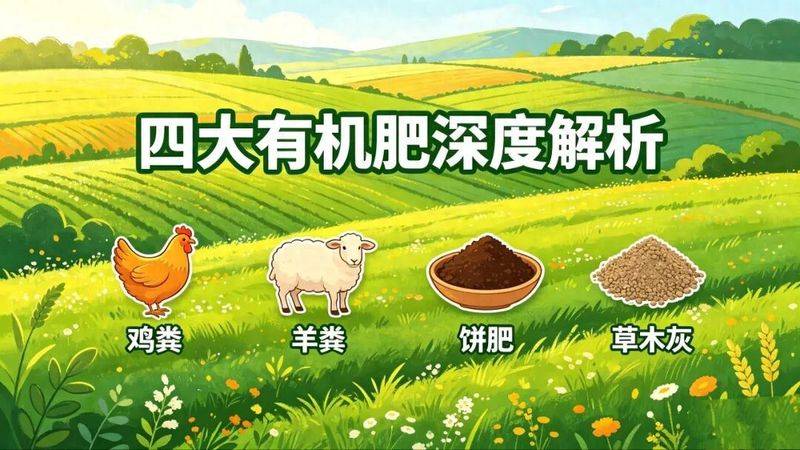
Of the many organic fertilizers, chicken dung, goat dung, pie fat, grass-wood ash are the most common and used, and many grow friends often do not know what they are, how to choose and how to use them correctly. Even poor fertility, burning of seedlings and soil problems can occur as a result of the use of wrong fertilizers and methods。
The focus is also on the lack of understanding of these organic fertilizers, since each of them has its own unique nutrient characteristics, applicable scenes and use taboos, which can double the application of fertilization, both in the field and in production, by mapping their properties and by combining them with soil conditions, crop types, growth cycles and rational use. I will then conduct a full and detailed decomposition of the four main types of organic fertilizers, namely, chicken dung, goat dung, pie fat and grasswood ash, one by one, from nutrient content, dominant characteristics, application of soil, application methods, attention, etc., to talk to a wide range of farmers' friends。
One: chicken shit
High-efficiency manure with high-quality fertility is a bad use。
Chicken manure is currently the most widely used organic fertilizer in the field of cultivation and is also the most misunderstood and over-demonized manure. Many growers find chicken dung to be highly salted, diseased and easily burned, and deny it. In fact, chicken dung is a high-quality source of fertility that can produce far more effects than other common manures, provided that it is properly handled and matched by the scenes。
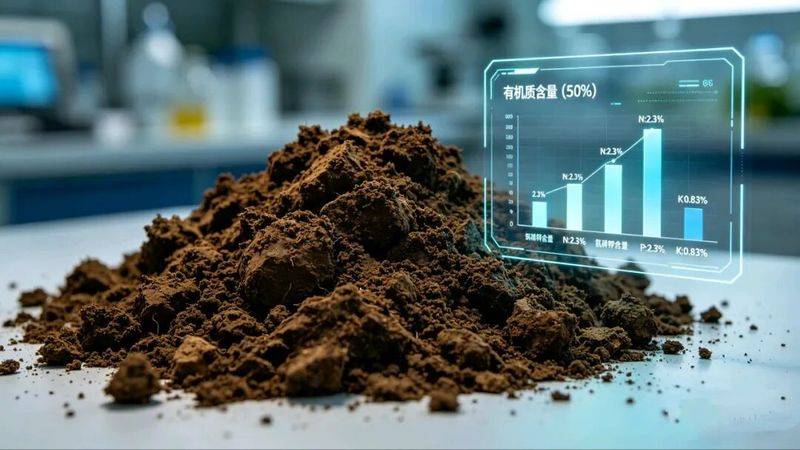
From the chicken dung nutrition data, the organic content of fresh chicken dung is around 25 per cent, which can rise directly to 50 per cent after dehydration and drying, with nutrient concentrations taking a long lead in various species of animal manure. For specific nutrients, the pure nitrogen content in chicken dung is about 2. 3 per cent, the effective phosphorus content is also 2. 3 per cent and the potassium oxide content is 0. 83 per cent. It also contains a variety of moderately trace elements, such as calcium, magnesium, sulphur and iron, which are comprehensive and sufficient to meet the nutritional requirements of crop growth quickly。
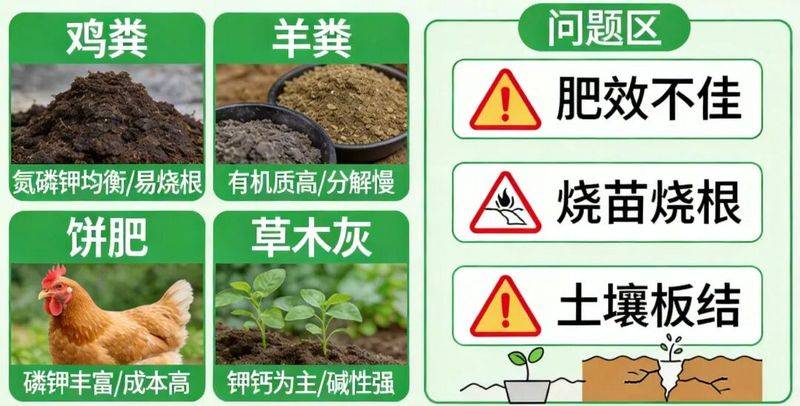
The core causes of the high fertility of chicken dung are closely related to the physiological and dietary structure of the chicken. The daily feed of the chickens is dominated by such fine feeds as maize, soybean and wheat, which are themselves highly nutritious. Combined with the fact that chickens are poultry, the length of the intestinal tract is short, the food is kept in the body for short periods of time, the digestive absorption efficiency is extremely low, and large quantities of unincorporated nutrients are released directly into the faeces, making the chicken manure the manure of the most nutrient residues。
In practical applications, the advantage of chicken dung is clear. First, it has a high yield of fertility, rapidly replenishing the crops with potassium nitrogen phosphorus nutrients and promoting branch growth and fruit development. Second, it has a high organic content, particularly for sandy, leaky, soil plate-defeating plots, which can produce rapid increases in soil organic content, improve the particle structure of the soil and improve soil water-surserving fertility. In addition, chicken dung is a high-quality raw material for composting, mixed with straw, weeds, etc., which can significantly increase the nutrient content of composting and make homemade organic fertilizer work better。
I can't use my chicken shit
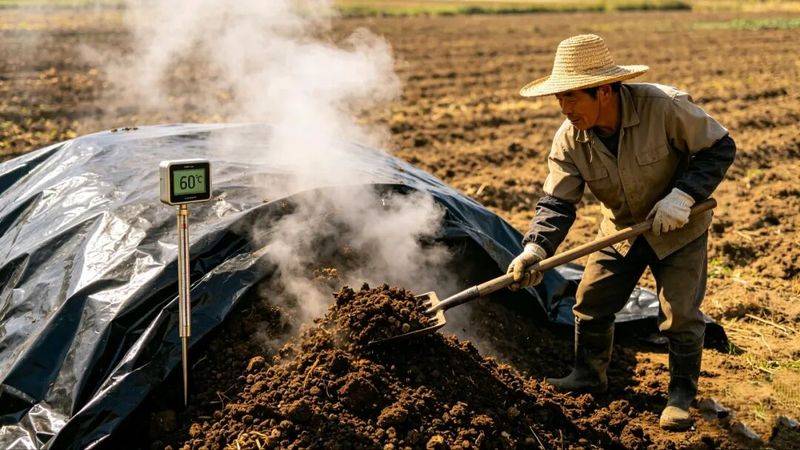
First, it must be completely depraved and strictly forbidden. This is the principle at the core of the use of chicken dung, which, when applied directly to the soil, is refertilized in the soil, and the fermentation process produces a large amount of heat at temperatures of up to 60°c, burning the root system of the crop directly, leading to decaying roots and the death of young children, which is often referred to as burning. At the same time, the presence of large amounts of fungi and insect eggs, such as coli and eggs, as well as salinity and heavy metal residues in raw chicken dung, can cause crop pests and pests and increase soil salinization. The method of dry chicken dung is simple: it is dryed out, added to the straw, sawdust to regulate humidity, stacked into a compost of about 1 metre high, covered with membrane sealed fermentation, over 20 days of fermentation in the summer, over 40 days of fermentation in the winter and 2-3 times during the fermentation process, until the manure is free of stench and loose in the form of total decay。
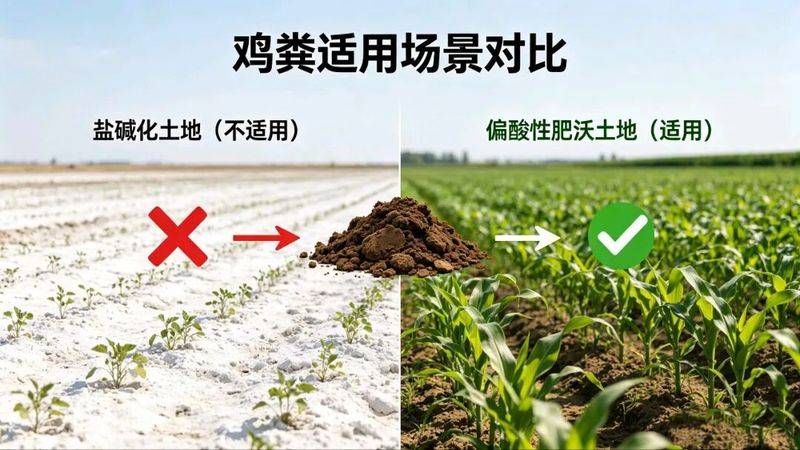
Secondly, focus on alkaline issues, targeting. Large-scale chicken farms tend to sow alkaline substances such as alkaline and lime in chicken houses for sterile purposes, resulting in alkalinity of chicken dung as a whole. Therefore, highly salinized soils need to minimize the use of chicken dung and avoid further exacerbating soil alkalinity, which affects the growth of root crops. Acidic soils can be used comfortably and can also regulate soil acidity。
Thirdly, it's for the long fields. High levels of chicken dung and nitrogen fat have resulted in the non-recommended application of chicken dung to fields that are already green and green, with long leaves, such as growing vegetables and fruit trees, which could exacerbate the boom, causing delays in the flowering of crops and a severe fall in fruit, affecting final production。
Two: goat shit
It's a long-lasting diet of warm and soiled soil. It's the first choice for root protection
Screech is an organic fertilizer of a mild and highly applicable nature, referred to by growers as “sweet fertilizer”, which is a high-quality option for long-term soil improvement and the preservation of root systems, compared to the strength of chicken screech, the smoothness and persistence of sheep screech, and the greater sensitivity to soil and crops。
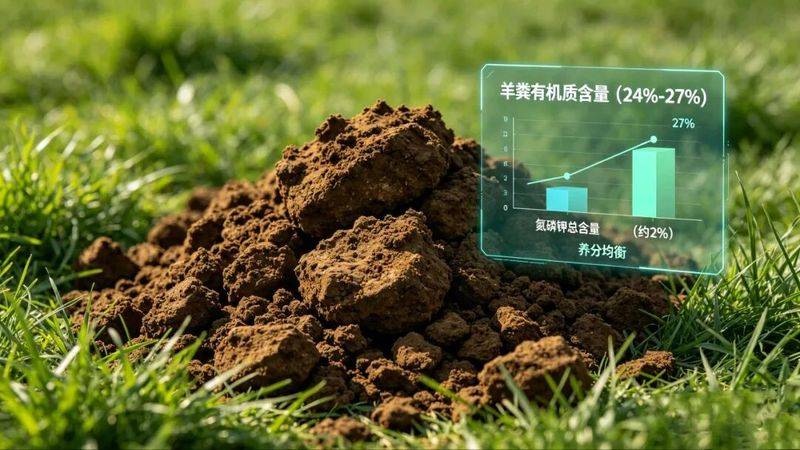
In terms of nutrient content, the organic content of sheep dung is stable between 24 and 27 per cent, the total nitrogen, phosphorus and potassium content is about 2 per cent, the nutrient distribution is balanced, and there is no problem of burning roots without an overload of one element. The diet of sheep is dominated by natural pastures, crop straws and grasses, and the source of food is green and natural, so that sheep dung does not contain too many chemical residues and is rich in undissolved plant fibres, lax and permeable。
The greatest characteristic of sheep dung is slow decomposition and persistent fertility. It does not work as fast as chicken dung, but is slowly decomposed in the soil, releasing nutrients on a continuous basis, which can last for months and is particularly suitable for application as bottom fertilization. Its central role focuses on soil improvement, the long-term application of sheep dung, the effective breaking of soil slabs, the increase of soil perforation, the improvement of soil water conservation, fattening and ventilation capacity, the laxation of the sticky soil, and the increased water conservation of sandy soil, especially in plots that are suitable for perennial cultivation and declining soil fertility, and the gradual restoration of soil ecology and the nurturing of fertile farming layers。
In addition, the mild nature of sheep dung, the near neutral value of acid alkaline, is applicable to almost all types of soil and is suitable for all crops, whether vegetables, melons, food crops, fruit trees, flowers, the application of sheep dung does not cause fattening, is friendly to the seedling system, and is a safe choice for breeding periods and planting periods。
Critical care for the application of sheep manure
It is also evident that the short sheeting of sheep dung is low in the nutrient content of minerals, that the potassium content of nitrogen phosphorus is much lower than that of chicken dung and pie fat, that the single application of sheep dung can only serve to improve the soil, that it does not meet the demand for nutrients throughout the whole reproductive period of crops, especially during the outcome period and during the expansion period, that there is a high demand for nutrients, and that the mere reliance on sheep dung can lead to nutrient deficiencies that affect yields and quality。
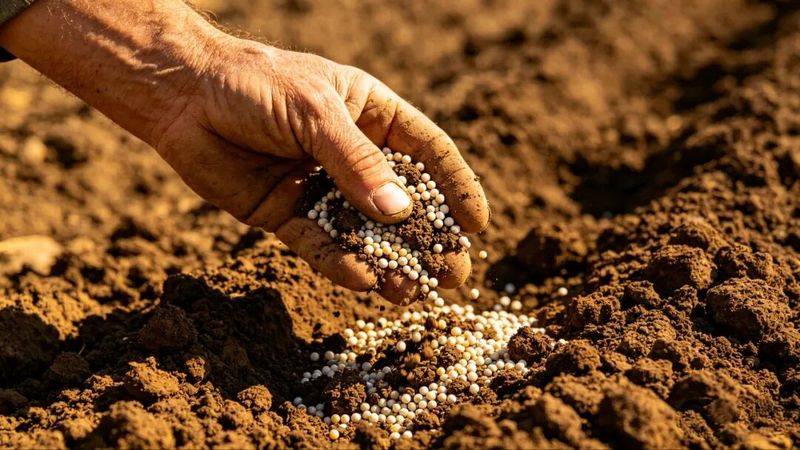
Therefore, the correct use of sheep dung is a combination of fertilizer, which is used as a base manure, in combination with decomposed chicken dung, pie or co-fertilizers, both to take advantage of the improved soil, long-lasting feeding of sheep dung and to supplement quick-impact nutrients, combining “long- + quick-impact” and feeding land with increased production. The application of sheep dung to 2,000-3,000 pounds per acre, with a combination of 50-100 pounds of compound fertilizer, will meet the demand for bottom fertilizer for most crops。
Third: pie fat
High organic fertilizers, boosters
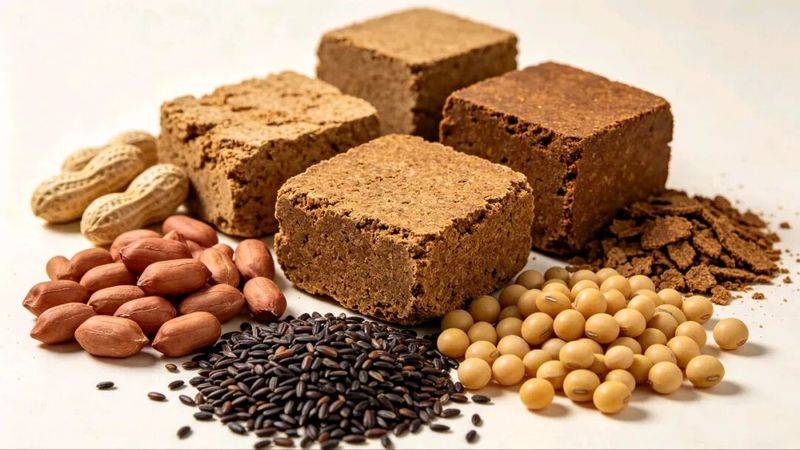
Pie fertilizers, the remaining scraps of soybeans, peanuts, sesame cakes, vegetable and cotton fertilizers, are among the organic fertilizers with high nutrient content and purity and are excellent fertilizers for improving the quality of agricultural produce and promoting high-quality crop production。
The strength of the nutrients of the pie is high, with organic content of about 78 per cent, much higher than that of common poultry and animal manure, and is an efficient source of fertilizer for raising soil organicity. In the case of the most commonly used peanut beryllium in cultivation, nitrogen is as high as 6. 39 per cent, phosphorus 1. 17 per cent and potassium 1. 34 per cent, and is also rich in amino acids, proteins and a variety of trace elements such as iron, zinc, boron and manganese, which are comprehensive and easily absorbed by crops and are high-quality organic fertilizers with quick + long effects。
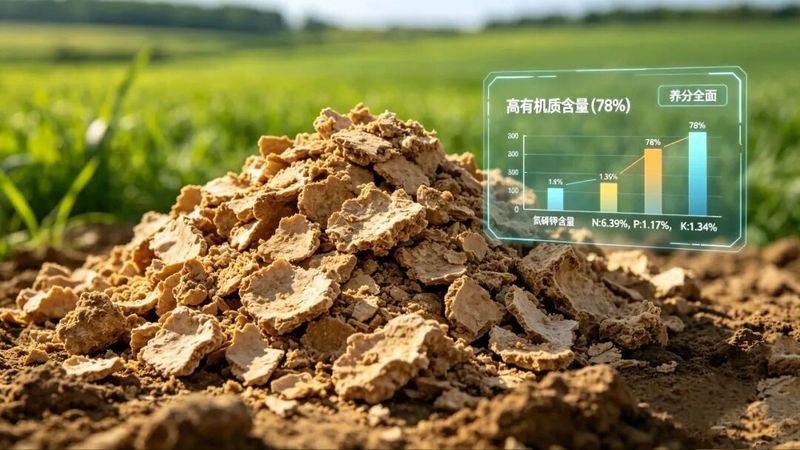
Unlike animal manure, bread fat is a plant-based organic fertilizer, clean and disease-free, with very low salinity levels that do not burden soil or cause pests. It is highly relevant, both as a base and as a means to catch up and adapt flexibly to the needs of different stages of crop growth。
When used as bottom fertilizer, the corroded pie is used in a deep tillage that quickly increases soil fertility, provides sufficient nutrients for the growth of the crop during its period, promotes the development of a well-developed root and strong seedling; and, as a catch, the pie is fertilized into water, water is diluted and watered into crops or buried around the roots of the crop, which produces quick results and enables rapid supplementation of nutrients, especially before the flowering of the crop, during the expansion period, which significantly improves the sweetness, colour, taste, and quality of fruit。
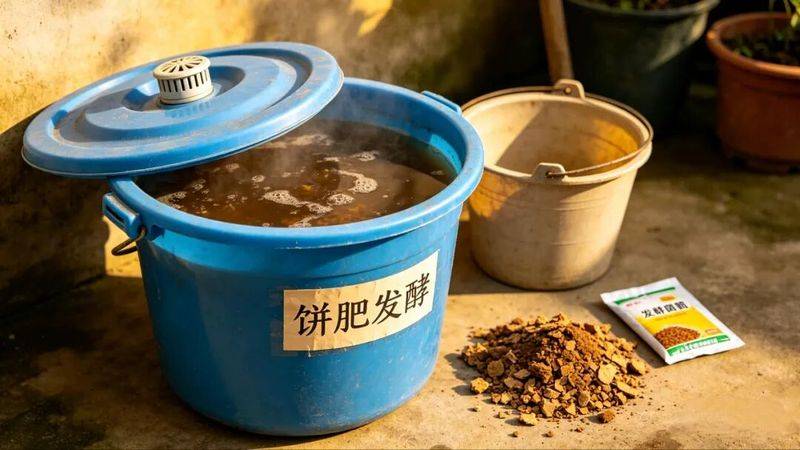
The fermentation method currently commonly used by our ordinary users is fermentation with walnut glue to aid the fermentation of peanuts, vegetable seed cakes, crushing the cakes, adding appropriate quantities of water and fermentants, sealing the fermentation for 15 to 20 days, making the cakes fat or compost, not only at a fast rate of fermentation and full decomposition, but also significantly reducing the cost of fertilizing, which is extremely expensive compared with the purchase of finished organic fertilizer。
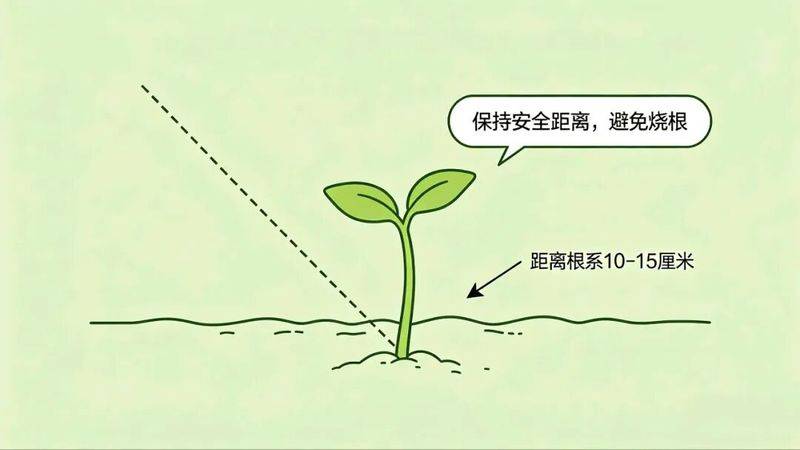
The key to pie fertilizer application
In addition, the relatively high price of pie fat, which does not recommend a single large-scale application, combined with low-cost organic fertilizer, such as goat dung and earth manure, can guarantee fertility and control the cost of planting; the use of cake fattening is 10-15 cm away from the root of the crop, avoiding direct contact with the root system and preventing excessive concentration damage to the root system。
Iv: ash from the grass
High potassium natural fertilizers are applied in both ways。
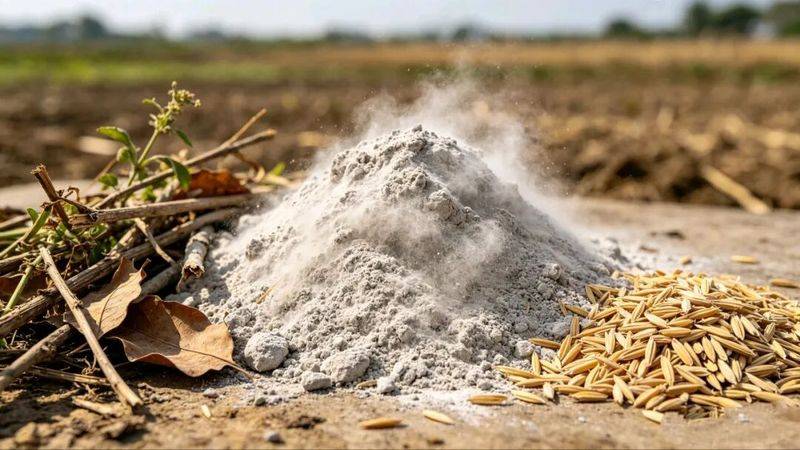
Ash is the most common and convenient natural, inorganic organic fertilizer in rural areas, low-cost and multi-effect, and a necessary practical fertilizer for growers。
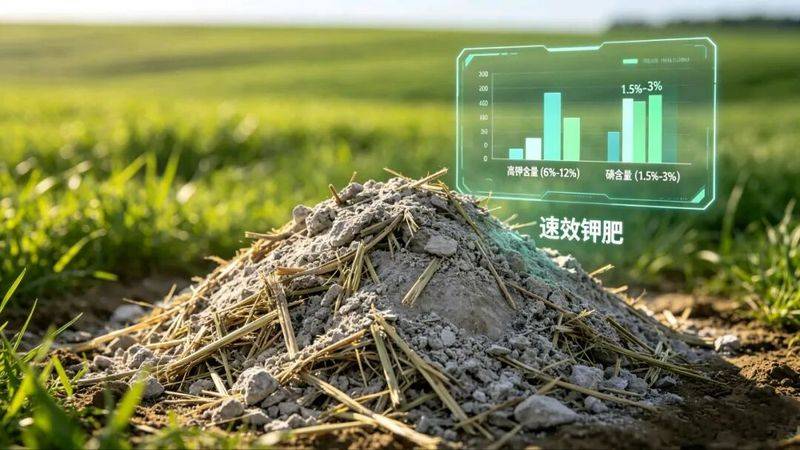
The nutrients of grass-wood ash are distinctively rich in a variety of mineral elements, with the highest potassium content of 6 to 12 per cent, mainly in the form of potassium carbonate, soluble in water and rapidly absorbed by crops. The second is phosphorus, with a concentration of 1. 5 to 3 per cent, which also contains a large number of trace elements such as calcium, magnesium, silicon and sulphur, with a rich variety of nutrients, which are typical of quick-effect potassium fertilizer。
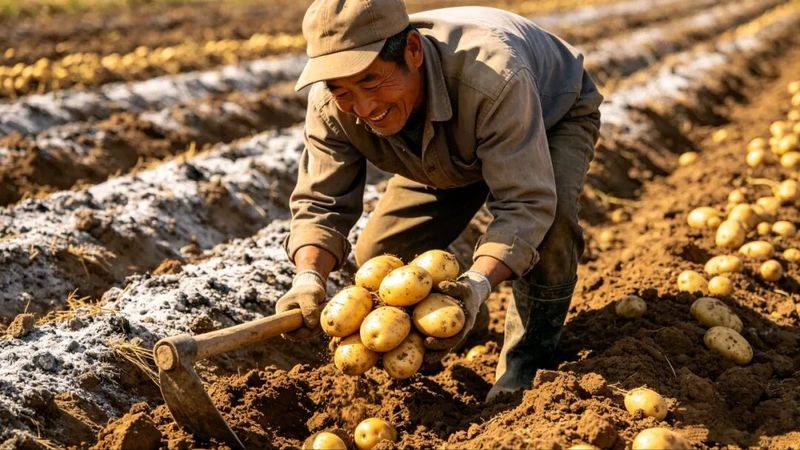
In agricultural production, the use of grass-wood ash is still simple and does more than fertilization. The application of 100-200 kg per acre as bottom fertilizer, which is distributed evenly in the fields and then ploughs into the soil, can supplement the crops with potassium elements, promote the growth of crop stubs, make the plants stronger, and enhance the resilience of plants to inverts, pests and diseases, especially for root crops such as potatoes, potatoes, carrots, etc., and can contribute to the expansion of the roots and increase production。
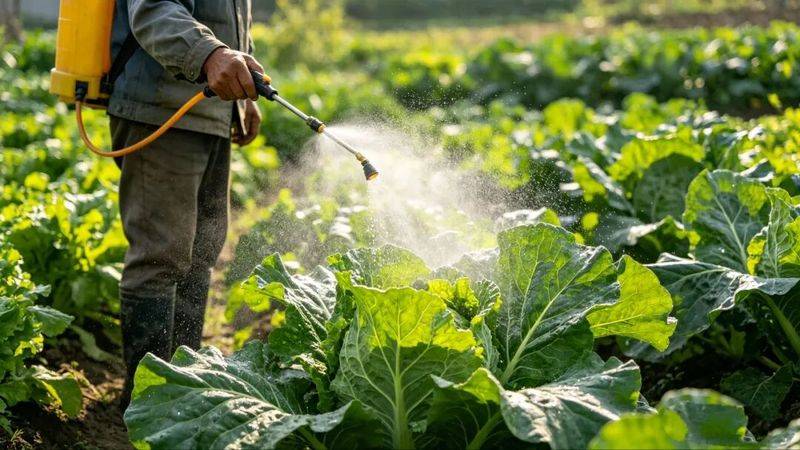
Also, when applied as leaf fertilizers, grass-wood ash is added to the water at a scale of 1:10, fully immersed and immersed for 24 hours, filtered out impurities, removed the upper liquid and fed into the aerosol dispenser, all of which are distributed on the right side of the crop, and nutrients can be absorbed directly through the leaves and very quickly. At the same time, grass-wood ash is alkaline and has a certain effect of fungi deworming, with leaf spraying or spraying on the roots of the plant, effectively shielding from common pests such as aphids, larvae and white powder lice, as well as inhibiting the spread of fungi diseases such as frosting and anthrax, and achieving a real gain in fertilizer, disease prevention and pest prevention。
Key attention for grass-wood ash application
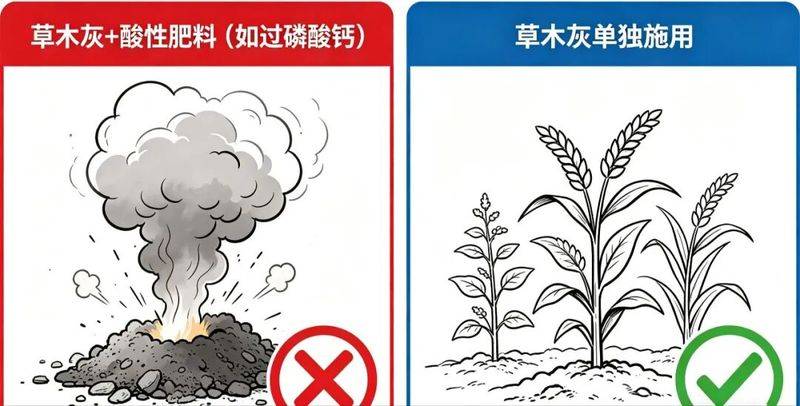
Grasswood ash is very alkaline and is banned from being applied in combination with acid fertilizers, acid pesticides such as ammonium sulphate, calcium perphosphate, roted chicken dung (supplexy), insecticides, etc., and mixed with alkaline, resulting in total loss of fertility and efficacy, which must be applied separately for a period of not less than seven days. Second, grass-wood ash should be dried and stored in order to avoid rain showers, which can lead to large losses of potassium elements and reduce fertility. In addition, saline, alkyl crops (e. G. Dowd, blueberries, tea) are less used or less sooted, avoiding any disruption to normal crop growth。
Conclusions
Organic fertilizer is not absolutely the best in the process of planting, except for fertilizer suitable for their own plots and crops, and four common organic fertilizers each have their merits, which can be chosen with precision according to actual demand: if the soil is leaking, there is a need to quickly supplement fertility and to give priority to fully decayed chicken dung. Long-term improvement of soil, conservation of root systems, pursuit of warm and safe fertility, choice of sheep dung and combination of quick-effect fertilizer. Pie fertilizers are the best option if they are grown to improve the quality and sweetness of fruit. If potassium fertilizer is to be replenished and pests and pests are to be prevented, it would be more appropriate to collect low-cost grass-wood ash。