


In order to follow up on the requirements of the national commission for health and health's action plan for the comprehensive improvement of medical quality (2023-2025), the programme for the improvement of the safety of patients (2023-2025), the programme for the improvement of the quality of surgery (2023-2025), and the programme of action for the improvement of the quality of surgery, the study of the theoretical knowledge of the profession and of the latest technical standards for the industry, the development of quality hospitals attached to the university of hebei engineering, and the promotion of the participation of the population in sensory activities, the hospital illustituation management initiative carried out between august and november 2025, the special initiative for the development of quality of innovative medical care, and the competition on best cases of infection prevention and control related to invasive operations, as well as on three disciplines。
With the active participation of all medical staff, supported by heads of sections and nurses, the series concluded successfully with the selection of 1 first, 1 second and 2 third prizes for the case competition, as well as 10 contests for sensory knowledge。
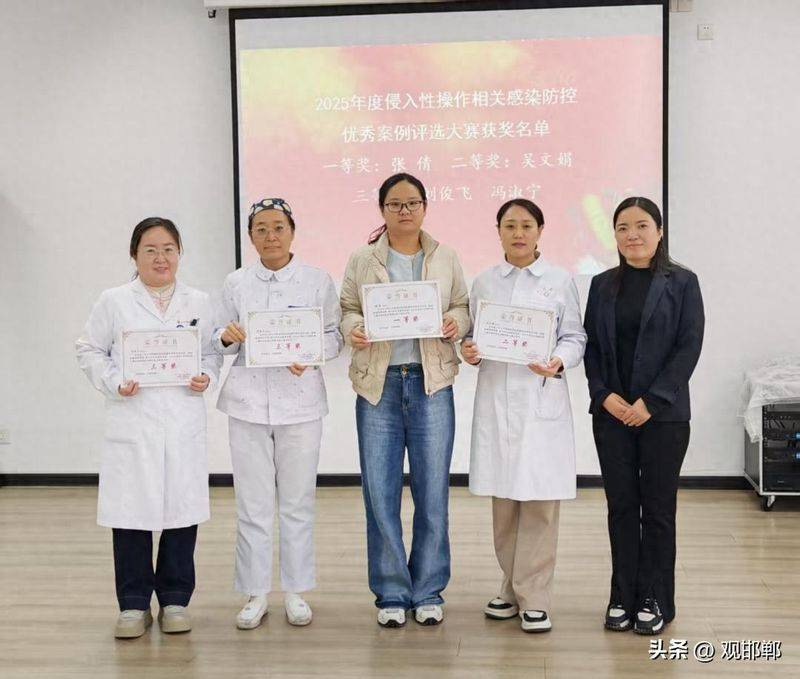
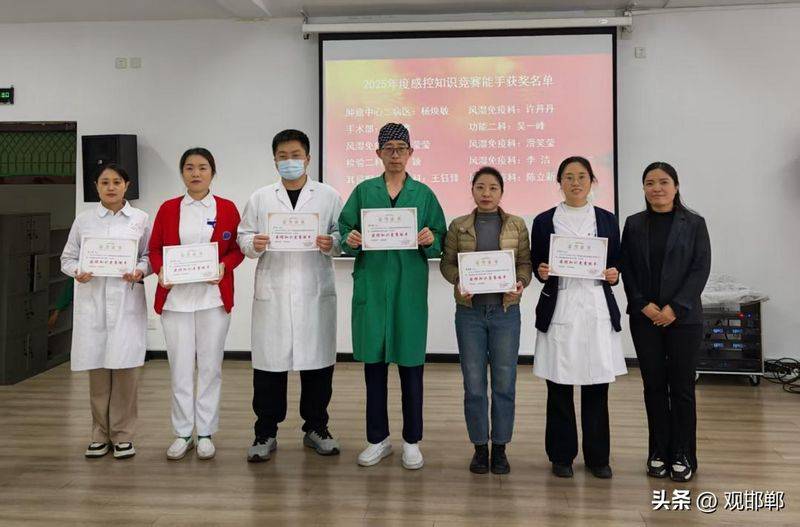
Through this competition, the aim is to further develop the institutional awareness and master and apply basic skills for hospital infections throughout the institution. As an important element of the work of the institute on prevention and control, the 14 new standards for prevention and control of infection in hospitals have been put on the ground as soon as possible, the standard interpretation and practical skills have been improved, the training has been fully covered and effective, the standards have been put into perspective, the focus sections have mastery of the core content and its application have been standardized, and the institutional control process has been further optimized。
The next step will be for the hospital infection management service to continue to deepen the impact of the training, go further to the clinical level, conduct targeted training on the priority areas of the hospital, and follow up on the impact of the training through on-site inspections, case analysis, etc., in order to address the difficulties of implementation in a timely manner, continuously improve the standardisation of infection management throughout the hospital and provide safer medical services to patients。



