


On 21 march, a seminar on "intellectual upgrading and value chain innovation in the budding vegetable industry" was held in jiangsu xuzhou, where jiangsu xinhua university, china agricultural university, beijing academy of agroforestry and other scientific institutions, as well as a number of capital sources, jointly explored how science- and technology-enabled industries could lead villages through industry。
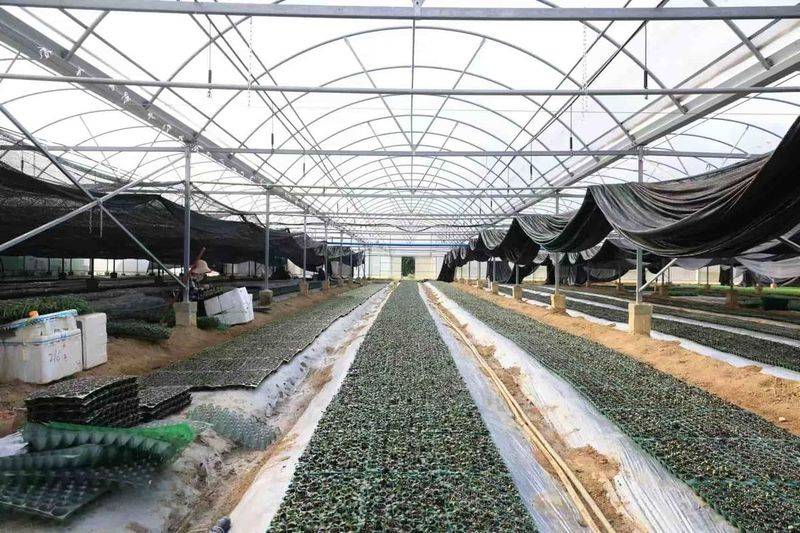
Since its establishment in 2022, jiangsu xinjiang has worked with scientific institutions to develop more than 60 seedling products, and has participated in the development of the group criteria for clean water soybean breath, which is based on the wealth of water resources in dae peng town, xuzhou, and produce soybean sprouts rich in “long-lived elements”. At the seminar, the team of professor liu haijie of the agricultural university of china presented the latest results of the sprouts: the radish sulphate rich in broccoli has multiple health effects such as oxidation and inflammation; the folic acid content of quinoa sprouts can increase 50-80 times. Based on these findings, enterprises are working with the xuzhou institute of technicians to develop high-value-added products such as quinoa malt bread and to explore the expansion of “super-food” in the food field of broccoli, sprouts, purple glycerine seedlings, etc., into quality raw materials for pet foods。
Of even greater concern is the fact that enterprises closely link the extension of industrial chains to rural revitalization. Through the “corporate + base + farmer” model, jiangsu has a new interest in bringing neighbouring villagers into employment at the door of their home and allowing farmers to share in value added gains from the chain. The enterprise plans to establish 1,000 community-based shops in more than 1900 communities in xuzhou, to create a simultaneous micro-intelligence applet platform, and to open up shops such as micro-intelligence, shivering and little red books to create an online and offline connection pattern to better serve millions of citizens in xuzhou. Businesses are now accelerating the strategic deployment stocks of the country's 30 energy production bases and, while promoting enterprise development, are contributing to the growth of rural niche industries and the steady growth of farmers。
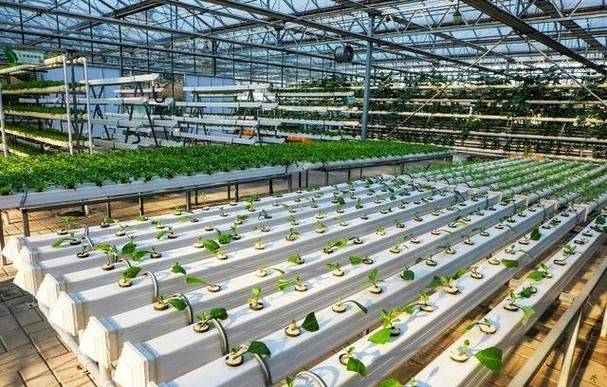
From a seed to an industry, from one enterprise to one that drives one side of the population, jiangsu xin hopes that a new chapter of rural renewal will be written on the desired fields, with a small sprouts to boost the industry。
By zhang chang, the farmer's daily newspaper, and a journalist, liu bai
China agricultural network 25 march 2026



