Peach trees are grown in order to enable them to grow and develop normally, thereby obtaining yield and quality. Peach fertilizers are indispensable, but the timing and technical methods of fertilization, if they are to produce good results to peach trees after fertilization, must be managed during a critical period of fertilization to enable the fruit tree to enter normal growth and development. The purpose of fertilisation is to promote the growth of the root and fresh roots of the fruit tree, which in turn promotes the growth of the gestation, flowering and sit-in fruit, thereby yielding a high yield。
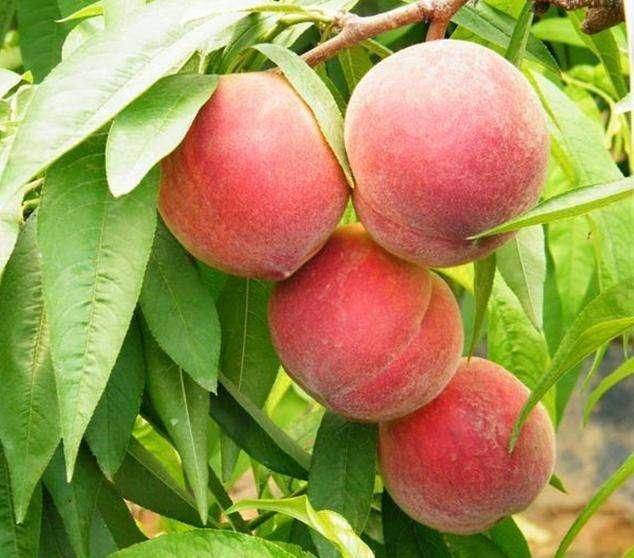
The planting of peach trees is important in terms of time and technical means of fertilization, promoting root systems and new growth in order to facilitate the normal growth of peach trees, flowering and nutrition that meets their needs when pollination takes place, thereby increasing sit-in rates. The good or bad fertilization directly affects the production and quality of the year. When does the peach tree fertilize? For some farmers who grow peach trees, understanding the timing and technical methods associated with fertilization can be effective in increasing yields and thus achieving high productivity stability。
However, there are more varieties of peach trees, and some farmers tend to control poor fertilization times, resulting in insufficient nutrient absorption of the roots of the peach trees as a result of insufficient soil fertility, and lower nutrient storage in the trees, which can affect the growth and development of the root and fresh roots, resulting in low growth rates, small flowers and low sit-in rates, with significant losses to farmers. In our local case, one owner contracted dozens of acres to plant peach trees, which were directly lost in the first year because of the late application of fertilization, resulting in a significant impact on the second year of peach trees. Fertilizer is actually a technology, and fertilizer is an essential component of the growth of peach trees, which is analysed in detail below, as well as the key periods and techniques of fertilization of peach trees。
The critical period and time and technical methods of fertilization of peach trees throughout the year
Premature fertilization is based on local climatic factors: the premature of peach trees, some of which are about 15-20 days later than others due to local climatic factors. Fertilisation can begin when the soil is frozen, depending on local climatic conditions, mainly when nitrogen is applied. At this point, the purpose of fertilizing is to replenish last year's peach tree stock. Inadequate nutrition is also intended to promote growth in the root and freshness systems, to facilitate the smooth running of buds, flowers and sit-ins, and to ensure that peach trees are adequately nourished during flowering and pollination, thereby increasing flowering and sit-in rates. According to empirical analyses of peach gardens and individual planting of peach trees that i have visited in the past, this is mainly a time of application of nitrogen fertilizer, which accounts for about 10 per cent of the year's total. Nitrogen fertilizer in acre amounts to 2000-5,000 kg in pure nitrogen, or about 4. 5-11 kg of urea, with flexible application depending on the type of peach tree, the size of the tree, the age of the tree, etc。
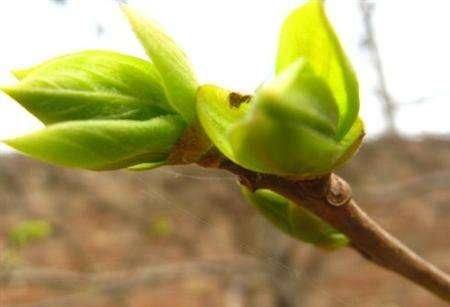
When flowers fall, they are fertilized early: they are fertilized in a timely fashion, mainly on a quick-effect basis, and are fertilized with potassium phosphorus, the purpose of which is to supplement the nutrients consumed by the pre-plant trees during their budding and flowering, so that fresh and young fruits can flourish smoothly, while reducing the incidence of fallout and contributing to the expansion of some pre-cooked peach tree varieties. It's mostly nitrogen fertilizer, about 10 per cent of the fertilizer in that year。
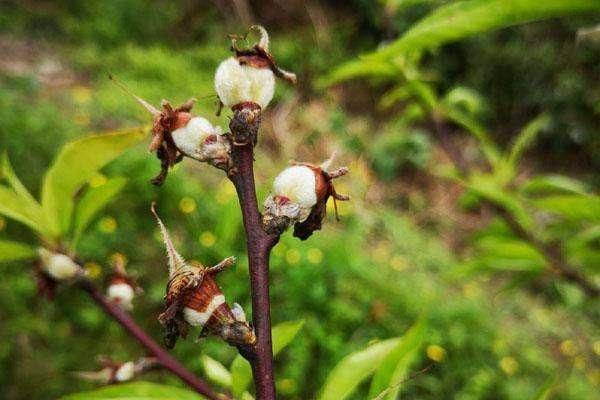
The hard core period needs to be applied in a timely manner: the hard core period is the stage in which the fruit enters into expansion and the stage in which the peach tree is in greater need of nutrition. For peach trees, this is the most critical fertilization in the year, because it is the fruit that needs more nutrients, mainly potassium fat, and nitrogen and phosphorus. For some species of fruit trees that are larger and pre-cooked, there is a considerable need for fattening, promotion of fruit expansion and normal development, so it is important that fertilizer be applied in a timely manner and that the fertilizer be controlled for rational application. At this time, fertilization is around 10 per cent of the year, and nitrogen fertilizer in acres is 2000-5,000 kg in pure nitrogen, approximately 4. 5-11 kg of urea, but is based on different species of peach trees and on the size of the canopy, ensuring that the fertility is reasonable, so that the effects of fertilization are good。
The fertilisation period needs to be more detailed: as the hard core period has already been fertilized, it needs to be observed and not applied blindly, before the fertilizer applied in the previous period is almost exhausted. This is mainly a time of multi-observation, with some appropriate phosphate fertilisation when the fruit is found to be again in a rapid and long period of life, mainly on the basis of potassium nitrogen fattening, and when the soil is tested for phosphorus, if necessary. The application of fertilization during this period was about 25 per cent of the annual application and, in acres, the use of nitrogen fertilizer in a square acre was 4-10 kg in pure nitrogen, equivalent to 8-20 kg of urea, 5-15 kg of potassium fat and 15-30 kg of potassium sulfate. In addition, 15 per cent of calcium phosphate 10-30 kg/acre containing phosphorous pentaoxide is applied when necessary, depending on the circumstances. It is important to note that the diversity of peach trees, such as medium- and late-cooked peach trees, is followed up by fat in the first half of the month of harvest, mainly by a combination of potassium nitrogen for phosphorus, in order to facilitate the normal expansion and quality of fruit。
Timely application of fertilization after harvest: after harvest of fruit, at a time when a large amount of nutrients has already been consumed in the tree due to pre-sprouts, flowering, sit-in fruit, long leaves, etc., demand for timely fertilization has contributed significantly to restoring the tree position and increasing the nutrient reserves of the tree, laying the foundation for the growth and flowering results of the second year. At this time, it is possible to apply nitrogen fertilizers, which are about 15 per cent of the total annual use, in conjunction with the application of phosphorus fertilization, in order to supplement the nutrient reserves in peach trees, to promote the growth of flowers and to enhance the co-optation of leaves, and to accumulate nutrients for peach trees in the autumn, so that they can flourish and bloom in the second year。
It should also be noted that when the timing of the application of the peach tree is mastered, care must be taken that it is not applied blindly, and that a reasonable application of fertilizer should be carried out on the basis of the species of the peach tree planted, the pattern of the tree, soil fertility, the size of the canopy, the age of the tree, etc., so as to avoid overweight or lack of fertilizer, whether excessive or deficient, which affects production and quality, and it is therefore necessary to manage the reasonable application of the fertilizer。
Secondly, in the period when the peach tree is budding, flowering, fruiting and harvesting, it is necessary not only to control the timely pursuit of fat, but also to manage water during these stages, as well as to coordinate it, which can have an impact on the growth of the peach tree and the broccoli。
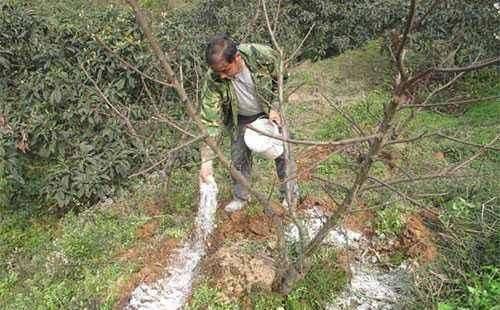
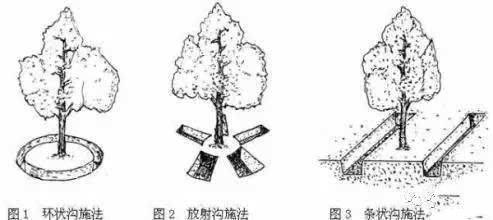
When fertilizing, the gutter pattern is applied rationally, as is the fertilisation pattern, which can be applied by loops, radiation, strips and water. However, it should be applied rationally, as was the case with the last application of a radiation ditch, the next time it is applied in a strip ditch, because, as peach trees continue from larvae to old trees, the quality of production and fruit is affected if the methods of applying and watering are changed in a way that results in the application of fertilizing or pouring water that is too far away from the root line and that the root line cannot absorb the fat water in a short period of time。
There is also a need to strengthen the prevention of pests and pests, which can easily occur in peach gardens and cannot be ignored, as well as prevention, especially of peach-tree gestosis, which has a significant impact on peach trees, and to take timely measures to avoid losses due to lack of proper pest control when pests are found。
In conclusion, fertilization is a crucial part of peach tree cultivation, but it is important not to lose sight of watering and pest prevention, to ensure that peach trees are adequately fat and absorbent, and to ensure their healthy growth and to lay the foundation for a fruitful harvest in the coming year。