


Yellow platinum (pineapple) has the function of pyrolytic detoxification and dysentery. Its wood is fine and is a prime material for construction and furniture, and can be said to be a pharmacist dual-use plant. There is currently a serious lack of resources for yellow and wild, and priority is given to plant protection at the national level, with a wide potential for artificial cultivation. In order to maximize the benefits of yellow-breed cultivation, many of the saplings grow in the form of chinese-medicine yellow-breededed heavy buildings。
I. Cultivation
1. 1 yellow and fertilized seedlings: the whole area is fertilized with a warm and humid climate, with wild trees growing more often in wind-scrutinized valleys, low slopes or near brooks, where fertile and humid decomposed soil should be chosen for seedling or cultivation, with nursery areas to be fertilized deep and fertilized to the bottom, to be thalled to 1-1. 2 metres wide and 20 cm high
Seed breeding: live, but high-yielding seeds can be planted. Yunnan heavy floors: 30 to 35 centimetres in mid-january, 20 to 25 centimetres in length, 3-5 centimetres in shallow ponds, 130 centimetres in narrow length, 4 rows, 150 centimetres wide in 1 row. After 24 hours of cold seeding, grasswood ash seeding, 2 to 3 grains per pond, 2 to 3 centimetres of fat soil, half of the faeces covered by the battle, should be watered in a timely manner, 7 to 10 days
Ii. Deplantation
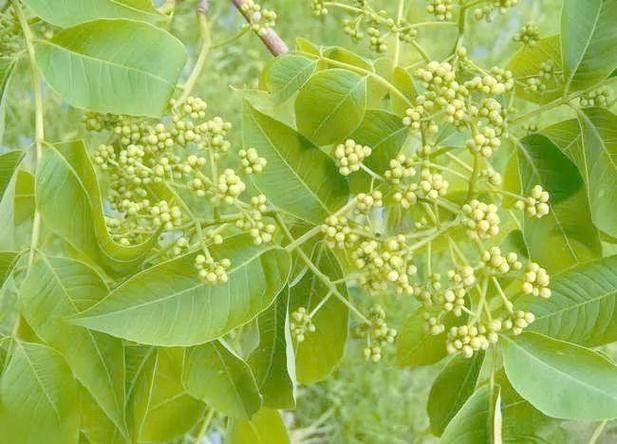
2. 1 yellow plaster migration: spring planting takes place before the seedling is frozen in the same year; spring planting takes place in the spring of the second year after the seeding. (b) the digging of 60 cm deep pits by 1 m x 2 m and the planting of seedlings, watering the soil to keep them alive, and the planting of seedlings: are important measures for saving seeds and obtaining orders
2. 2 replanting of heavy floors in yellow platinum spacing: in early april, selection of seedbeds in dry or vegetable gardens with a plume. % quintozene is best used as milk. 5 - 10 grams of fine earth-splattered ds per square metre to decontaminate the soil, and then re-drive the surface layer, raze it to the surface, level it to the surface, and open the sown ditch at a distance of 5 centimetres by centimetre in the ditch, then cover the earth by 3 centimetres, fill up the faeces with water and cover the membrane, so that the seedlings can come out in 1-7 days
2. 3 field management: after planting, four to five years of continuous raising, timely weeding and prevention of grassland, one annual weeding each in the summer and two autumns, one annual fattening in the summer and three years, combined with chinese weeding, 1,500 kg of soil fatter per acre after the first three cultivations, 50 kg of calcium phosphate and 50 kg of pastry, 50 kg of cake fattening, blending and then smutting in the ditches, fertilizing the ground, and soybean crops before becoming forest. In times of drought, water must be poured in time, pest control, and rust is the main disease in the yellow leaf by spraying 400 times the sodium rust in the onset of the disease, once every seven days and two to three times; aphid can be sprayed with 40% of the fruit milk 2000 to 3,000 times the fluid
2. 4 rebuilding field management:
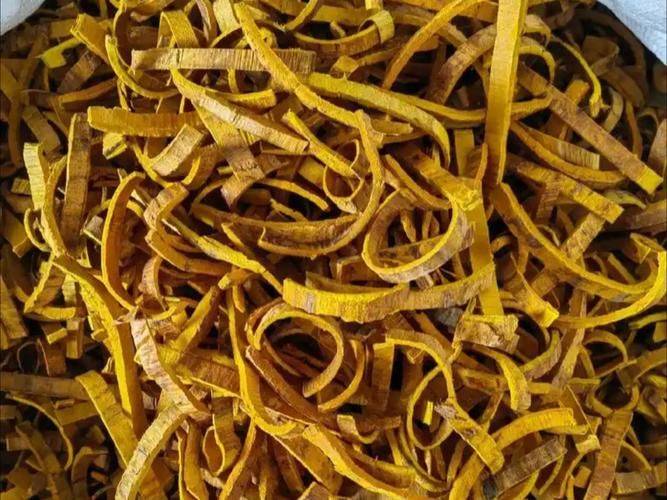
(i) in mid-may, the seedlings will be used for live seedlings in the second half of the year, while at the same time the ponds will be filled ... Before the seedlings are filled with water, the seedlings will be made from wood, the root water will be fixed when the seedlings are filled, the seedlings will be fully utilized, and the whole seedlings and sufficient density will be assured
(2) agricultural heavy-grassing buildings require soil laxation ... The upper part of the ground is weaker ... Particular attention is to be paid to weeding in the pine fields. In general, between late may and early june, heavy rains and slabs of soil, timely drainage, flood control, in-work farming, light pine soil, and constant care to clear weeds
(3) the shades are shaded, the strong light is feared, and the light is 40-50% better for the whole reproductive period. Where there are conditions, it is advisable to use sunnets; where there are no conditions, shades may be inserted in branches ... And shades of maize may also be tested, with regard to density and spacing
(4) the weight of the fertilized earth is usually grown with flowers on the top and a tuber on the bottom, usually growing in mid-june, mid-august. Quick. It is necessary to re-fertilize in the first half of june, with oxen and sheep dung or earth manure of 2000-3000 kg. Gap-calcium 20-30 kg
Collection
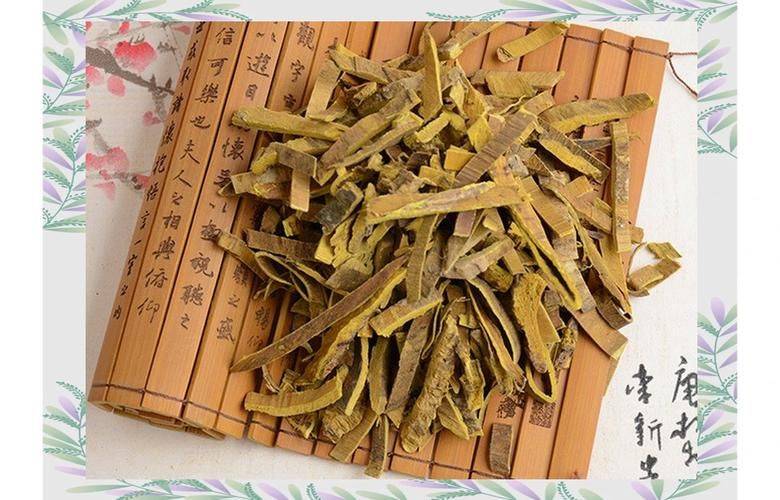
3. 1 leather can be skinned for 10-15 years after harvesting and processing, and it is generally appropriate to be circumcised between may and june, or to be removed from the bark in conjunction with cutting and drying; its wood can be used as building materials; and aromatic oil may be extracted from yellow leaves
3. 2 heavy-rise harvesting: harvest: before and after fall, i. E. From 11 to 12 until the spring of the following year, i. E. By march. Most of the heavy roofs are grown on top of the surface and are easily poached, but care must be taken to keep them intact; first, they cut off their leaves and then dig them from the side with their hoes, dig out their troughs, shake down their muds, wash them clean, while they are fresh, 2-3 mm thick and dry. In the middle of the day, 30 or so microfires may be used to dry up so as not to paste the glucose。



