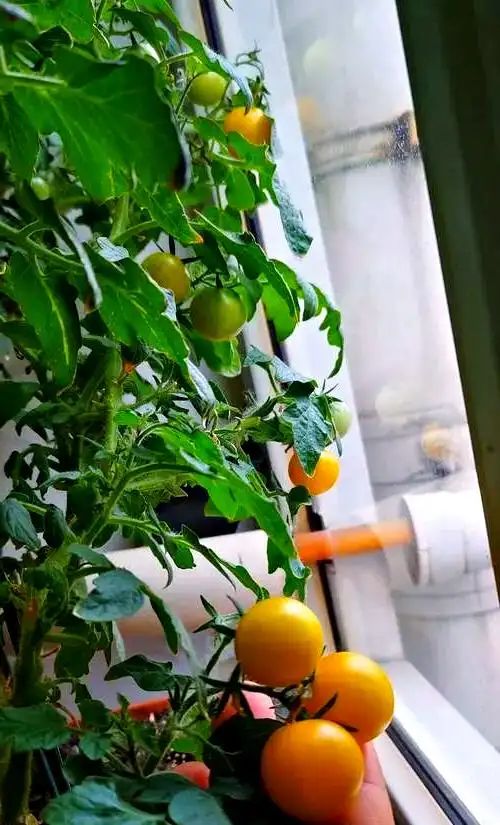
1. Temperature control. The appropriate temperature should be maintained through ventilation, sun cover and heating, especially during the winter and spring, at 25-30 degrees during the daytime and at no less than 15 degrees at night, generally at 18-20 degrees. Close ventilation vents and increase temperature protection facilities, such as graft, before low temperatures arrive, to ensure that the sheds do not cool. During the period from april to may, when the temperature is higher for several consecutive days, it should not exceed 35 degrees at noon hours and should be cooled at 30 degrees. The field cultivation needs to be timed in order to avoid cold and high temperatures and to be careful to water in the spring before and after the spring, so as not to reduce the temperature and damage to the root systems. The high-temperature season waters early and late, avoiding periods of high noon temperatures. By the summer heat phase, sun-shield cooling can take place at noon. In short, tomatoes are grown within the appropriate temperature range to prevent flowers from falling due to high temperatures. 2. Increased light: first, rational planting density, timely removal of old and sick leaves, and increased radiance between plants. The second tomato plantation is located far from buildings and trees to prevent the shade of tomato growth. The replanting of sheds is periodically replaced or washed to increase light. 3. Science uses fatty water: tomatoes are semi-dry-resistant vegetables, with the result that they are dry and dry, but cannot be wet enough to keep the soil humid enough to avoid water accumulation or drought. Thus, water should be watered in a small-water manner, with less water being used before flowering, and more ploughing until the fruit is settled, with the soil being wet, with attention to drainage during the rainy season, and the root being spotted. Fertilizers, in addition to a reasonable mix of nitrogen, phosphorus and potassium, supplement trace elements in due course. Functional fertilizers should also be used to promote root system growth. Fertilizers should take place at the tomato birth node, and after the crouching, the sitting fruit and the first harvest of the fruit. They use compound fertilizer, urea and power fertilizer. Depending on the size of the sapling, it is desirable to have less. 4. Prevention and control of pests and diseases: timely detection and treatment based on the occurrence of the disease. The prevention of pests should be based on agricultural measures and green controls should be implemented to ensure that tomatoes do not fall short of flowers. In addition, methods such as artificial pollination and the use of growth regulators can be used to increase pollination fertilization rates and reduce the fallout. At the same time, field management needs to be strengthened, with a view to eliminating surplus flowers in a timely manner in order to ensure the nutritional supply of plants. If the problem is serious, it is recommended to consult local professional agricultural technicians for more specific guidance。