The san tree is a growing economic crop, which is usually carried out after the san tree falls and before the san tree sprouts in the spring of the following year. However, there are some differences between seasonal planting, the rate of survival and the growth function of the trees. Production is often dominated by fall and spring migration. Today, the rest of the tea is just about to talk about the timing of the modern san garden planting and what needs to be done before the san trees grow. What are the methods of planting? And how is post-plant management? It is hoped that some useful reference values will be provided to the needing sanon friends。
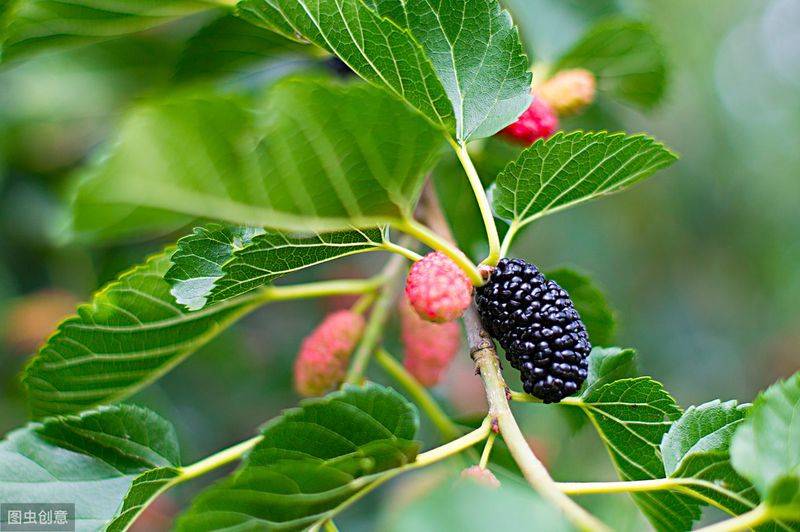
I. Timing of san trees and respective advantages
It is well known that san trees are resilient and have a wide range of adaptations, resulting in higher overall survival rates. However, the rate of survival of sanctuaries planted at different times and their ability to enter the garden quickly were completely different. In the process of planting, farmers, according to their own needs, will choose suitable planting times to maximize the advantages of sank planting。
First, the spring san trees fit in the cold north
Because of the colder and dryer weather in the northern part of the country, early into winter, the soil is frozen quickly and it is not suitable for sauna winter planting, otherwise it would freeze to death and thus affect the rate of survival. As a result, the northern region usually chooses to plant the san trees before they germinate after the spring soil is unfrozen. It should be noted, however, that spring planting requires the false planting of trees to protect the roots of san trees to the extent possible and to avoid drying, rotting and freezing. At the same time, it should be noted that it is not too early or too late to plant in the spring. Earlier, the success rate in planting was lower owing to low temperatures and the fact that the soil had not been unfrozen. Lately, the temperature rises too quickly, and the sauna is already in motion, but the soil is not yet in full contact with the root line and is vulnerable to survival. Most of the springs in the north are relatively dry and rain-poor, so planting should be followed by irrigation。
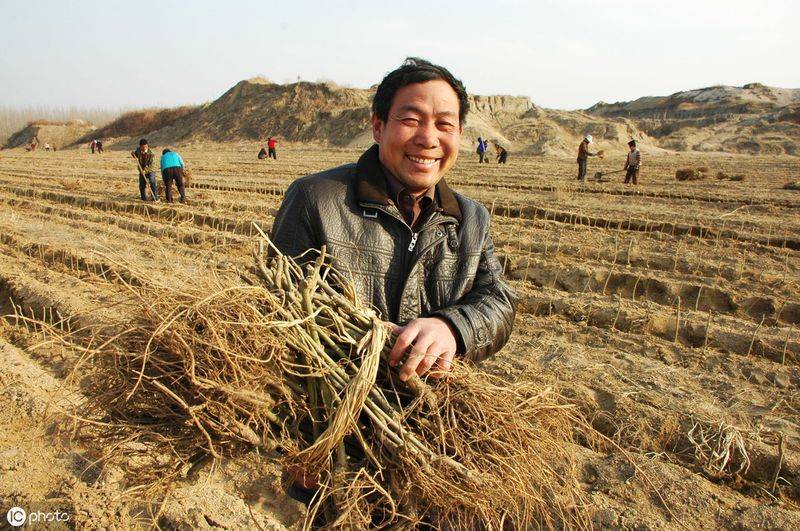
Second, summer san trees can save labour
Summer cultivation is relatively the least selected time in the four seasons of the year. Because of higher summer temperatures and strong light, planting requires shade-proof sun treatment, which would otherwise seriously affect the survival of the plant. However, in some spring drylands, irrigation sources are inadequate and the summer rains are used for planting, depending on local environmental and climatic characteristics. In places such as yunnan, sichuan, shandong and hebei, many farmers would choose to plant trees during the summer rainy season, which would reduce irrigation, save labour and increase survival rates。
Thirdly, in the autumn, the san trees must be timed
The fall planting of san trees is mainly in areas where autumn rains are more frequent, such as chongqing, sichuan, and time is best managed before october. Because this is the only way to ensure that, after the autumn plant, the roots of the san trees are in close contact with the soil, that new roots are grown back that year and that the spring san trees grow early and have a high rate of survival in the second year. Autumn planting is time-consuming and requires preparation of fertilizers and soil, as are labour and planting arrangements. In addition, in the autumn, seedlings are being dug over the long term and are sensitive to the outside world, so care must be taken to protect the roots and reduce damage. It would be preferable to dig and plant and reduce the amount of time spent in storage. The plant is then prepared to keep the trees warm and safe from winter。
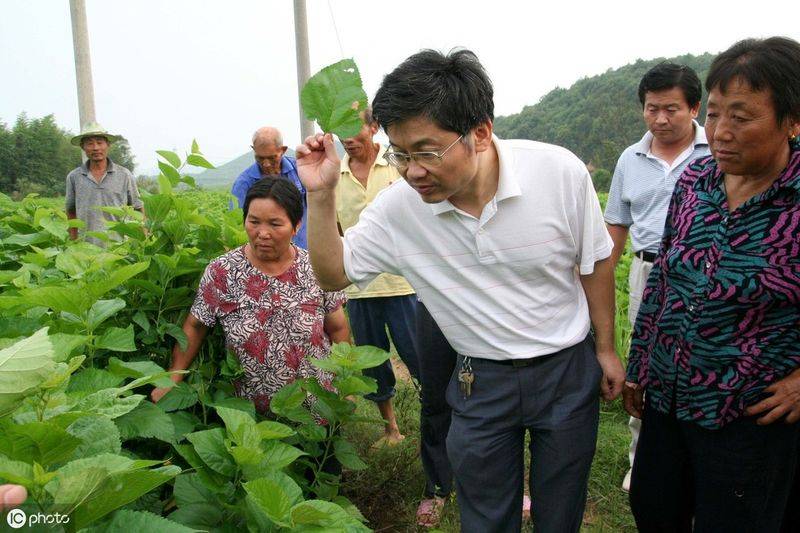
Fourth, there's a high rate of survival during winter
In the yangtze basin, especially in the downstream and mid-stream areas, many farmers are engaged in sanctuaries during the winter season, partly because of the fact that farmers enter the rest of the agricultural season and the labour force is adequate. On the other hand, winter planting ensures full contact with the soil of the sanctuary roots, with longer periods of time and early growth and high survival rates. The winter shift is best in mid-december. Also in the pearl river basin, because of high temperatures, no frosts in winter, winter plantings are carried out, and sank trees are more productive than other seasons, and labour is organized easily。
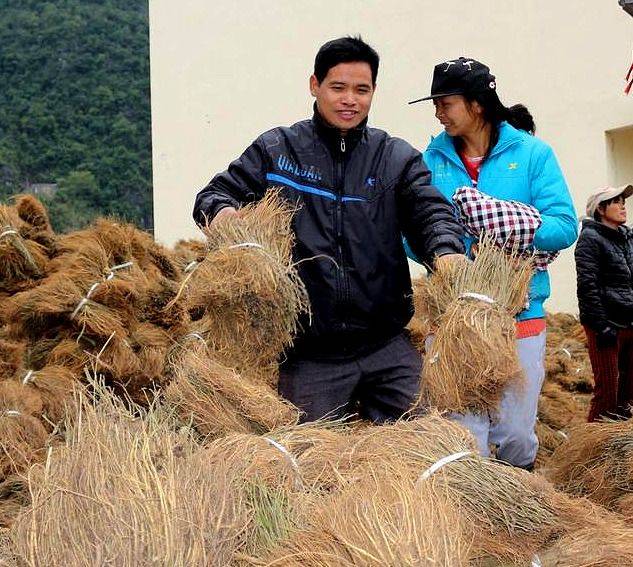
What are the preparations needed before the san trees move
Overall, before sanctuaries are moved, the choice of planted seedlings begins, as good varieties of sanctuaries suitable for the local planting environment are a key factor in increasing later yields of salves. The second is the preparation and application of plant plots to ensure that the sanland soil is flattened, nutritiously fertile and organically high in order to facilitate sanctuaries'survival and later management。
First, choose the right sorghum and do the right preplant
First of all, it is important to choose the best sorghum species. In production, we usually choose a strong, well-developed, disease-free seedling that is compatible with the local planting environment. This is really crucial, because our land is rich and our environment is completely different. If the sanctuaries selected are not adapted to the local planting environment, they are unable to live or have a lower rate. Good varieties that are suitable for local planting can easily achieve high growth and early production。
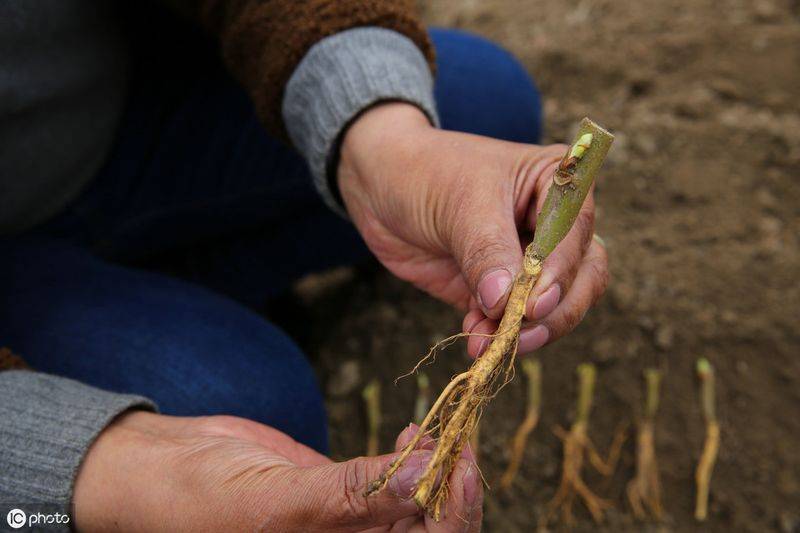
Secondly, it is necessary to rationalize the sanctuaries. The roots of the seedlings shall be trimmed on the basis of the principle of “low cut-off” before planting them. Excessive lengths, curls, knots and partly broken roots of sanctuaries are to be removed in order to avoid the deterioration of wounds and to prevent planting. Of course, at the production level, we also have to be careful to preserve the integrity of the root system, which can contribute to higher survival rates. If too many roots are built, there may be low survival rates and slow growth, to the detriment of the growth of trees。
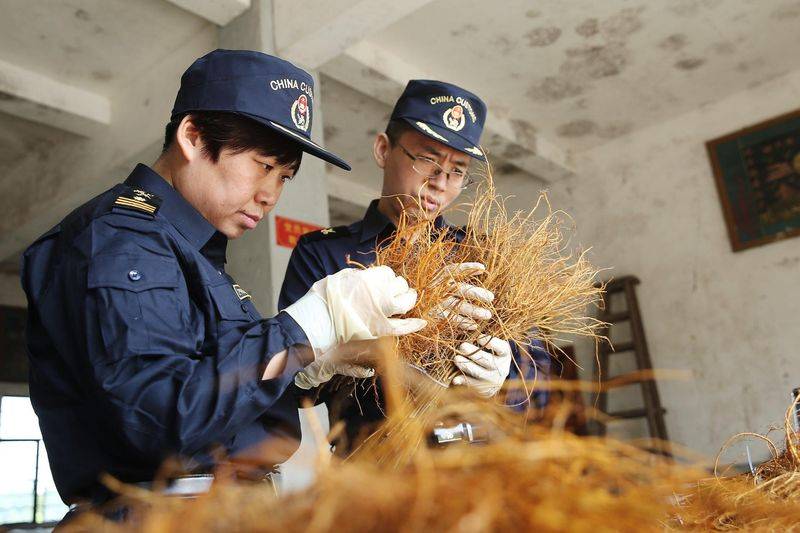
Once again, the seedlings should be disinfected in a timely manner. For sorghums that have been repaired, 2% to 5% of lime water is immersed in a timely manner for 5 to 10 minutes. This is the method of quarantine normal sanctuaries, which, if suspected of having a virus, would need to be treated in the manner of disinfection of the seedlings. For example, if you are infected with a san root nematode for more than three months, you can effectively kill a nematode with a hot water immersion of 48-53 degrees for 20-30 minutes. At this point in time, care needs to be taken to control the temperature of the water, which cannot exceed 55 degrees, otherwise it is easy to burn the roots of the san trees and affect their survival。
Secondly, take appropriate measures to organize the land and apply it in accordance with scientific principles fat
First, sorghum should plant no less than 40 cm. We all know that sanctuaries are deep roots and, if the soil environment permits, their roots can reach a depth of 1-3 metres underground. Of course, nearly 80% of the roots are distributed within 80 centimetres of the earth, and 60% of the roots are distributed in 40 centimetres of soil. Moreover, according to the experiment, the plant planted deep in the earth is well developed, with a 26 per cent increase in length and a 44 per cent increase in output per unit of land over the length of the earth. So. In order to improve the growth and development of sanctuaries and to be able to absorb more nutrients, it is necessary to ensure that the farming layer of the soil reaches more than 40 cm. This is the basic requirement for soil farming before planting sanctuaries。
Second, deep-droping of pre-plant soil usually takes place in the form of ditches and caves. All of these wide-spreaded sanctuaries are run by ditches, which can save the labour force and serve local purposes. The depth of the ditch is about 60 centimetres, in which the topsoil and the heart soil are stacked separately and completely decomposed and applied to the bottom of the ditch as base. The use of base fertilizers is based on a standard of 3,000 to 4,000 kg/acre. When the range of the strain is wider or when the trees are planted sporadically, it is possible to dig deep into a cave with a typical depth of 60 to 70 cm and separate topsoil and heart soil, with agricultural organic fertilizer at the bottom of the cave, in quantities similar to that of a ditch. After fertilization, the surface soil is filled back, covering about 10 cm thick。
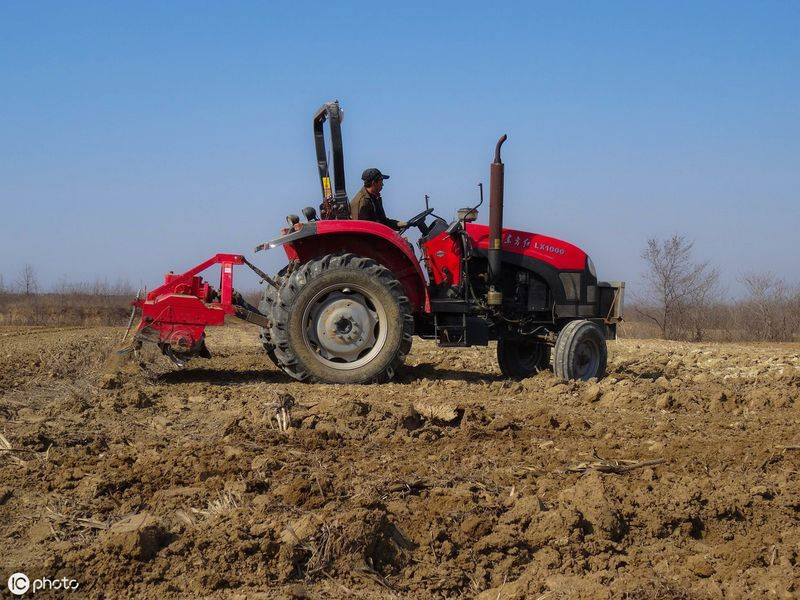
In addition, there are areas where the land before the sank tree is planted can be levelled and removed with a full depth of at least 40 cm or more and where soil fertilizer or farm weight is around 4,000 to 5,000 kg per acre. If conditions permit, mechanized operations can be used to improve labour efficiency and save labour。
Iii. How to plant and manage sank trees
First, choose the right planting method
In general, sank planting in production consists mainly of ditch and cave planting. The so-called cleavage plant is the digging of a ditch, the digging of a ditch and the application of foot-based fattening, the setting of the tree in place at the predetermined distance, the guarantee of alignment across the lines, the burial of roots in small pieces of topsoil, and the light planting of roots on the back of the earth, so as to ensure as much as possible that the sanctuary roots spread nature. At the same time, the soil fills the cracks of the root system, then the root is laid down, the root is in close contact with the soil, and finally the heart is filled back, and the return to the soil is guaranteed to be 2-3 cm above the ground. Of course, if there is less rain in the drought, it is appropriate to keep the root soil low so as to accommodate the rain。
Cave-planting is essentially the same as ditch-planting, generally mainly in scattered plots. However, it is necessary to do as much as possible to “slide down and down”. In other words, the idea is to keep the sorghum in a positive state and try not to tilt as much as possible, while the roots of the seedlings remain stretching and do not bend and squeeze in order not to cause damage to the roots, which is detrimental to life. When planting, so-called shallow planting means planting, the roots are not buried too deep, and it is generally desirable that the roots not exceed 10 cm. Of course, the soil environment and the climatic conditions for planting vary from place to place, so deep planting can also be appropriately regulated. Meanwhile. There is also a need to ensure that the same sanctuaries are planted in such a way as to facilitate later management。
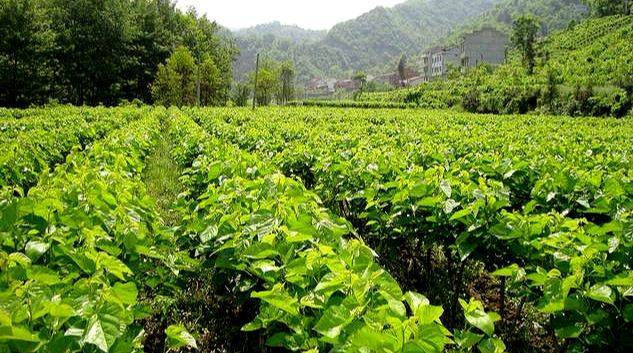
Second, strengthening post-plant field management
Scientifically sound field management following the planting of sorghum is a key factor in ensuring its viability and its later quality. Specifically, planting is followed by proper weeding, the timely removal of weeds, the decomposition of soils and the improvement of the respiratory capacity of the root sanctuaries. In addition, irrigation drainage needs to be strengthened in a timely manner if the weather continues to be dry, and if the rains continue, if drainage is to be observed. When trees are moved, they are prevented from being shaken, tilted or trampled and destroyed. In the event of failure or destruction, replanting should be carried out in a timely manner to ensure the size and output of the plant area。
After the sorghum plant is moved, the drying process is performed in a timely manner, and the seedling is cut slightly at a distance of 15-20 cm from the ground and, in the case of winter plants, before the spring sprouts. In the case of spring plantings, the crop should be cut in order to prevent it from dying. By the time the new sorghum is grown to about 12-15 centimetres, it will be possible to adopt gerontological measures, with two to three strong sorghums in each of them, in the right direction. This can be followed by conventional management of the san park and tree trunk cultivation。