Corn, the second-largest growing crop in the country, is not only an important food crop, but also a major feed and industrial raw material that occupies a significant place in national economic life. In terms of the area where maize is planted, what are the core techniques for the most widespread cultivation of spring corn in the northern region and for high yields? I'll tell you today about the high-yielding cultivation of spring corn。
# don't take it so hard #
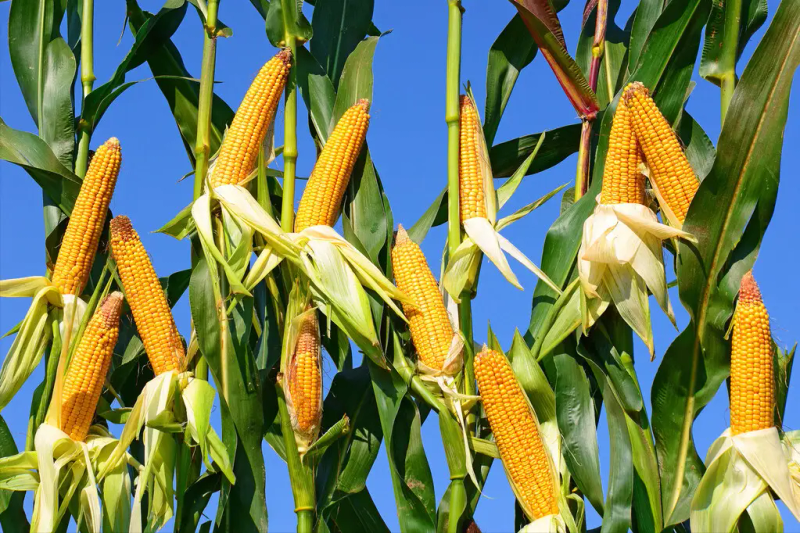
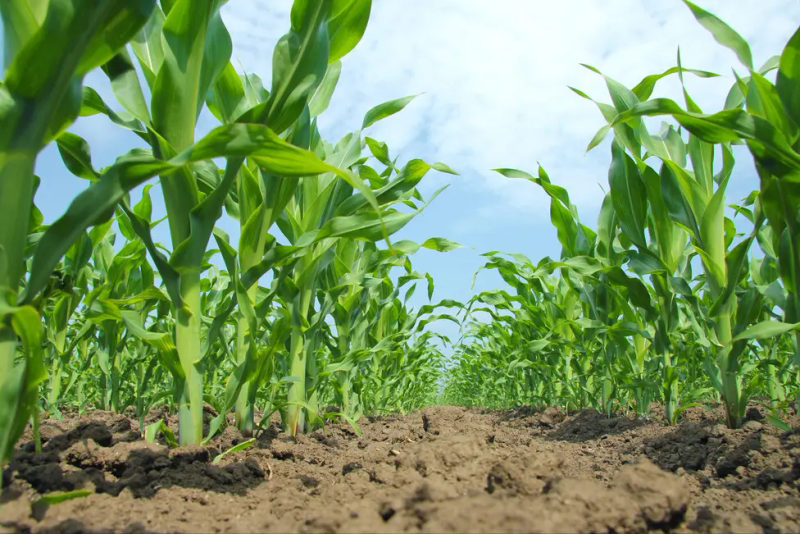
The growth of spring corn
As a result of lower temperatures before the growth of spring maize, the growth of seedlings has been slow, with strong plants growing, low oscillations and shorter nostrils, and thus stronger invertability. Over the long term, it is longer than summer maize, and is therefore characterized by large fruit ears and higher single yields。
However, most of the areas where spring maize is grown are humid and semi-humid in the cold temperate zone, which is characterized by low temperatures and droughts in the spring, which affect the growth of seeds and periods of seed production. Moreover, strong life has long been marked by hot and hot summers and rainy seasons, so that the incidence of spring maize is more severe than summer maize. If not properly treated, this will affect the production of spring maize。
Preparations for the cultivation of spring corn
Preparatory work for the cultivation of spring maize includes, inter alia, species selection and whole-land fertilization。
1. Choice of varieties
The first consideration to be taken into account is the issue of maize varieties, which are now widely promoted in production, and it is important for farmers' friends to choose their own crop varieties, taking into account their regional and planting characteristics。
Each spring, the ministry of agriculture and rural affairs or the local agricultural and rural office website usually recommends a number of varieties that can be consulted and selected. How to choose a good corn variety is recommended for reading my previous article:
What kind of corn seeds are high? The selection is crucial. It takes two steps
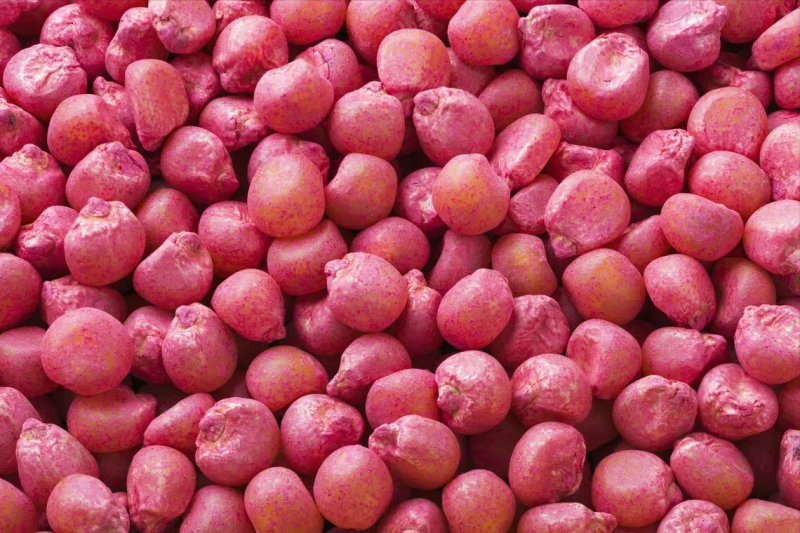
When buying seeds, they are purchased through formal channels, choosing new corn seeds that are strong, high-purity, well-satisfied and packaged, avoiding the use of corn。
Fertilizing the whole area
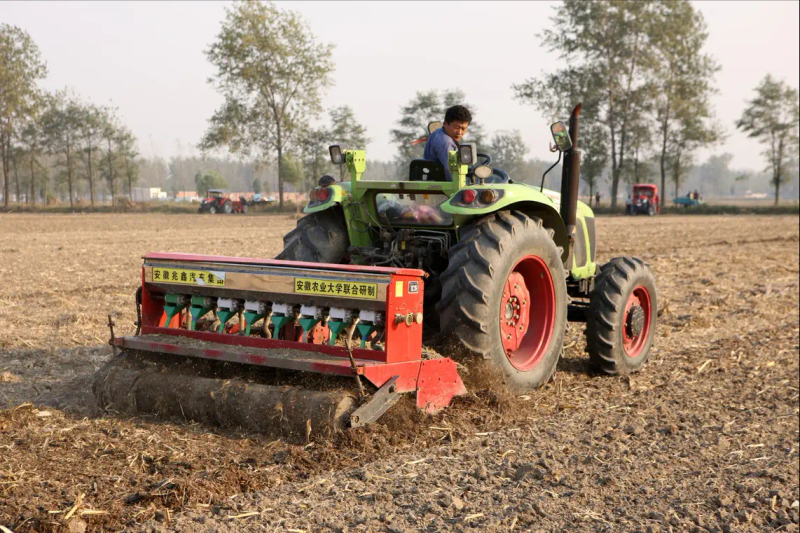
It is essential that corn be fully fertilized before seeding. Corn, although infertile, is a fertile crop, especially spring maize, which is long-lived and should be better fed. The application of fertilizers should be balanced to the extent possible if conditions so warrant。
At present, as the land continues to flow, many large growers prefer “one round” fertilization, which is not desirable in terms of the effects of cultivation and is recommended for phased fertilization。
Spring maize fertilisation should be based primarily on base fat, supported by fatting. For large-scale growers, the application of organic fertilizers is low or non-organic due to conditions. In order to upgrade the organic matter in the soil, promote the reproduction of microorganisms, improve the physico-chemical nature and microbial activity of the soil, additional application of organic fertilisation is recommended where conditions permit。
For the application of fertilizers, all potassium phosphorus fertilizer should be used as base fertilizer, half of nitrogen fertilizer should be used as base fertilizer, and half of nitrogen fertilizer should be used as chaser. The total application of the recommended base weights was 45 per cent per acre, 40 kg of three-dollar composite fertilizer for nitrogen, phosphorus and potassium, around 25-10-10, and 2 kg of composite trace element fertilizer。
Organic and chemical fertilizers can be combined and applied evenly, and then fertilized at depths above 20 cm in order to be farmed and razed in time to lay the foundation for the smooth seeding of spring corn。
The seeding of spring corn
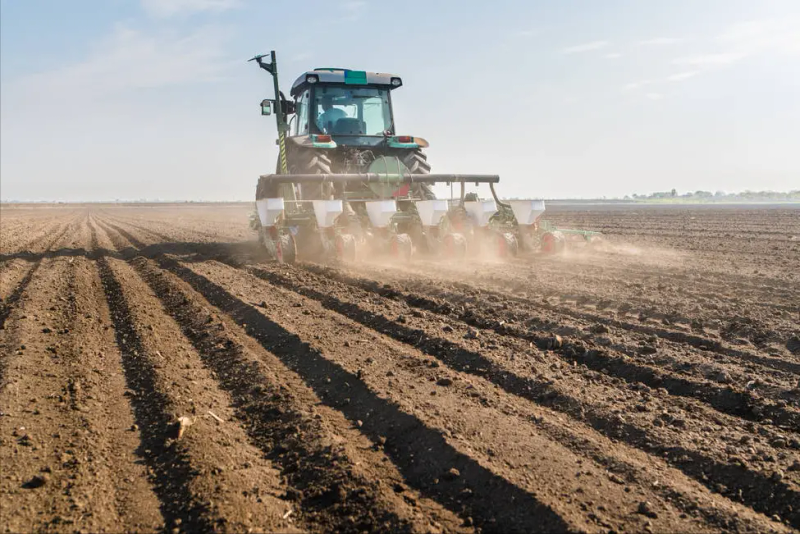
The increase in the quality of maize seedling is a prerequisite for a well-slept, well-slept and strong cropping, given the low temperature and the low temperature of seed seeding。
1. Sowing time
The country's spring maize cultivation is extensive, with different climatic conditions and large differences in the planting period. In theory, the principle of sowing is that the temperature of 5-10 cm is stable above 10°c. However, there is a problem of later planting in parts of the region, such as the north-east, when the dogmas are planted. Therefore, farmers ' friends may be able to broadcast early, depending on local realities and the planting times of previous years, to facilitate the accumulation of temperature。
Depth and density of seeding
The depth of seeding is one of the important factors affecting seed seed production, and the depth of spring maize seeding is suggested to be between 4 and 6 cm. Seed density is determined on the basis of species characteristics, soil fertility and management levels, and the planting density of spring maize is not too high, otherwise the spread of the disease is exacerbated by high temperatures in the summer。
3. Cultivation after seeding
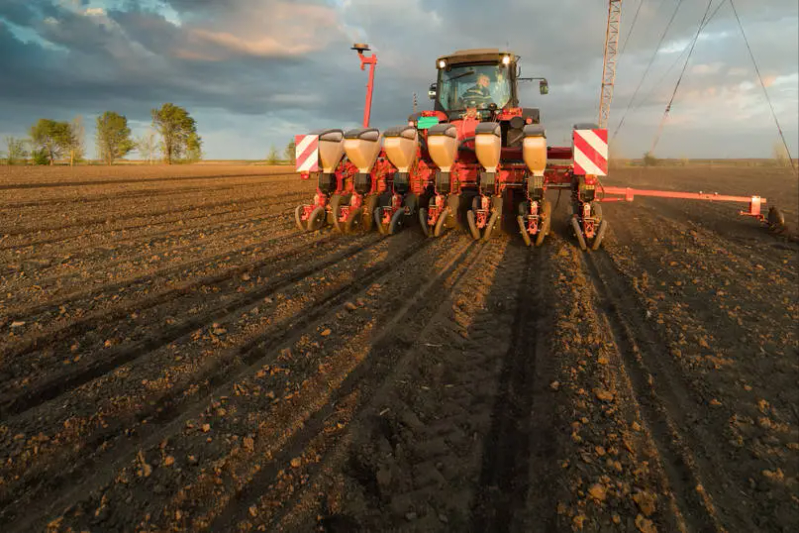
Because of the relatively strict water requirements of the seeding of maize and the fact that most of the northern part of the country is dry in the spring, the conditions for planting can be followed by the planting of water along a ditch, which can be filled with water, but not throughout the field, which can easily cause the temperature to fall and affect seed seed production。
4. Chemical weeding
With rising temperatures, maize fields are prone to weeding, and to avoid competition for nutrients from weeds and maize seedlings, herbicides should be sprayed once they are able to enter the field. Herbicides may choose between acetamine, tungsten or a mixture of both, with the application being strictly in accordance with the specifications and not at will。
Long-term field management of maize
From maize seedlings to maturity, maize field management can be broadly divided into nursery field management, field management in the field in the field in the field in the field in the field in the field and field management in the field in the field in the field in the form of flowers。
1. Maize field management
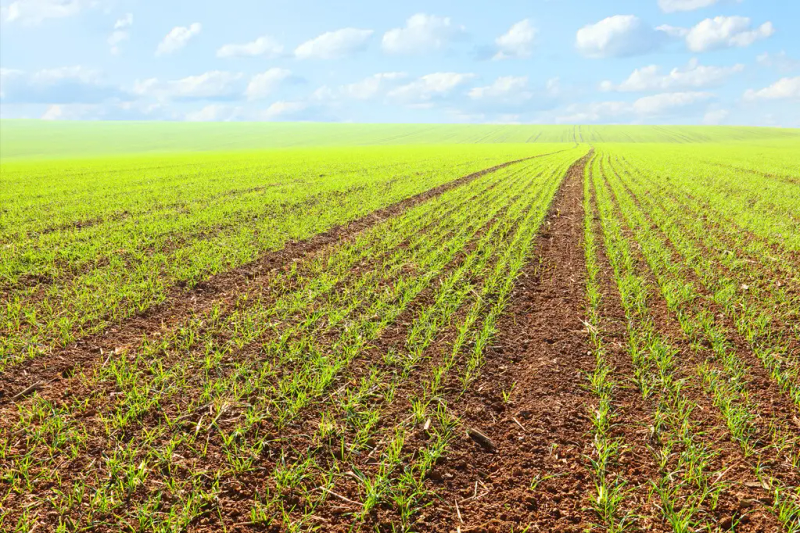
The period between seedlings and grafts of maize is 30 to 40 days, and the good growth and bad growth of spring corn has a direct impact on the formation of organs and on later nutritional and reproductive growth, so management should not be neglected。
Control the water
In order for the plant to grow stronger, proper seedlings should be carried out during the nursery period. Since spring maize seedlings are cold-resistant, they are not watered after planting to promote the growth and development of seedlings and to prevent the emergence of tremors。
Pest management in the nursery age
The most common disease in maize seedlings is coarse maize disease, which is a form of corn virus, transmitted by grey lice, which, in addition to choosing anti-virus varieties, should be produced with as much control as possible. Field weeds should be removed in a timely manner in order to reduce the mobility space for grey lice. When the number of cornworms in the field reaches 110, medications are provided, with the choice of aphids, aqualone, rapid defusing, ipravies, etc. If coarse ailments of spring corn are detected during the sapling season, they are immediately removed and sprayed with 40% hydrochloric acid and 500 times the solution of copper acetate to control the spread of the disease。
2. Field management for corn oscillations
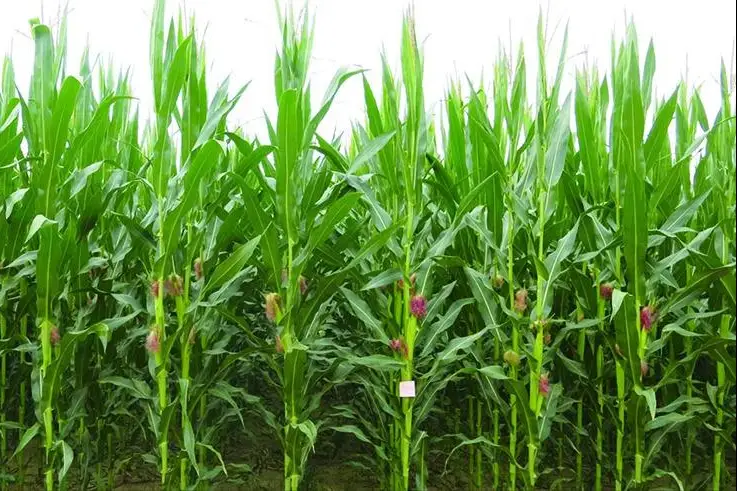
The corn luminous period refers to a period of around 30 days between the rise of maize and the smoking of males, which is the most productive period of maize life in the long term and an important stage of development. In terms of nutritional growth, root leaf growth is highest and reproductive growth is an important period in determining the number of females, so it is important to focus on the management of this period。
It's important to get in here
As the temperature rises, maize growth increases rapidly and the demand for nutrients increases, leading to re-fertilization. The application of ear fat is dominated by fast-acting nitrogen fertilizer and can be applied to urea from 8 to 10 kg or ammonium carbonate from 20 to 25 kg per acre during the best period of pursuit。
Water in time
Not only is there more nutrients absorbed during the swirling period, but there is also a higher demand for moisture, which should be combined with the pursuit of siphon fattening, which should promote the absorption of fertilizers while providing sufficient moisture for the growth of the plant, and which should be watered to the top floors of the soil system。
Pest control
It was the height of the maize crisis, and it was usually the beginning of the corneas. In the meantime, the maize heart leaves should be closely observed and, when a 10 per cent heart leaf is found to be incorruptible, medicines should be used in a timely manner. It can be plattered with fine sand and spread inside the horn。
3. Field management for maize pellets
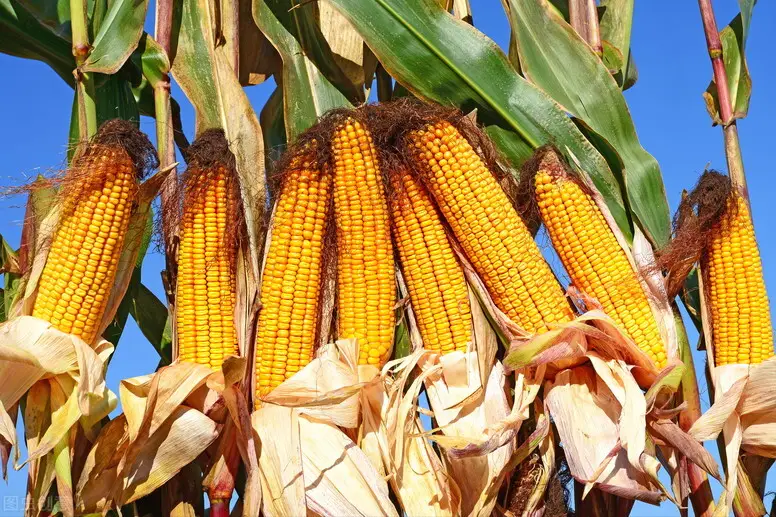
The cropping period for maize refers to a period of approximately 50 days during which the cropping period for spring maize usually takes place between the time of the male and maturity。
Fertilizer management
Pneumatic periods are a critical period for production formation and demand for hydro-fertilizer is high, with “particle fats” to be applied once before and after the flowering of male ears, with urea of 15-20 kg or ammonium carbonate of 3040 kg per acre. In addition to the supply of nutrients, there is a need to ensure rational water supply in order to maintain the area of green leaves, to facilitate the transfer of nutrients from nutrients to seed grains, and to enhance irrigation in arid areas with low rainfall. Corn, although in high demand, is not resistant to flooding and should be discharged in time for heavy rains。
Pest control
Corn plume periods are periods of high morbidity, during which the main pests are maize troubles, sticky worms and black powder。
Corn distress: when the number of insects in the field reaches 80, the drug is administered, and 80% of the trichlorfon wettable powder drops of 800 liquid droplets are used on top of the female, with 10-15 ml per corn。
(b) sticky pests: the pests are endangered by the larvae for the corn leaf, the leaves that are bitten by the sticky worms are badly engraved, the sticky worms tend to eat all the leaves at large, leaving only the light poles, and the corn ears that are extracted will be bitten off. Drugs such as larvae, trichlorfon and bromocythylene cream are selected for treatment when the number of strains reaches 50。
Black powder: corn powder is a endemic fungal disease with a suitable temperature of 20-26°c for the spasm, which is more severe than summer corn because of the temperature of the spring corn plume period. After the plant has been injured, the strain is to be removed and buried deep outside the field before the tumor is punctured, in order to prevent the fungus from falling into the soil, which poses a risk to the next plant。
In the process of growing maize, although field management is relatively simple, it is also subject to targeted management, depending on its growth characteristics, during different periods of growth, in order to achieve better yields and thus better returns。