Rice is an important food crop in my city, and its green and efficient production is important for boosting farmers ' incomes and industrial revitalization. In the face of the current increase in extreme weather conditions and rising production costs, and in order to guide the agricultural-related areas in securing key technologies for rice production, the objective of single-manufacturing upgrading has been steadily achieved, focusing on such key measures as high-yield quality varieties, green-efficient technology integration and protection against erosion, as well as on the sound and deep integration of good varieties, green high-yield quality and high-quality synergistic development, with the goal of “billery, quality and efficiency gains”。
I. Equipment of sustainable weapons and strengthening the base of results
The principle of “high-yield, high-quality mix, tailor-made layout” is upheld, and preference is given to high-yield, high-quality and counter-reversible varieties. High-yielding species promote “zinhara 89” “sinna 22” and, in particular, salinized plots give priority to “zinhara 89”; the promotion of “zinhara 99” “gold rice 939” etc., to facilitate industrial development; wheat paddy recommends “tien yu 619” “zinhara 53”; and rice cultivation selects “zinzu 3”。
Ii. Cultivation at a suitable stage and capture of high-yield technology
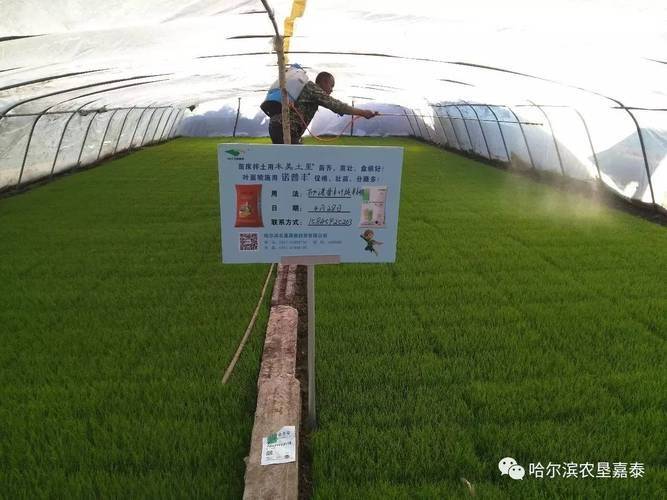
Plantation in time to reduce the adverse effects of early and late temperatures on rice growth. After the festival, when the weather is stable, planting is carried out with the dual treatment of “impregnated + wrapping”. In the case of impregnation, 17 per cent of the impregnable acne-wettable powders are selected, and 10 per cent of the coatings are coated with coatings of accrete-e-screasyl. After 10 may, when temperatures stabilized at more than 15°c, they began to implode. Premature incubation and the avoidance of high temperatures and humidity during paddy sprawl have led to a decrease in pollen activity and a reduction in yield rates. Expand the scale of intensive breeding, promote standardized management, develop strong seedlings, reduce the impact of extreme weather on breeding, and improve the safety and efficiency of breeding。
Iii. Rationalizing the production of fertilizers to achieve efficiency gains in greening
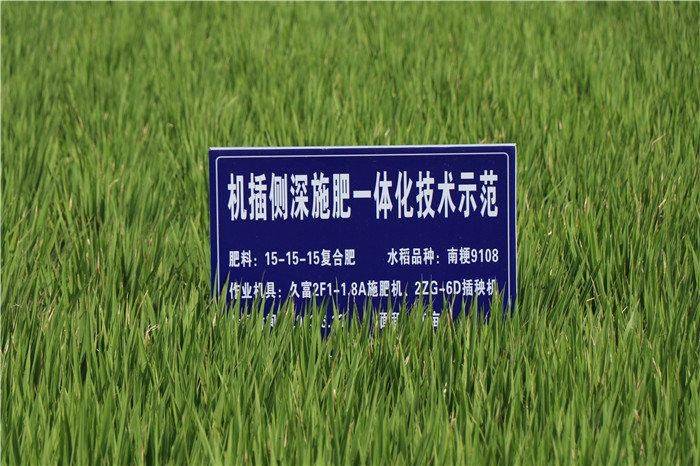
(i) scientific fertilization techniques. The total amount of high-yielding rice field acres for urea does not exceed 25 kg and the quality rice does not exceed 17. 5 kg. It is recommended that the application of estuarine be advanced until mid-july and that urea be replaced with a 5-kg dose of potassium nitro fertilizer, which will improve the quality of rice and increase the resistance to invertebrates; and that the crab rice fields recommend an increase in organic fertilizer, a reduction in bottom fertilizer, a total of no more than 15 kilograms of urea, a single run-off of no more than 5 kilograms of urea and avoidance of hull periods。
(ii) technology for super-prior control. Take full advantage of changes in the water layer to achieve rice conservation and control with water. Maintaining shallow layers of water after plug-in to promote rice fragmentation and to establish a good starting group structure; and stopping drying during periods of boom in the fields from 7 to 10 days, the control of ineffective fractions increases the use of fertilizers; when extreme temperatures are experienced in the middle and later stages of childbirth, the water layer deepens to 8 to 10 centimetres, with the conditions for implementation of “drinking night and day” to keep the water warm. In the pre-harvest period, the slurry is maintained in deeper water, promoting rice slurry, using intermittent irrigation at the mid-term and later stages to protect against premature decay; and in the pre-harvest period, water is cut off approximately seven days before the harvest, avoiding premature water disruptions affecting the slurry and reducing rice production。
Iv. Scientific computer responsibility
Rice is controlled from the peak to the top, with 20 grams of more than 25% irradiable powder per acre, twice a week apart, reducing the length of the base section, increasing the resistance of the plant to incubation, establishing an efficient group structure and laying the foundation for higher output at a later stage。
V. Timely pest control and safety of production
(c) strengthen the prevention and treatment of diseases such as pests and diseases, dioxins and tattoos. Plasmodium disease is treated with pre-plant seeds and is recommended for the planting of kafow coats; “love” techniques are recommended for green control and 10% cycloplyflamide are selected for pharmaceutical use; high-temperature, high-wet weather is focused on anti-tracker disease, and the use of drugs such as pyroacamides and igonin ispt。
Vi. Enhanced lateral management to ensure the return of particles
Spraying of leaf-faced fats once in each of the silhouette periods promotes the accumulation of photolytic products, prevents the early decay of plants and increases the yield and weight of thousands of grains. At the same time, close attention is being paid to weather changes to ensure timely harvests during the appropriate harvest period and to avoid crop cuts。