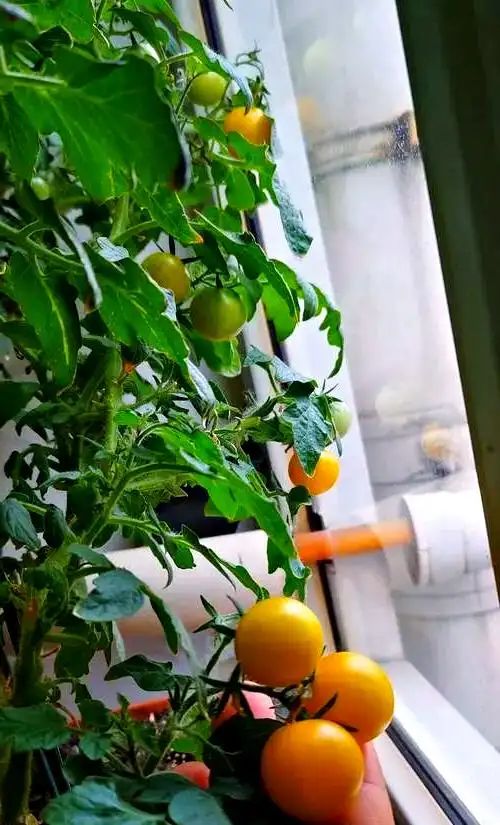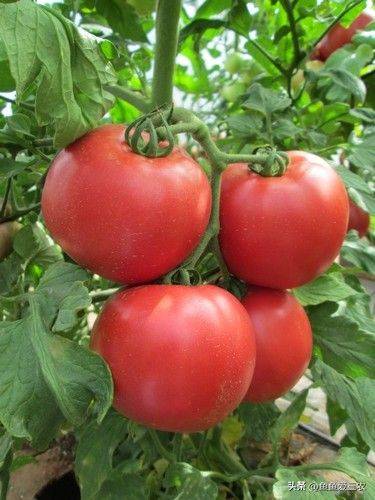
Tomatoes are growing, water fertilization is far from sufficient, forklifts are not in place, twigs are long, flowering is low, they have small results, they are very sick, and they are hard to harvest for a season. Many grow new ones without cutting their branches and feel that the more they produce, the more they do, the worse. The core of the cuttings is the removal of the ineffective side branches, the concentration of nutrients for the provision of flowers, the improvement of ventilation and the fundamental improvement of the seating and fruit quality。
The following is a combination of home-grown, field-planted, practical and operational cases, with easy access to the zero base。
I. Disaggregation of tomato varieties and selection of the whole branch (core first step)
Tomatoes are of unlimited and limited growth type, and the two varieties are cut in a completely different way, resulting in a significant reduction in production by mistake, with the following:
1. Infinite growth (mainstream varieties: large tomatoes, holy fruit)
Characteristics: plantation continues to grow upwards, with flowering results, long-lived and high yields, and is common in large sheds, field floors and basins。
Recommended whole method: single-scale method (first choice, high yield)
2. Limited growth type (self-capable species)
Characteristics: long enough to have a certain degree of automatic capping, resulting in concentrated, prematured, suitable for pelvis and small area cultivation。
Recommended whole: double-dry-dry-dry-dry-dry-dry-dry-dry-dry
Ii. Core general principle of forklifting (no pitting)
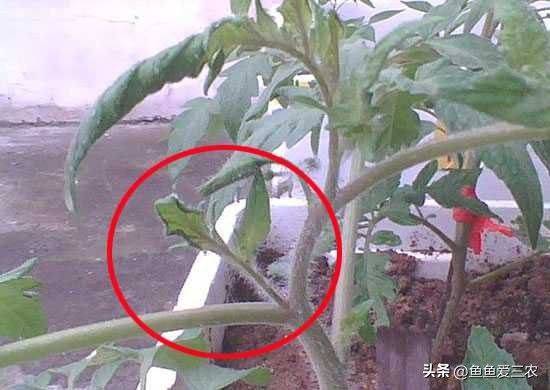
1. Timing is accurate: the branch is best operated when it grows to 5-7 cm (finger length), it is too early to fail, it stimulates more sprouts, it consumes large amounts of nutrients too late and it affects the growth of the branch。
2. The weather is sarcastic: it must be done in the morning, with light on its feet, high temperature, quick healing of the wounds and the avoidance of disease and decay in the rain。
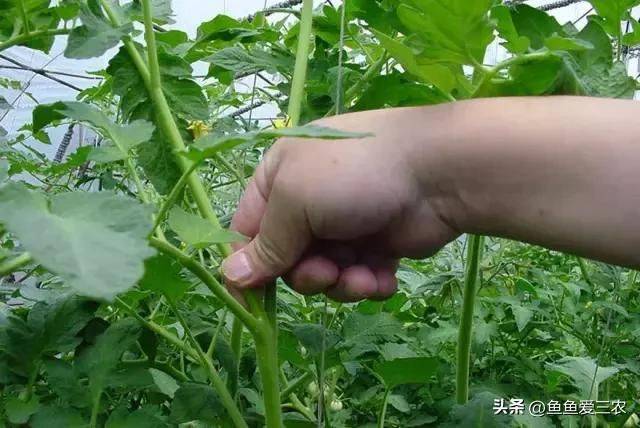
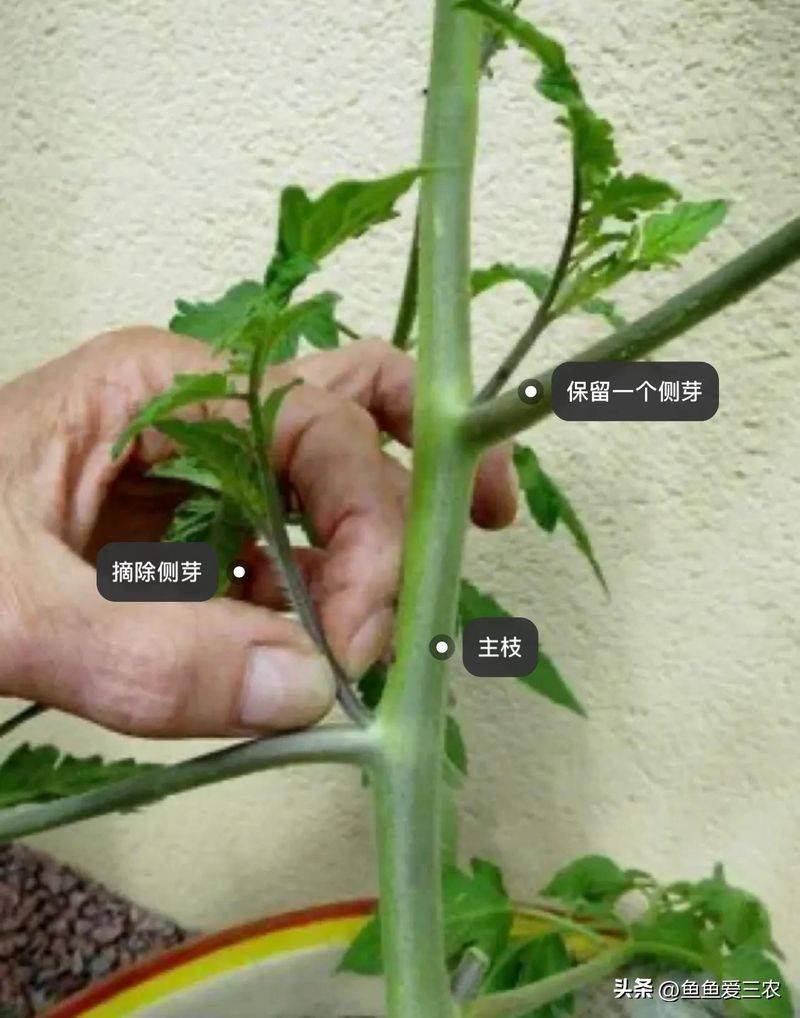
3. Be correct: priority should be given to hand-lapse, squeezing the side branch's foundations in the direction of growth, and the wounds should be light and healing; the side branches should be heavily sterilized by scissors, which should be pre-sterilized with alcohol or grass ash to avoid cross-infection。
4. Maintenance of the main branch: a small stake of about 1 cm at the end of the side branch's base, with no point in breaking the main branch, preventing damage to the main branch's cortex and blocking the transport of nutrients。
5. Gradual: no more than three leaf/side branches per cut, avoiding one-time over-heavy cuts, affecting the planting of light co-operation。
Iii. Two practical whole-of-the-art approaches + practical cases
(i) single-dry whole (infinite exclusive growth, case: family potted tomato)
Method of operation
Only one of them is retained, and all of the sprouts and branches of the armpits on the main one are removed in a timely manner; after leaving behind the 6-8 nuts, two leaves are removed from the top, preventing the plant from continuing to grow and concentrating on the growth of its nutrients。
Exercise cases
The shandong farmer wang, who planted three large powdered tomatoes with no fork in the previous period, grew into an “octopus” with thick leaves but with only three bouquets of flowers and a large number of flowers。
The following is a single piece:
1. After 30 days of planting, the side branch grew to about 6 centimetres and began to break. Except all branches on the main truncheon, and only the main truncheon
2. For each of the two saplings, clean up the next breech and leave no extra branches throughout the journey
3. When the main man grows to eight ears, the top heart breaks and the bottom is cut with yellow leaves
At the end of the day, each was about 12 pounds, and the fruit was flat and non-modified, two times more than the output of uncut branches。
Apply scene
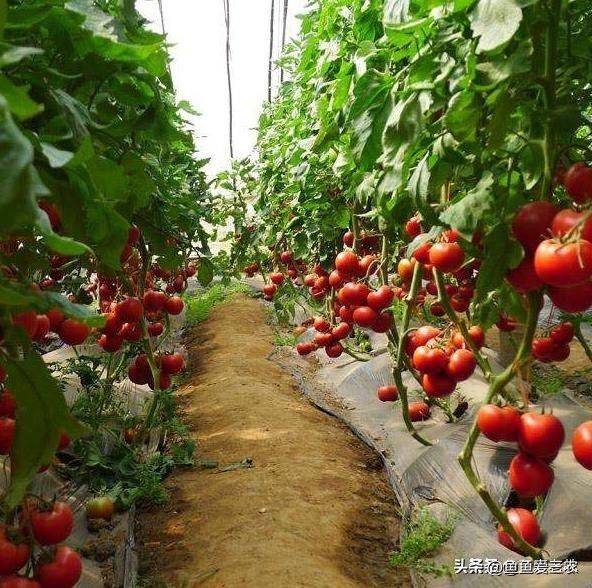
The planting of large huts, family pellets and the pursuit of high-quality planting grounds for high-quality fruit are well-ventilated, nutrients are highly concentrated and fruits mature early。
(ii) double-dry whole branch (limited-growth exclusive, case: field tomatoes)
Method of operation
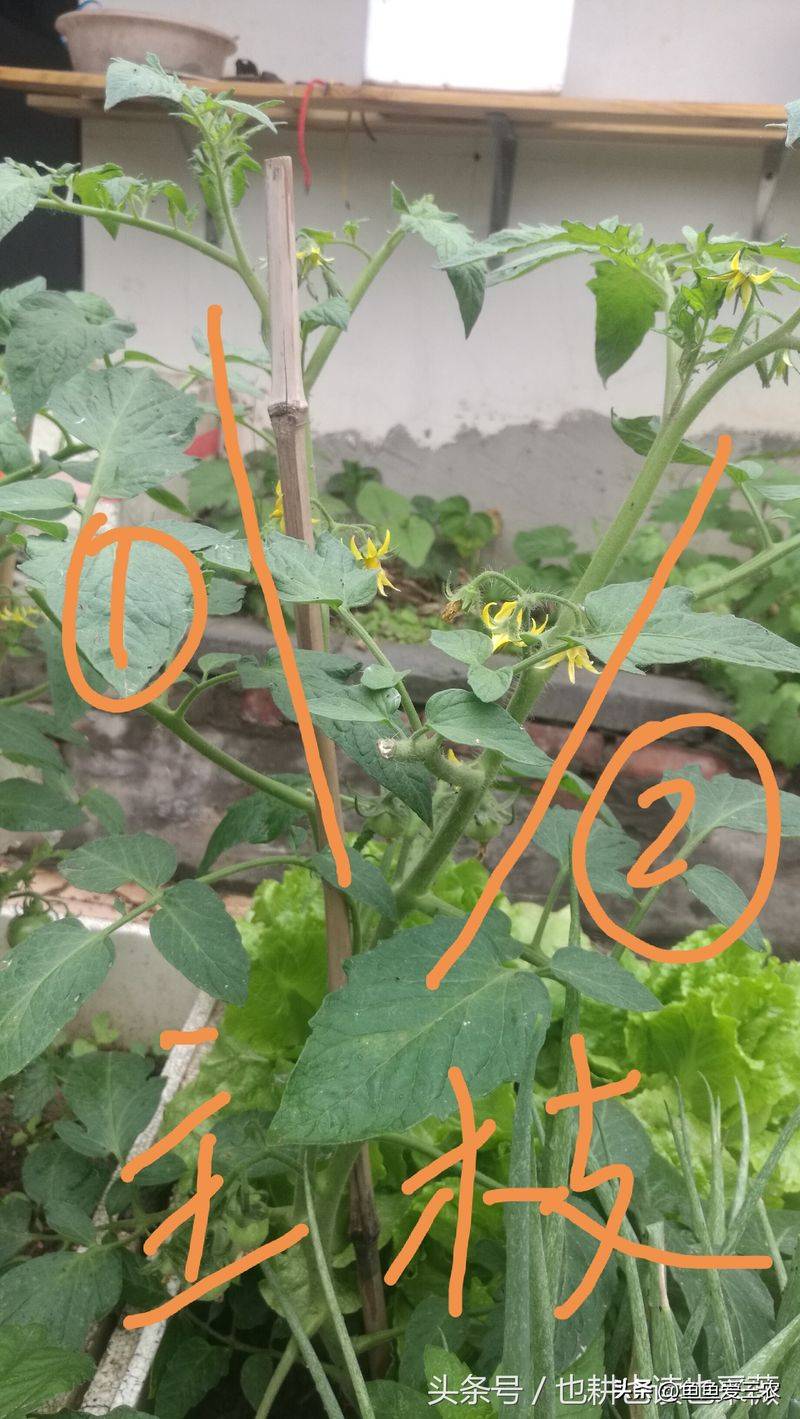
Keep the main tuber plus the strongest branch under the first bouquet (the second branch), and form two branches of result, all the remaining branches and sprouts. Apart from this; each of the two principals leaves behind three to four nuts and then cleans up the new sprouts and the old leaves in a timely manner。
Exercise cases
Henan zhou zhou, a farmer and aunt lee, grew two acres of her own tomatoes in the open, leaving her with a small amount of disease and small fruit。
Changed to a double branch:
1. A 25-day plant with a plant of up to seven leafs, with the selection of the main tuber and the strongest side branch under the first bouquet, and the rest of the side branch being completely cleaned
2. Co-growth of the two mains, periodic removal of abrasions and the removal of the lower leaves from the fruit
3. Four nuts per head to avoid the waste of nutrients
The acre production exceeded 8,000 pounds, the fruits were high in sweetness and good in merchandise, and pests were significantly reduced。
Apply scene
In the open fields, medium and evening varieties, high-yielding planting landscapes, with the result that both branches are more resistant to inversion and disease。
Iv. Medium- and late-term cutting techniques (key to improved production)
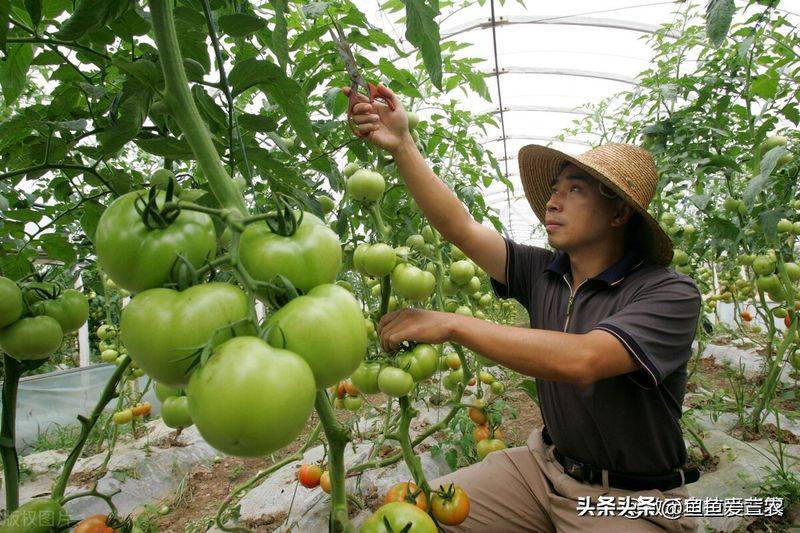
Beating old leaves: when the first fruit begins to turn, all the old, yellow and sick leaves below the fruit are removed, the field is radiant, the disease is reduced and the fruit is coloured。
2. Cardiac control: in the later stages of the outcome, it is timely to take care of the branches of the results, to avoid the continued growth of the plant, to expand the whole nutrient supply and prevent the fallout。
3. Elimination of ineffectual sprouts: a sustained focus on plant planting during the outcome period, and the discovery of new euphemisms are immediately eliminated, and no branches are left to avoid diversion。
V. Points for conservation after cutting
1. No water, no fertilisation on the same day to heal the wounds with sufficient dryness
2. Large wounds can be painted with grass ash or sprayed with bacterium sprouts to prevent bacterial infection
3. Arrange, bind and plant in a timely manner to prevent the branches from being broken
4. Post-fertilization reduces nitrogen fertilizer, increases phosphorus potassium fertilizer, promotes fruit growth and avoids plant long。
Vi. Common error alarms for beginners
1. Erection 1: the more the branches, the better the leaves, the more the nutrients, the less the result and the more the disease is
2. Misdirection 2: infected by a cutter in a rainy day, scavenging by dead seed
3. Erection 3: the damage to the main branch, which affects the transportation of nutrients, as it is attached to the main branch
4. Erection 4: a single cut of the old leaves is not sufficiently co-operative and the fruit expands slowly。
To grow tomatoes, cutting is the wisdom of “offsets” and to cut the extra branches decisively in order to be able to reap the fruits. Whether it's a plant or a field, it's a plant-to-plant approach, and it's a strict control of timing and techniques