Hello, i'm a small farmer, and i'm happy to share some relevant knowledge. What we're sharing today is what's right for us to grow after autumn? In particular, residents grow their own food. After autumn, eight types of vegetables could be grown and managed easily, and the farmers should not miss the harvest in november。
Just after the autumn, the heat of the weather has not diminished. It is difficult to grow vegetables in such a hot weather, but some vegetables are still available and must be grown, because it is too late to grow open vegetables after autumn. So which vegetables can be grown? Let's see。
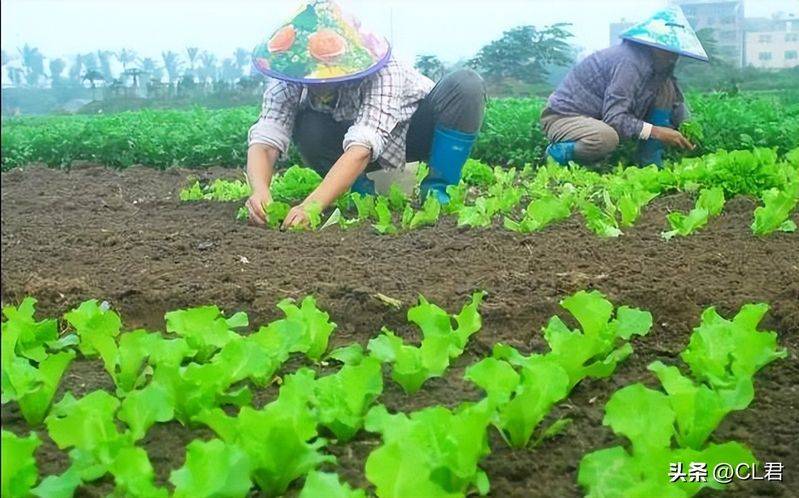
8 vegetable cultivation and management methods
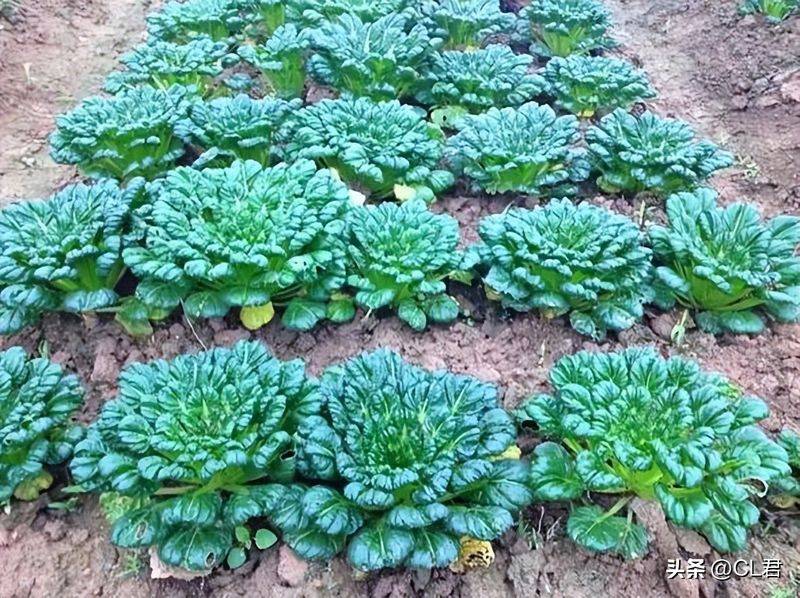
1. Crushed vegetables
Crushed vegetables, which we often call veggies, are most common in the south, in kunming, shanghai and jiangsu. Collapse is a “variant species” of cabbage and oilseeds, and ink green leaves are so fat that they can boil soup and be nutritious。
Collapse is a type of cold-resistant product with a suitable temperature of between 10 and 25 degrees and can grow at low temperatures, albeit slowly. The planting time can therefore be chosen for half a month after the fall, so that 30 days will allow the normal growth of an open-air sapling seedling. Then 40 days later, the harvest will be normal before november。
(a) management methods for the cultivation of ostrich vegetables: firstly, the whole area is fertilized, based on farm fat, deep tilling, grounding, 1. 8 metres wide. Second, seeding, using either a strip or a cave can be broadcast, which requires seedlings, often 5 cm for cultivation, planting and 1 cm for cover. Thirdly, water fertilization, especially when 6-7 leaves of seedlings begin to be watered with manure, or with a small number of nitrogen fertilizers, followed by water. As the seedlings grow up, the fat water is constantly increased, accompanied by plowing of pine soil. Finally, 70 days later, just wait for the pick。
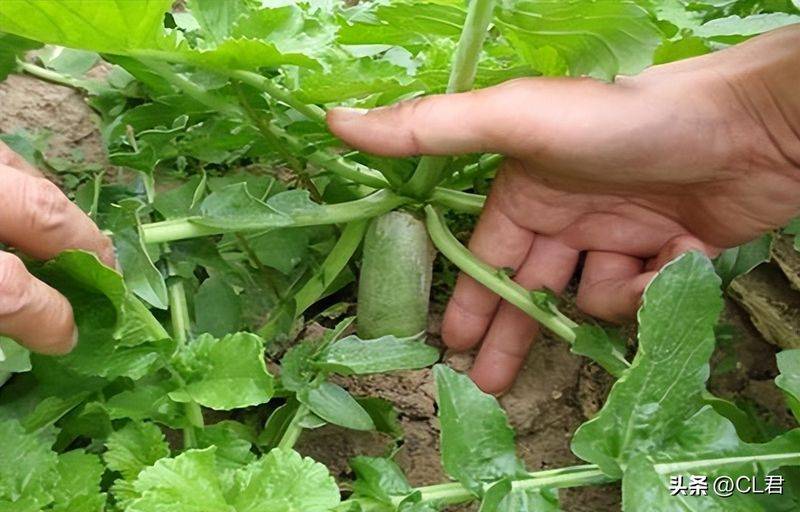
Two, carrots
Autumn radish cultivation is mostly in northern and north-western china, with the timing chosen for early august, just after the fall. Recording is suitable for growing at 15-20 degrees and is semi-cool-resistant, at which point the radish planted will be collected in early november。
The method of management of radish cultivation: first, it is the choice of ground to be fertilized in such a way that it is suitable for sand land; then it is the choice of deep-tilled land to decompress the soil; it is the addition of decomposed farming households to be fertilized in such a way that it is applied in broad, 65 centimetres, high by 11 centimetres, in a single row. Second, it is best to sow radish seeds, especially large radishs, with water and seeding at a distance of 40 and 50, covering two centimetres of earth. Third, when seedlings are produced, water is replenished in a timely manner, soil is kept wet, water is poured with fertilization, and weeding is ploughed in a timely manner to maintain the respiration of the soil. Finally, wait 50 days for harvest。
3. Cabbage
Autumn cabbage tends to be grown in mid-august-september, and just after the fall, the north chose mid-august, and the south chose early september, when the choice consisted of 55 days of pre-cooked varieties, with yellow-heart cabbage weighing 4-5 pounds。
Since cabbage is a vegetable that is both hot and cold, adapted to temperatures between 17 and 22 degrees, high-temperature squirt and slow-growing, open-air cultivation has chosen to begin planting in mid-august。
The method of management of cabbage cultivation: first, the whole area is fertilized, the acre is fertilized by 2,000 kg of decomposition farm fat, plus 60 kg of compound fat, and then water is poured, tumbled, sowing three seeds per cave. Second, a seedling is sufficient to keep a seedling, and weeding is done three times. Once again, water is being poured in pursuit of fattening and 30 kg of compound fat is being used as a criterion for fatting, accompanied by watering. Finally, just wait for the harvest period. Note: collected by december to prevent too low temperatures and cold cabbage。
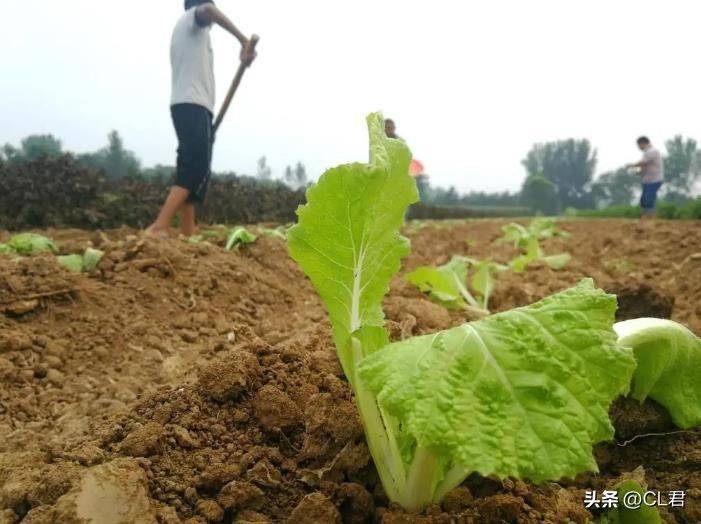
4 spinach
Autumn spinach cultivation time has come again, starting in mid-august and starting in less than two months. Spinachs are suitable for growth temperatures of 20-25 degrees, and sun-rich vegetables, which are not resistant to high temperatures or low temperatures, are well suited for current cultivation。
The spinach crop management method: first of all, it should be made whole, organic fattening used as the bottom fertilizer, and just 1. 2 metres wide. Second, bubble seed sowing is seeding and planting, ensuring that seeds are fertilized and that an acre can sow 3 kg. Seeds are fertilized with a layer of grass and ash. Thirdly, when a seedling is produced, it will be possible to water the thin water, and then the two real leaves will increase the concentration of the fat water and gain weight three times. Finally, beware of pests and pests, and spray grass and grey water until harvest。
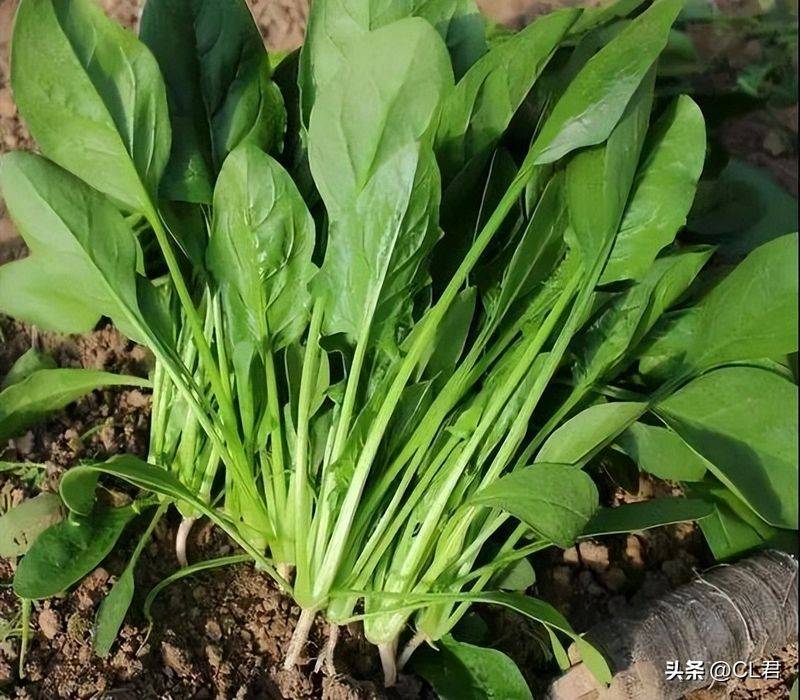
5. Champagne
The cuisine is what we used to say. It is a low-temperature vegetable whose most appropriate temperature is 17-20 degrees, with no soil, with a wide area under cultivation and with a growth cycle of about 45 days, and is well suited for planting at this time。
• cultivation management methods: it is easier to grow cigarettes in a simple way, usually with a choice of better drained land, up to 20 centimetres of soil, adding farm fat to the bottom and compound fat to the base; then to make tycoon, 1. 5 metres wide and 20 metres high, and then to sow. Don't pour too much water when the cuisine comes out. Waiting for 10 centimetres to increase the number of waterings and applying nitrogen fertilizers twice, paying attention to weeding and shade-covering in the middle to ensure that the seedlings are uniform。
It is also possible at this time to plant small celery in the same way as can be found in fragrance。
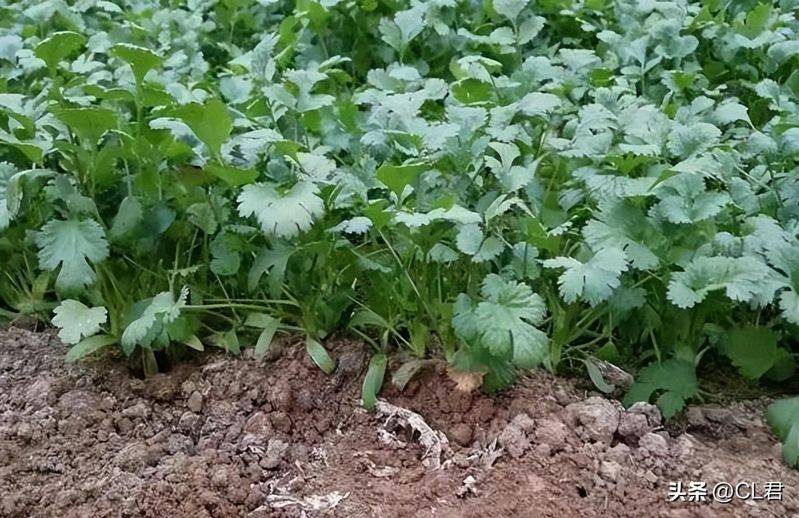
6. Artemisium
Artemisin, a vegetable with a shorter growing cycle, is normally harvested for 40 days, with growth temperatures of 18 to 22 degrees, and is suitable for planting in august-september in the autumn。
Artemisynthesis management methods: first, whole-land fertilization, farm fat and compound fat, deep grounding and flatting; then seed planting, 1 centimetre of soil. Second, the seedlings are treated in a timely manner and water is fertilized, with an additional six months of fatting, and potassium fat and urea dominated. Finally, just wait 40 days for the harvest。
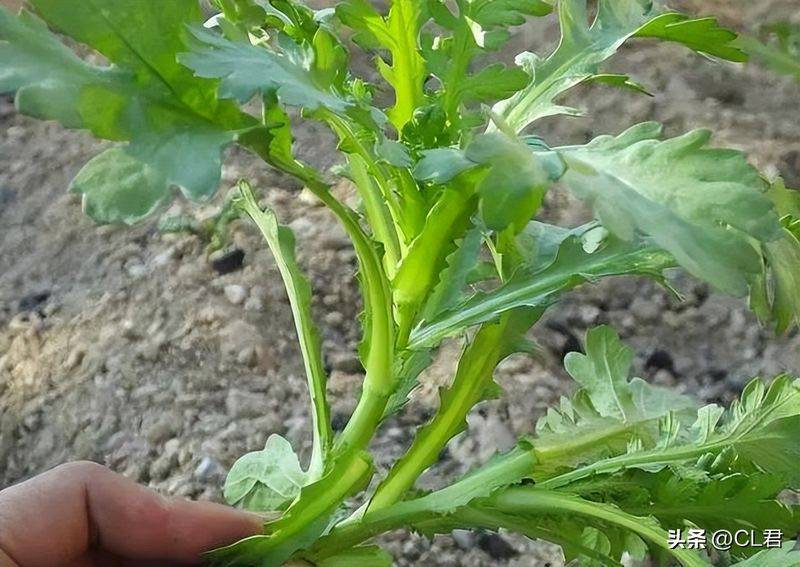
In any case, it is important to choose the timing of planting after autumn, not sooner or later, and to choose the suitable planting of vegetables after autumn according to their land and environment. Of course, in addition to the more than a few vegetables, such as four-season beans, and vegetables such as garlic, can be grown。
All right, here's the little knowledge of vegetable growing that we've shared today. Interested vegetable farmers don't miss, try to grow, manage, and harvest quickly. What else do you think you can grow after autumn