At present, global organic agriculture is developing rapidly, increasing the area of organic land from 11 million hectares in 1999 to 57. 8 million hectares in 2016. As the third largest agricultural producer in the eu and the third largest exporter of agricultural products in the world, germany has the second highest production of cereals, beets, oil crops and livestock products in the eu, with the highest exports of sugar, cheese, pork and agricultural technology in the world. As early as the 1960s, germany began to advocate the development of organic agriculture, which is now the largest market for organic agricultural products in the eu and the second largest global market for organic agricultural consumption after the united states. This paper explores the inspiration and policy recommendations for the promotion of organic agriculture in china by analysing the current state of organic agriculture development in germany, policy measures and problems。
Status of organic agriculture development and policy measures in germany
Statistics from the german ministry of food and agriculture show that organic agriculture in germany accounted for 1. 25 million hectares in 2016, representing 7. 5 per cent of the agricultural land and 9. 9 per cent of the total farm. Organic agriculture in germany has the following main characteristics. One is the fact that most german organic farms participate in ifoam and implement higher production standards than eu standards. Second, the productivity of organic agriculture is significantly higher than that of conventional agriculture, with an average annual income of euro28,700 per labour force per german organic farm between 2016 and 2017, which is euro10,800 or 38 per cent higher than that of the traditional farm. Third, organic agriculture in germany follows the concept of harmony between human beings and nature, considering organic farms as an organic whole of humans, plant communities, animal communities and soil, reflecting both the need for safe agricultural products and the protection of animal welfare. Fourthly, the development of organic agriculture in germany has created a good climate of trust between producers and consumers, and consumers have a good level of trust in organic products。
In order to strictly regulate organic standards and establish a credible organic agricultural production system, germany has put in place a number of policy measures to guarantee the development of the entire domestic organic agriculture industry. First, in addition to following eu standards on organic agriculture, germany has developed specific organic agriculture legislation and regulations based on national circumstances. On 15 july 2002, germany issued the federal act on action in organic agriculture, which includes the following rules: reporting responsibility, state entrustment to private inspection bodies, compulsory detection of consumption outside the home, penalties and fines. Second, specialized organic agriculture regulatory and regulatory bodies are established. The federal food and agriculture administration of the federal ministry of food and agriculture is the official state agency responsible for organic agriculture, established by the german federal agency for food and agriculture, and is responsible for the implementation of the eu organic agriculture act, which regulates 18 publicly approved private inspection bodies operating in the market. Third, focus on investment in agricultural science and technology. The core of organic agriculture in germany is the establishment and restoration of the biodiversity and virtuous circle of agro-ecosystems. In organic agricultural production systems, crop straw, animal excreta, legume crops, green fertilizers and organic waste are the main sources of soil fertility, and crop rotation and various physical, biological and ecological measures are the main means of controlling weeds and pests. Germany attaches great importance to the supporting role of agricultural science and technology in the development of organic agriculture, which makes full use of the latest achievements of modern science and technology and promotes organic agriculture. Finally, public funds have long supported organic farm construction and development. Under the organic agriculture action act and other forms of sustainable agriculture support policy, the government has earmarked euro16-30. 5 million annually, starting in 2002, to subsidize the loss of income of farmers due to the increased costs of organic farming and special management practices。
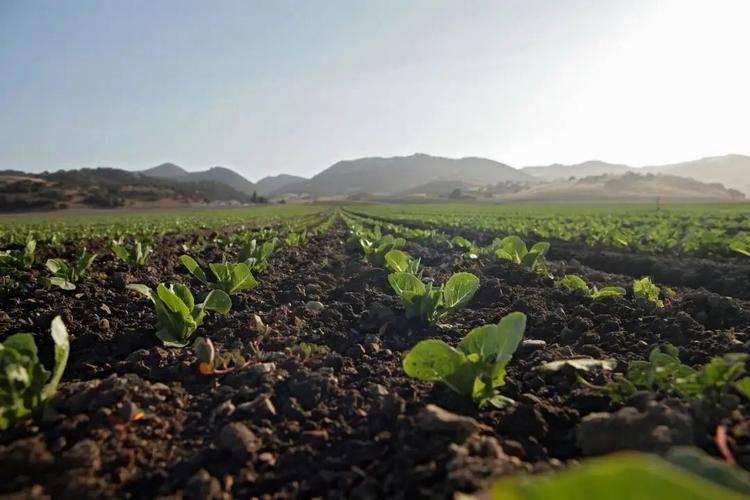
Policy inspiration for organic agriculture development in germany
A deep understanding of the concept of organic agricultural production is conducive to promoting high-quality agricultural development. The concept of organic agricultural production, which focuses on the harmonious development of humans, plant communities, animal communities and soils, is a resource-friendly and sustainable form of agricultural production and is an important source of inspiration for green agricultural development and sustainable rural development. Our agriculture has been mainstreamed in the production of traditional subsistence agricultural products, with low-quality organic products and lagging behind in the development of high-quality, diversified and specialized agricultural products. We must take advantage of the ample availability of agricultural products and vigorously pursue structural reforms on the agricultural supply side, using the productive concept of organic agriculture, transforming agricultural production and resource utilization, restoring ecology, improving the environment and filling the gap, promoting high-quality agricultural development and achieving green and sustainable agricultural development。
Adherence to market dominance contributes to improving the competitiveness of organic agriculture. As organic agriculture continues to develop, market competitiveness will increase and government subsidies will gradually decrease until they are withdrawn. By studying the development of organic agriculture in germany, it is first necessary to clarify the concept of organic agriculture, which is not necessarily a high-cost, high-input agriculture, but rather an agronomic method that achieves efficiency gains by optimizing production and reducing production costs while ensuring the quality of production of organic agricultural products. The productive potential of organic agriculture is exploited around policy institutions, market demand, production of products, profitability, etc. The size of our country is vast, and the demand for organic agricultural products and the patterns of cultivation vary. In the process of developing organic agriculture, which must not be blindly developed, it can be effectively promoted by taking full account of market demand, targeting specific groups of people, maintaining market orientation, helping organic farms to become more efficient or marketable, reducing production costs and increasing profit margins。
The quality of organic agricultural products is ensured by a sound organic agricultural regulatory system. The german regulatory system for organic agriculture is composed of independent, private monitoring bodies, which are subject to industry access approval and management by the government, and which are responsible for quality control operations and submit monitoring reports at least once a year. In accordance with the organic agriculture policy of the eu, the federal government of germany and the länder, monitoring bodies regularly and randomly conduct inspections of the entire process of size of organic farms, source of inputs, storage conditions, production records, etc. Regulatory systems, as an important component of policies to promote organic agriculture, play a vital role in safeguarding the healthy development of organic agriculture. In developing our organic agriculture policy, we need to take full advantage of the german experience, the decentralization of power, the leading role of the market, the full use of third-party institutions to regulate the production of organic agricultural products, the formation of a “government-third-party regulator-orientated farm” mutual oversight mechanism and the strict regulation of the quality of organic agricultural products。
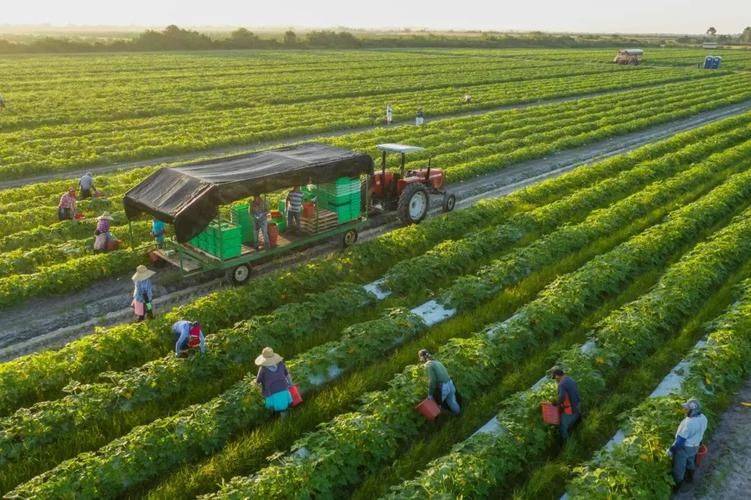
Organic agriculture is not an agricultural production method that totally excludes chemical inputs. Germany has access to a better market for organic agricultural products, which, on the one hand, is inextricably linked to sound policy regimes and, on the other hand, has better profitability than agricultural products in general. The concept of “organizing 3. 0” based on the realities of agricultural production, as proposed by the world alliance for organic agricultural movements, does not completely exclude chemical inputs but severely limits their use, time and dose. It is understood that organic growers, when selecting sources of organic fertilizer, must consider the size of the farm and that livestock excreta above a certain scale cannot be used as organic fertilizer. Our organic agriculture development is hampered in large part by the lack of profit-making space and the serious lack of competitiveness compared to green, non-hazardous agricultural products. Building on the german development experience, government departments should redefine organic agriculture and set strict standards for the whole process of organic agriculture, while at the same time easing the use of chemical inputs at certain critical and high-cost stages, thereby achieving basic efficiency gains and promoting the healthy development of organic agriculture。
Integrity systems are established to promote organic agriculture. German consumers have chosen to trust producers because the government's organic production policy is well structured and regulated and the majority of producers produce organic foods according to organic standards. This has resulted in a well-established, well-regulated and well-regulated chain of production-consumption of efficient organic products with the integrity of producers and the willingness of consumers. The absence of markets for organic agricultural products in our country is largely characterized by bad faith, inadequate systems, poorly regulated production processes, lack of consumer confidence in organic agricultural products and, naturally, no higher prices. The development of organic agriculture in the country requires the development of sound integrity systems, the development of sound institutional systems and the strengthening of process regulation, as well as increased awareness-raising and awareness-raising among consumers of organic products, thereby facilitating the voluntary selection of higher-priced and better-quality organic products by consumers。
Policy recommendations for the advancement of organic agriculture in our country
Develop a comprehensive organic agriculture promotion policy and improve laws and regulations. Our country should tailor its policies for integrated organic agriculture to cover both supply and demand aspects. Establishment of a producer-oriented system of policy support, financial subsidies for organic agricultural production, processing and certification, reduction of production costs for organic producers and provision of a sound production environment and policy guarantees. Encourage the conversion of conventional agriculture to organic agriculture and establish long-lasting support mechanisms for subsidies, thus attracting more conventional producers to organic agriculture. In the context of the development experience of the international organic alliance, innovative thinking, planning, market-driven and government-supported approaches to organic agricultural development in china, the regional industrial layout and support for further measures are needed to continuously refine and improve laws and regulations suitable for organic agricultural development in china。
Strengthening research and development and application of organic agricultural production technologies. The development of organic agriculture requires continuous innovation and application of organic agricultural production technologies. China's traditional agricultural farming techniques contain rich organic farming ideas and concepts, such as the importance attached to soil and water conservation, the emphasis on “the heavens, the earth, the human being” and the importance of “the excrement of the earth”. Thus, drawing on the experience of the development of organic agriculture in germany, it is necessary to revisit the relationship between agriculture and nature in china's conventional agricultural technologies and to establish a system of organic circular production that is consistent with china's own agricultural characteristics and organic farming philosophy. At the same time, the country is currently lagging behind in the development of organic agriculture-related technologies, with insufficient technological reserves and unresolved important technical problems in production, which severely hamper the development of organic agriculture. Therefore, the government should set up special funds to support research and innovation in organic agricultural production technologies, such as breeding, biological control, soil improvement, new types of biological pesticides and organic fertilizers, in universities and research institutes. In particular, the collective wisdom of organic production enterprises, organic product certification bodies and scientific research institutes should be fully exploited, so as to avoid monogamy, scientific disjointation, the rapid breakthrough of major technologies and equipment with autonomous intellectual property rights, the effective upgrading of production levels in organic agriculture and the encouragement of research institutions to enhance the transformation of results and direct service to organic agriculture, thus promoting the high-quality development of chinese organic agriculture。
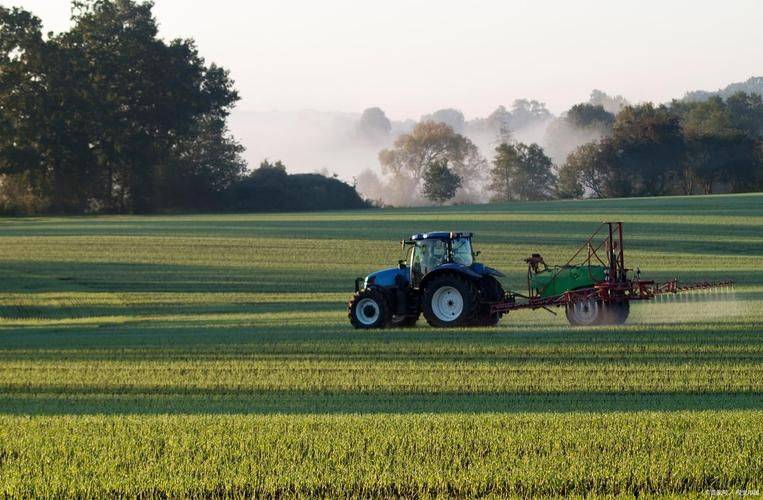
Innovative business models for organic agricultural production and active development of diversified organic agriculture. Active development of diversified organic agriculture, drawing on the german business model of organic agriculture. Insisting in the integrated development of the rural sector, combining organic agriculture with agro-processing and leisure agriculture, and promoting the deep integration of the internet with organic agriculture, with high-end order agriculture as the main source of business “internet + family farms + agribusiness + professional cooperatives + organic agriculture”. To encourage leading enterprises, farmers ' cooperatives, agricultural-related institutes and research institutes to form organic agriculture unions, and to support their members in their efforts to achieve information-sharing and complementarity of advantages through joint research and development, the industrialization of scientific and technological results, the sharing of brand names and the harmonization of business practices, and to continue to explore organic agricultural development models suitable for china。
To use our organic agricultural advantage to expand exports. Our development of organic foods is at an advanced stage of socialization, marketization and internationalization. The market environment is becoming better, market coverage is becoming wider, and organic foods have a certain competitive advantage in terms of quality standards and brand influence, are equipped with the technical conditions to expand exports, and have huge international markets with very broad prospects. The development of organic agriculture in our country should take advantage of this opportunity to take full advantage of its advantages, particularly with regard to the export of niche agricultural products, such as organic vegetables, fruits and aquatic products, by addressing the problems of unregulated governance mechanisms for organic trade exporting enterprises, the inadequate structure of organic food exports and the lack of innovative varieties, the inadequate system of organic food certification standards and the inadequacy of the current export system, the development of supportive policies for the provinces of organic exports, the strengthening of research and development and the application of new production technologies, the establishment of a sound legal and regulatory system, the acceleration of the harmonization of organic food certification with international standards, increased regulation, the improvement of the organization of organic agriculture in our country, the acceleration of the standardization of organic agricultural products, the reduction of production costs, and the enhancement of the international competitiveness of organic agricultural products in our country。
- strengthening awareness-raising and education on organic agriculture and building integrity systems. Whether organic, green or non-hazardous agricultural products are developed, consumer acceptance is crucial. What is lacking in our country is consumer confidence, especially in recent years when there have been vicious incidents such as “venomous milk powder” and “fake beef”, which have exacerbated the crisis of consumer confidence. The risk of loss of consumer confidence is one of the main challenges facing organic agriculture. This requires further improvement of the regulatory system, increased promotion of certification labels, increased traceability mechanisms for organic agricultural products, severe penalties for irregularities in production or false propaganda, the development of healthy, fair and transparent markets for organic products, and the establishment of good integrity systems. The german experience could be used to combine the production of quality agricultural products with tourism agriculture, to organize free visits by consumers to their production bases, to learn about the production process, to allow consumers to know themselves, to improve the credibility of quality agricultural products through consumer-to-consumer interaction, and to accelerate the creation of well-known brands. In addition, mechanisms for joint and several liability of organic product certification bodies and organic product inspectors could be established to strengthen the integrity education and regulation of organic product inspectors by certification bodies。
(by hwang bo, international exchange service centre, ministry of agriculture and rural affairs; and economic and trade institute, henan university of industry, li jieji; hu chi-chun, institute for agricultural economics and development, chinese academy of agricultural sciences)