01 changes in agricultural technology in europe
Rehabilitation and development of german agriculture
The 16th century peasant war and the subsequent three decades of war (1618-1648) have had a devastating impact on the german agricultural economy. During the war, the exploitation of the feudal masters intensified, putting farmers in a difficult position. Thirty years of war, on the other hand, have exacerbated the decline of agriculture, leaving the land desolate and the population significantly reduced. As a result of the war, germany's population was reduced by about one third, and parts of the country were even cut by more than half. Agricultural economic structures and infrastructure have been severely damaged, many cities, villages, factories and mines have been destroyed, and agricultural and industrial production levels have fallen back to the levels of the fifteenth century. It was not until the first half of the nineteenth century that german agriculture gradually recovered from the devastation。
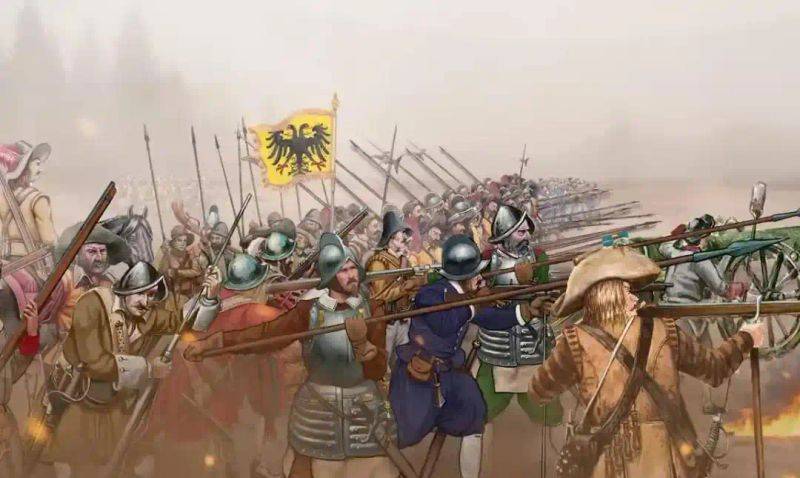
Thirty years of war have had a profound impact on german agriculture. Agricultural productivity has been severely affected by the shortage of labour and the loss of land resulting from the war. In the absence of winter feed, farmers have had to choose to kill their livestock early in the autumn and to preserve their meat through pickles or fumigation, a dilemma that has somewhat constrained livestock development, especially during the cold winter。
The introduction of artificial pastures
However, the introduction and widespread cultivation of the two “man-made grasses” — red flowers and thorium — provide strong support for the winterization of livestock. Enrichment in germany began around 1750, providing not only abundant nutrition, but also essential feed for livestock during the winter, thereby reducing the fall slaughter caused by inadequate feed. It is worth mentioning that the transmission history of thorium dates back to 126 b. C., when zhang zhang zhen, the messenger sent by han wuty to the west, introduced the thorium seeds into china. Subsequently, the crop was extended to france in 1550, to belgium and the netherlands in 1565, to the united kingdom in 1650 and eventually to germany and austria in about 1750。

Cultivation of red weeds and thorium has not only contributed effectively to the survival of livestock, but also to the improvement of meat and milk production and quality. The root tumors of these crops are nitrogen-fixing and can increase soil fertility and give impetus to sustained agricultural development. These introduced crops are estimated to have significantly increased meat production in livestock by 20-30 per cent, while milk production has also increased significantly。

The prevalence of potatoes
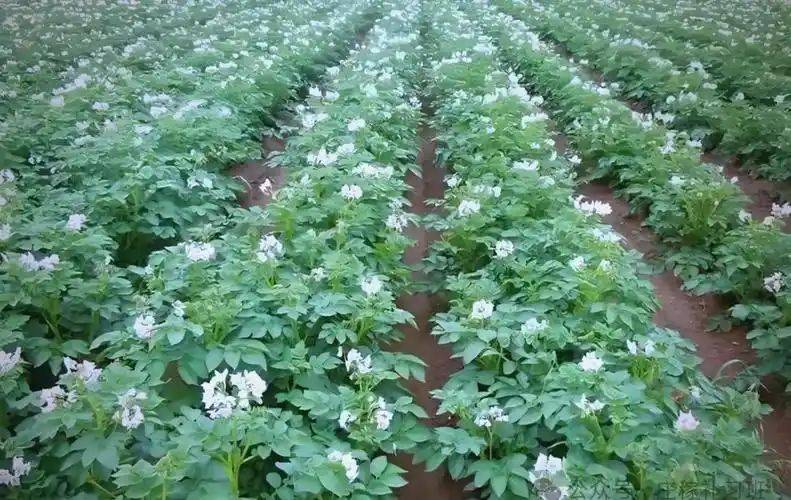
After the holodomor of 1770-1771, german agriculture suffered unprecedented blows. This famine has exposed the inadequacy of traditional food crops, especially in times of climate variability and war. However, it is in such a predicament that the potatoes have quickly established their feet in germany, with their excellent cold tolerance and high productivity. The widespread cultivation of potatoes not only serves as a major source of food for the poor, but is also favoured by farmers for their diverse uses, such as alcohol extraction。

The cold tolerance of potatoes has enabled them to thrive under different weather conditions in germany, thanks to continuous advances in anti-cool breeding techniques. Through careful refinements, potato varieties have been developed that are more adapted to the cold climate, which has undoubtedly enhanced their viability in the cold seasons of germany. At the same time, the high yield properties of potatoes mean that on limited land it can provide more calories and nutrition than traditional food crops. According to statistics, potatoes produce more than four times as much as wheat, which is undoubtedly important in times of food stress。
In 1740, king prussia, philip ii, promulgated the german potato cultivation decree, which legally obliges farmers to grow potatoes and takes strict measures to ensure its implementation. Despite initial resistance from some farmers, this policy has in the long run provided a solid basis for the stabilization and sustained development of german agriculture。
In addition, the multifunctional nature of potatoes has given further impetus to its universalization. In addition to being the main source of food, potatoes are widely used for alcohol extraction. The alcohol industry occupied a prominent position in the german economy at the time. In 1831, there were 23,000 wine shops in prussia, of which more than half of the raw materials were potatoes. This use not only provides farmers with an additional source of income but also further stimulates the expansion of potato cultivation。
Innovation in agriculture in england
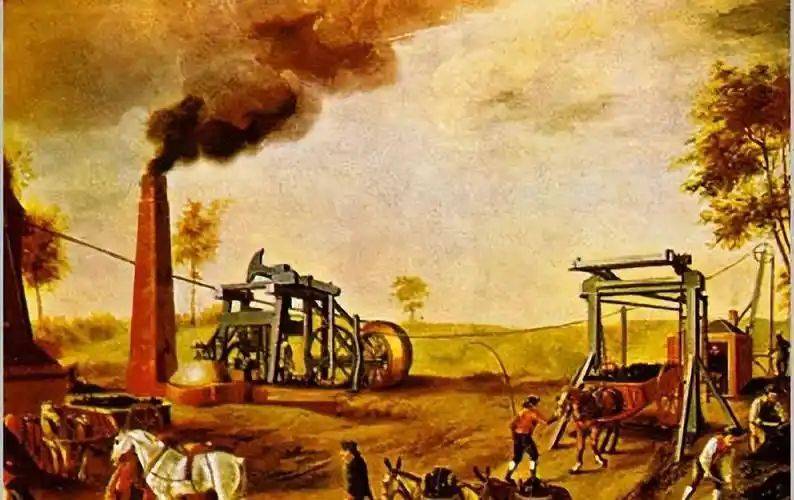
In england in the sixth century, significant changes have been made in agriculture. These changes are reflected not only in the efficient use of riverine wetlands, the leapfrogging of vegetable cultivation techniques, but also in the innovation of rural housing. The agricultural revolution in england during this period, as an important component of the european agricultural revolution, covered the introduction of new crops, the improvement of traditional tools, the widespread use of animal tools and the implementation of crop rotation systems。
Introduction of new crops and technologies
England's agriculture introduced new crops and improved technologies in the sixth century, increasing the area of cultivated land and vegetable production and changing the agricultural structure. With regard to the use of river-side wetlands, people have succeeded in transforming uncultivable wetlands into fertile agricultural land through fine drainage systems and land improvement techniques, thereby increasing the area under cultivation and increasing food production. At the same time, significant progress has been made in vegetable cultivation techniques, with the introduction of new varieties and the upgrading of cultivation techniques resulting in a significant increase in vegetable production, which not only enriches people's tables but also increases farmers ' economic incomes。
Contribution of charles townsend
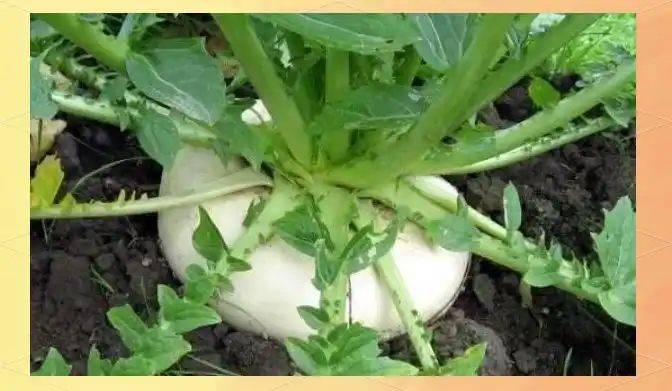
Charles townsend, who was dubbed “tony townsend”, became an important promoter of the 18th century british agricultural revolution. He has been active in promoting the cultivation of thorium, which not only restores soil fertility but is also rich in a variety of nutrients, both as feed for livestock and as a means of raising the nitrogen content of the soil through its roots in the atmosphere. Although it dates back to 1638 at the earliest in england's will records, its widespread cultivation is about 1750。
Townsend has not only introduced the cultivation of redflower grass, which is a soybean plant that increases the nitrogen content of the soil through nitrogen fixation, while providing animal feed, optimizing soil structures and increasing farm fertility. He also advocated the use of mud as fertilizer, a carbonate rock containing calcium and magnesium that improved soil ph, increased fertility and demonstrated the then advanced concept of soil improvement。
Diversity in french agriculture
In france in the eighteenth century, regional differences in agricultural technology were significant, mainly due to the country's diverse geographical and climatic conditions. Around paris and in the north-western region, small-scale farmers ' economies prevail, characterized by farming practices and grape cultivation techniques。

Geography and climate impacts
The history of grape cultivation in the south-west of france dates back to about 600 b. C., when the greeks brought with them grape trees and planting techniques, and when the romans conquered gaul, grape cultivation officially began. Over time, the area of grape cultivation gradually expanded northwards, until the third century a. D., when bordeaux and burgundy began to make wine for the market for scarcely needed wine. French agriculture is unique in terms of grape cultivation and brewing, given its geographical and climatic diversity。

Introduction of maize cultivation
In the eighteenth century, maize cultivation in south-western france increased food production, enriched agricultural structures and increased farmers ' incomes. Corn, as a new crop option, not only increases the diversity of agriculture but also improves to some extent the food status of the poor. According to records from the archdiocese of albi, france, in 1786, 20 per cent of the grain collected was maize。
Evolution of the agricultural system
Nevertheless, in france in the eighteenth century, most farmers continued to follow medieval farming practices, of which the traditional santin rotation was the prevailing pattern in agricultural practice at the time. The implementation of this system has resulted in an increase of about 20-30 per cent in land production per year. At the same time, the widespread use of heavy wheel ploughs has further boosted the depth and efficiency of cultivation, not only by expanding the area under cultivation but also by significantly reducing human dependence。
It was only on the eve of the great revolution that france began a large-scale attempt to upgrade agricultural technology and actively emulate agricultural practices in england. During this period, the government became aware of the importance of improved agricultural technology and began to promote modern agricultural practices. The government encourages farmers to introduce new farming methods and improved seeds to improve crop yields and quality. Training and technical support were also provided to help farmers master modern agricultural technologies。